Creative Mulching

Creative Mulching

Mulch can be organic or inorganic and its purpose is to conserve moisture in the soil, suppress weeds, prevent seed germoination and protect the roots of new plants. The right material will look good and cut down on maintenance with less weeding and watering.

Mulching is the covering of bare soil with a mulch. Choose a mulch that appeals to you and don’t be worried about experimenting.

Organic Mulch

  • The good old stand by garden compost is one of my favourites that also adds some nutrition
  • Grass clipings. You can use grass clippings straight from lawn mower, as long as they don’t continue weed seeds or weedkiller.
  • Read More Read More

Getting More Plants By Layering

Getting More Plants By Layering

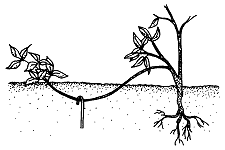
I have layered some of my Dianthus to get more ‘Pinks’, the plants not the colour. A long stem is pinned to the ground with a bent wire like a hairpin and new roots are formed in late summer.

Layering Figure

Layering a wide range of shrubs trees and climbers can get you lots more plants cheaply. This method encourages new root growth whilst a stem is still attached to the parent plant.

Some plants send runners that can be rooted.
Other plants send out suckers that can be used for new plants

How to Layer to get new plants

  • Find a supple stem of the chosen plant in spring for evergreens
    • Bend the stem down to soil level creating a U shape or 45 degrees to the parent and vertical for the stem.
    • Remove leaves and side shoots except the top 12 inches or so.
    • Cut the stem about half way through or take out a sliver at the point where it meets the soil
    • Form a shallow hole 5 inch deep and peg the stem down with a wire hoop to the soil and mound over with soil and compost.
    • When there is evidence of strong new growth sever from the parent plant and grow on. Probably 12 months to be on the safe side
    • Try Acers, Roses, Rhododendron, Forsythia, Lilac and Azaleas by this methods

    Read More Read More

Herbs in the Border and Kitchen

Herbs in the Border and Kitchen

long tom herbs

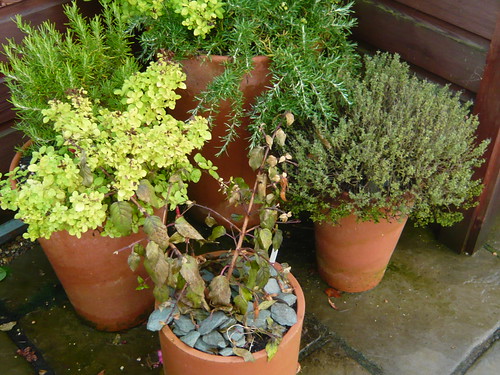
Traditionally herbs are grouped together in a special area of the garden or in special pots like these ‘long toms’. You can try mixing ornamental herbs amongst perennials or with Bay, Lavender and Rosemary amongst shrubs.

Focal Points with Herbs

Angelica is happy in semi-shade and reaches over six feet tall. The green candied stems of Angelica archangelica, with huge fine cut leaves are used to decorate cakes. Alternatively try bronze coloured Angelica silvestris Vicar’s Mead.

Fennel is another tall focal point plant with green or bronze foliage. This perennial likes sun and flowers yellow with edible seeds.

Read More Read More

Magnolia Growing

Magnolia Growing

Magnolias take their time to produce the best show of blooms but the wait is worthwhile.

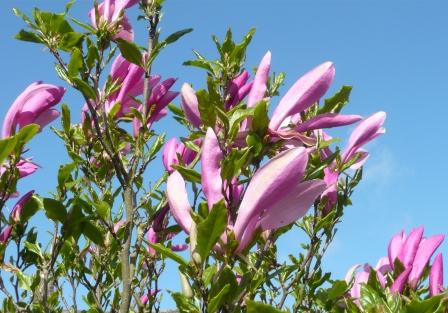
magnolia-sky

Not content with looking marvelous the clear blue sky added to the attraction of this 6 foot high Magnolia Liliflora nigra in my neighboughs garden.

Magnolia fossils have been found from 20 million years ago before bees were around for pollination. That is why the many Magnolia species developed very tough flowers able to avoid damage from the beetles that pollinated them. Their flowers are thick and strong without distinct sepals or petals but a hairy shell around the buds.

Magnolias come in a wide variety of sizes from large specimen trees to small shrubs. They can be evergreen or deciduous and flower mainly in spring but with some later varieties. Flower colours vary from whites to pinks and purples with some yellows. Vegatatively propogated Magnolias should flower in the second or third year.

Magnolias cause few problems for gardeners except losing blossoms in a late spring frost. This can be avoided by planting, in locations that are protected from late frost, or varieties not blooming until the danger of frost has passed. Plant in April and mulch regularly until well established. Magnolias favour well drained slightly acidic soil but M. stellata, M. kobus, M. sieboldii and M. wilsonii. are all suited to alkaline soil.

Other Selected Varieties
Evergreen Magnolia Grandiflora Charles Dickens is a favourite for growing up a wall with flowers upto 12 inch across whilst M. Delavayi will flower in late summer or Autumn in a similar position.
A trendy favourite is Magnolia stellata star magnolia one of six Japanese species. It has a compact, twiggy habit ideal for smaller gardens, and flowers that can be white or pink.

Read More Read More

Growing Good Snowdrops

Growing Good Snowdrops

If snowdrop leaves are showing can the delicate white flowers be far behind?

IMG_3667

Snowdrops for me signify the end of Winter rather than the coming of Spring. Tucked under this hedge row the snowdrop is left to multiply naturally by seed and by division.

Tips for Growing Snowdrops

  • Transplant snowdrops as soon as they finish flowering and have visible leaves. This is when they are ‘in the green’ and is the safest time to plant snowdrops. Many bulb suppliers sell them in the green.
  • The small bulbs are prone to dry out and these dry bulbs do not grow on as successfully as snowdrops in the green.
  • Read More Read More

Lamiums- Deadnettles

Lamiums- Deadnettles

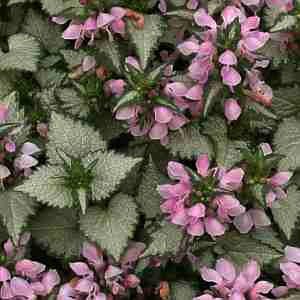
This family of herbaceous perennials can make attractive ground cover with its wide variety of foliage. Plant in dry ground between shrubs that give some shade from hot sun. Starting to flower in May many varieties go on until the first frost and p[rovide much needed pollen for bumblebees.

Lamium Pink

Gardeners Tips Growing Lamiums

Perennial Garden York Gate Adel

Perennial Garden York Gate Adel

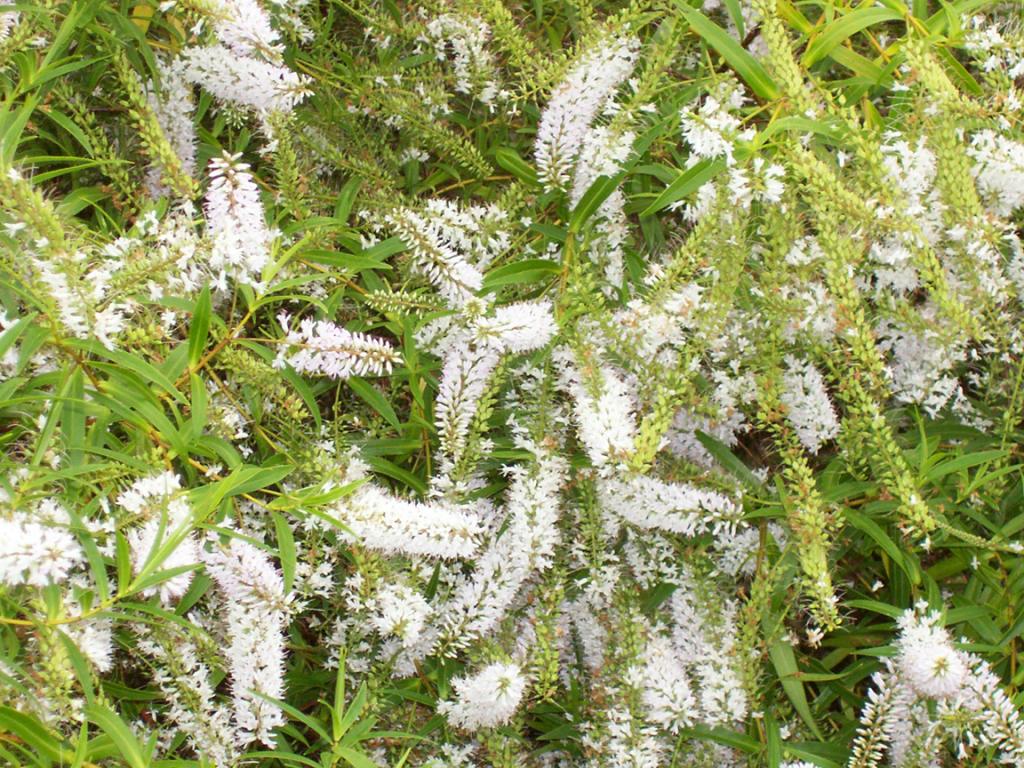
white-hebe

Perennial is the name of the Gardeners Royal Benevolent Society the charity for ‘Helping Horticulturists in Need Since 1839’. They have an interesting programme of events for 2009 and a selection of garden related gifts to support the charity. Last summer I visited Perennial’s own garden near Leeds called York Gate and found the volunteers very attentive and helpful. Best of all was the plants propagated from within the garden that were available for sale at economic prices.

York Gate

Approaching the garden through an old church yard in Adel and straight down a short lane you cross the narrow road into the one acre garden.

Read More Read More

25 Rose Types From a Possible 150 Species

25 Rose Types From a Possible 150 Species

We have got over the season of Christmas Roses in boxes of chocolates at least! Passing over Helebores we consider many types of rose that can be grown in an ordinary English garden.
Rose

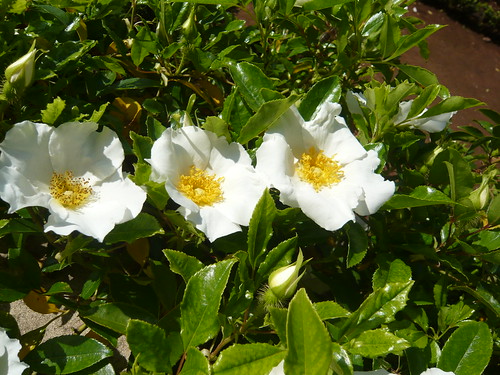
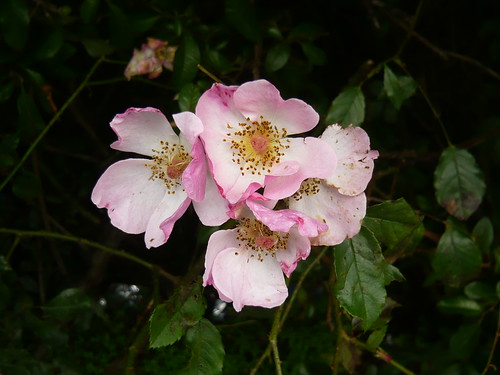
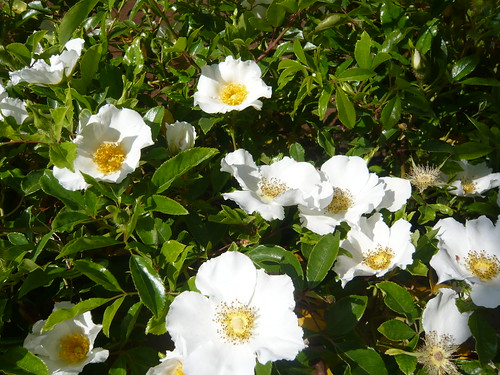
Wild Roses

These roses have 5 petals, a mass of stamens and produce large hips. There is a large range of size, scent and flower colour. There are approximately 150 species of wild roses.
Rose

Gallicia Roses

Amongst the oldest cultivated roses for the scent and medicinal properties. The plants are suckering with dark green leaves and bristly stems.

Damask Roses

The petals are distilled to make Attar of Roses perfume. Summer Damask flower once whilst autumn damask flower twice a year. The colour is generally purple fading to washy pink. They are grown in Turkey and Bulgaria for commercial perfume manufacture.

Alba Roses

Alba roses may have been cultivated since Roman times to form large shrubs with arching stems. The plants are very tough and can survive in neglected gardens for many years. Large volumes of white flowers show over a short flowering period.
Rose

Centifolia Roses

Dutch paintings of the 16th century often features these rounded double pink roses.

Moss Roses

Often depicted on crockery in the 19th century these roses have stems and sepals with a dense mossy cover in green or brown.Little or no pruning is required.

Portland Roses

A small group similar to Gallicias but with repeat flowering in bright red or pink. A tough and hardy rose.

China Roses

China roses have smooth leaves and less scent but the flowers have thick petals and smooth shiny leaves.

Tea Roses

With few thorns and smooth shiny leaves the yellow, apricot and pink flowers are graceful plants in a warm climate.
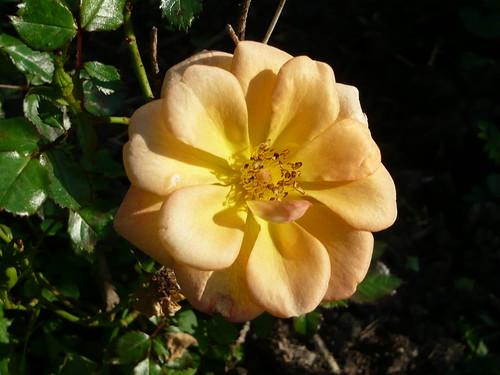
Rose

Noisette Roses

Originating from North America these plants combine the good scent and late flowering of Musk roses with the larger flowers of China and Tea roses.

Bourbon Roses

The rounded flowers in sprays are usually well scented were popular in the 19th century. See also
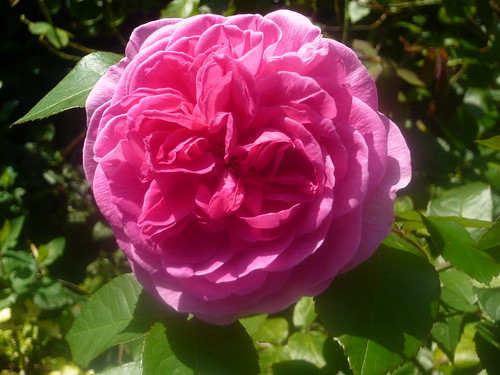
Rose Rose

Hybrid Perpetual Roses

Coarser and leafier than teas these plants are prone to mildew but with strong colours and good scent they are popular for late flowers.

Climbing Roses

These roses are bred for climbing and need plenty of water to excel. Varieties may flower only once or twice per year depending on the parentage. They need support and pruning to get the best flower display.

Ramblers

Distinguished from climbers by the masses of small flowers in one flush. Generally they are originally a cross from a white climbing wild rose.
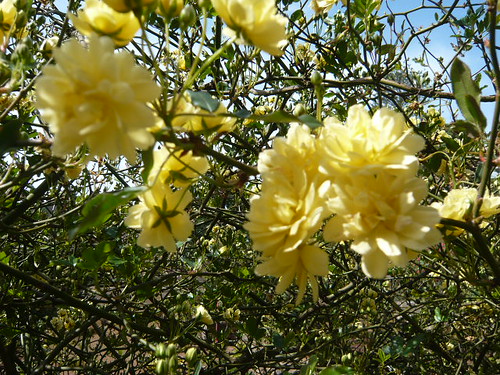
Rose

Ground Cover Roses

Developed to fill the need for trouble free spreading and weed suppressing with long flowering periods. Try Flower Carpet, Grouse or Nozomi.

Hybrid Musk Roses

One of the best small groups producing scented flowers in white, cream or pale pink.

Rugarosa Roses

Grows well and relatively trouble free in poor soil to produce single flowers and large decorative hips.
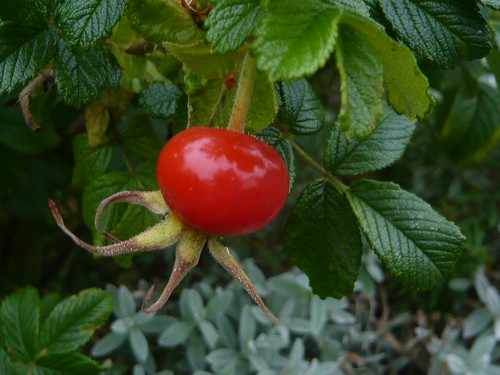
Rose hip

Shrub Roses

This is a catch-all grouping of wild crosses that do not fit other rose categories.

Hybrid Tea Roses

The traditional and popular type of cultivated rose bred for the tall bud and larger blooms.
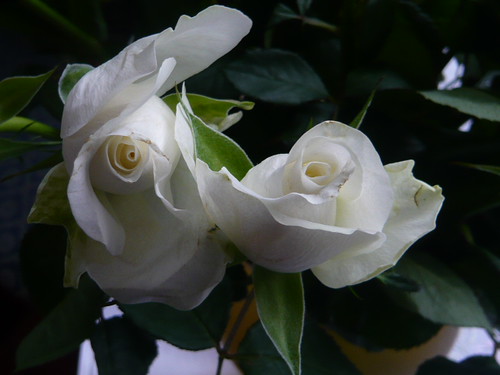
Rose buds

Polyantha Roses

Repeat flowering small plants that have been bred to produce the floribunda varieties. They are often confused as miniature hybrid teas.
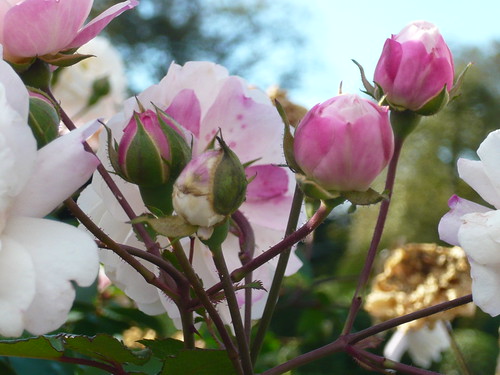
Rose

Floribunda

Masses of coloured flowers throughout the season they became a dominant type of rose through the last century.

English Roses

David Austin inspired old roses crossed with disease resistant modern varieties have produced some stunning plants.

Romantica and Generosa Roses

Meilland branded roses with scented double old fashioned, HT or climbing roses. Generosa are branded from roses developed by Guillot in France

Miniature Roses

All parts of these original roses are small and they are now grown as dwarf pot plants. I am trying several miniature roses in my rockery to add colour and interest.
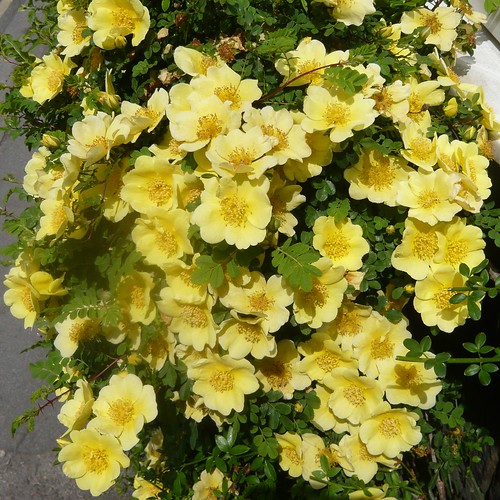
Canary Rose

Whilst you decide which roses to grow why not eat a Roses chocolate or two?

Growing Chusan Palm

Growing Chusan Palm

Do not get palmed off with an inferior plant. Nor do you need a desert oasis as even in your conservatory or garden this Chusan Palm will spread umbrella like shredded leaves over a fair sized area.

Adle

Trachycarpus fortunei or the Chusan palm can grow and flower in the UK.  They are hardy down to -10° C and tolerate our cool summers. For this reason they are popular plants even growing  as far north as Scotland.

Growing Chusan Palm

  • Chusan Palm, Trachycarpus fortunei is also called Chinese Windmill Palm or Chamaerops fortunei. You may find them for sale as Takil or Nanus varieties.
  • These palms have been cultivated for centuries in China and true varieties vary considerably.
  • The leaves are fan shaped and so strong they are used for making ropes, sacks, and other coarse cloth in Japan and China.
  • Chusan Palm grow 6-10″ a year under optimum conditions.
  • Chusan Palm grow to 35′ tall, flower yellow and the fruit is a red to blue-black.
  • Individual trunks are slim and covered with old leaf stumps and dark-brown fibres. Cut off leaves to give a more attractive smooth-stemmed palm.
  • AGM status has been awarded to Trachycarpus fortunei

I am looking for a photograph of the kidney shaped fruit .

Currently we will have to settle for this alternative photograph.

Madiera mch11 479

Chamaerops fortunei

Growing Variegated Leaves

Growing Variegated Leaves

gera

Variegated Leaves can be the most attractive feature of a garden or houseplant.
Colour schemes vary and there is likely to be a colour combination that pleases most gardeners.

020

Gardeners Tips for Growing Variegated Leaved Plants

  • Consider the light when planting. Many colours can get ‘burned out’ by strong sunshine.
  • If you are growing for leaf colour rather than flower you need good roots and then a nitrogen based fertilizer.
  • I have a semi-shaded area just for variegated plants.
  • Often the flowers suffer on these plants as they compete for attention and scarce resources. The bi-coloured phlox or Hydrangeas are an example.

Book Cover
Extraordinary Leaves from amazon.

Read More Read More