Very Hardy Tough Plants
Some plants are so reliable, accommodating and long lived that they earn the sobriquet ‘Bomb Proof’. As soon as I say that there will be howls of complaint that all my bomb proof selection have failed in one garden – well all I can say is you should not need green fingers to grow this bomb proof selection.
Gardeners Tips for Bomb Proof Plants
- Rosa Rugarosa or Dog Roses are found wild in hedgerows and that means they survive what ever the British weather throws at them.
- Taxus or Yew trees grows quicker then expected and can be pruned, trimmed and shaped. Old specimens in church yards can be several hundred years old so your tree is likely to outlive you.
- The Grass in my lawns has been through drought, flood and plagues of children. I chop it down with a mower at least 30 times a year and treat it badly. It may go brown, grow some moss or suffer from Fairy rings but the green grass keeps coming back. If that fails there is also the horrible Gardeners Garters the stripy grass that is worse than couch to pull out.
- Cat mint or Nepta Six Hills Giant is a robust plant that grows to 18″ but it prefers full sun. It is extremely drought tolerant and will grow in poor soils.
- Some plants survive like weeds and in my garden Creeping Jenny Lysimachia fits into this category.
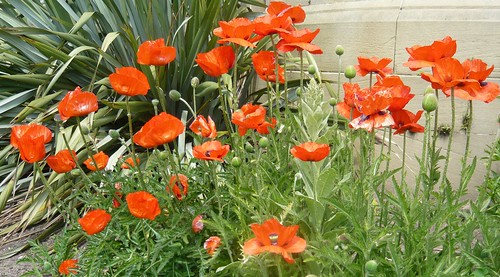
- Poppies are almost bomb proof due to the volume and longevity of the seed they produce. Iceland poppies and opium poppies Paperver somniferum are a couple of cases in point.
- Flowering onions or Alliums have hardy bulbs and once a plant is established they are adept at seeding and growing colonies.
Tips for Growing Astilbe glaberrima
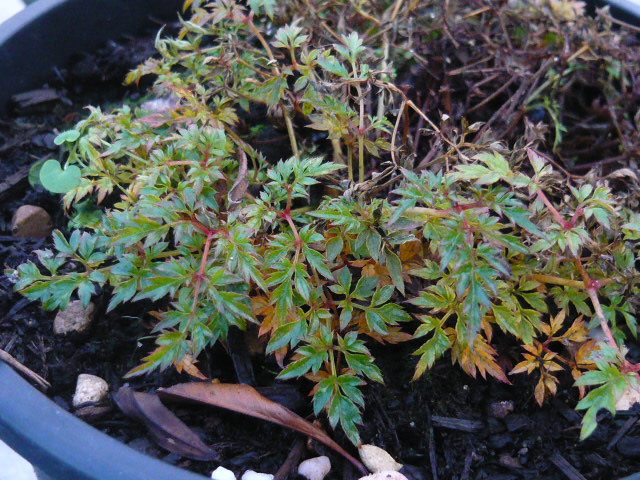
Astilbe are well known herbaceous perennials with divided leaves and erect plume-like panicles of tiny white, pink or purple flowers in summer. The old, brown flower-heads remain attractive in autumn before the leaves die back. I have just acquired 2 dwarf plants.
Astilbe glaberrima
- Astilbe glaberrima var. saxatilis is a rhizomatous, dwarf, herbaceous perennial growing  2- 6″ tall.
- They typically have glossy bronze-green, deeply divided leaves and short sprays of pink-tinged white flowers. It is also called by its common name, Â Rock Astilbe.
- Plants are clump forming and like water and fertilizer when in growth.
- Insects are not a problem but powdery mildews may be troublesome.
- The plants are hardy in most aspects with or without shelter. …
White Flowers in Pictures

I am already cheating by offering White flowers and starting with deep purple blotches at the heart of this April flowering Rhododendron.
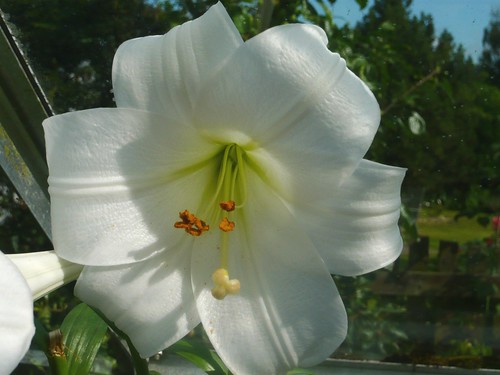
A true white for the purists or should that be Whiteist.
…
Photos Buds, Flowers and Seedheads
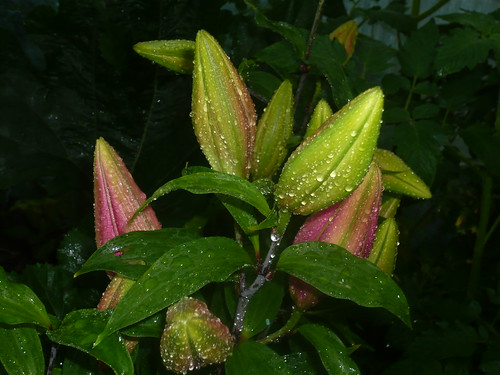
Just an excuse to show three pictures from 2010. The dew on the lily buds captured my imagination and the picture has been on my computer for ages waiting for a reason to publish.

I got a comment on an earlier post about how far away spring seemed to be when you are buried deep in the snow. An early spring flower will lighten up our days and hint at summers to come.
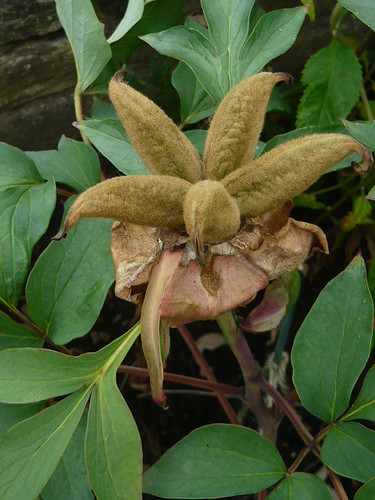
This seed head in autumn comprises of 5 pod shaped capsules each containing Peonie seeds. The furry outer and curved shape struck me as quite attractive. In the Peonies natural habitat (mountainous China) this construction will help protect, mature and distribute the seed.
Dream of Spring Flowers

As it comes up towards Christmas there is less you can do in the garden. Perhaps it is time for gardeners tips to help you dream of your perfect spring garden.
The mix of plants varies according to location and a gardeners peccadilloes. Bulbs are a firm favourite from Africa to Zetland. The range and selection is enormous and you are seldom disappointed for the first season at least.
Snowdrops followed by Aconites and Daffodils start the spring show. A bold splash of colour from Primroses, Primulas and Tulips above will kick start your garden patch.
Rockeries look a picture in spring as the smaller plants get to bloom their socks off.
My personal favourite is the Rhododendrons and Azalea bed below.
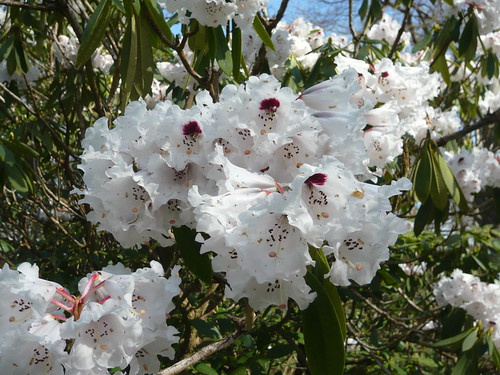
Alternative Spring In Madeira
- Monte Palace Tropical Garden …
Growing Roses from Seed
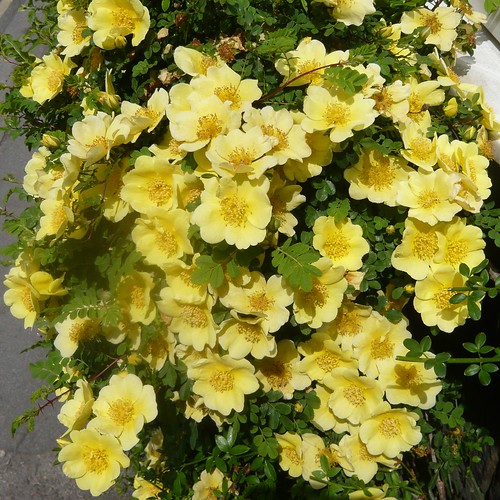
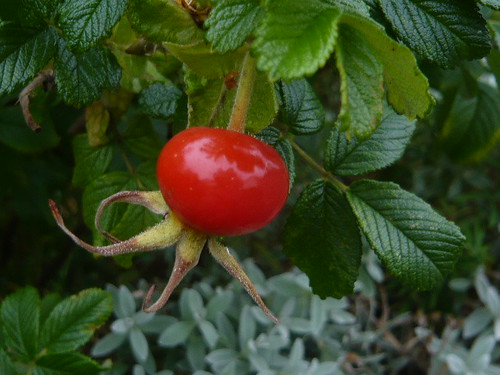
I have collected quite a range of Rose Hips from wild species Roses and intend growing my own collection from seed. Rose hips vary in colour from Black, Orange, Red and Green and the seed inside varies in the quality of crop it will produce.
Seed Grown Roses
- I have de-husked the rose hips and separated out the seed on tissue paper to dry.
- Shortly I will sow them in a gritty compost in 3″ pots and let them stand over winter so they get a bit frosted.
- I have been lucky with previous attempts and have several roses growing on that are my own work. It will not be a grave concern if I do not get germination in spring or plants to grow on as it has only cost me a bit of time.
- Breeders go about finding new varieties by taking infinite care with pollination and are much better at germination.
Black Magic Rose Seed Raising
- More care is recommended by some folk who wash seeds in distilled water or weak bleach solution.
- Others go as far as using a food blender to clean off the pith and pulp. To my way of thinking nature uses none of these tricks or aids. Wild briar grows quite successfully so IÂ only give nature a helping hand.
- Seeds should germinate in the spring following an Autumn sowing.
- Rose seedlings can suffer from damping off, so water with Bordeaux mixture.
- Many resultant seedlings will be prone to mildew, weed out weaklings.
- Some roses will flower in the first year but species roses may take 3 years to flower.
I have taken hips from Rosa Canary Bird shown above which in itself is a cross with probable R.hugonis x R.xanthina parentage
Cure and Avoid Blackspot on Roses

Black spot is an ugly and plant threatening, fungal disease causing problems with Roses. Due to ,my inattention my roses were ravaged this year!
Avoid Black Spot
- Keep the ground clear of any diseased leaves or plant matter.
- Burn affected leaves, do not compost as this just recycles the spores.
- Use clean tools or dip them in fungicide particularly those that contact the sap like secateurs or loppers.
- Buy disease resistant varieties of rose.
- Allow air to circulate. Black spot likes humid conditions so water carefully.
- Beware black spot can be transmitted from plant to plant. Good hygiene is vital.
Treating Black Spot
- Remove and destroy infected material.
- Spray with a systemic fungicide on both sides of the leaves and the stems of affected plants.
Mistletoe Growing & Traditions

Unlike money, mistletoe grows on trees. Unlike kissing your money goodbye, a kiss under the mistletoe can be something special.
Mistletoe is a parasite, living off the nutrients and water in the tree that it grows on. You can find mistletoe growing on the branches of hawthorns, apple trees, poplars, limes and conifers.’ read more from the RSPB to find out about the role of birds and the life cycle of misteltoe.
Oh and good luck with the kissing.
Tips for Growing Mistletoe
- Use – pure white or yellow berries not unripe green ones.
- If the berries have been used in the house through Christmas they may have dried out. If you have no other fresh ones soak the berries in tepid water.
- Using the berries’ own sticky juice attach several to the underside of a branch. Only inoculate 1-3 branches of each tree. The parasitic effect will sap  energy from the tree. …
Garden Performance Review

Royal Horticultural Society RHS
- This garden based charity has continued to move towards operating as a large commercial enterprise during the year. I haven’t followed all the changes to the board and chief executive’s position but the culture of the organisation seems to be shifting still further from gardeners.
- I dislike the changes to the seed distribution scheme. I looked on that as one of the key benefits of membership.
- The new Library and Resource Center at Harlow Carr was a spectacular success in my opinion.
- During the year I visited Hyde Hall for the first time and was suitably impressed.
- ‘The Garden’ magazine continues its move towards ‘Country Life’ and I await the String of Pearl pictures with dread.
Plant Performance
- Exotics have survived for several years in our gardens but I fear the weather will get its revenge.
- …