Browsed by
Category: Pests, Problems and Health

Pests, infections, disease, cultivation and growing problems

Climate Change and Garden Insects

Climate Change and Garden Insects

Moth

One thing is sure the climate in your garden will change. You already know one week will be different to the next and I can’t remember when two months or any years were the identical to others. In many areas you can get 3 or 4 seasons in one day (or in Scotland one hour!).

Another thing to be sure about is the ‘law of unintended consequences’ or we might not get the effects we expect and plan for.

The march of insects, predators and undesirables.

Changing climate does not bring more alien species but it can make our environment more welcoming for them when they do arrive. Recent arrivals include but are not limited too:

  • Lily beetle the bright red insect devouring my lily bulbs as we read
  • The Harlequin ladybird still a pleasant curiosity but rapidly out eating or native species with its voracious appetite.

    Read More Read More

Ecological & Organic Pest Control

Ecological & Organic Pest Control

ladybird

Biological warfare is both a modern and old fashioned method of control for garden pests. Encouraging natural predators is part of a gardeners armory to maintain an acceptable level of control but when infestation is bad call in bug busters. This is now available in the form of nematodes or biological controls that are introduced to feed on the actual pest or its larvae.

Slugs

One of the most disliked pests in the garden. There are 4 main species that gardeners love to hate the black slug, keel, field and the common garden slugs. The nematode Phasmarabditis hermaphrodita  is applied from now through summer to seek out and enter the slug with a bacteria which causes the slug to stop feeding and die. Repeat applications may be needed every 6 weeks or so.

Ladybirds

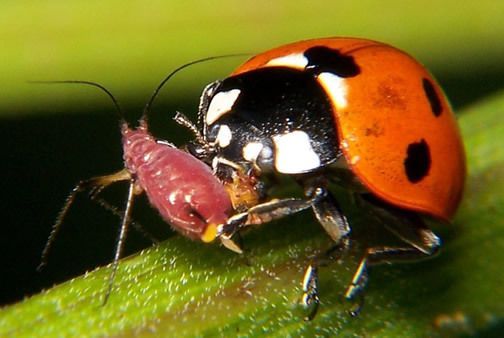
The humble ladybird feeds on Aphids and is a great ecological control beating chemicals hands down. Both adults and larvae eat the aphids and as soon as you see an infestation you can introduce Ladybirds from a supplier via a tube full of the little darlings. Adults are not cheap but larvae can be supplied more economically however cheapest by far is to protect the ones you do have naturally in your garden.

Other Pest Controls

Vine Weevil or (vile weevil) eats its way through healthy roots and can destroy begonias in next to no time. A natural preditor is available called steinernema kraussei. Spidermites in a greenhouse will feed on tomatoes or strawberries spreading viruses. Phytoseiulus breed and eat spidermites but like all nematodes if there is no host food they tend to die out. White fly can be controlled by a parasitic wasp encarsia formosa which lays its eggs into the white fly pupae.

Gardeners Tips

  • Having said all that I am personally unhappy treating one problem with an over supply of another creature. Some damage is inevitable and is to be tolerated. On key plants I may resort to other spray controls.
  • Good clean well tended gardens tend to discourage pests and barriers like nets or fine mesh may be adequate.
  • Traps, sticky tape or hand removal may be more appropriate.
  • Best of all attract beneficial insects with safe habitats and a supply of nectar rich foods

Organic Pest Control
bird-bath

There is an increased interest in controlling pests such as slugs, aphids and caterpillers through natural organic methods. But, which are the most effective?

Hoverfly Pupae. Hoverfly are voracious eaters of aphids. A single hoverfly can eat several hundred aphids. As gardeners we can grow many companion plants which help to attract aphids – e.g. marigolds, poached egg plant. But, sometimes we need to help our hoverfly population get started. Companies can sell hoverfly pupae so that you can introduce them into your garden – and then let them do their best. Hoverfly Pupae at T&M

Beer Traps. You don’t need to buy any expensive equipment, just use an old plastic pot and some cheap beer (maybe landlord will let you have the excess spillage). Then use this beer for filling the plastic pots. Slugs will be attracted by the smell and drown themselves – the most humane method of killing!

Pond and Frogs

Another excellent natural predator of the slug is the common garden frog. If you build a pond then you should be able to attract frogs. Frogs can eat many slugs during the night and save you a lot of slug pellets. A cheap and environmentally friendly way to keep your slugs down

Birds

Birds such as blue tits and Thrushes can much their way through many garden pests such as slugs. Leave water and food to attract the birds into your garden.

Nemotodes for Caterpillars and Slugs

Caterpillars can destroy cabbages and certain plants. If you are lucky you will have an army of birds to eat them. But, this is usually insufficient. However, it is possible to get some nemotodes which when watered into your lawn at the right time will seek out and organically kill the caterpillars. Nemotodes for Caterpillars and Slugs

Related

For more on Ladybirds

Read More Read More

Axis of Weevils – Garden Pests

Axis of Weevils – Garden Pests

Evil Weevils do everything but ride motor bikes.

weevil

There are more Weevil species than you can shake a stick at! Some you would want to shake your stick as they are ugly looking critters.
Weevils are part of the beetle superfamily Curculionoide but there are many related family members and thousands of species.

Families of Weevil

  • Anthribidae — fungus weevils can help make compost
  • Attelabidae — leaf rolling weevils include Rhynchites
  • Belidae — primitive weevils feed on dying plants or flowers
  • Brentidae — straight snout weevils
  • Read More Read More

Club Root and Brassicas

Club Root and Brassicas

For gardening purposes Brassicas are a group of vegetables in the mustard family that includes Cabbages, Broccoli, Cauliflower, Calabrese Sprouts and Kale.
Spinach, Rapeseed, Swede and Turnip are also from different brassica species but are not discussed in length in this post.

Know about Club Root

  • Club root is a fungal infection of brassicas
  • It causes distorted swollen roots and stunted growth
  • Spores contaminate the soil for many years after an infestation so be careful with new plants that may bring in disease
  • Control by liming the ground in autumn. More heavily on acid soil.
  • If you suffer grow plants in 4 inch pots before planting out.
  • Some brassicas show resistance to club root

Know about Brassicas

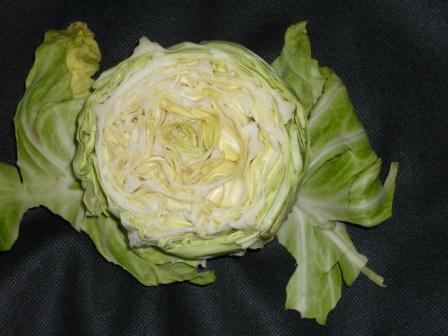
  • The flowers, leaves and stems are usually edible though each vegetable is famous for its own features like this heart of the cabbage.
  • Brassicas contain antioxidents, minerals and vitimins and are a staple of a healthy diet.
  • The sulphur content of the brassicas give it the aroma when cooking. Red purple and green heads are now produced amongst cabbages and cauliflowers and if they lose colour when cooking add a bit of vinegar to the water.
  • Brassicas prefer some shade in firm, fertile, limed soil. Tread seedlings in and support tall brussel sprouts.
  • Rotate the crop moving to a different plot every year as the roots can suffer from a fungus causing club root.
  • Plants need space to develop – a sprout will need 2 feet between plants.
Healthy and Unhealthy Roots

Healthy and Unhealthy Roots

Get to the root of the problem for bigger better plants. I am a convert to Mycorrhizal Root Grow products that add beneficial fungus around the roots of newly planted stock.
Roots

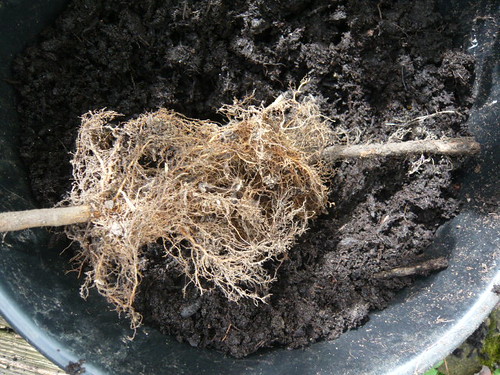
Roots come in all shorts of shapes and sizes but are all designed to help the plant grow and remain healthy. To achieve that the roots themselves need to remain in peak condition and this is where the gardener can help. Start with the right hole in the right place and understand what and why you are doing something.

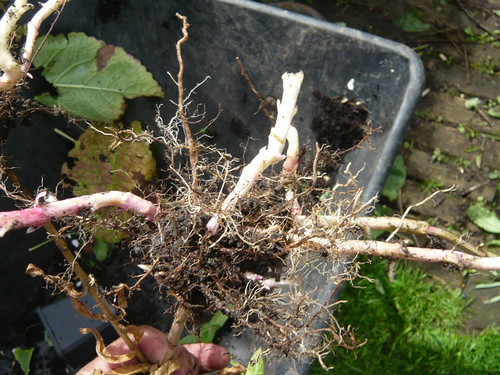
Roots and stolons

Unhealthy Root Causes

  • Fine hairy roots can be burnt by the application of the wrong or too much fertiliser.
  • Roots that are in waterlogged soil start to rot.
  • Read More Read More

Get Rid of Weeds

Get Rid of Weeds

So like everyone else you have weeds you want to ‘get rid of’ and here is how.

Physical Removal Methods

  • Hand weeding is used when weeds grow amongst other plants. Take care to get all the root or bits may grow back.
  • Hand forks work between other plants but for a larger area you need a proper fork. They are les effective for rhizomatous plant like couch grass and ground elder which tend to break and reestablish.
  • Hoeing is ideal in vegetable beds. Draw a sharp blade just below the surface to cut weed roots. Most effective in dry periods when seedlings desiccate.
  • Deep digging can bury the weeds. Pick out dandelion roots.
  • Repeat strimming or cutting will weaken weeds but you need to be patient.
  • Flame guns are useful on paths and hard surfaces but not always effective on deep rooted weeds.

Book Cover

Barrier Methods

  • Black  plastic excluding light for 6-12 months will clear most weeds.
  • Landscape fabric like Phormasil will do the job of plastic but allow water through.
  • A thick layer of organic mulch will kill most weeds but may also introduce new seeds in the compost
  • Inorganic mulch like aggregates needs to be 3 inches thick.
  • Aesthetically such barrier methods may need a covering of gravel or mulch.

Chemical Killing

  • Total weed killers remain active in the soil often for 6 months. They bare effective for large areas and on hard surfaces.
  • Contact chemicals are best for annual weeds. There are some ‘organic’ versions based on natural acid based products.
  • Systemic weed killers are absorbed in to the plant which then dies.
  • Glyphosphate is non selective and is inactive after contact with the soil.
  • Some stubborn or woody weeds need to have exposed surfaces to take up the poison
  • Special chemical mixes have been formulated for lawns

Book Cover

Good weeding for next year – a year of seeds is 5 years of weeds.

Control and Treatment of Vine Weevils

Control and Treatment of Vine Weevils

I originally wrote this last year but now in April I have checked my Chrysanthemum plants in the cold greenhouse and find I am infested! So it must be worth a rerun.
Evil weevil grubs eat roots and tubers of your favourite plants. My tuberous begonias were attacked and destroyed by these pesky pests. It is the white grubs that cause the damage as they eat roots and tubers throughout vine weevil puberty to become small black beetles.
Black vine weevil (FG)
The beetles will nibble the edges of leaves but it is the laying of eggs that ultimately cause the problem. The eggs become grubs and your Cyclamen, Primula and Camellias become grub for weevils. Pot grown plants are most susceptible to attack but this pest also affects other plants such as Fuchsias, Gloxinia and Strawberries.

Tips to Control Vine Weevil

  • Prevention is better than cure so try to buy new plants that have been well treated.
  • Put a layer of grit around prized plants or surround pots with water
  • Destroy infected plants or drench in special insecticides.(Imidacloprid)
  • Good hygiene is important so if reusing plant pots wash your pots in a solution containing Jeyes fluid. Never reuse infected compost.
  • In the garden the risk is smaller than in plant pots as centipedes are a natural predator.
  • Use a foliar insecticide to kill beetles before they lay eggs – watch out for nibbled leaves as a sign they are about to lay eggs.
  • Provado a systemic insecticide applied to the growing medium as a drench, lasts for a few months and kills the larvae which do the damage.
  • Nematodes of various eel worms can be used to in April/May when the soil is warm enough for them to survive until they enter the grub and kill it. Use again in Autumn for the nematodes to eat the new eggs.
  • The beetles are nocturnal and can be caught after providing a dark daytime hiding place such as a bit of wet sacking.

I am willing to use chemical treatment like Amazon’s Pbi Provado Vine Weevil treatment, if the squashing of the grubs is not good enough.
Weevils wobble

Read Axis of Weevils on Gardeners Tips

Treatment for Vine Weevil

  • Nemasys is a type of Nematode sold as a Vine Weevil Killer.
  • Provado Vine Weevil Killer is
    s a chemical formula by Bayer. Dilute and water affected areas and plants.
  • Other nematode based products only require dilution with water and applying with watering can
  • BugClear Ultra Vine Weevil Killer Insecticide

Other Controls from Amazon

For more detailed analysis of the problems with Black Vine Weevils read the US Dept of Agriculture’s book ‘Biology and Control of the Black Vine Weevil’

Book Cover

Photo Credits
Black vine weevil (FG) by davidshort CC BY 2.0
Weevils wobble by skittledog CC BY-NC-SA 2.0 ‘…grubs mid-metamorphosis, discovered while re-potting some plants. And then left out for the birds to eat. Evil weevils.’

Summer Insects

Summer Insects

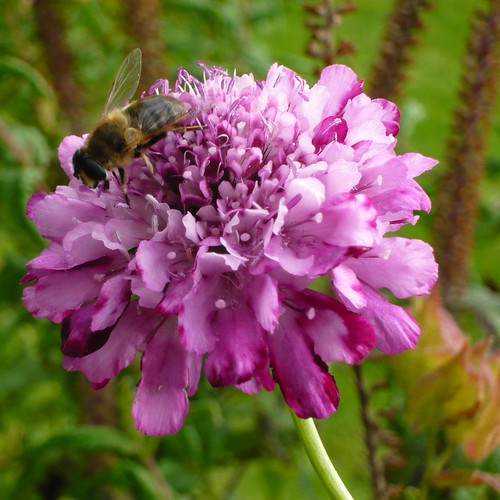
A late start to the gardening season may not deterred insects. Bees and hoverflies are spoilt for choice of nectar rich flowers in the summer months


Summer
My main beef is with the lily beetle. The red insect needs to be caught and squeezed to death as it’s hard shell protects it from most other treatments. The eggs it lays and the grubs that develop are what can devour a nice lily in next to no time.
Moluscus and in particular snails this year are chomping away on the very youngest plants in my garden.

Autumn

Read More Read More

Ragwort – Good or Evil

Ragwort – Good or Evil

Common Ragwort  Senecio jacobaea or Jacobea vulgaris is a specified weed as it can kill animals that graze on it. Even when  cut with hay and wilted it is toxic to horses and cattle. It is not a significant problem in gardens and some claim its toxicity with horses is overstated


Ragwort appreciation society wants to look at the myths and facts

Senecio jacobaea is part of our biodiversity and provides nectar and pollen for many insects. Cinnabar moths can be an effective biocontrol limiting growth and seed production. Eggs are laid in May -June and catterpillars feed on leaves in July- August. Thay can strip a plant down to its stalks

Cucumber Pests and Problems

Cucumber Pests and Problems

Pests on Cucumbers

  • Red spider mite can be a problem in a greenhouse.
  • Avoid hot dry conditions when they will thrive.
  • Treatments include spraying with fatty acid, oils and soaps as an insecticide.
  • White fly and red spider mite may need a biological control of parasitic wasps or predatory mites respectively.

Powdery Mildew

  • Powdery Mildew is the worst cucumber problem under glass badly affecting leaves
  • Causes include Stressed plants by dry root conditions or high humidity.
  • Excessive temperatures can create mildew.
  • Use sulphur or fish oil fungicides and good husbandry.

Other Problems

  • Water well and often but beware of rot on the roots. Soil should never be soggy
  • All female varieties can be bitter and bloated if cross pollinated
  • Do not grow Gherkins with cucumbers to Avoid cross pollination.
  • Remove all male flowers without embryonic fruit at the base.
  • Avoid splashing the fruit when you water
  • Do not let cucumbers rest on the ground. Put on a tile or flat stone for them to rest on to avoid damage and rot


For vine weevil I am willing to use chemical treatment like Amazon’s Pbi Provado Vine Weevil treatment, if the squashing of the grubs is not good enough.