Browsed by
Category: Pests, Problems and Health

Pests, infections, disease, cultivation and growing problems

Fungi the Good the Bad and the Evil

Fungi the Good the Bad and the Evil

Fungus is all around your garden and we and the garden are better for it. Fungus is a natural process that helps rot down dead plant matter and sometimes produces stunning fungi.

Halloween 039

The first frost of this winter may have turned most fungi fruit to mush but you can brush up with a good book.

Book Cover Identify Mushrooms

Mushrooms and toadstools have a good season in 2014 due to mild weather in October. Like bracket fungi they produce large fruit-bodies as reproductive organs above ground and are called macro-fungi. Some are edible whist others hallucinogenic or deadly poison. The fungus proper is the mycelium a web of of thread-like growth known as spawn in mushroom growing.

Read More Read More

Homemade Organic Garden Sprays

Homemade Organic Garden Sprays

If you do not want to use chemical sprays on your vegetables and plants, how will you protect your crops.
There are several organic sprays you can use and many can be prepared simply at home or in the garden shed.

Organic Tips

  • Well you could try mix your own but test them on single plants first, monitoring effects for a couple of days.
  • Several DIY recipes are available but I use a very weak solution of Comfrey water as a foliar feed. I put a good bunch of leaves in an old water butt for a fortnight then dilute the liquid to a weak tea colour.
  • For insect infestation try a stew brewed from rhubarb leaves and a bit of vegetable oil. Crush the leaves then poor boiling water over it and let is soak for a day or two then drain off and dilute to look like weak tea and spray of water it on after adding the oil to help it stick to the plants.
  • Recommended for Roses is a pyrethrum base home made from Chrysanthemum cinerariefolium or Dalmatian chrysanthemums. They are safe to use on vegetables and they are safe to eat after 24 hours if washed.
  • The soil association will allow farmers to use copper compounds on potatoes and sulphur isn’t totally banned.
  • ‘Organic’ products from garden supply companies can be bought from Amazon
  • Milk is a mild acid and has some fungicidal properties if you want to spray a 50% solution on mildew.

Types of Sprayer

Read More Read More

Controlling Earwig Problems

Controlling Earwig Problems

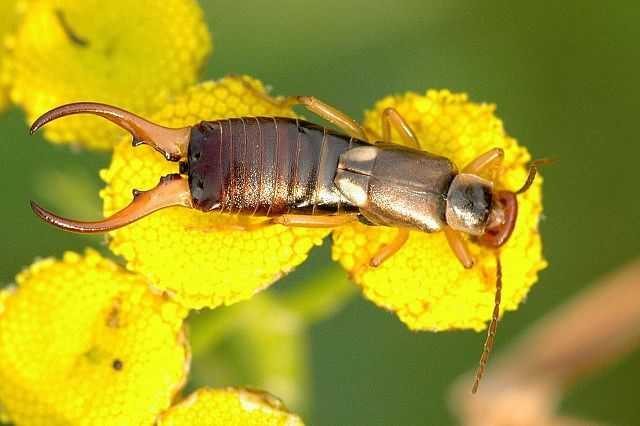
Earwigs do not deserve their bad reputation in the garden or inside your ear for that matter.

Problems Earwigs Cause

  • Earwigs are night feeders and chew holes in foliage and vegetables.
  • Flowers and blossom can also become food for a hungry Earwig as can very small insects.
  • Earwig families look threatening but do not eat as copiously as some insects.
  • Dahlias can become infested with earwigs and they drop out of the flowers when brought inside.

Controlling Earwigs

Read More Read More

Cut down on Pollen for a Low Allergy Garden –

Cut down on Pollen for a Low Allergy Garden –

Breathing Allergies

Hay fever sufferers don’t need to told about the typical symptoms of sniffing, sneezing, puffy eyes, sore throat and a runny nose. Starting in spring through summer these symptoms are likely to be caused by pollen and allergens. All year round symptoms are more likely to be caused by dust mites or pets such as cats.

Asthma is characterised by chest and breathing problems and can be caused by allergic triggers such as pollution, infection, or allergens. Airborne particles including pollen and fungal spores can bring on an attack especially if there is a known susceptibility to asthma.
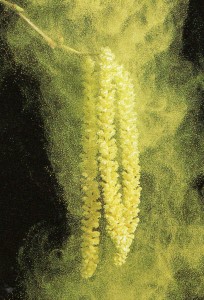
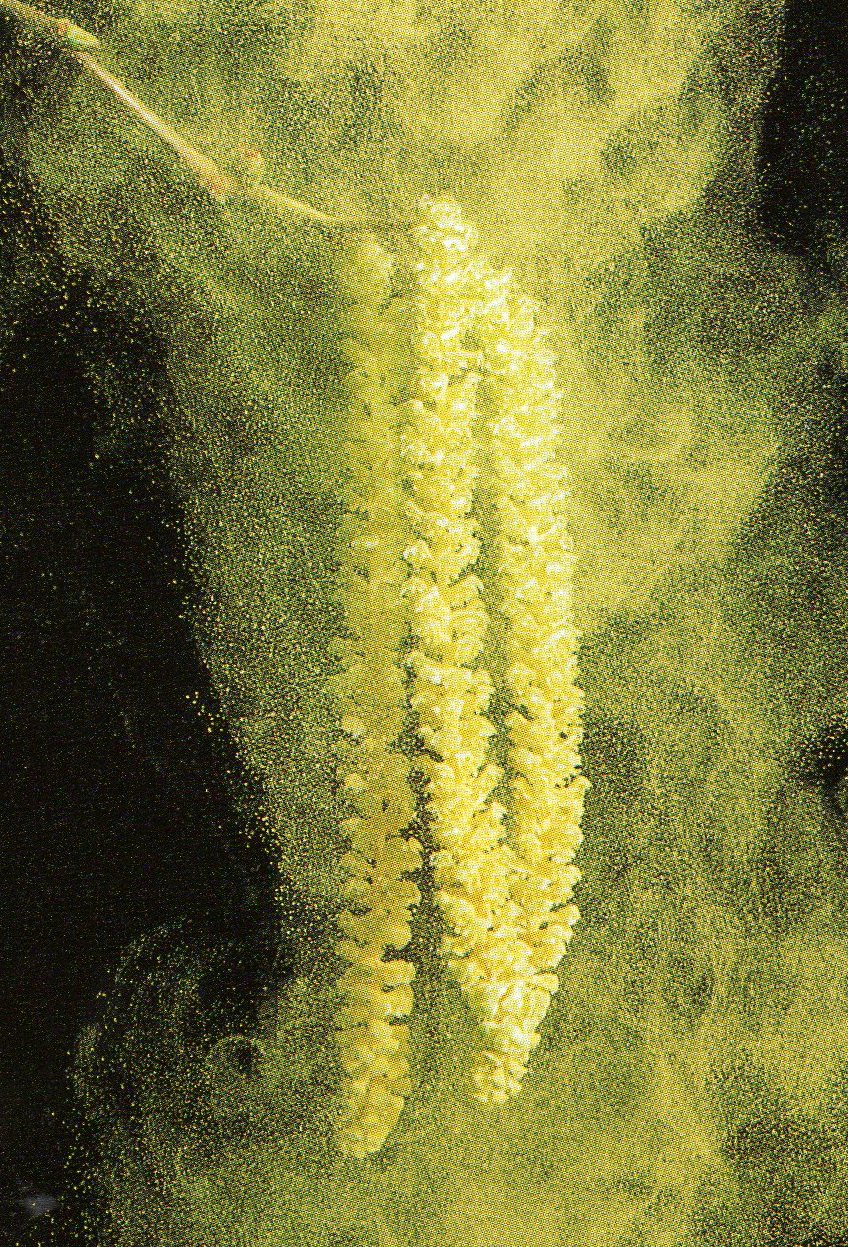
Pollen-on-hazel-catkins

Hay Fever and Asthma sufferers should cut down on Pollen

  • Given the above it is logical to avoid plants that are high in pollen particularly those that are wind pollinated. This includes grasses, weeds like docks and plantains, trees and shrubs that flower before the leaves are fully formed such as Hazel,Alder, Oak, Poplar, Sycamore and Birch.
  • Use other low pollen trees such as pink or red Hawthorne, Crab Apple, Prunus Cherries or Mountain Ash. These trees attract Bees so if allergic to stings then be even more selective with Ameleranchier or double flowered Japanese Cherries.
  • Female flowers do not produce pollen so chooses them in preference to male plants. Male trees or shrubs all produce large amounts of allergenic pollen.
  • If you can avoid having a lawn that may be best if not cut it regularly before it flowers or better still get a none sufferer to cut it. This is because even un-flowered grass will have trapped other pollen, dust and spores that is disturbed when cut.
  • For play areas use play ground rubber, artificial turf or inert covering but be aware of dusty surfaces.
  • For flat areas use ponds or water to reflect other green colours from the garden.

Select varieties with low Allergic pollens

  • Herbs like Chives, Thyme, Mint, Bay and Sage or the hotter Caraway, Cumin and Coriander but be wary of bees that are attracted by scent to pollinate the plants
  • Hosta come in a wide range of textured and coloured leaves. occasionally a variety may have scented flowers but these can be cut off.
  • Pink or red Pholx like P. paniculata Barnwell avoid the more scented whites
  • Geum and various Penstemon may be comparatively short lived but you won’t need a constant supply of tissues.
  • Hydrangea lacecap varieties or Spirea Japonica provide shrub interest
  • Large flowered Clematis and passion flowers can provide height as climbing plants
  • Annuals and biennials offer a fairly good choice including Busy Lizzie, Forget-me-not, Lobelia, Universal pansy (not the scented violas), Petunia, Nigella and Nasturtium.
  • Plant disease-resistant varieties as mildew, rust and black spot   reproduce by spores.

Plants with Pollen to Avoid

  • Pampas grass and ornamental grasses
  • Marigold or Calendula and Achillea or Yarrow have pollen which can cause asthma
  • Chrysanthemums and Shasta Daisy have allergenic pollen
  • Even Privet and Elder can trigger hay fever or asthma
  • Weeping Silver Birch, Willow trees and any ‘catkin’ forming trees are a risk of Hay fever and asthma

More Information

Read about Scent and Smell   in low allergy gardens.

Books from Amazon:
Book Cover
Creating a low-allergen Garden by Lucy Huntington

Allergy Free Gardening by Thomas L Ogren
Low Allergy Garden Phormium

Low Allergy Garden Phormium

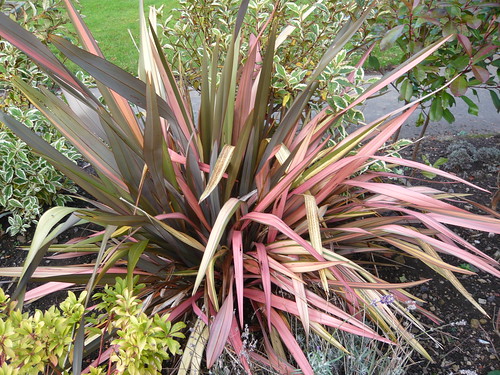
The coloured, sword like leaves of Phormium are not to be sneezed at!
menston 055

If you suffer from Asthma, Hay Fever or Skin Allergies you want to select plants that do not exacerbate your problems.

New Zealand Flax or Phormium works well in a low allergen garden taking several years to flower. The sword shaped leaves are the attraction of this range of plants useful for a focal point in a border, gravel or container.

Phormium can be purchased mail order at amazon.

The species Phormium tenax is quite large growing but some hybrid varieties like ‘Bronze Baby’ will work well in even small gardens. Phormium ‘Purpureum’ is a robust grower but ‘Sundowner’ (below) is smaller and has interesting cream, purple and green striped foliage.

Read More Read More

Hypericum – St John’s Wort, Rose of Sharon, Aaron’s Beard

Hypericum – St John’s Wort, Rose of Sharon, Aaron’s Beard

Make your garden feel a lot better with this cure all….
St Johns Wort

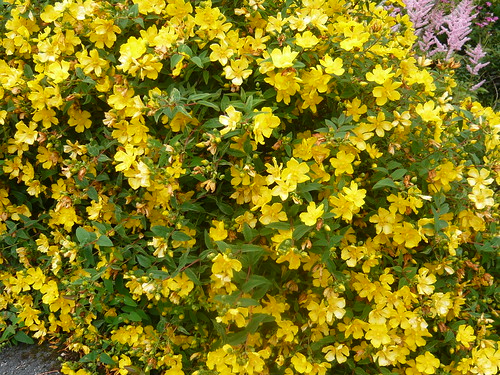
Hypericum is a large family of perennial shrubs with creeping roots. This specimen is three feet tall and attracts lots of insects from mid June. Often called St John’s Wort it is named after St John’s day which is 24th June when it’s flowers are collected for medicinal purposes.

In mild climates the shrub can be evergreen with glossy leaves. With several varieties having an award of garden merit this is a shrub that is well worth growing.

Flowers and Cultivation

  • The single yellow flowers are often quite numerous as on this Hidcote variety. It is also known as the Rose of Sharon.
  • Flower colour varies from pale lemon yellow to an umber or burnt orange-yellow
  • There are 5 petals and a large number of stamen leading to another common name Aaron’s Beard.
  • They flower at the end of branches or stems and create a spicy scent of curry.
  • After the flowers there are fleshy red berries that contain numerous seeds
  • The wild flower can be quite invasive spreading by roots or seeds dropped by birds
  • Prune after flowering. They can stand a hard cut back and may even benefit.
  • Grow the ground cover Hypericum calycinium Briggadoon which can flower July -October

Herbal and Medicinal Uses

Read More Read More

My Main Garden Problems

My Main Garden Problems

hosta-snail damage

Not everything in the garden is lovely. Consider this hosta with snail damage that has ravaged the leaves so that they are just a mass of ribbons and holes. Slugs and snails are a pest at the best of times but this plant was in a wet spot and has suffered accordingly. See our slug and snail tips for help to prevent this in your garden (if you can trust someone who has a plant like this)

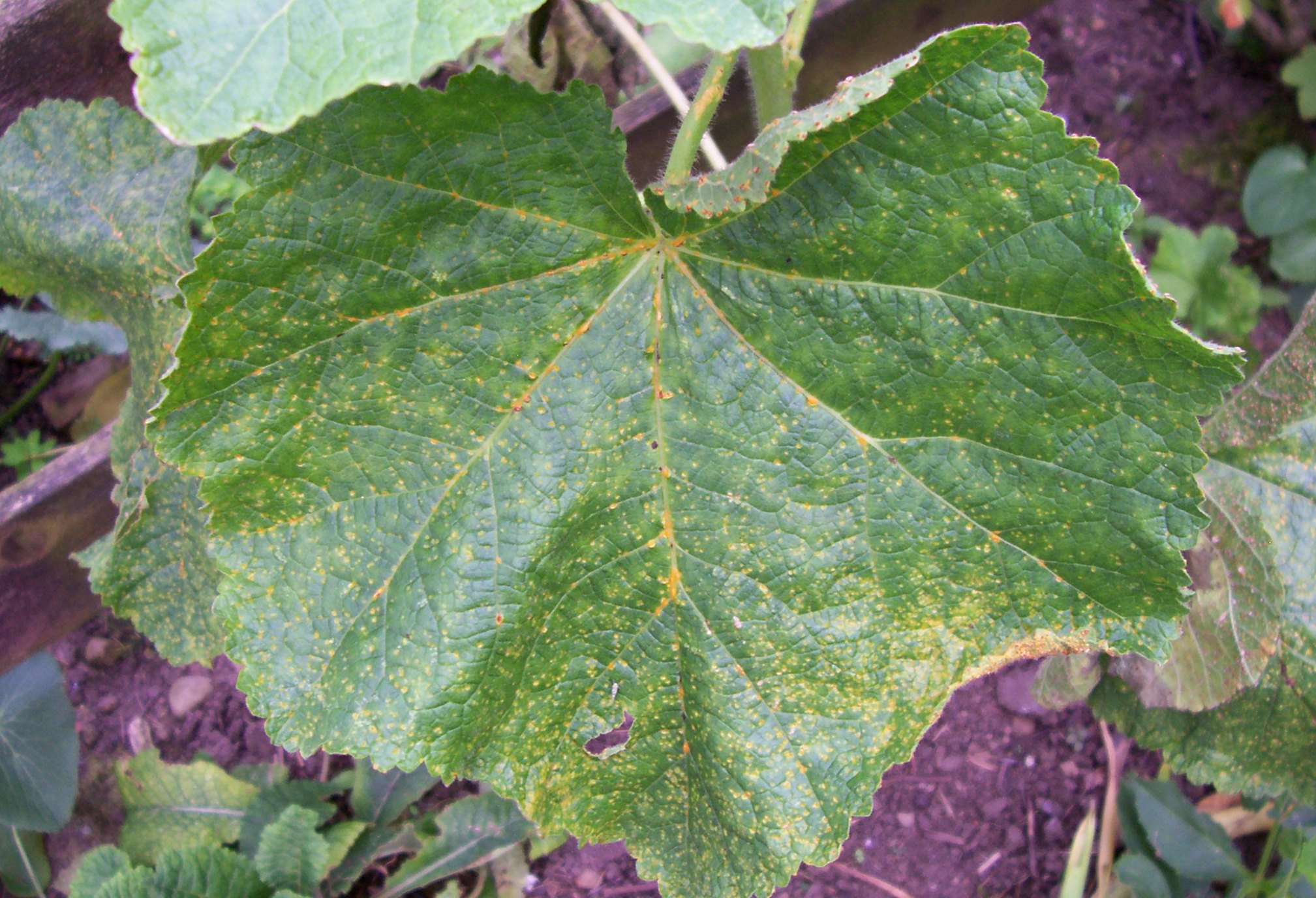
This is a picture of a Holyhock with an early stage of rust. Rust is yellow spots and grains starting on the reverse of the leaf that stop leaves functioning. This is a regular problem with most Holyhocks in our area and is exacerbated by wet conditions. By later on in the season leaves will be falling off and the plant will be in a sorry state. Even plants that are said to be resistant have shown signs of rust the progress of which can be slowed by fungicides.

wind-burn-on-hydreagea

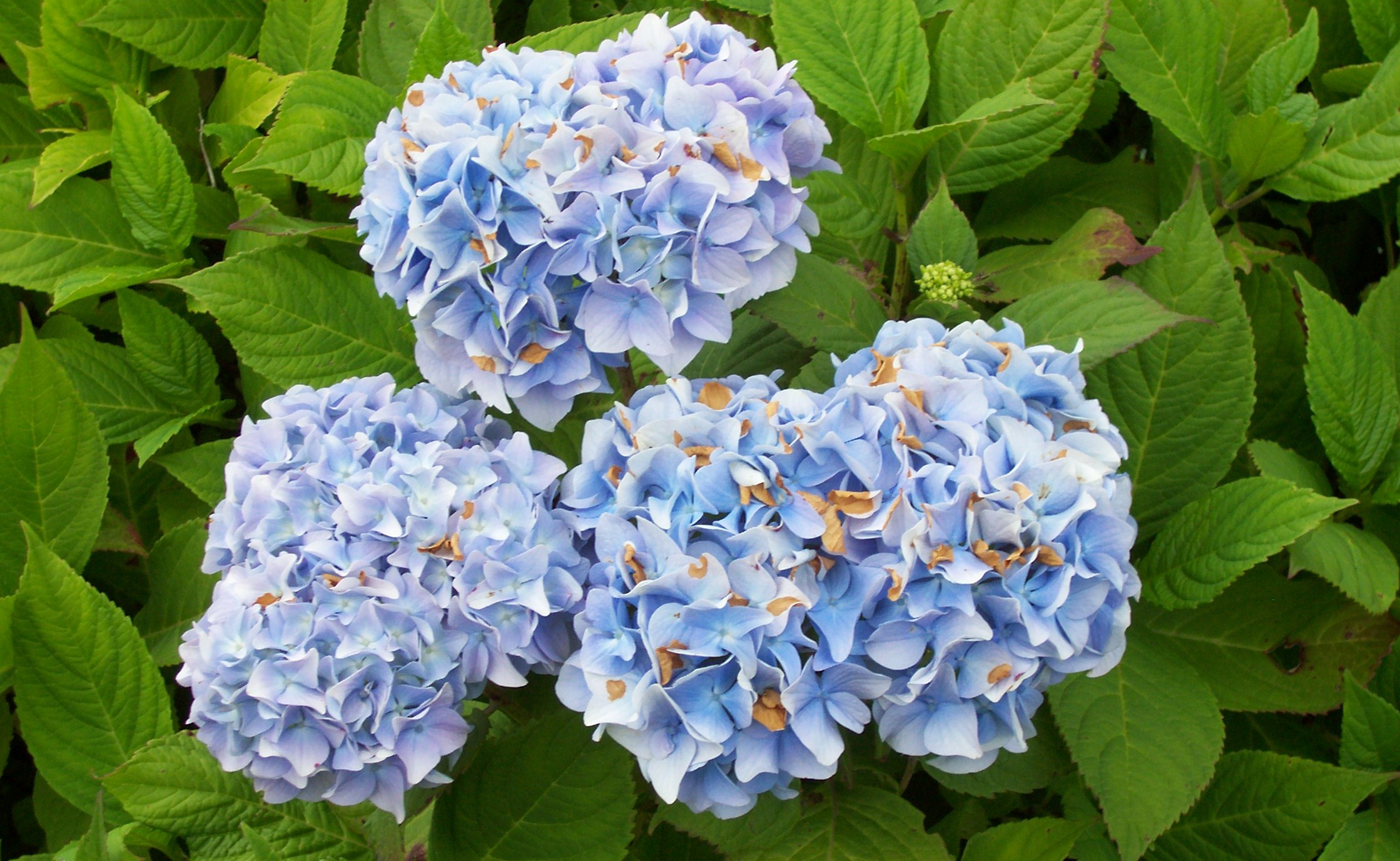
This isn’t frost damage on the Hydrangea so I assume it is wind burn on some of the early opening flower heads. Normally my hydrangeas don’t suffer from pests and problems but very young plants need some protection from slugs.

black-spot on rose tree

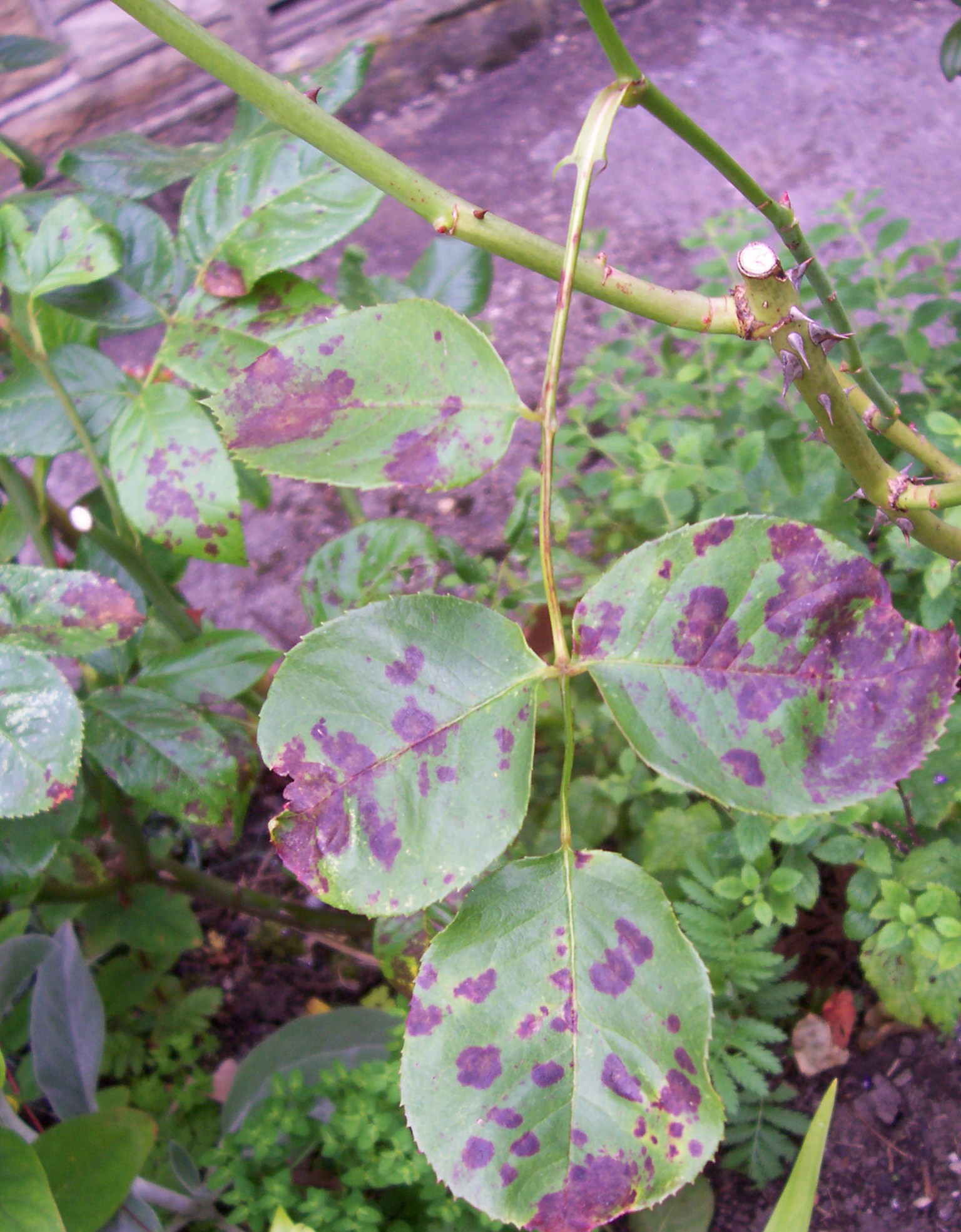
Most of the infected leaves have already denuded this rose tree. The last few spotted leaves will be cut off and burnt. It isn’t safe to compost such infected leaves as the spores will persist and return via the compost when it is spread. The rose will be pruned heavily and given a fungicide treatment now and again in spring in the hope that the problem wont recur. the roses next to this tree are fit and healthy so it is worth looking for resilient varieties when you buy new ones. The cost is normally low enough that I should oust the spotted plant right now.

Confessions of a Gardener

  • My other garden problems are more personal. Laziness and apathy sometimes stop me getting down to some hard graft.
  • Leaving dirty and hard jobs for another day emphasizes that procrastination is the thief of garden produce.
  • Another personal trait is the failure to plan, label or record what I have going on in the garden.
  • I start one job and get distracted or find something more enjoyable to tackle.
  • I plant too close together, weed too late and skimp on the overall tidiness or lack thereof.
Top Tomato Tips

Top Tomato Tips

A good crop of tomatoes is not just an accident. A bit of ‘TLC’ will be repaid

035

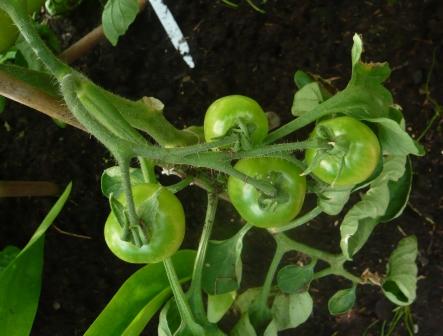
Watering is key to growing a successful Tomato. If a Tomato dries out the skin quickly thickens. If you water inconsistently the skin splits. Irregular watering can stop the uptake of Calcium which causes Blossom-end rot making the bottom of the fruit brown and inedible.

Feeding Tomatoes will increase the yield. All that rapid growth and fruiting takes a lot of nourishment. If you are growing in pots, grow bags or containers all the nourishment is provided by you. Provide a high potash feed weekly, increasing the frequency the larger the plant gets in July and August. If the leaves start to look pale, discoloured or yellow it hints at feeding deficiency.
To encourage more roots plant part of the stem as roots will spring from the buried stem.

Training your Tomato up a cane or string with regular ties to support the weight of fruit. 

Read More Read More

Spare a Thought for Hedgehogs

Spare a Thought for Hedgehogs

Hedgehogs Erinaceus europaeus are good for gardens, eating through a large volume of slugs. They deserve some help to preserve hedgehog family life otherwise they will fall into further decline. However they are not domestic pets and like to be able to roam in several gardens each night.

Book Cover

Hedgehog Diet

  • Beetles 28% are a major part of hedgehog food
  • Caterpillars and beetles make up more than half of the food they eat
  • Earthworms are about 17% of the average hedgehog diet
  • Other items in smaller quantities include slugs, snails, birds eggs, millipedes, earwigs, and even birds or small mammals dead or alive.

Heaven For Hedgehogs
Make your garden Hedgehog friendly with a wild area from piles of leaves and twigs to be used for shelter.
Keep ponds topped up and ensure Hedgehogs can climb in  or fall.
A specially made hedgehog home (eg.from a box on its side) would include nesting facility in summer and a space to hibernate in winter.
Hedgehogs need to be able to travel in and out of the garden (even if that means they risk crossing roads).
Meat based pet food and fresh water in summer are a help to a hedgehog family.

Safety For Hedgehogs
Slug pellets containing metahaldide can kill. Avoid pesticides.
Bonfires should be checked for hedgehog nests before burning
Take extra care using strimmers on rough brash.
Keep netting at least 12″ above ground so hedgehogs can get under without getting trapped.
Look out for hedgehogs when turning or forking a compost pile.


The British Hedgehog Preservation Society is organising Hedgehog Awareness Week which this year runs from 5th 11th May 2013.

Control of Pests on Apples & Pears

Control of Pests on Apples & Pears

‘Understand the pest and you are part way to controlling the problem.’

Brown Rot
This rot is often associated with storage when a fungus permeates the fruit. Fruit on the tree can be mummified and this prolongs the life of the fungus. There are no effective organic sprays so rely on good cultural management. Take care picking and storing fruit.

The rot starts through wounds caused by birds, wasps and scab. At blossom time the fungus causes wilt and shoots to shrivel. Remove all rotting fruit and bury rather than compost. Prune and burn branches killed by wilt.


Aphids
Of the many species the green or rosy apple aphids and the woolly aphids plus the pear-bedstraw aphid can be very troublesome. Aphids mate in Autumn leaving eggs to over winter on spurs crevices and tips. Heavily infested shoot tips and flower cluster should be cut out and destroyed. Encourage beneficial insects like earwigs and ladybirds.

Read More Read More