Browsed by
Category: Environment & Green Gardening

Tips for ecologically friendly gardeners and gardens that green and protect the environment.

Healing Plants and Treatments

Healing Plants and Treatments

Book Cover

 There are many plants and ways of using them to boost your health and help with healing. Herbalists since the 17th century like Nicholas Culpeper have recorded some of the best garden plants for healing.

Treatment Methods

  • Eating herbs and plants both raw and cooked is so natural we sometimes do not think about foods healing properties.
  • ‘Decoctions’ are created by boiling a plant whilst ‘Infusions’ or ‘Teas’ have water poured on them and brewed. A ‘Syrup’ is one of the former that has had sugar added and reduced to a syrup.
  • ‘Oils’ are produced when herbs are infused in vegetable oil and a small amount of vinegar.’ Tinctures’ are extracts preserved in alcohol.
  • ‘Cold Compresses’ are used externally and ‘Poultices’ are commonly applied warm or hot.
  • ‘Ointments’ are either mixed with petroleum jelly or the term can apply to the sap of plants used directly.

10 Top Treatments

  • Aloe Vera often called the first aid plant. Use the sap for minor cuts, bruises and burns applied  directly on to the wound.
  • Chew a Parsley leaf as a breath freshener.
  • Calendula or Pot Marigold flowers can be infused and used for dry skin or internally as a digestive aid
  • Lavender for scenting linen, making sleep pillows or just sprinkling in a bath.
  • Sempervivum sap can take the sting out of insect bites and Dock leaves from nettle stings.
  • Rosemary or Camomile teas are used as a hair rinse to make your hair shine
  • Thyme or Verbascum leaves infused as a tea becomes a treatment for sore throats
  • A handful of fresh herb leaves including Bay dropped into a bath can stimulate the senses. You can use the leaves to make bouquet garni for cooking.
  • Onion as a soup especially with sage is great for treating coughs and colds.

Book Cover
Book Cover

The Healing Garden Eden Project by Sue Minter

Grow Your Own Pharmacy by Linda Gray

Grow Your Own Drugs by James Wong

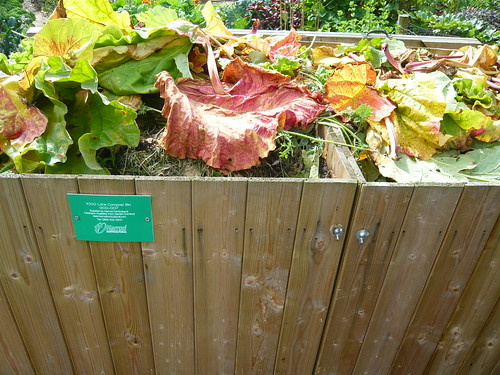
Materials for a Compost Heap

Materials for a Compost Heap

Lots of materials are suitable for a compost heap. Pile in a mix of green and brown organic materials to help them heat up, when biological activity will then be at the highest.
Organic material includes plants and most items that have been growing. Avoid droppings from carnivores such as dogs but other manures are fine.
Type of Material

Ashes from untreated wood potash – use small amounts, it can make the pile too alkaline
Bird & Chicken droppings are high in nitrogen, beware seeds.
Cardboard and manila envelopes tear or shred and dampen
Bio-activator applied as a liquid or activator like Garrotta
Coffee grounds tea bags and filters

Read More Read More

Simple Compost

Simple Compost

I promised a simple approach to thinking about your compost.  Compostable materials are either Green or Brown and you need a good mix of both. If you want the full scientific monte then you need a book.
Green Compostables include grass clippings, tea bags, old flowers, nettles, weeds, comfrey or rhubarb leaves, pond algae, spent bedding plants, rotting fruit and vegetable peelings – these provide the nitrogen and bacteria to generate heat.

Brown Compostables include twigs, prunings, leaves, straw, cardboard, straw, wool, feathers, shredded paper, wood ashes, vacum bag contents, pine needles and egg shells and provide substance in the form of carbon and mixed chemistry.

Good compost is made from a mixture of  some or all of these components with air, moisture, heat and bacteria. Too much green and it will be a smelly, slimy mess. Too much brown and it will remain uncomposted as twigs and ants. Mix up your heap with browns and greens, add some garden soil with worms to help bacteria if you wish. If the heap is dry, water the browns if it is soggy and green add some paper or cardboard.

Book Cover
A scientific approach to creating good compost with good photographs can be found in this book.

Or a simpler organic view in this book.
Book Cover

Animal Manure

Rotted manure from grass eating and vegetarian animals probably contains more fertiliser than compost. Dog and fox feces should not be spread on the garden or put in the compost bin.

Beetles that Help Gardeners

Beetles that Help Gardeners

Beetles that are soil dwelling can be good friends to the gardener. Rove beetles stahylinids and ground beetles or carabids are both useful. In adult and larvae form they eat insects, slugs and other invertabrates.

Ground Beetles

  • As predators of invertebrates and many pests these black or brown beetles are considered beneficial.
  • Most feed at ground level but some will climb to eat aphids.
  • Carabus is a larger carabid and will feed on slugs, leather jackets and cutworms. (Mmmm juicy)
  • The caterpillar hunters Calosoma are famous for their habit of devouring insect larvae and pupae in quantity.
  • A few beetle species are herbivorous pests like Zabrus.
  • Poecilus cupreus is shiny black with long legs and powerful jaws.
  • One for the goulish kids, many ground beetles eat by vomiting on their prey and waiting for their digestive enzymes to make their food more fluid and easier to eat.

Rove Beetles

  • Devils coach horse or Staphylinus olens is one of the larger rove beetle at up to 30mm. It is often found under pots or rotting logs.

Read More Read More

Japanese Garden at Giggle Alley Eskdale

Japanese Garden at Giggle Alley Eskdale

Japanese Garden

Features to Expect in a Japanese Garden

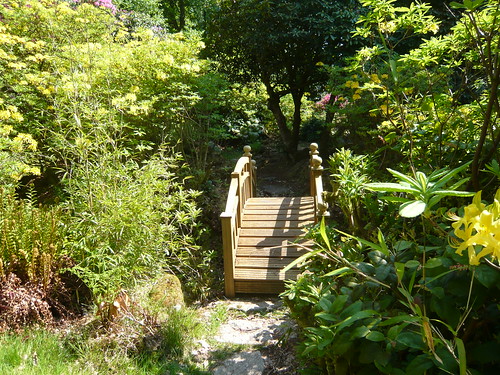
  • In Giggle Alley there are winding pathways, stone steps, rockeries and pools of water.
  • The Japanese style bridge over a gurgling stream is pictured below.
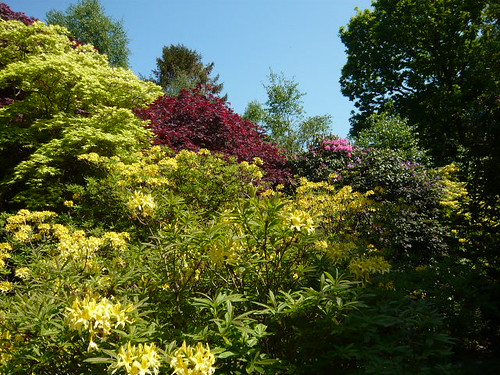
  • The planting includes excellent Maples and colourful leaf combinations.
  • Azaleas waft scent around the glades and provide further colour and a sense of harmony.
  • A venerable old Magnolia looks half dead but is flowering at the top of several 20′ high branches.

Giggle Alley Design

  • Designed in 1914 and left to become overgrown since 1949, the garden at Eskdale is currently being renovated.
  • The Forestry Commission created a Design Plan for the Japanese garden 2006-2011 see it on this pdf. You can contribute ideas and comments to the next plan and phase of renovation.
  • This Japanese Garden, in Giggle Alley forest, was the jewel in architect James Rea’s horticultural crown.
  • There are thickets of bamboo, a stunning display of Japanese maples and the heady scent of azaleas in the spring.
  • The whole forest is open to the public.

Japanese Garden

Wild Life in Giggle Alley

Read More Read More

Climate Change and Garden Insects

Climate Change and Garden Insects

Moth

One thing is sure the climate in your garden will change. You already know one week will be different to the next and I can’t remember when two months or any years were the identical to others. In many areas you can get 3 or 4 seasons in one day (or in Scotland one hour!).

Another thing to be sure about is the ‘law of unintended consequences’ or we might not get the effects we expect and plan for.

The march of insects, predators and undesirables.

Changing climate does not bring more alien species but it can make our environment more welcoming for them when they do arrive. Recent arrivals include but are not limited too:

  • Lily beetle the bright red insect devouring my lily bulbs as we read
  • The Harlequin ladybird still a pleasant curiosity but rapidly out eating or native species with its voracious appetite.

    Read More Read More

Ecological & Organic Pest Control

Ecological & Organic Pest Control

ladybird

Biological warfare is both a modern and old fashioned method of control for garden pests. Encouraging natural predators is part of a gardeners armory to maintain an acceptable level of control but when infestation is bad call in bug busters. This is now available in the form of nematodes or biological controls that are introduced to feed on the actual pest or its larvae.

Slugs

One of the most disliked pests in the garden. There are 4 main species that gardeners love to hate the black slug, keel, field and the common garden slugs. The nematode Phasmarabditis hermaphrodita  is applied from now through summer to seek out and enter the slug with a bacteria which causes the slug to stop feeding and die. Repeat applications may be needed every 6 weeks or so.

Ladybirds

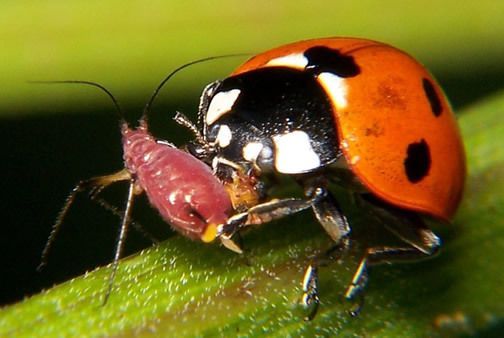
The humble ladybird feeds on Aphids and is a great ecological control beating chemicals hands down. Both adults and larvae eat the aphids and as soon as you see an infestation you can introduce Ladybirds from a supplier via a tube full of the little darlings. Adults are not cheap but larvae can be supplied more economically however cheapest by far is to protect the ones you do have naturally in your garden.

Other Pest Controls

Vine Weevil or (vile weevil) eats its way through healthy roots and can destroy begonias in next to no time. A natural preditor is available called steinernema kraussei. Spidermites in a greenhouse will feed on tomatoes or strawberries spreading viruses. Phytoseiulus breed and eat spidermites but like all nematodes if there is no host food they tend to die out. White fly can be controlled by a parasitic wasp encarsia formosa which lays its eggs into the white fly pupae.

Gardeners Tips

  • Having said all that I am personally unhappy treating one problem with an over supply of another creature. Some damage is inevitable and is to be tolerated. On key plants I may resort to other spray controls.
  • Good clean well tended gardens tend to discourage pests and barriers like nets or fine mesh may be adequate.
  • Traps, sticky tape or hand removal may be more appropriate.
  • Best of all attract beneficial insects with safe habitats and a supply of nectar rich foods

Organic Pest Control
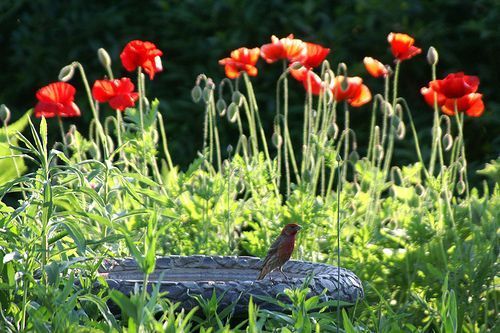
bird-bath

There is an increased interest in controlling pests such as slugs, aphids and caterpillers through natural organic methods. But, which are the most effective?

Hoverfly Pupae. Hoverfly are voracious eaters of aphids. A single hoverfly can eat several hundred aphids. As gardeners we can grow many companion plants which help to attract aphids – e.g. marigolds, poached egg plant. But, sometimes we need to help our hoverfly population get started. Companies can sell hoverfly pupae so that you can introduce them into your garden – and then let them do their best. Hoverfly Pupae at T&M

Beer Traps. You don’t need to buy any expensive equipment, just use an old plastic pot and some cheap beer (maybe landlord will let you have the excess spillage). Then use this beer for filling the plastic pots. Slugs will be attracted by the smell and drown themselves – the most humane method of killing!

Pond and Frogs

Another excellent natural predator of the slug is the common garden frog. If you build a pond then you should be able to attract frogs. Frogs can eat many slugs during the night and save you a lot of slug pellets. A cheap and environmentally friendly way to keep your slugs down

Birds

Birds such as blue tits and Thrushes can much their way through many garden pests such as slugs. Leave water and food to attract the birds into your garden.

Nemotodes for Caterpillars and Slugs

Caterpillars can destroy cabbages and certain plants. If you are lucky you will have an army of birds to eat them. But, this is usually insufficient. However, it is possible to get some nemotodes which when watered into your lawn at the right time will seek out and organically kill the caterpillars. Nemotodes for Caterpillars and Slugs

Related

For more on Ladybirds

Read More Read More

Summer Insects

Summer Insects

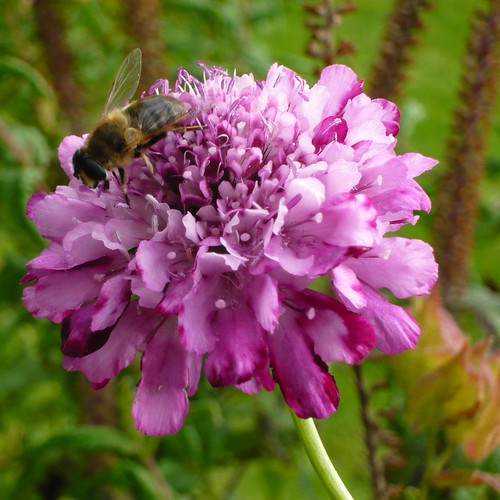
A late start to the gardening season may not deterred insects. Bees and hoverflies are spoilt for choice of nectar rich flowers in the summer months


Summer
My main beef is with the lily beetle. The red insect needs to be caught and squeezed to death as it’s hard shell protects it from most other treatments. The eggs it lays and the grubs that develop are what can devour a nice lily in next to no time.
Moluscus and in particular snails this year are chomping away on the very youngest plants in my garden.

Autumn

Read More Read More

Cardoons Thistle be a good Plant

Cardoons Thistle be a good Plant

artichoke-thistle

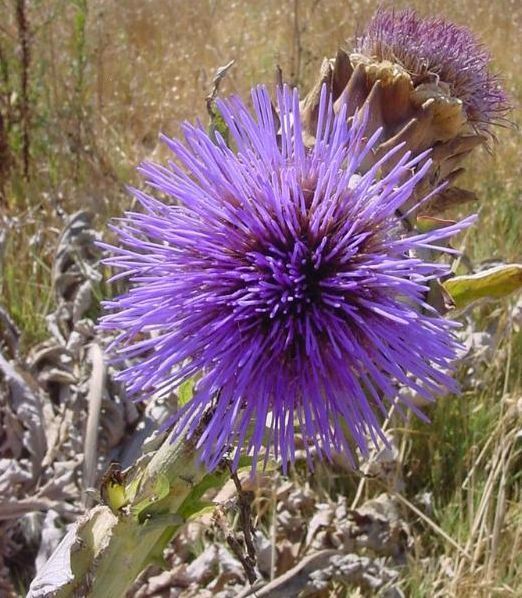
Plants of the thistle family and close relatives are particularly good for wildlife. When in flower they attract Bees and Insects and the fine seeds provide bird food particularly for Goldfinches. In many cases the Thistles can and have provided food and medicine for human consumption.

Cirsium Vulgare and Common Thistle

These plants are hardy and the flowers, leaves, root, seed and stem are all edible. The root is best mixed with other vegetable due to it’s bland taste,  leaves and young flower stems can be removed of prickles, cooked and used as vegetables.  The stem base of the flower buds can be used like the heart of a globe artichoke.  The seeds of milk thistle  have  been used for 2000 years to treat chronic liver disease and protect the liver against toxins.

Cirsium rivulare Atropurpureum is popular with gardeners as it flowers 4-5 feet tall. It has spreading roots and the flower heads should be cut off before being allowed to seed unless you are feeding birds and prepared to weed. ‘Atropurpureum’ is a tall statuesque plant that is perfect for the back of the herbaceous border. It produces elegant, long, leafless stems, each topped with a huge magenta-pink thistle head.

Cardoons

A perennial plant of the Cynara family they are an old favourite. Originally grown as a vegetable and blanched for use rather like celery, the cardoon is now valued for its striking silvery, thistle-like foliage which adds a theatrical touch to the border. In summer, tall flower stems are topped by fat thistle buds which resemble small globe artichokes. The buds open into large purple thistles which attract lots of bees. The dead flower-heads can be left on the plants and will provide an attractive feature over the winter months.

Mistakes Making Compost

Mistakes Making Compost

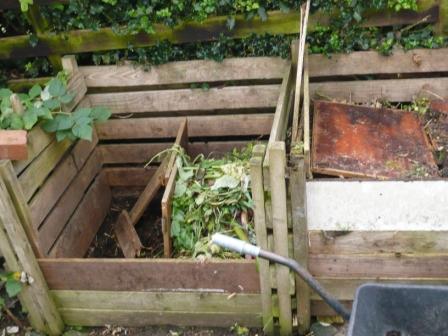
compost bins

Another wet and rainy day and all I can think about is the compost heap (well may be not all).
We all slip up, drop clangers and get it wrong so I thought I would list some of my own compost errors or lash-ups.

Gardening can be like that so I try not to beat myself up when things go wrong. There is always another season and a worse clanger elsewhere.

Soggy Compost Mistakes

  • An over wet compost heap will smell something rotten, really stink and I mean badly.
  • Nutrients will be washed out at the bottom of the heap and lost.
  • The composting process will be slowed almost to a stop.
  • I wish I had covered my heap before all this heavy rain.
  • Good compost needs air so it may help to turn and drain the wet heap.
  • Belatedly I have been putting some torn up newspaper in the heap as roughage and to soak up some excess fluids.
  • Because this time I have built the heap on soil I can reclaim some of the goodness by taking a level of soil when I spread the compost.

Construction Mistakes

  • In the past I have relied on a heap with no sides just a pile. This flattens out and spreads without ever getting to a good heat except perhaps in the center
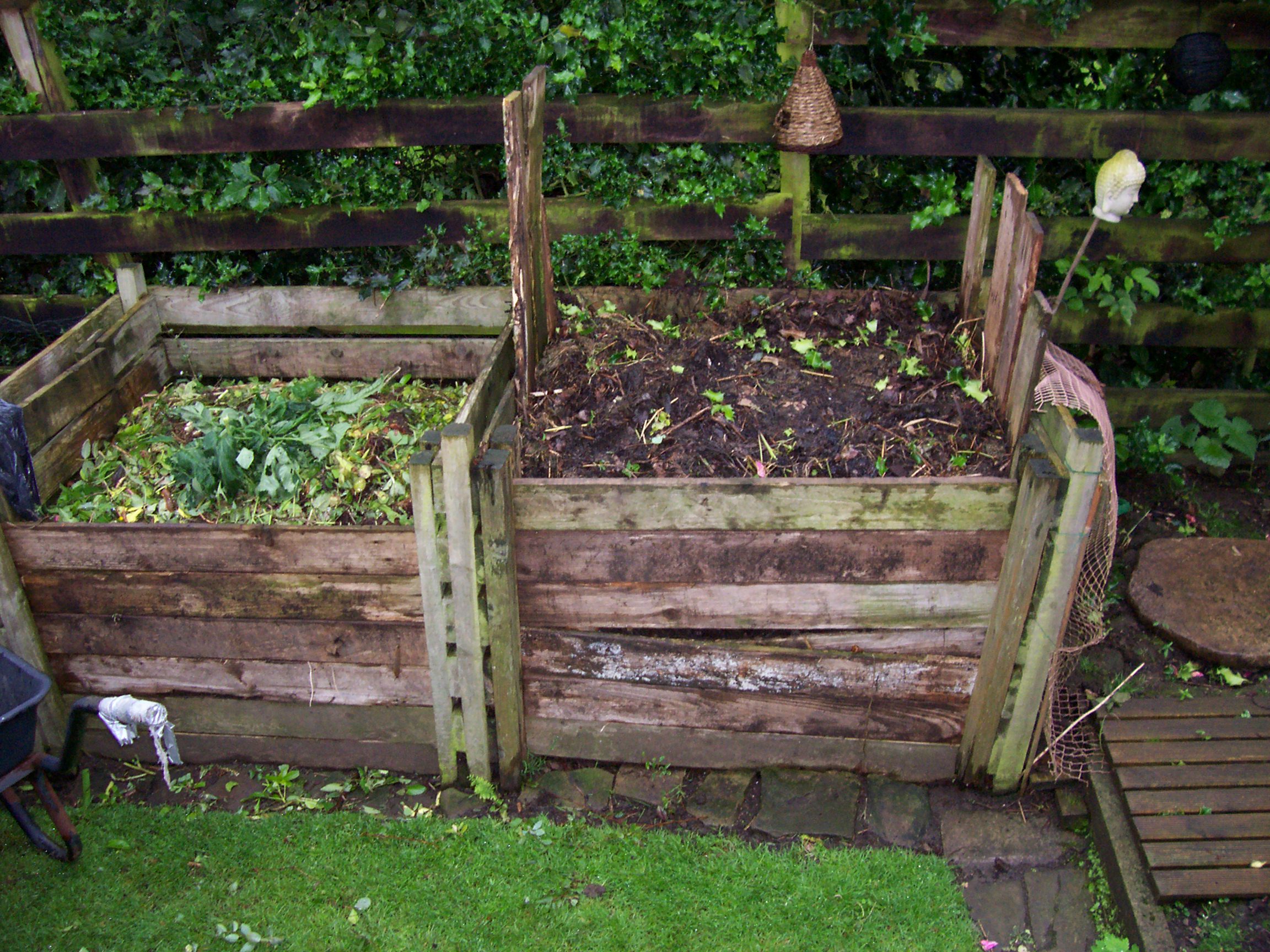
  • As you may see from the picture below some wood has rotted. You need to use tanalised or treated wood to prevent the structure from rotting.
  • A plastic bin where ‘you can draw clean compost from the bottom whilst refilling at the top’ was an unmitigated, uncomposted disaster but I may not have followed the rules
  • For the first time I have two discrete piles. For too many years I made do and mended with one. Now I wish I had three piles – ho hum!
  • Compost heaped on a concrete base is easy to work, turn and collect for spreading.
  • Leave room for your barrow so you can unload and reload comfortably
  • Do not build too near your neighbors kitchen window or cover your own air grates (mistakes I have previously made).

Compost Content Mistakes

  • I do not put meat products on the heap but last winter a family of rats made a nest in the warm pile
  • For several years I did not compost rhubarb leaves as I heard they were toxic. Of course they rot down and are quite safe.
  • Everyone must have tried to compost too much of the same vegetation and I have had too many grass mowings in a dry clump or a wet mess more times than I should mention. I now try to aerate the pile or turn it over regularly.
  • Leaves from trees take longer to rot, contain less nutrients and are better in a leaf pile or punctured plastic bag. Twigs need to be shredded or cut very small.
  • Seeds from weeds and plants including fox gloves and forget-me-nots do not rot they survive
  • After the mistake of too much water do not forget a dry heap will not rot either – you need some damp or add water when very dry.

wet-heap-july

Compost Mistake Elimination

  • Good compost starts with a range of good materials from a mixture of green plants and shredded brown matter.
  • Fungi and creepy crawlies breakdown the material and they need air and moisture to do their best
  • Heat helps kill pathogens and unwanted seed so keep a lid on a good sized pile and insulate the sides.
  • Turn the pile for even rotting as this stops the edges rotting more slowly