Browsed by
Category: Fruit, Vegetables & Herbs

Tips on growing good Fruit, Vegetables and Herbs

Growing Herbs Outdoors – Tips for Better Crops
Growing Herbs Outdoors – Tips for Better Crops

Herbs
Some herbs can be difficult to grow in the open garden but it is worth persisting. Here are some simple tips to help get bigger and better crops together with some perennial herb plants to start you off.

Simple Herb Growing Tips

  • Create a wind break to give plants protection.
  • Mediterranean herbs like Thyme, Oregano & Basil need sunshine and a warm spot.
  • Parsley and leafy crops needs plenty of water.
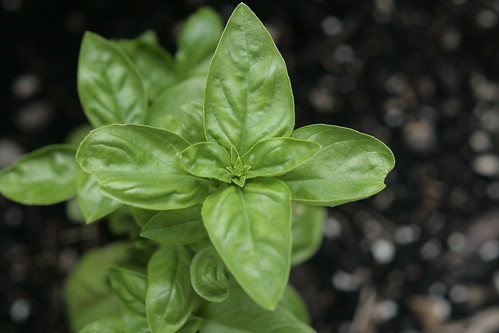
Basil

Grow Better Herb Crops

  • Seedlings bought from a nursery should be hardened off for planting outdoors in a container of open ground.
  • You grow herbs for the flavour so chose strong varieties.
  • Do not let herbs run to seed, crop the growing tips regularly
  • Give herbs adequate space to grow well.
  • Pick the tender shoots not the large lower leaves that are helping the plant to feed.
  • Avoid insect and fungal sprays, you don’t want that rubbish in your mouth!

Perennial Herbs Growing Outdoors

  • Sage cuttings root easily but if soil is mounded over the plant in February the shoots will root and they can be cut off and replanted.
  • Horseradish can be invasive. Plant near a wall and pick all but a couple of roots each winter.
  • Rosemary benefits from being renewed every few years. take cuttings from semi-ripe wood and you will get a constant flow of new plants.
  • Thyme can be grown decoratively amongst your flowering plants.
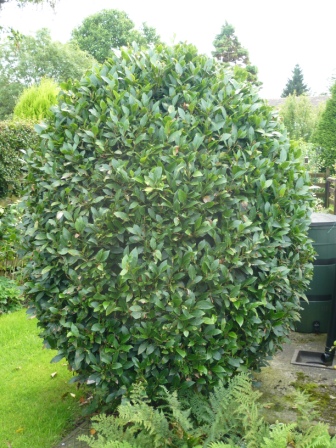
  • Bay is easy to grow and can produce a shrub large enough to be a wind break for more tender herbs
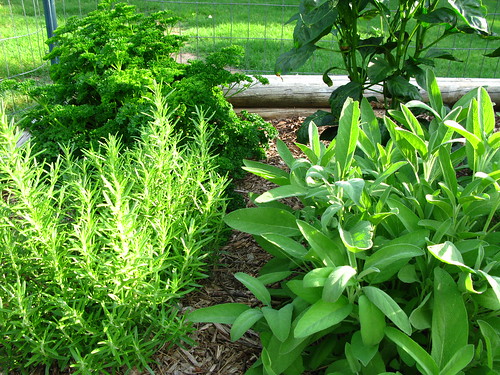
Herb Garden

Herb seeds at Thompson & Morgan

Preserving Herbs

  • Pick leaves of mint, parsley or sage and freeze in ice cubes.
  • Other herbs can be dried in an airing cupboard or microwave then stored.
  • Pour warm wine or cider vinegar or olive oil over lightly crushed herbs. After several weeks remove the herb residue and use the infused liquids.
  • Read Grow Bouquet Garni on Gardeners Tips
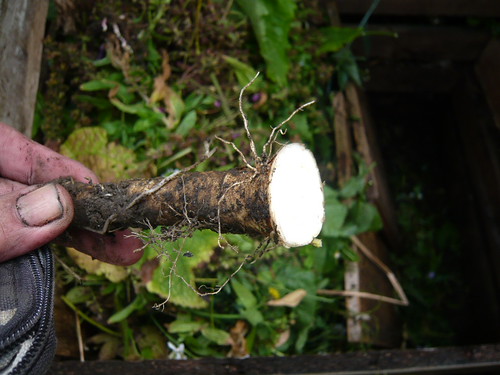
horseradish

Horseradish root is a vegetable but it has such a strong flavour you should treat it like ma herb.
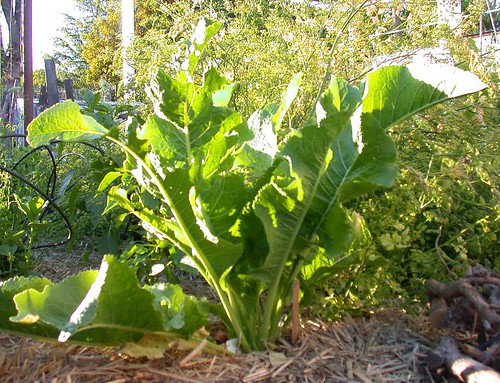
Horseradish-04012009-7967
Credits
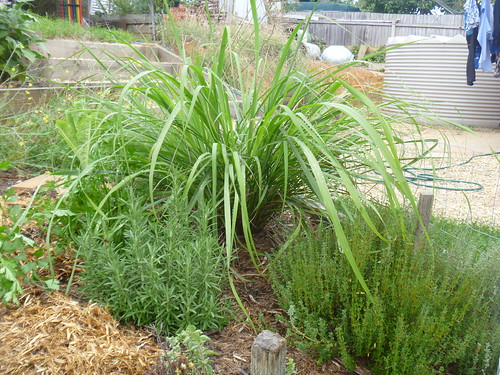
Herbs by KatieTT CC BY-NC-SA 2.0 Dill, Parsley, Rosemary Lemongrass, Thyme and Oregano – see flickr for identification
Basil by cinnachick CC BY-NC-SA 2.0
Herb Garden by OakleyOriginals CC BY 2.0
Horseradish-04012009-7967 by graibeard CC BY 2.0

Book Cover
The Ultimate Book of Herbs: The Definitive A – Z of Herbs and How to Grow and Use Them by Lisa Thomas

Book Cover
Jekka’s Complete Herb Book: In Association with the Royal Horticultural Society by Jekka McVicar
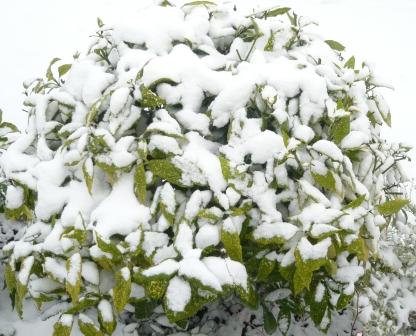
Spotted Laurel and Garlic

Spotted Laurel and Garlic

Waiting for snow? Well get your garlic in the ground anyway.
spotted-laurel

I made a raised bed some months ago so today I planted some garlic cloves  Allium Germidour. The variety was recommended for Northern Europe but to be safe I also started some cloves in pots in the greenhouse. I fed the soil with some Super Phosphate fertiliser at 2 oz to the square yard because in the past I have struggled with Garlic and phosphates are good for roots and bulbs.

  • I have saved some cloves to plant in April near my roses to try deter greenfly.
  • I also planted some garlic in Autumn and I will see which of the 3 methods works best.
  • A bit of cold is Ok but prolonged water-logging is no good for garlic. 2014 may be a bad year unless we get some drying spring and hot summer weather.
How To Grow Giant Parsnips

How To Grow Giant Parsnips

Root out some fresh seed for good parsnips.

Roasted Root Vegetables

Tips on How to Grow Giant Parsnips

Parsnips are one of my favourite vegetables with that hint of sweetness. It has taken some effort to get good crops as I have tended to sow the seed too early. Perhaps I need to take my own tips below more to heart

Home grown Parsnips

  • Sowing can be done in spring from February to May.
  • Parsnip seedlings are very hardy but seeds need some help to germinate. If sown early, cover with a cloche or wait until the soil is a bit warmer.
  • The seed may benefit from a week in the fridge to break dormancy.
  • Parsnip seed needs to be fresh and I have had failures from seed kept for another year.
  • To get unforked well shaped parsnips sow in situ, don’t transplant and avoid stony ground
  • Sow radishes near the parsnip rows so you know where they are but when picking them dust with insecticide powder to discourage celery root fly.
  • I have to tolerate a bit of canker (brown on the top and skin) but there are some resistant varieties

For the allotment or competition grower there are some different tips and tricks or the trade. In his book ‘How to Grow Giant Vegetables’ (ISBN 00-412771-4) Bernard Lavery offers two types of ‘giant’ – Parsnips for Weight and Parsnips for Length. If you want a world record you will be looking for a 15 foot parsnip but you can have fun for your local show using these tips.

Giant Tips or big tips for Giants

Read More Read More

Goodness Gracious Great Cloves of Garlic

Goodness Gracious Great Cloves of Garlic

garlic

Tips for Growing Big Garlic

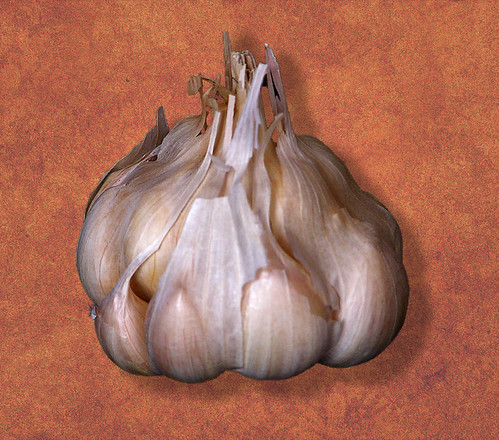
The Garlic plant (Allium Sativum) likes a light soil and a position in full sun. The cloves or offsets should be planted individually. A soil that has been manured for a previous crop is OK. Planted in October it will be ready for lifting in August when the tops go yellow. Planted in march it will be ready in October.

  • To get one big clove of garlic instead of several smaller ones plant the cloves in March. Otherwise plant in October early November.
  • Plant garlic cloves under roses – it helps with the scent of the roses and gives you more space in the vegetable garden.
  • Start off the cloves in 3” pots and plant out on May 6-8” apart
  • Grow the Garlic in a large pot in the sun and give it TLC.
  • Rake in fish blood and bone just before planting and dress with sulphur and nitrogen fertiliser in spring

Artichoke garlic tends to have fewer but larger cloves and a milder flavour. The artichoke garlic bulb skins are coarser than those of silverskins and sometimes have purple blotches

Don’t grow garlic in the same place year on year

Try Elephant garlic (allium ampeloprasum)one of several varieties now available. ‘The plant itself is a splendid addition to any herbaceous border or garden bed, producing a flowering head 5ft tall. Each bulb is approximately 5-6 inches across, harvested in July. Excellent for Roasting – Very impressive and less pungent.http://www.thegarlicfarm.co.uk/garlicabout.asp ’

The French, Italians and good cooks love garlic and it is not a hard vegetable to grow.
Top Tricks to Get Good Garlic

Start with good quality cloves of a variety that is appropriate for your taste and location. Here is our top ten selection.
The outer cloves give the best new plants. Use the inner cloves for cooking.
Keep Garlic plants well watered, it is a misconception that they like it hot and dry.
Add Sulphate of potash to encourage root (bulb) growth rather than fertilising for more leaves.
For big bulbs with a mild flavour try some Elephant Garlic.

Planting to Grow Great Garlic

Read More Read More

Bean Types to Grow in the UK

Bean Types to Grow in the UK

Human beans do not come in a can or seed packet but lots of species and varieties of beans do.
Mung moth and even peanuts are types of bean but stick to the good old British favourites below

  1. Broad Beans are ready to pick from early sowings in March. These flowers on the later sowing of Witkiem Manita variety will soon be podding up and be ready to pick. Acquadulche takes some beating with Express for those who plant late.
  2. Runner Beans are now 4 -5 feet up the support canes and the lower flower trusses are in bloom. Roll on the first picking which I hope to collect whilst they are small and tender. This summer I have not yet needed to water the ‘Runners’ but if we have a dry August it will be water that keeps them cropping. White Lady can be a good doer as are Lady Di, Desiree and White Lady. Painted lady is an heirloom variety worth a shot.
  3. Read More Read More

Young Broad Beans Make a Salad

Young Broad Beans Make a Salad

Our family have a saying that ‘broad beans make a salad’. We like the young tender beans raw in salads even more than we like them cooked.

Spring is a good time to plant broad beans and young plants are appearing at retailers so try some now. These stubby 2-3″ high plants can be planted out in rows or blocks for an early crop. It is still a good time to sow beans for continuity and they will even catch up many of the plants.

  • The trick with broad beans is to pick them and eat them young. By the time the part of the bean attaching it to the pod goes black the bean is old, the sugar has gone starchy and the bean is chewy and the kids won’t want to eat them.
  • Pick them whilst the bean is still growing and they will be sweet and tender with soft skins.
  • Read More Read More

Elephant Garlic 10 Tips

Elephant Garlic 10 Tips

A Mediterranean diet is allegedly good for us so eat more tomatoes and garlic.

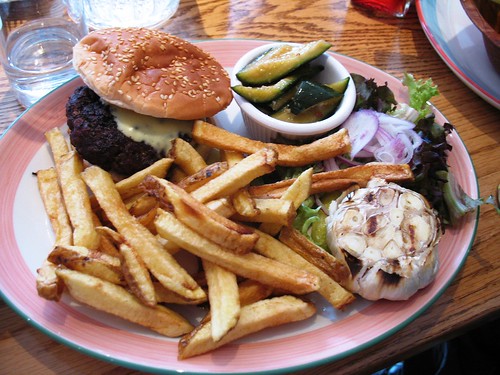
Elephant garlic is an allium but not a true garlic. It is technically a stem leek which produces massive bulbs approximately 4 inches in diameter. The cloves are also much larger than conventional garlic with a milder taste making it suitable for a wide choice of culinary uses, especially roasting.

Top 10 Tips

  1. Suitable for Spring or Autumn planting I am starting mine off in February but I could wait as late as May.
  2. Cover the individual cloves with one to one and half inches of soil over the top of the clove.
  3. Give each plant space to grow, 6 inches plus.
  4. Garlic responds to well dug soil with adequate amounts of phosphate and potash.
  5. Sulphate of potash will help protect against rust disease the main problem with garlics.
  6. Never let the plants run dry until a couple of weeks before harvest.
  7. As harvest approaches lift the head with their green leaves.
  8. Hang is a warm dry area with all the leaves attached until there is no moisture in the necks.
  9. Store in a warm, dry place, a cool place will encourage the cloves to sprout.
  10. The curly flower stalks also called scapes should be removed to concentrate growth into the bulb. The flower arrangers may have different ideas.


‘Elephant garlic sprouts small bulbils on the cloves or on the leaf bases, usually at least three per head. If these become detached from the parent bulb and left in situ they develop into rounds. If, however, bulbils form at the leaf tips it is not elephant garlic, but Babington’s Leek, which some growers mistakenly offer as elephant. According to the National Vegetable Society
The best crop will be produced on light, friable, well drained soil in full sun.
When planting ordinary garlic plant only the outer cloves from each head. Those cloves, that is, with one rounded and one flat side, the inner cloves, which are square or triangular in section, should be used in the kitchen.’

Roast Garlic

To buy a selection of Garlic at Thompson & Morgan click here.
For more read Tricks to get great garlic

Growing Broccoli all through the Year

Growing Broccoli all through the Year

A versatile vegetable from the brassica family.


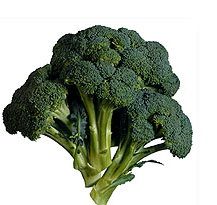
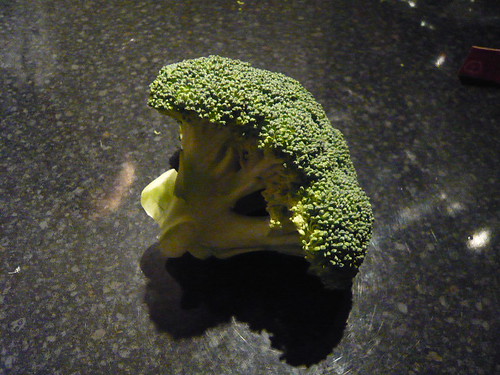
There are many vegetables that have long seasons but you can be eating home grown broccoli every month of the year. There are the range of sprouting types and the heading Romanesco and Calabrese types. Most varieties take 5-6 weeks to reach maturity. If you have an allotment then you could try some of these varieties from seed:

  • Summer purple sprouting matures between June and October
  • Rudolph is an early sprouting ready to pick in January-February
  • Red Admiral is a vigorous F1 for February March and Red arrow lasts until April
  • The heirloom Late Sprouting produces small sweet heads through until July. Keep picking
  • Tendergreen is worth a mention purely for the high level of vitamin C
  • There is a perennial ‘Nine Star’ that can be picked regularly for years but do not let it set seed.

Broccoli has vitamin A, C and D in varying proportions and is currently thought to help protect against the onset of some cancers.

Broccoli

T&M Seed Advice

Sow sprouting broccoli seeds in a well-prepared seed bed from March to June at a depth of 13mm (½”) and spaced 30cm (12″) apart. Transplant to their final positions around 5 weeks later when the seedlings have four or five leaves.

When growing purple sprouting broccoli, choose a sheltered position in firm, rich fertile, well drained soil in full sun. Prepare the soil in early spring by adding plenty of well rotted farmyard manure to the soil to improve its structure and fertility. Plant purple sprouting broccoli deeply for stability at a distance of 60cm (24″) apart, and cover with a protective netting or fleece to prevent attack from birds and insects. Water the plants thoroughly after planting.

Decorative Herbs for The Garden

Decorative Herbs for The Garden

Bay – Laurus nobilis

A culinary evergreen shrub used by French chefs with parsley and thyme as bouquet garni. The aromatic leaves can be used fresh or dried. The shrub is slow growing when young but it can form a significant bush over time.

  • To grow a standard bay, start with as straight a stem as possible. As the plant grows, remove all lower side shoots, but keep the top side-shoots. When the tree is 8-10 inches higher than the final height cut back the growing tip. Clip back all the remaining side shoots to about 3 leaves then trim as needed to get a ball on a stick shape.

Read More Read More

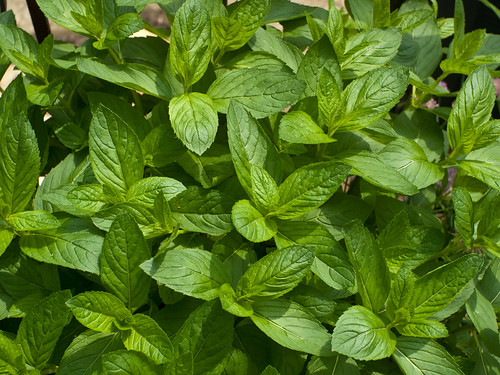
Tips for Growing Mint

Tips for Growing Mint

Mint is a flavour-some herb. Growing good leafy plants is easy, too easy when it tries to take over.

Mint is perennial and clumps up or spreads quickly so a good tip is to constrain the roots in an old bottomless bucket. Mint likes fertile ground and the roots will travel in search of better conditions. Large clumps can be cut back in autumn, on one side encouraging growth then next year on the other side so the plant is encouraged back.

Oberlin Summer - Mint

Mint Cultivation and Growing Tips

  • Mints grow in shade, partial sun and full sun although they prefer cool, damp, shady locations. They like poor and stoney soil.
  • Mint’s strong scent wards off insects and can be quite effective if planted with cabbage and tomatoes.
  • Mint attracts few pests or disease and doesn’t need fertilizer. If you get brown spot on the leaves destroy the plant.
  • Mint has the best flavor if trimmed every two or three weeks.
  • Use the newest young leaves for the kitchen.
  • Pot up some mint into a pot and grow in doors.

Read More Read More