Browsed by
Category: Flowers and Plants

Annual, perennial and interesting flowers with advice on culture, information, tips and recommended varieties

Growing Cornflower from Seeds
Growing Cornflower from Seeds

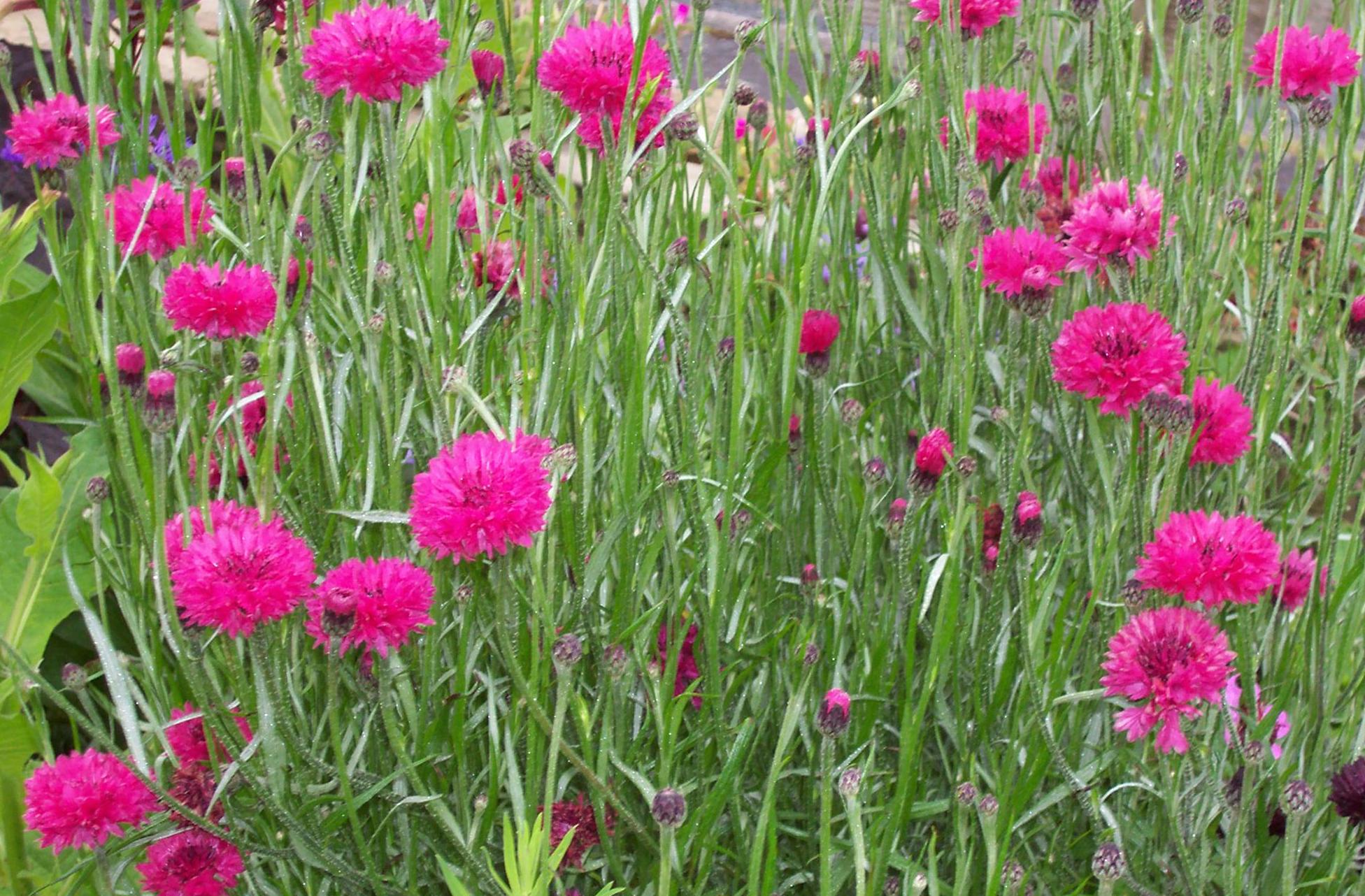
These pink cornflowers are two feet tall. In a vase cut 12 inches long they last 6 or 7 days and are attractive on there own or with simple foliage. They were bought from Wallis seeds and sown broadcast in late spring.

I didn’t even bother thinning the plants out and they are robust and full of bud and flower, one of the successes of this slow summer so far.

Seeds for Next Year

  • New catalogues have started arriving so I have started to list a few plants I have seen around that I want to try growing next for year.
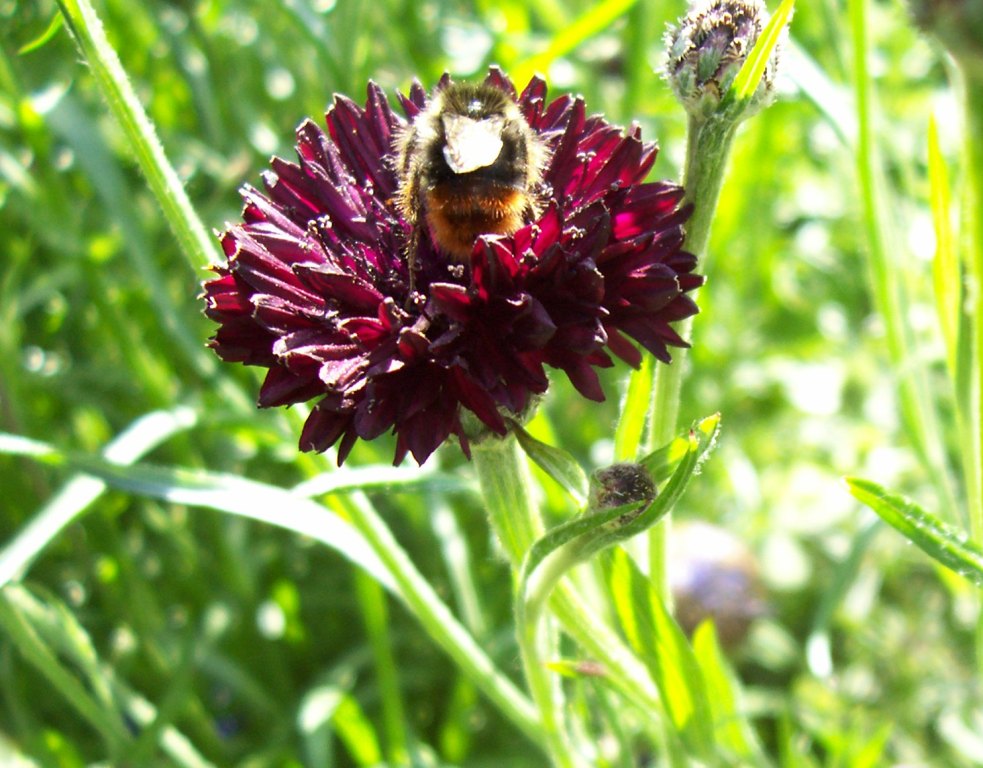
  • Cornflower are available in more than the powder blue of the fields. There are Pink, Red, White, Black and Blue in packets from 50p up to 25gms for less than £2.50 which will equate to a heck of a lot of flower power.
Read More Read More

Perfect Penstemon Growing

Perfect Penstemon Growing

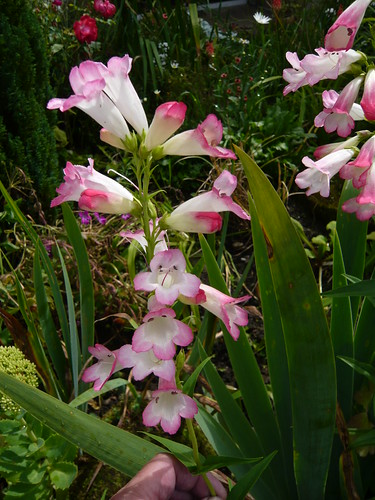
Penstemon is also known as ‘the beard tongue’ and belongs to the family Scrophulariaceae, which contains over a hundred genera including Antirrhinum and Foxgloves. So it is no surprise that the tubular flowers spiral round each stem.
Penstemon are reliable perennials with fibrous roots that do not stray. They are relatively trouble free and resistant to slugs and other garden pests. Keep growing young plants to increase your stock.

Perfect Penstemon Growing

  • Penstemon flower for six months from May to November in a wide range of colours. Reds and pinks are my favourite but purples, blues and white come a close second.
  • They hate cold, wet feet in winter and will die as a result
  • Penstemon mixed hybrids make good cut flowers. Briefly expose the cut end to a flame,   harvest in the morning and condition the stems by soaking them for several hours in warm water
  • Penstemon are happy as bedders in borders, pots and containers in sun or part shade in virtually any well-drained soil. There are varieties for most situations.
  • Border types Penstemons  are more satisfactory when grown in masses rather than individually
  • Penstemon is a good Bee plant attracting pollinating insects into the garden .
  • Dead head regularly by removing the whole flower spike.
  • Top Tip – In the spring when all danger of frosts have passed cut back the old foliage down to the new green shoots. Penstemons can become woody and leggy if they are not pruned annually
  • As plants are not very long lived propagate from cuttings in September (or May) by plunging into gritty soil or compost see Mixed Penstemon

Book Cover

Read More Read More

Floribunda Roses

Floribunda Roses

Tips Growing Floribunda

  • The term ‘floribunda’ meaning large clusters of flowers has been taken over by rose trees with these floral characteristics.
  • The flowers are usually borne over long periods and are more tolerant than Hybrid Tea roses from which they were crossed with polyantha varieties.
  • When planting prune the roots back to 8 or 10 inches.  It encourages new root growth of the fibrous kind that do the feeding and watering.
  • Prune floribunda roses to a bush shape rather than hard as you would an HT rose. New growth will never be stronger than the stem it grows from so prune out weak stems that are over a year old.
  • With over 20 buds to open on this tree in October this rose has earnt it’s keep this year.

Read More Read More

Good Value Rockery Tips

Good Value Rockery Tips

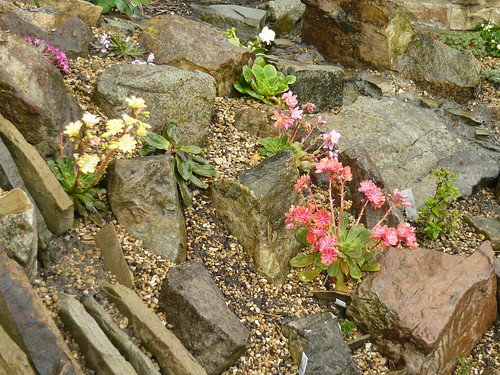
Rawdon Alpine Rockery

Save Money on Your Rockery

  • Less is more so have fewer, quality plants that you maintain to high standards.
  • Scavenge rocks from tips and waste land. Don’t take them from walls or important natural habitats. Each rock will be like treasure trove with many memories attached.
  • Make your rockery small, very small or minute. you can get a rockery in a 12″ plant pot with small rocks squeezed in on their edges.
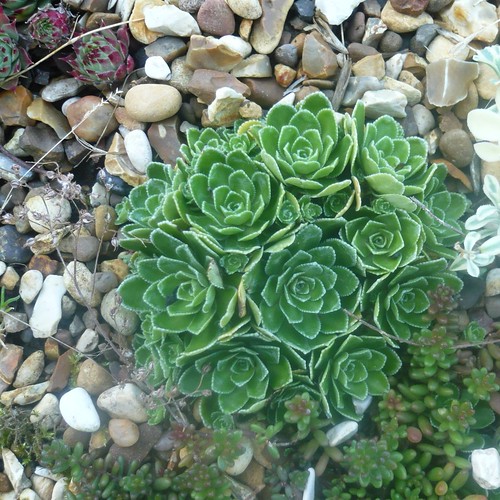
  • House leeks, Sedums and other succulents throw off new plantlets very easily and they bulk up quickly so you don’t need too many plants.
  • Pinch bits from around your own garden.
  • Beg cuttings or ‘off-sets’ from your family, friends or foes.

Rockery
See also Rock Gardens in Miniature

Liatris for Cut Flowers and Butterfly Food

Liatris for Cut Flowers and Butterfly Food

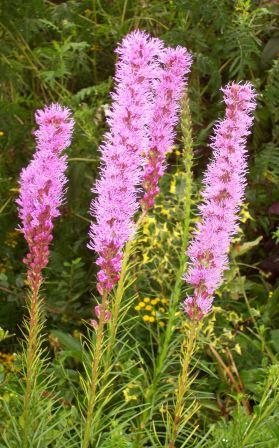
Also grown under the name Gay Feather or Blazing Star. The spikes may look like feathers but are a quite robust 1-2 feet tall. They flower blue, purple or white. I prefer a compact form like Kobold which requires no staking.

Liatris 2

Gardenerstips on Liatris spicata

  • Liatris are long lasting, excellent border and cut flowers
  • Liatris scaricosa, spitica , aspera and punctata are some of the species to consider.
  • Plant 4-6 inches apart in clumps of at least 10 bulbs for maximum impact. These were planted singly and are just bulking up.
  • The soil must be well drained over winter to stop the bulbs from rotting.
  • Fully frost hardy
  • Full sun to part shade Liatris species are used as food plants by butterfly and are magnets for insects particularly in late summer.
  • Good for cut flowers and drying
  • As a general rule divide a plant furthest away from its bloom time. So I would divide Liatris in spring.

Liatris

Propagation from Seed
Sow February to July in trays, pots, etc of good seed compost in a propagator or warm place to maintain an optimum temperature of 70-75F (20-25C). Sow in well drained compost, just covering the seed with compost. Reduce the soil temperature at night during germination.
Liatris

Sweet Potatoes on Trial

Sweet Potatoes on Trial

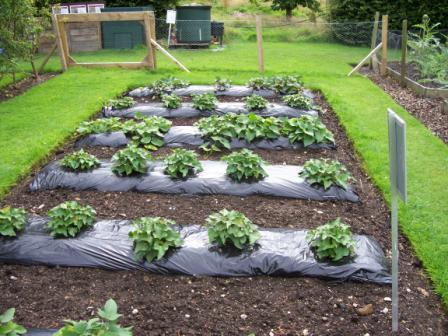
 	Sweet-potato-rhs-trial at Harlow Carr

The RHS have trialled several varieties of Sweet Potato. They picked a wet, sunless season so far but as the plants will be harvested during October (they need a long time in the ground) there is time for a good spurt of hot weather (I am an ever hopeful optimistic gardener).

Normally these plants are difficult to grow successfully in Britain but for those who are a bit adventurous you may want to try this crop next year. If so follow the results of the RHS trials.

Read More Read More

Growing Asparagus in UK

Growing Asparagus in UK

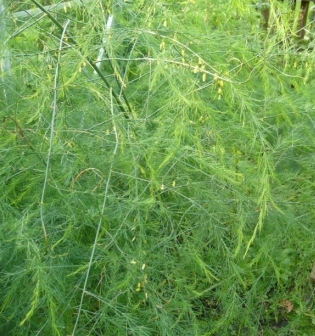
American culture and British cultivation ideas conflict over Asparagus. I will follow the British method of cutting the old ferns in Autumn to about 5cm and mulching. In America, in anticipation of heavy snows, they leave the ferns to protect the plant crowns. My bed will be in its third winter and next spring will see my first crop.

I planted Asparagus varieties Dariana and Gijnlim in a new bed prepared for the purpose.

Read More Read More

Verbascum Banana Custard and Other Mullien

Verbascum Banana Custard and Other Mullien

Verbascum banana custaard

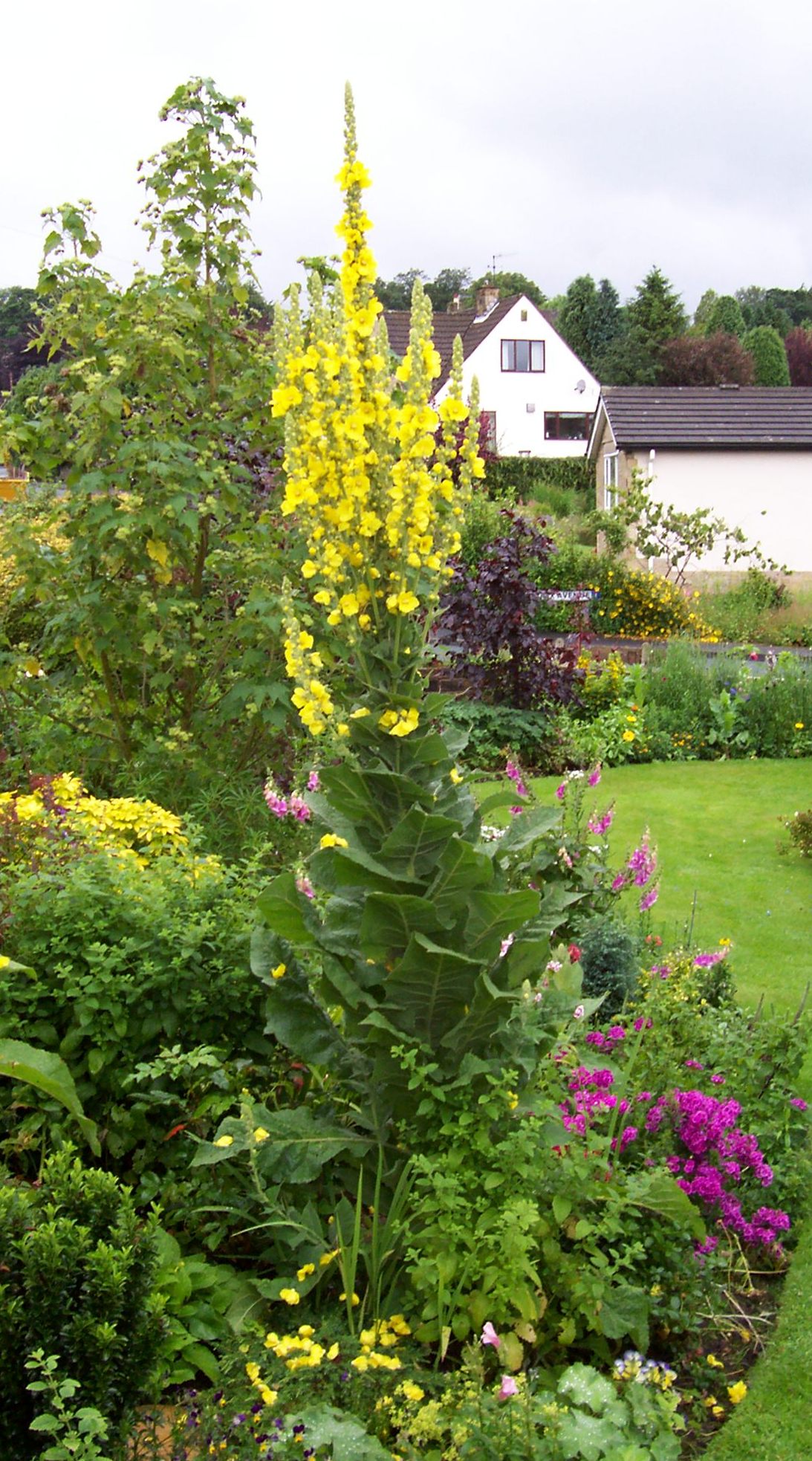
This nine foot high perennial plant has a striking spire of yellow flowers. This variety has several smaller spikes in this case an impressive fourteen at the last count and still growing. This is a Verbascum hybrida and I also have a white which is less robust but still stately.

  • The leaves are hairy and can cause skin irritation
  • In the wild ‘Mulliens’ produce prodigious volumes of seed as do the hybrids. I treat good specimens as biennial although they are perennial as they are easy to grow from seed.
  • Flowers do not open evenly up the flowering spike but have colour for many weeks in summer. If dead headed there will often be a second flush later.
  • Mulliens like sun and space but are not fussy about soil conditions
  • Try grow a variety with multiple stems. Some have only one spike.

Verbascum
Design Tips

Read More Read More

Wild Orchids in Britain

Wild Orchids in Britain

lady-orchid
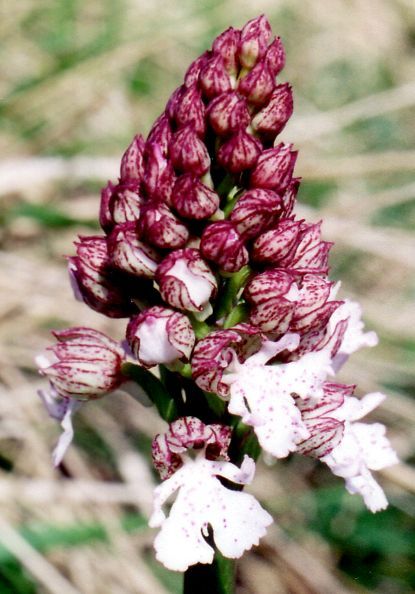
There are a surprising number of Orchid species that grow wild in Britain. Because they are so special they should be left in the wild and only purchased from credible suppliers who cultivate their own stock.

The Lady Orchid Orchis purpurea grows up to 2’6″ and the purple speckled flowers on a robust spike make this one of the most popular Wild Orchids in Britain. It flowers in early May in scrub or woodland.

Helloborine Large White is found in Beech woods with chalky soil. It flowers 12-18 inches high in early June. The Narrow Leaved Helleborine is more wide spread especially in shady chalky areas. The Broad Leaved Helloborine grows up to 3 feet high and flowers red or pink  in August. The Marsh Heleborine prefers to grow in alkaline marsh land but in the open it collonises some older sand dunes.

Read More Read More