Browsed by
Category: Flowers and Plants

Annual, perennial and interesting flowers with advice on culture, information, tips and recommended varieties

June 17th Potatoes from a Waterbutt

June 17th Potatoes from a Waterbutt

This £1 packet of supermarket potato tubers have just been harvested to cook as new potatoes tonight. The variety was Charlotte, they were chitted in February and planted out in a frost shelter in March.
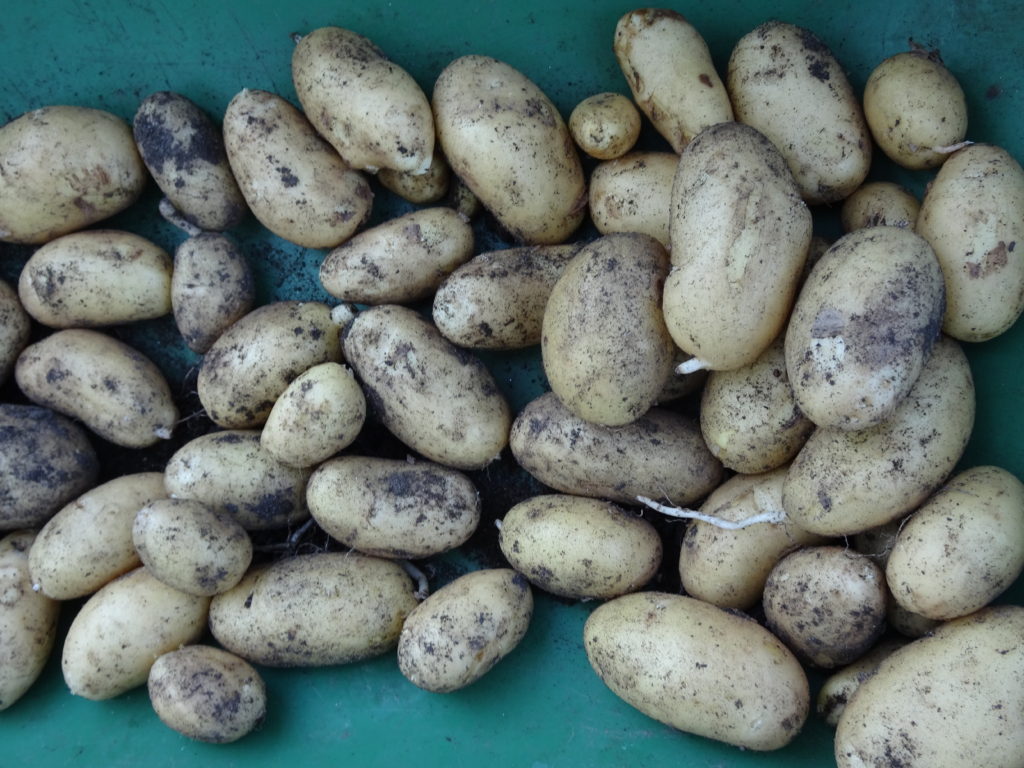
The results were better than usual in that they didn’t ‘go into the water’ when boiled. The potatoes were quite waxy, tasty and good value considering the price I paid. I used an old waterbutt rather than these special gro’bags see below. They had let me down in the past as I think they do not hold enough moisture. One advantage of both planters is that the ground stays clear and the space can now be used for other items.
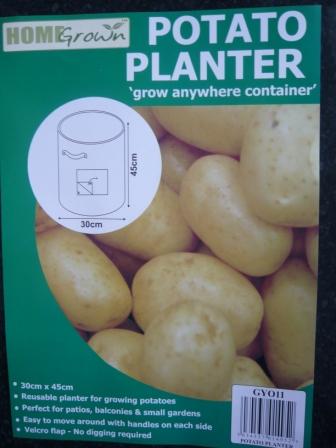
I am now going to try use these planters for some late Chrysanthemums that can be kept outside in summer but brought into the greenhouse for autumn.
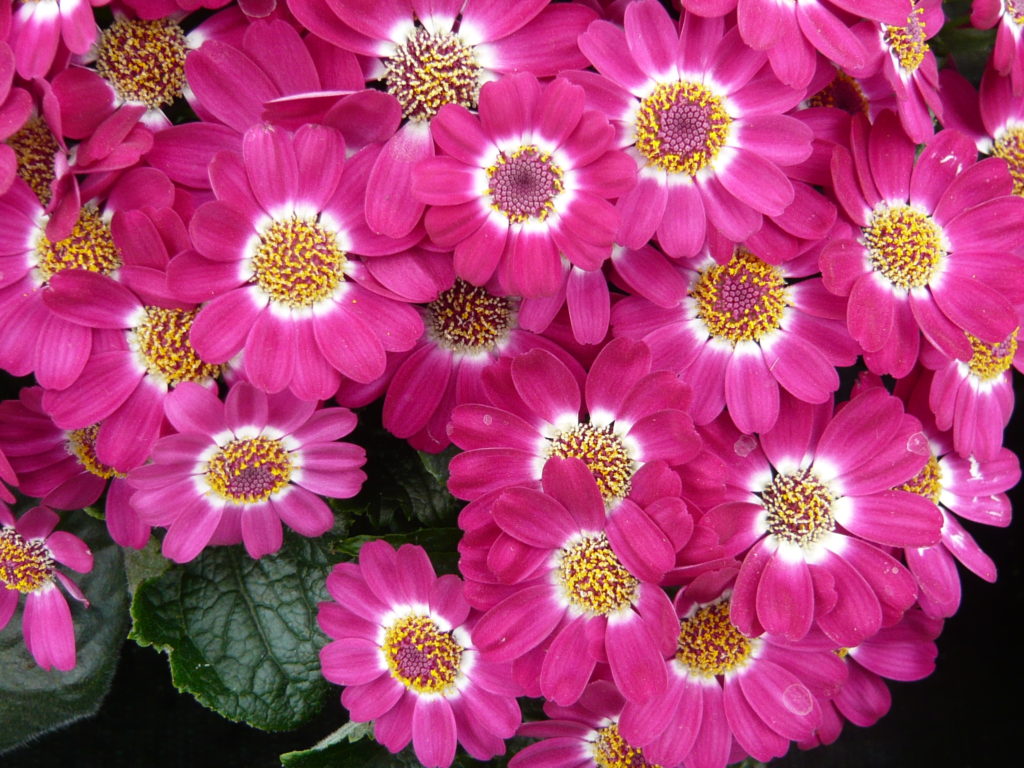
New Photos of Senicio or Senetti

New Photos of Senicio or Senetti

Sorry but I have been to Madeira again on holiday. The gardens, walking and vibrant colours are major attractions

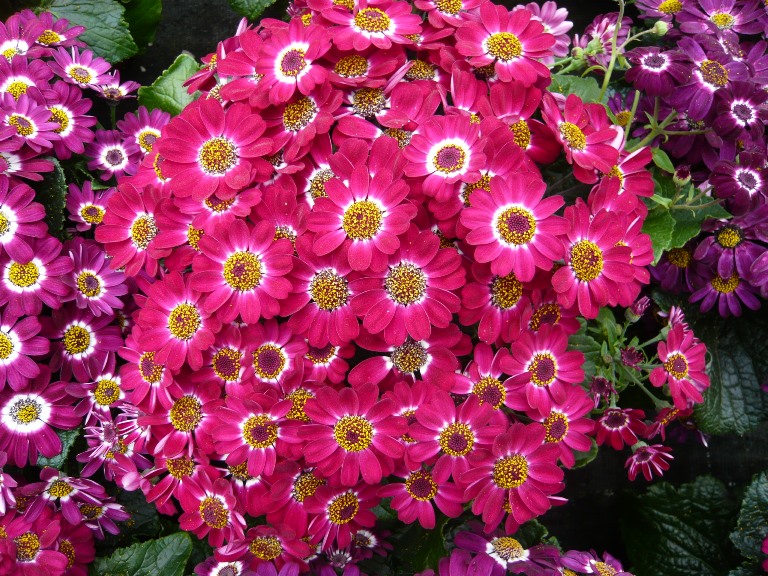
With old age I am growing to like Daisy and all the related family particularly these vibrant coloured flowers from Pericallis genus.

Garden for Cut Flowers

Garden for Cut Flowers

Book Cover

On the new craze of gardening for cut flowers, where America starts will we follow or is it really voice versa?

Olden Times

  • The Romans brought many plants to the UK in the first century including  various herbs and  the grape.
  • Dating from the early 15th century a book called The Feate of Gardening mentions more than 100 plants.
  • Gardens as a form of creative display properly began in the sixteenth century, often described as Tudor gardens.
  • Oh…. did Christopher Columbus stumble on the new world around then?

Flower Farms

  • Skip to the 21st century and ‘flower farms are all the rage’ as though selective cultivation is something new.
  • Stunning flower gardens of rewarding species can be grown for seasonal bloom
  • A corner of your garden or an allotment plot for sweet peas, chrysanthemums, dahlias and  cosmos can produce bunches and bunches.
  • With more space flower production for gate sales or local retail supply can supplement plant and seedling sales.
  • Do not forget to grow ‘greenery’ to sell with bunches of flowers.

Book Cover

Possible Markets for Your Flowers

  • Bridal displays and bouquets for special occasions are worth a premium price.
  • Selling as a producer to a retailer means the retailers  margin and wastage needs to be accounted for in your pricing.
  • Market stall, farmers markets and local event selling is seasonal but may generate  some cash.
  • Supply agreements will commit you to regularity and consistency so have a good plan to be able to deliver.
  • Crafters, flower arranging clubs friends and neighbors are also possible targets.
Seed Dispersal

Seed Dispersal

How do Plants Spread their Seeds

To maintain the species plants have developed many strategies for dispersing their seed. They make flowers and fruit attractive so gardeners buy them in seed packets or propogate them to eat. More importantly they have evolved specific techniques:

Major Seed Dispersal Methods

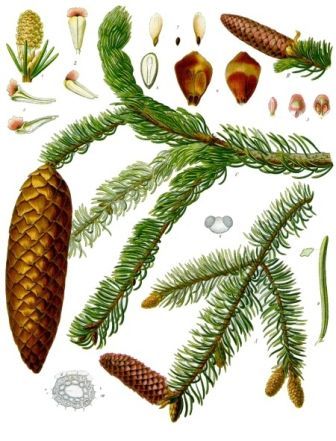
  • Wind is an obvious method from weeds like dandelions and their seed clocks and willowherb to trees such as Sycamore with the helicopter twirly ‘double samaras’ which spin to the ground.
  • Cyclamen have an ingenious method to get the fresh seed away from the parent plant. In addition to the pod on a long twisting stem the seeds are coated in a  sticky substance that is attractive to ants. The ants then unwittingly move the seed  to the new location.
  • The gravity ‘dead drop’ of seed is fine for annuals and seeds that are happy to germinate near the old (now dead) parent.
  • Seeds that want to move a bit away from the parent such as Alliums and Aquilegia have a seed pod that progressively tightens around the maturing seed. The pod then spritzes or squeezes the seed as a cherry stone would when squashed between your finger and thumb. Pea pods pop open when ripe.
  • Bird Cherry is named for the creatures that eat the flesh and excrete the stone. There are other seeds that are spread after animals and birds have eaten the fruit but not digested the seed.
  • Animals also disperse thistles, teasels and burdocks via their fur after the seeds hooks or spines attach themselves.
  • Squirrels and some animals also bury or hide nuts and fruit and if forgotten they may germinate. Humans may throw an apple core away spreading the seed.
  • Plants growing by water such as Willow and Flag Iris can have the seed transported by the water.
  • A combination of dispersal methods may be used eg a seed blown by wind may be transported by water to somewhere else.

Book Cover

Re-Blooming ‘Remonant’ Plants

Re-Blooming ‘Remonant’ Plants

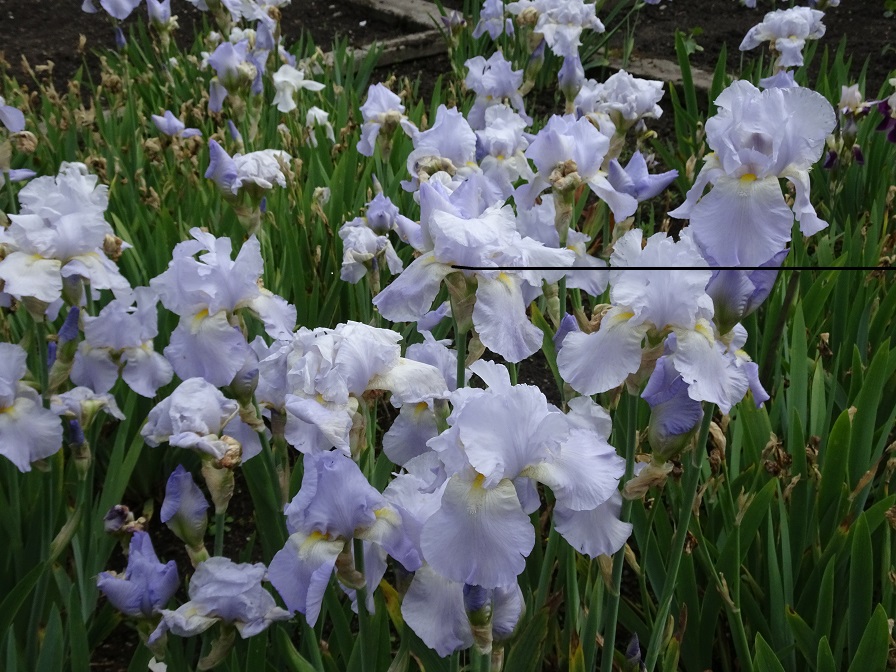
              Creskeld Iris

A little used gardening term is ‘Remonant’, said of a plant flowering more than once in a season.

I first came across the term in an article ‘Autumn Encore’ by Simon Garbutt in  The Garden September 2003 . The main thrust was on reflowering varieties of Iris, called rebloomer at Seagate Irises.

  • Where the growing season is long enough, remonant irises are bred to produce an autumn flush of flowers. In the USA where they are popular they are also known as “Cycle rebloomers”.
  • Continious flowering or Repeaters are now being bred to extend the flowering period. The answer to a regular display of Iris is to choose your species and variety with care.

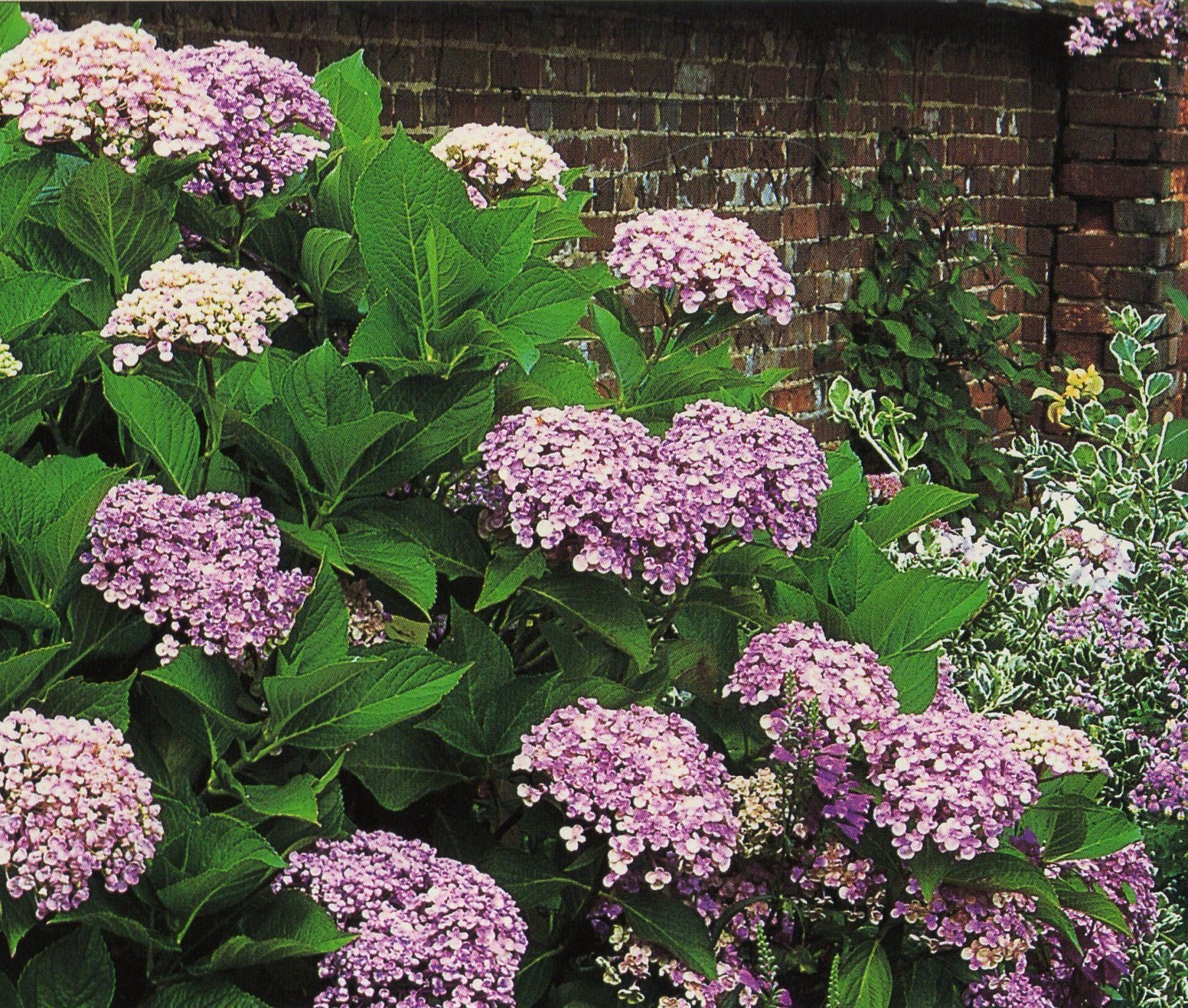
Hydrangea Macrophylla ‘David Ramsey’ is one of the remonant bloomers in the Hydrangea range that is similar to Endless Summer. ‘Blooms age green and red during the summer for an antique look. This one can rebloom in more climates if cut right after first bloom’.Hydrangeas Plus.com

Many perennials are regular rebloomers to the point where they are not worth calling remonant as it is our normal expectation. The exception I would make is the ‘Rose’ or to be more specific some old garden roses that flower either once a year or once in the spring and again in Autumn. By specific variety derived from parenthood some roses are remonant.

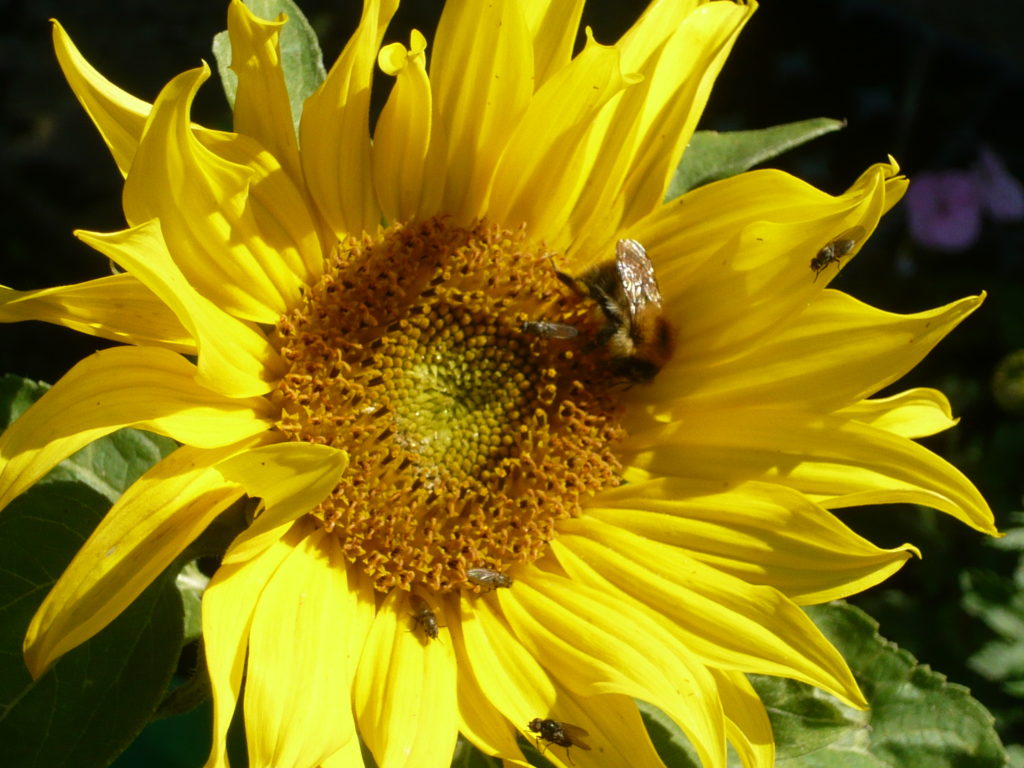
Sunflower Insects Van Gough Missed

Sunflower Insects Van Gough Missed

No flies on Van Gogh

Van Gogh walks in to a florists ‘Hi Van, can I get you a sunflower?’
‘No, thanks, I got one ear.’

Vincent’s fruit loving cousin, Man Gogh

“What does the letter “A” have in common with a sunflower?
They both have bees coming after them.”

Long White Radishes

Long White Radishes

Mild-flavored winter radish usually characterized by fast-growing leaves and a long, white fleshy roots

White Radish (Raphanus sativus) Facts

  • Seeds of the Daikon, Mooli, Japanese or Oriental Radish are  popular for their pure white roots.
  • Generally they have  a crisp mild flavour that won’t go pithy.
  • Fully winter hardy they are best grown for autumn and winter production.
  • Roots can remain in the ground in good condition over a long period.
  • They can be lifted and stored the same as other root crops.
  • They produce best in sun and moist, fertile soil.
  • Radish do not transplant well but you can try using plugs.


Suppliers

  • Long White Icicle is currently on offer from Suttons in support of Cancer Research.
  • 23 varieties of Asian Radish seeds from evergreenseeds.com
  • Or try our link to Thompson & Morgan top right


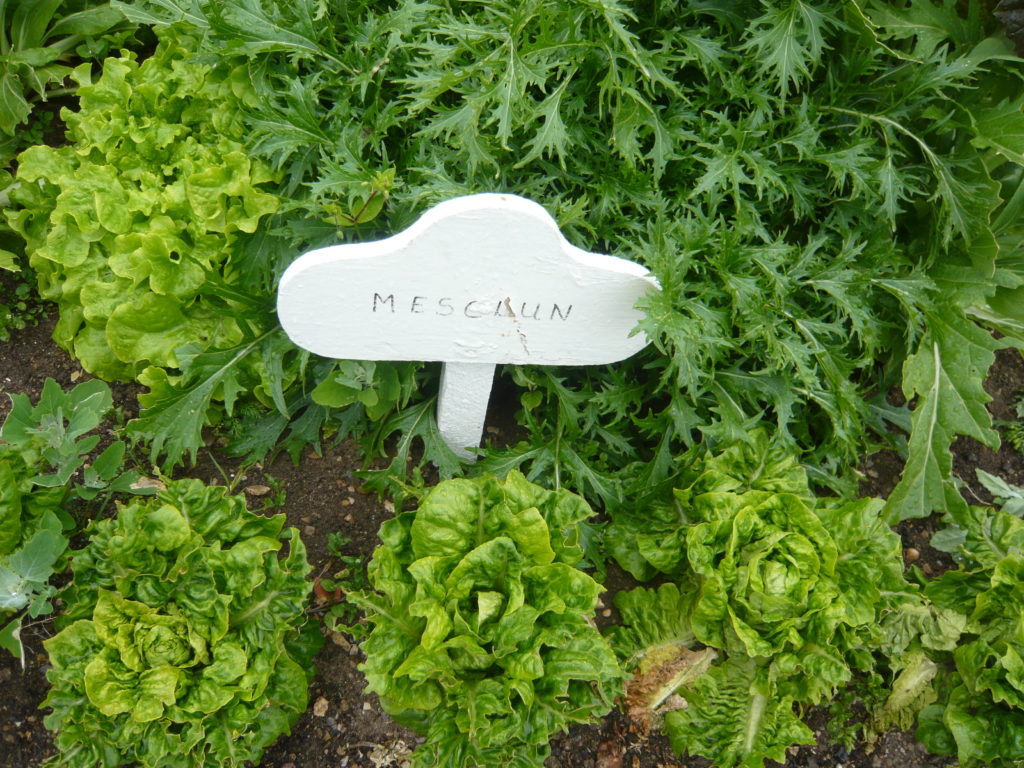
Mesclun Gardeners Salad from Seed

Mesclun Gardeners Salad from Seed

Mesclun is a name for a traditional melange of salad leaves. The name mesclun doesn’t feature in any of my gardening reference books before 1980 so old gardeners may not recognise the term.

Anything Goes Mixes

  • Traditionally the mixture was a blend of wild and cultivated chicory, as well as lamb’s lettuce and young dandelion leaves.
  • There are regional variations for mesclun, in Provence they use a blend of chervil, arugula, lettuce and endive.
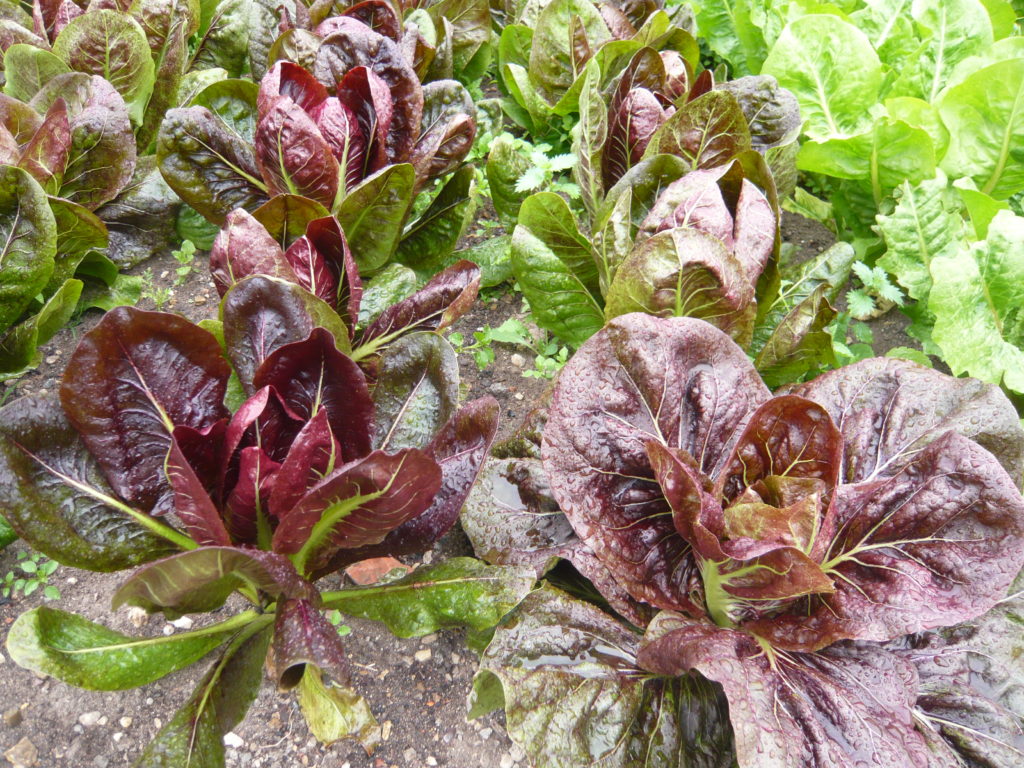
  • One particular  American special ‘Salad Leaf Mesclun Mix is lettuce based on a colourful mix of Red Batavia, Green Batavia, Little Gem, Tango, Red Salad Bowl and Cerbiatta varieties.
  • An Italian equivalent for mesclun is misticanza, Thompson & Morgan’s Misticanza D’Insalate contains: Lettuce Bionda a Foglia Liscia, Bionda a Foglia Riccia, Verde a Foglia Riccia, Meraviglia Delle 4 Stagioni and Biscia Rossa.. seeds
  • A speedy UK mix to be sown all year indoors contains Salad Rocket Victoria, Greek Cress, Mizuna, Mustard Green & Red Frills, Pak Choi Canton White.

How to Grow Mesclun

  • Seeds should be sown thinly outdoors in summer or in an unheated greenhouse during the autumn and winter months.
  • Sow little and often to get continuity
  • Germination is quick and you can start picking within as little as 28 days.
  • Thining out is not necessary or plant out quite close together as leaves are for eating young and fresh.
  • Leaves are tastiest at the baby stage start cutting when  2-3 inches high. Cut and come again in a few weeks.
  • If the weather turns hot many varieties tend to bolt.

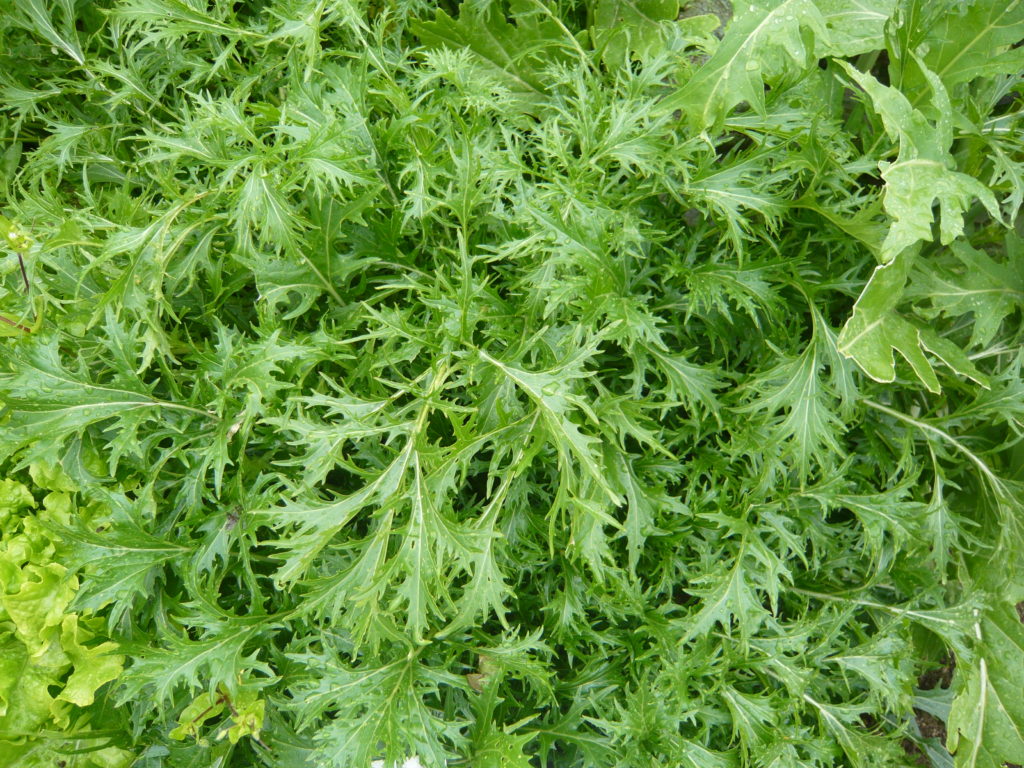
Some mixtures include more exotic greens, especially those quite popular in Asian cuisine. One particularly flavorful variety is called mizuma, a delicate-leaved sort that is popular in Japan. Another is the Asian tat-soi, which has rather sweet dark green leaves.

Tomato Leaves On or Off?

Tomato Leaves On or Off?

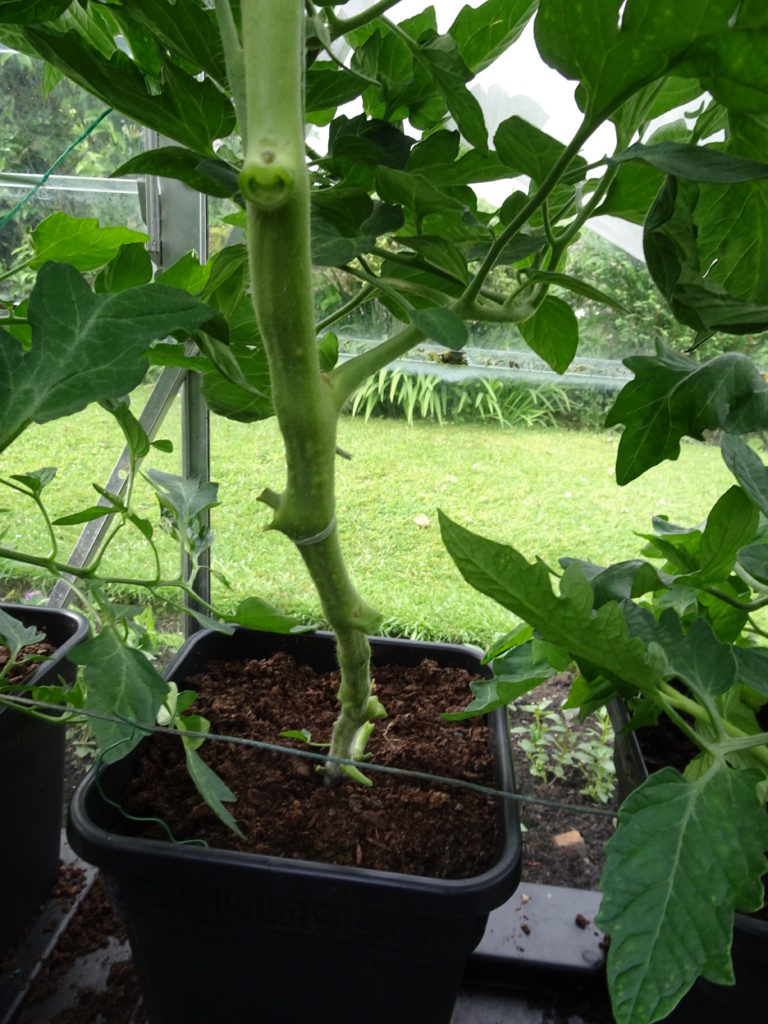
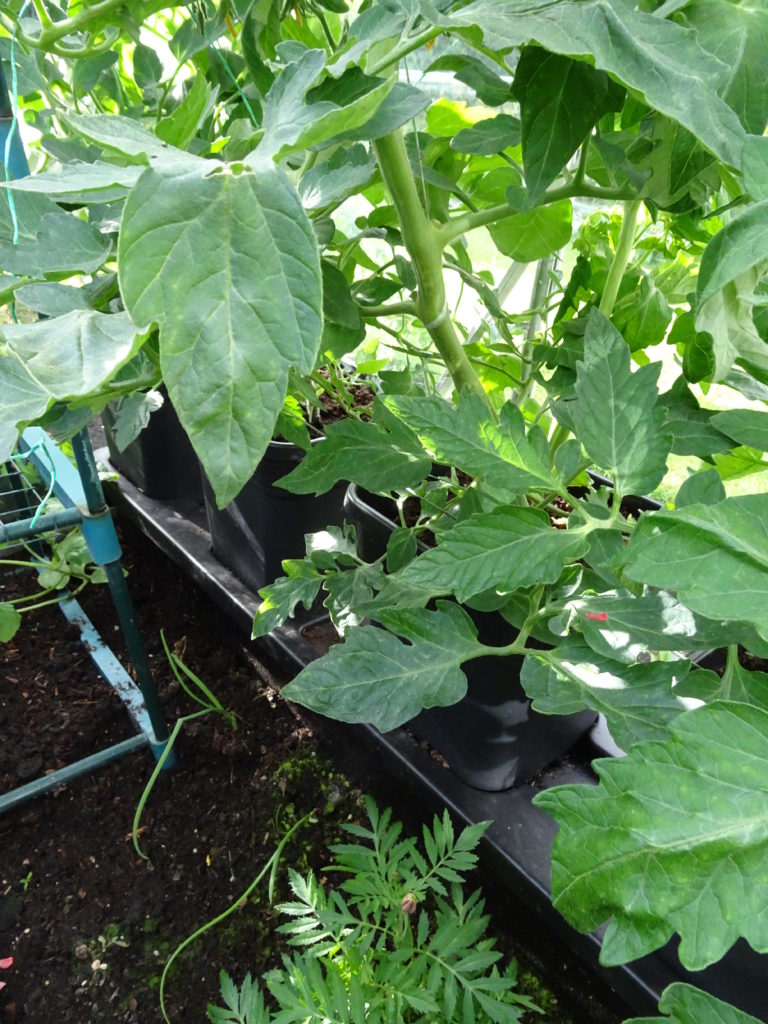
It is a regular debate whether you should leave your tomato leaves on the plant or snap them off. For intermediate varieties I am strongly in the ‘get them off camp!’

Starting to remove lower leaves 5th June 2017

Why Remove Lower Leaves

  • It removes one variable in the attempt to maximise crop yield. You are growing tomatoes not leaves!
  • It helps allow the air to circulate and get an air-flow round the plant that reduces the chances of blight and disease.
  • The sun can get to ripen the trusses of tomatoes.
  • To combat diseases caused by splashes up from the soil.
  • To open  up your access to the roots for watering, feeding and checking for pests.
  • To preserve NPK nutrients that would otherwise go into leaves. We are encouraged to pinch out the side shoots so amputating lower leaves is not much different.
  • Upper leaves start to create shade  and with less available light the lower leaves reach a point where they draw more sugars from the plant.
  • As plants grow taller the lower levels of the greenhouse become more humid increasing the possibility of disease such as early blight and anthracnose.
  • By removing the bottom leaves the greenhouse  floor is cleaner and reduces any spread from soil to a plant from splashing water.
  • Many commercial growers remove leaves.

Methods

  • Remove from the bottom always leaving 12 main leaves. Some advocate one leaf per cluster and nearer 20 leaves are common in commercial production.
  •  Let the plant retain the upper leaves or if you are worried try leaving 1 in 3 on the plant. Snap off the lower leaves in preference to cutting.
  • Trim unruly, yellow or damaged leaves. I also take off the harder darker leaves that have lost their vibrancy.
  • Remove leaves that seem to be getting out of control.

The start of the Leaf Jungle

Other Comments

  • There is the other school of thought that all leaves are helping photosynthesis. But do you need so much leaf for your intended crop.
  • As leaves die they return most unused sugars back to the plant.
  •  Direct sunlight on fruit can cause yellow or green shoulders and cracking Shading can improve fruit yields.


Schizanthus Facts and Growing Tips

Schizanthus Facts and Growing Tips

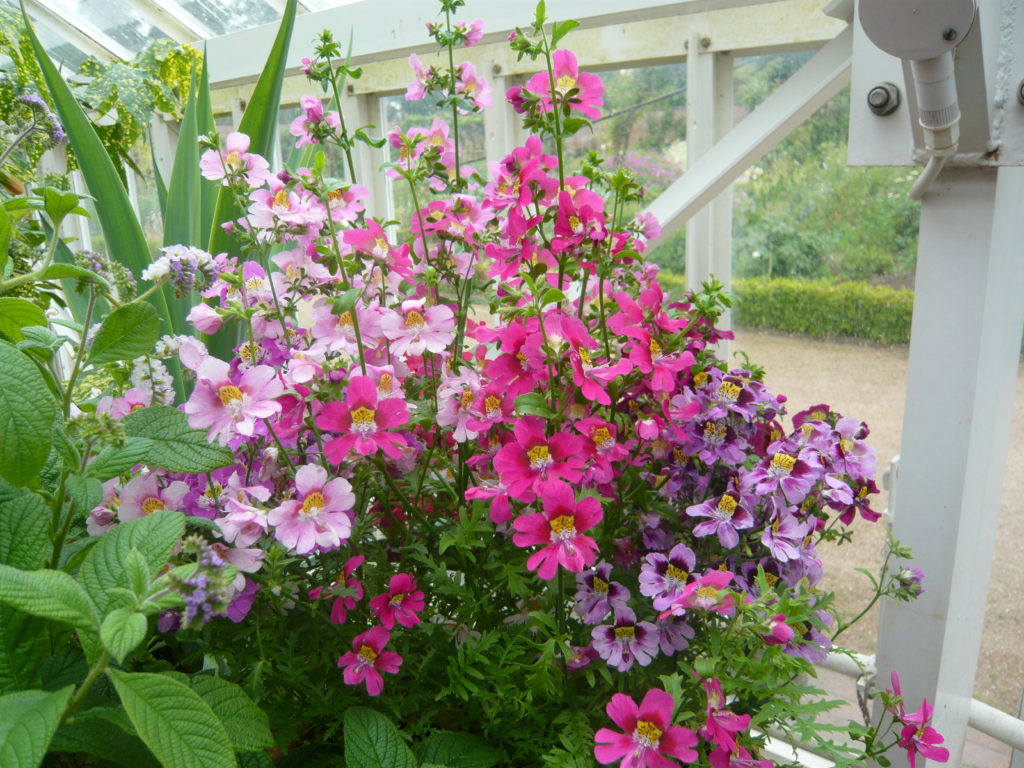
Schizanthus pinnatus ‘Hit Parade’ growing in a conservatory at Normanby Hall Country Park Scunthope.

Facts about Schizanthus pinnatus

  • Schizanthus is sometimes called the butterfly flower for the vibrant and varied colours of the flowers. Also known as the poor-man’s-orchid the blooms have that orchid type funnel with atypical internal markings and often with a contrasting eye A third name of fringe-flower presumably links to the scalped edge petals so three descriptive names to add to the binomial of this member of the Solanaceae family.
  • Schizanthus pinnatus ‘Hit Parade’ is a bushy half hardy annual up to 30cm tall with fern-like leaves.
  • Four main varieties of  Schizanthus pinnatus are  ‘Dr Badger’, Angel Wings, ‘Star Parade’ and ‘Hit Parade’, which display magentas and darker pinks. with its delicate clouds of flowers in pink, mauve, cream and white,
  • The species currently recognized in the Schizanthus genus are:
    • Schizanthus alpestris, Schizanthus candidus, Schizanthus grahamii
    • Schizanthus hookerii , Schizanthus integrifolius  Schizanthus lacteus
    • Schizanthus laetus, Schizanthus litoralis,  Schizanthus parvulus
    • Schizanthus pinnatus,  Schizanthus porrigens, Schizanthus tricolor
  • The orchid-like flowers  in shades of pink, red, cream and lilac have distinctive spotted and blotched  markings.
  • Schizanthus are native to the Chile
  • Pot-plant growers sow Schizanthus first thing in the New Year to be ready for Mother’s Day

Read More Read More