Browsed by
Category: Flowers and Plants

Annual, perennial and interesting flowers with advice on culture, information, tips and recommended varieties

Trials For Chrysanthemums My Trials & Tribulations
Trials For Chrysanthemums My Trials & Tribulations


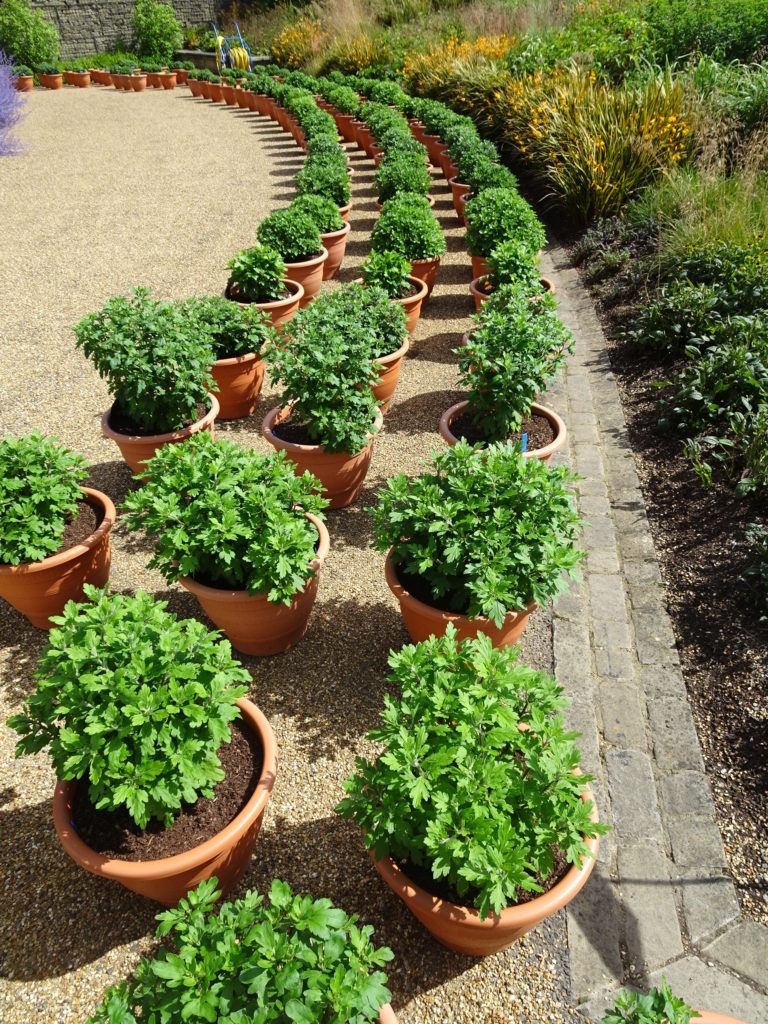
Some aspects of gardening are a trial not to say a tribulation. This year I resolved to get on with my Chrysanthemums (aka Chrysanths or Mums) and see if I could encourage enough of them to perform to a reasonable standard. So far I am failing for reasons which will become obvious.

Trials not tribulations are the genuine article at the RHS Harlow Carr and so they should be. I am presumptuous in thinking I could even get close to just one of their potted chrysanthemums.
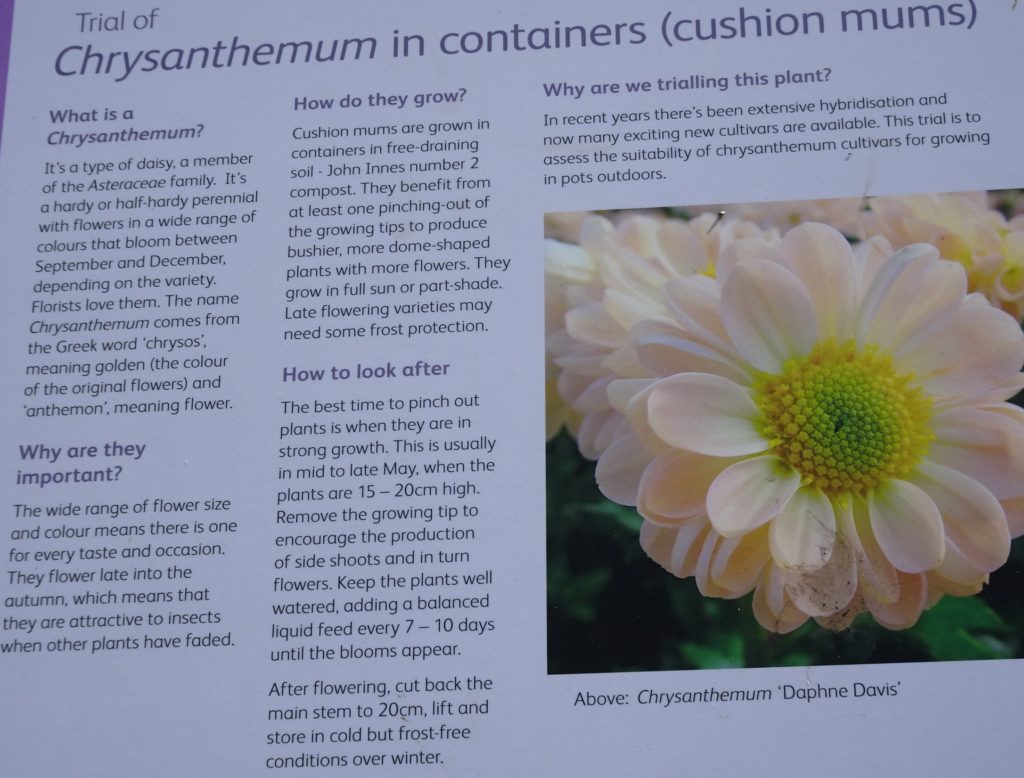
Outdoor Mums in Pots

  • Pot in soil that is well drained, light and loamy.
  • After planting, water generously for 1-2 weeks, until the plants are well established.
  • Mums have a shallow root system so keep the soil slightly moist but not wet.
  • Feed the mums before the flower buds form to promote healthy roots, bud development, and a vigorous plant. I use liquid Tomorite but balanced slow release granules can be added to the soil when potting up.
  • Pinch your mum plant when it’s young to encourage bushier growth and more blooms.

Florists Pot Mums

  • Plants grown for indoor windowsill culture are often of a  variety unsuitable for outdoor growing. As such they should be treated with more care and are unlikely to survive outdoors overwinter.
  • Florist mums will have been treated with hormones and lighting tricks to restrict the growth and encourage flowering.
  • As pot plants the flowers last for 5 -8 weeks and are available in a range of colours including some dyed shades of blue.
  • They are generally available all year round as sold as an in flower gift.
  • The Pot Mum is  effective at cleaning the air through transpiration. Due to this you will need to water quite often as the top soil begins to dry out.

Hardy Garden Mums

  • Some varieties survive the winter out-of-doors and come back and continue performing the following season.
  • Blooming is prolifically from August to the frosts.
  • The habits are neat and compactmaking them suitablel for the front and middle of borders or in patio containers.
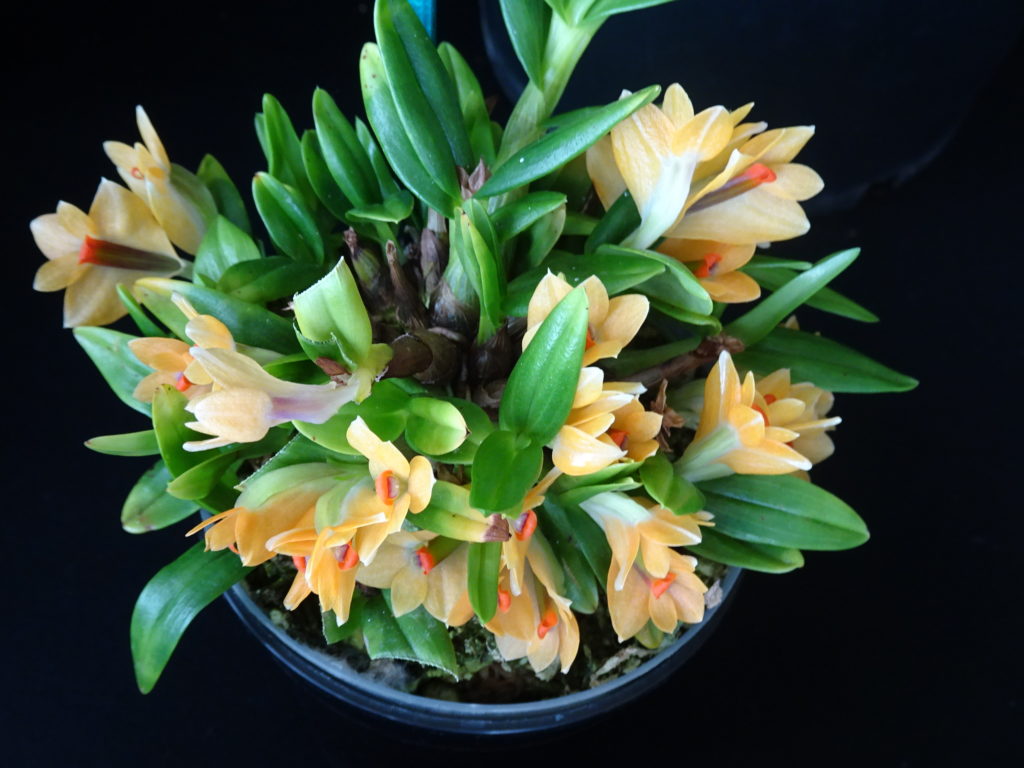
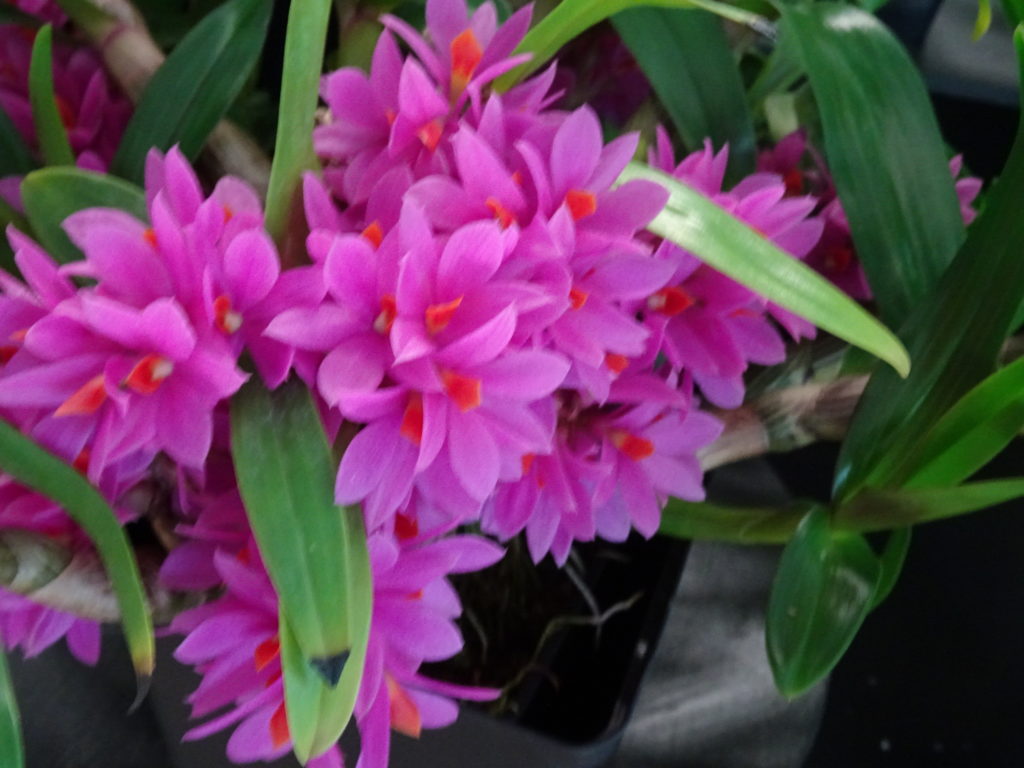
Dendrobium the Wonder Genus of Orchids

Dendrobium the Wonder Genus of Orchids

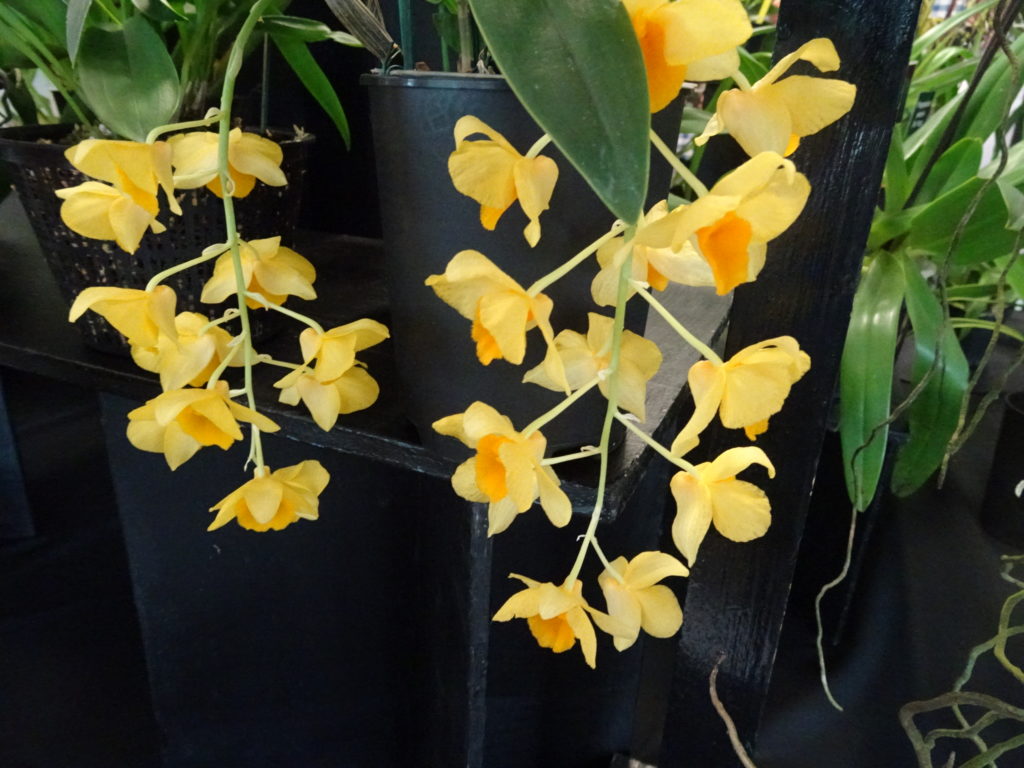
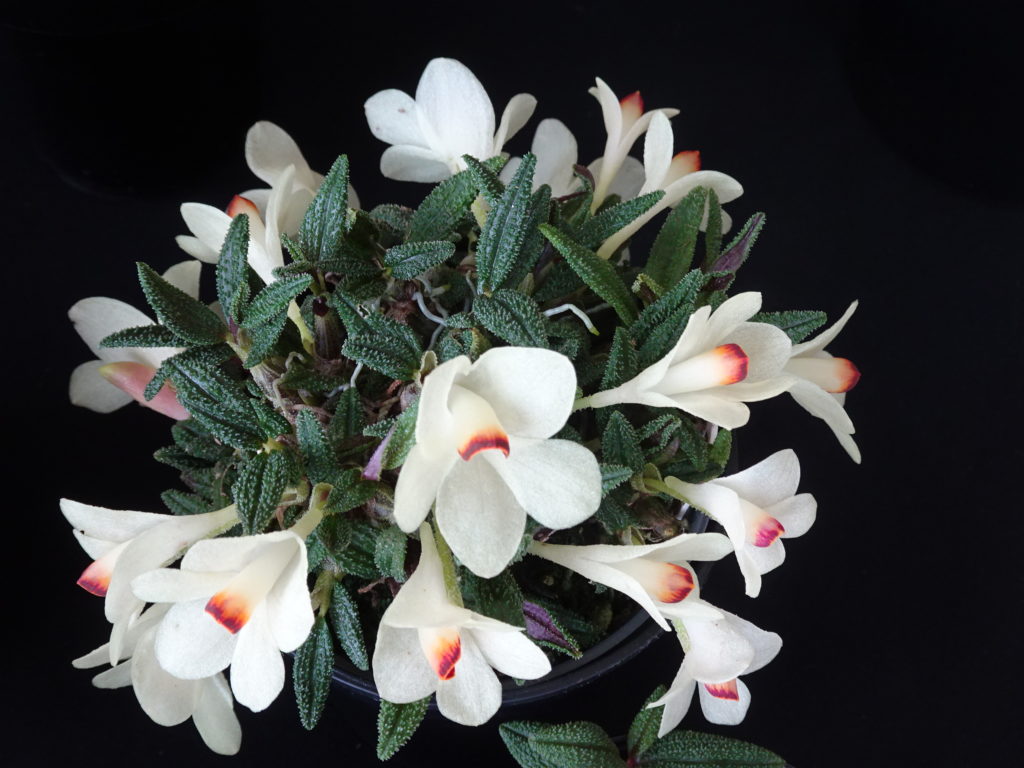
There are over a thousand known species of Dendrobium and innumerable hybrids. This makes Dendrobium the second largest orchid genus in the world after Bulbophyllum.

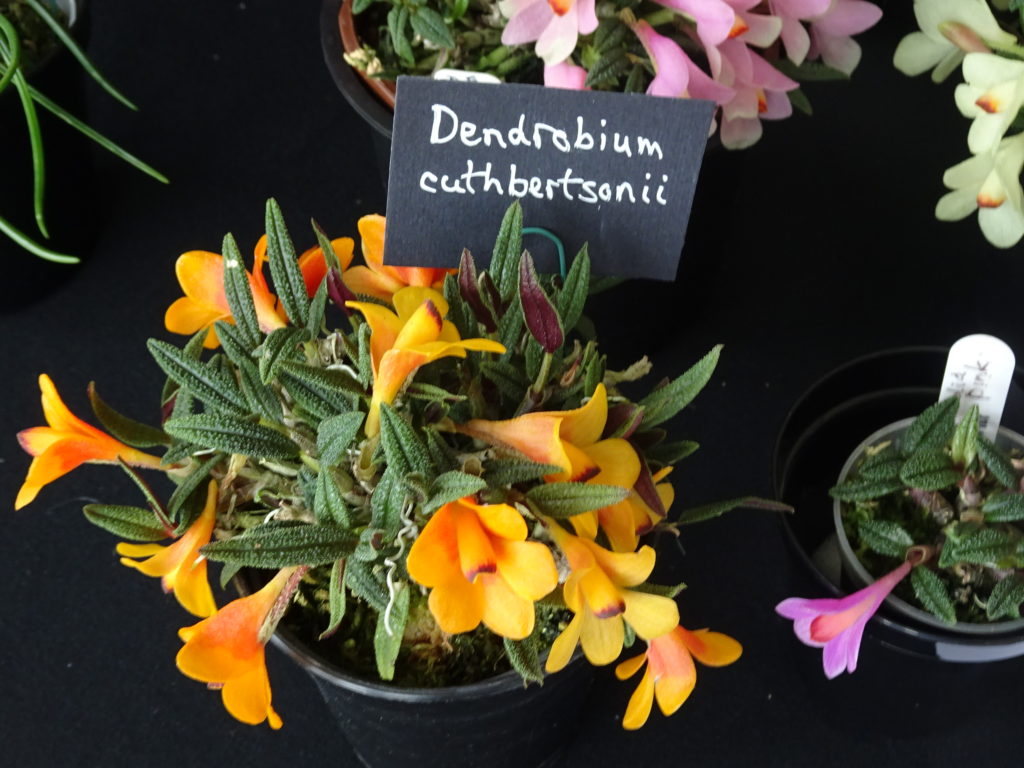
Dendrobium cuthbertsonii
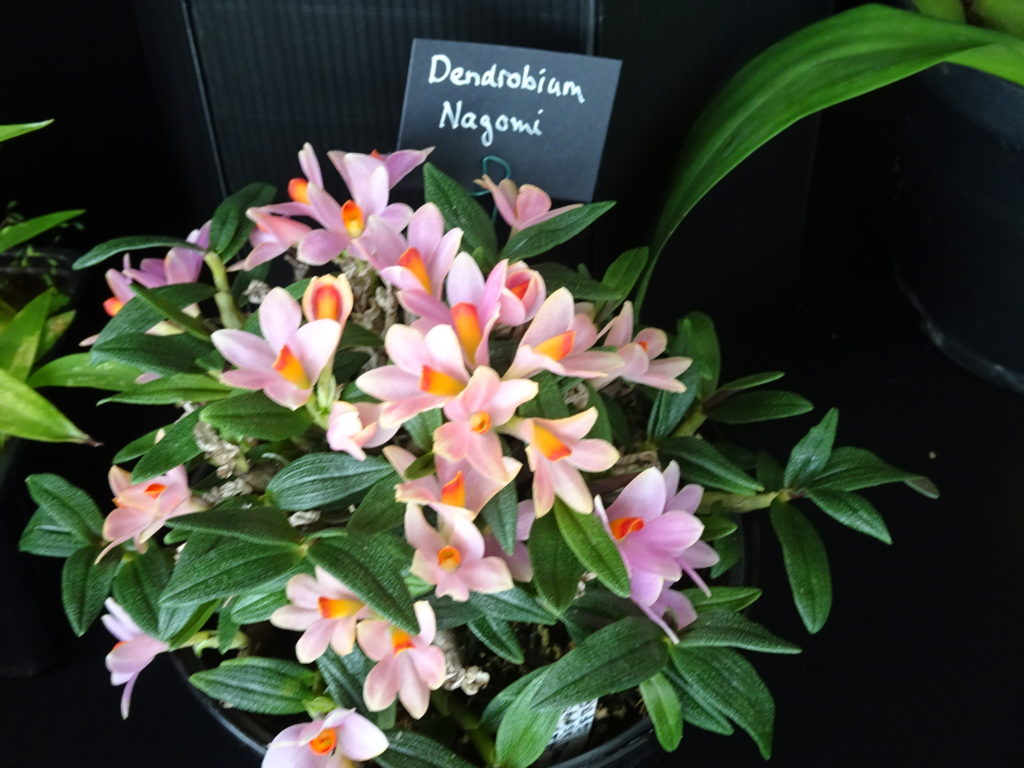
Dendrobium nagomi

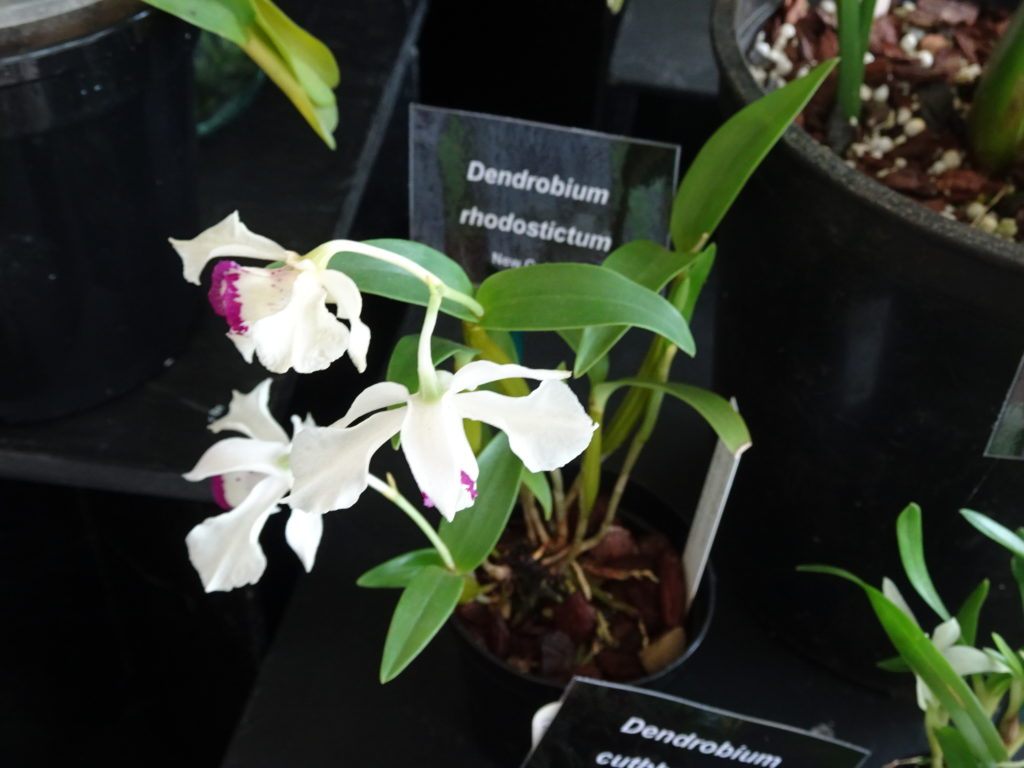
Dendrobium rhodstictum
Dendrobium hibiki
Dendrobium griffithianum
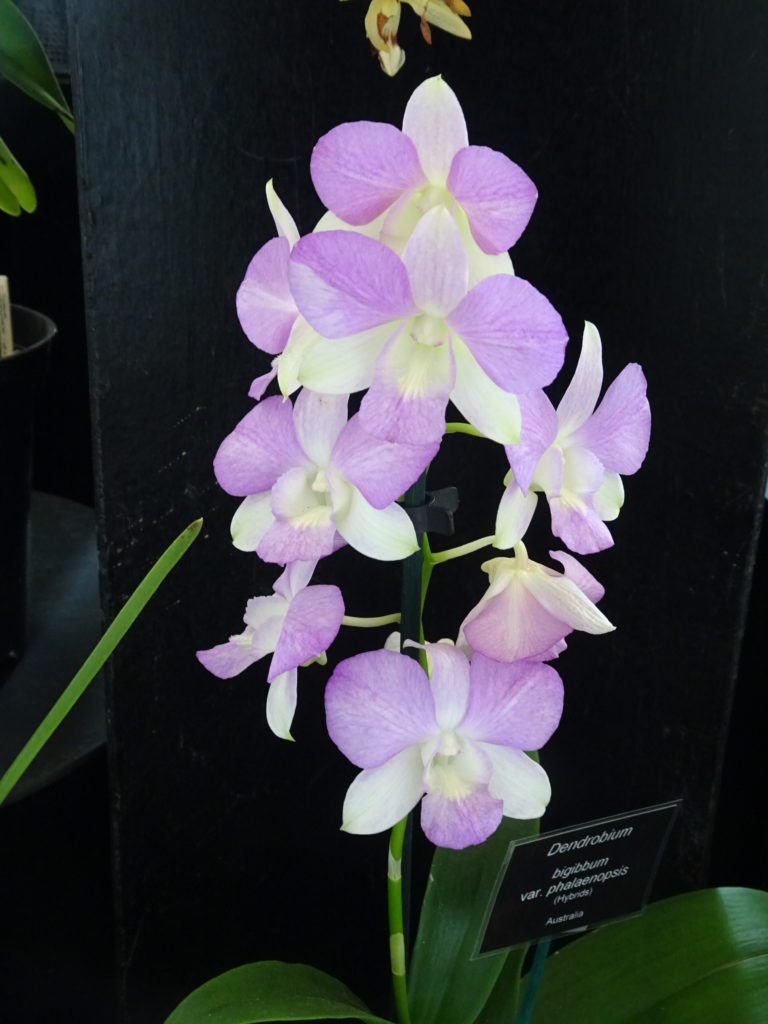
Dendrobium bigibbum
Culture Tips.

  • Dendrobiums like their roots confined in small pots. for good drainage use bark, perlag and charcoal to make up an open mix which drains easily.
  • Repot when either the compost becomes acid and soggy or when the pot is full of roots.
  • Plants from the mountains of New Guinea like a little moss mixed with the bark or they can be grown on slabs of bark or tree fern on a mossy bed. Such slabs need daily misting for most of the year.
  • Over enthusiastic flowering of small dendrobiums can lead to a premature death.
  • Small dendrobiums sometimes benefit from a steady gentle air flow.
  • In winter temperatures can drop to 40°C when you should not water or feed but give plenty of light and air movement. Buds develop in spring and new growths appear. Water sparingly until the new shoots have grown good roots then feed weekly during maximum growth.
  • Free draining potting mixes should always be used containing coarse bark perlite, sphagnum moss and even small pebbles if a little weight is needed.
  • Propagation is by division of the larger clump when it has filled the pot. Some Dendrobiums produce offsets. Generally they do not like any root disturbance.
  • Australian species and hybrids include the ‘Rock Lily’ flowers last only 3-4 weeks but Dendrobium bigibbum is often grow for cut flowers.
  • Dendrobium like plenty of bright filtered sunlight but avoid direct sunlight that may scorch the leaves. They can be difficult to re-flower if they do not receive sufficient light.
  • Never allow plants to stand in water as it may rot the roots.
  • Moss loving species can be grouped as either Himalayan, Australian or New Guinea (including Singapore). They can be grown on chunks of bark or tree fern on a mossy bed.

Cyclamen that Flower in Winter

Cyclamen that Flower in Winter

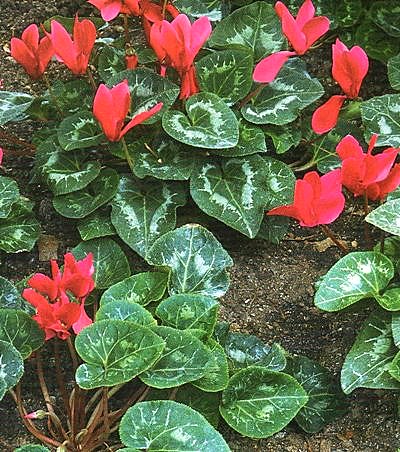
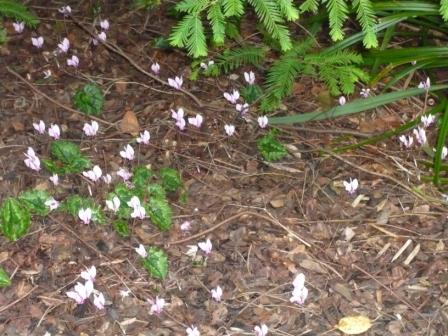
The late season flowering of Cyclamen is just one of the reasons to grow these useful flowers. There are many species of Cyclamen and below is a special selection for Autumn and Winter flowering.

C. coum is widely grown in the United Kingdom and there are many colours and leaf forms. Whites and pink flowers predominate but bright red varieties are available.

C.libanoticum is often grown in pots to flower January – April. It can withstand severe cold but dislikes wet soil.

C. persicum is tender and forms the stock for many florists Cyclamen. The flowers are generally held high above the leaves.

C. hederifolium flowers pink a bit earlier than some varieties. Leaves appear after flowering. Plants are best sited under shade as provided by a deciduous tree. The underside of the leaves are red coloured.

Other winter flowering species include C. pseudibericum and C. trochopteranthum a horizontal growing variety.

For more information on the Cyclamen species read any Guide by Chris Grey-Wilson

British View of American Landscape

British View of American Landscape

Some time ago in the pre-Trump era the west lawn at the British Museum  showed plants from North Americas landscape. The plants were provided in partnership with Kew but the photographs were mine taken in September.
I now wish I had also visited to see and take pictures of earlier spring and summer flowers fro N America.

London liverpool st 065

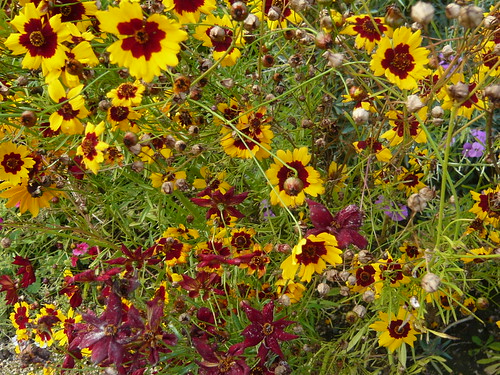
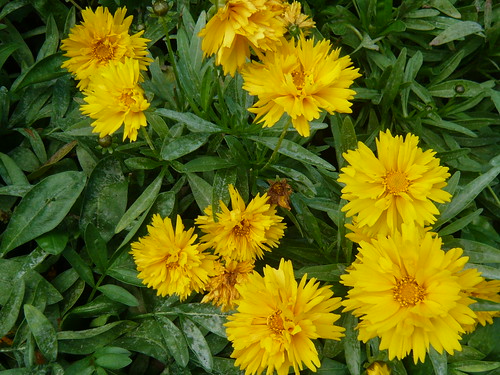
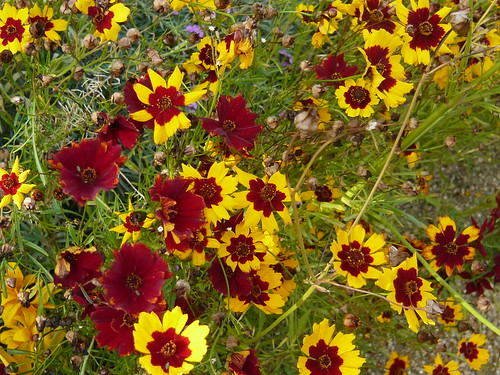
Amongst the more colourful flowers were a range of ‘tickseed’ which is the American name for Coreopsis. I like to grow these airy prairie plants even in darkest Yorkshire and you may see why from these photos.

London liverpool st 084

Trust me to get a photo of mildew! Must try again.

London liverpool st 064

The Museum garden had a lot going on in both leaf and flower forms.
The signage was good but it wasn’t obvious to me which of three zones each plant portrayed; Woodland, Prairie or Wetland.
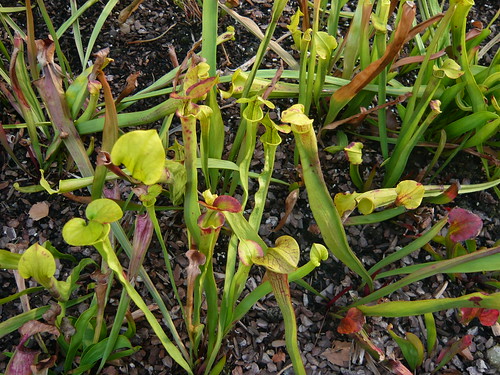
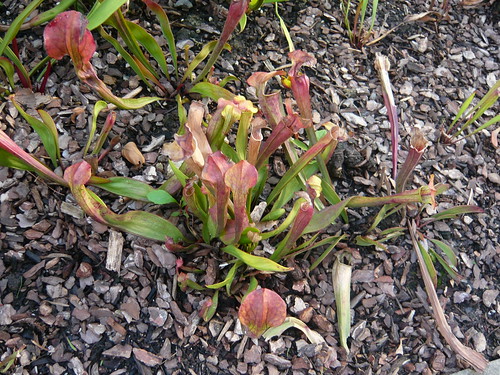
I am sure the wetland was represented by the wonderful insect eating Pitcher plants.
London liverpool st 036

Older Pitcher plants below.

London liverpool st 037

London liverpool st 033
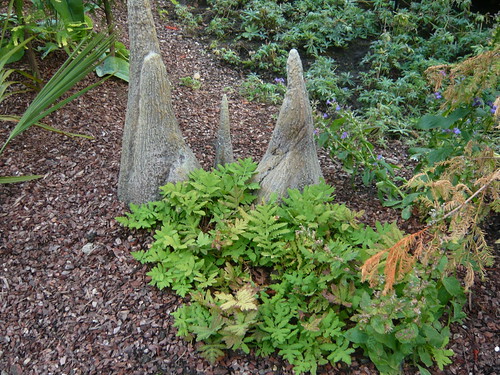
I am sure it wasn’t intentional on the part of Kew to include these British Rockies. I am sure the real thing are more awe inspiring.

London liverpool st 076

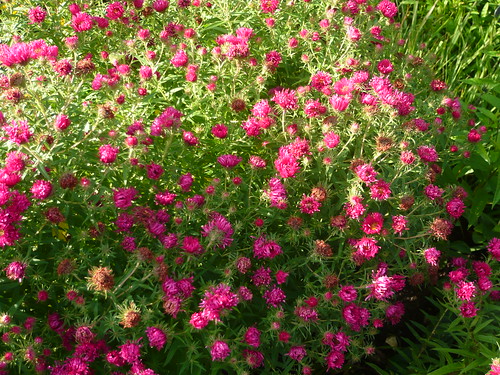
For me the September light set off these New England Asters a proper treat.

London liverpool st 061

Cone flowers Echinacea purpurea held there own!

London liverpool st 057

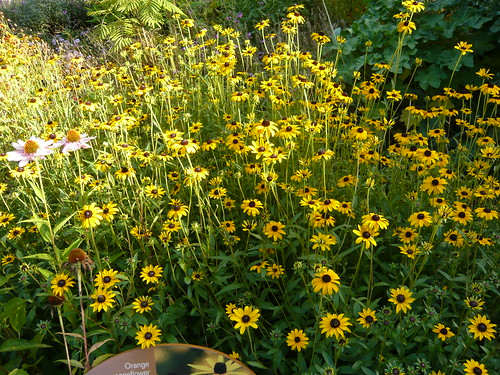
Orange Coneflower Rudbeckia fulgida. The seeds feed finches and Native Americans used a wash from the plant for snake bites, earache and for a variety of other medicinal purposes.
First known in England in 1789 when they were described by Wm Aiton the first curator at Kew and ‘His Majesty’s Gardener at
Kew and Richmond ‘.


Banana Republic and Musa Review

Banana Republic and Musa Review

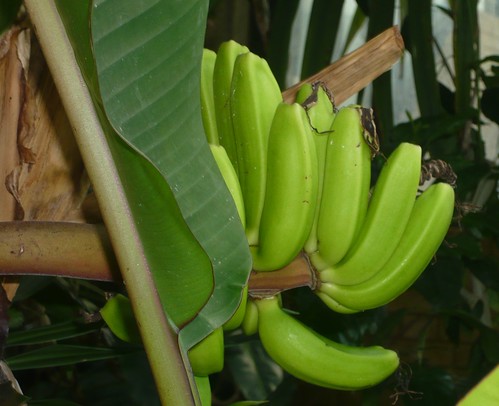
Banana hand

I have just finished eating a Fyffes banana grown in Costa Rica. They were certified by the Rainforest Alliance and were sold as ‘Ripe, snack size bananas’ and a very appropriate  name it was. In our fruit bowl we also have ‘organic Fairtrade bananas fro the Dominican Republic cutesy of the EEC at least until brexit by which time they will be well overripe.

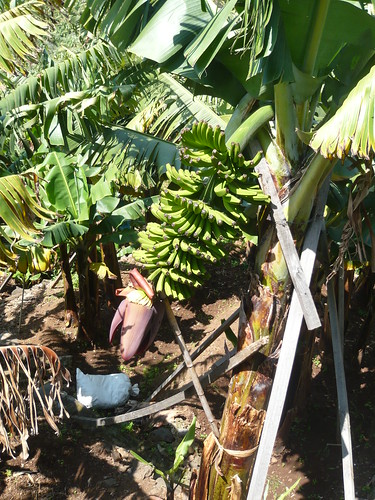
This encouraged me to dig out an old post with photos from Kew in 2010. I was in the middle of a series of posts on fruit trees from exotic climes and realise that the Banana didn’t quite fit. Bananas are herbs and do not grow on trees. The stem,  can grow quite tall in some species and is really just matted together leaves.

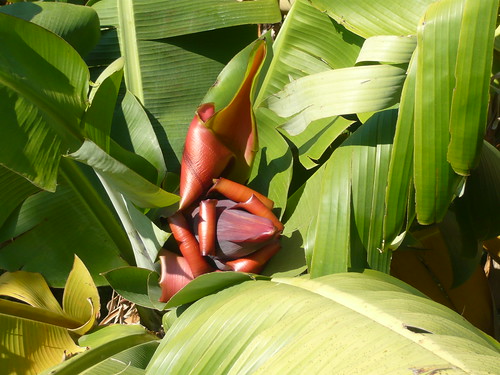
Therefore I offered some of my photographs to show different varieties of Banana growing in Kew hot house and Madeira.

Kew Red Banana
Red Banana

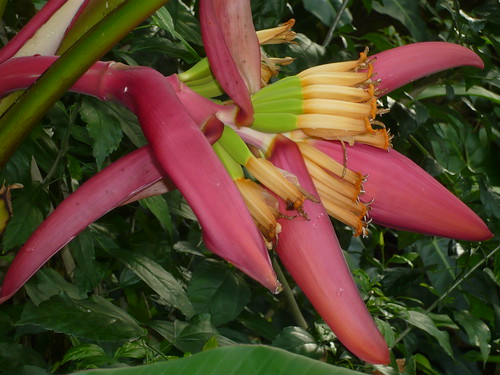
Musa coccinea Red banana
Very Red Banana Musa coccinea

Bananas
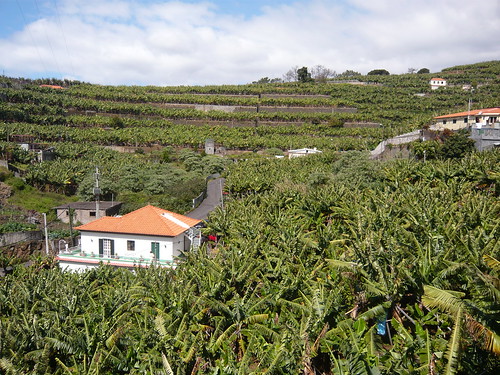
Commercial Banana plantation

Banana
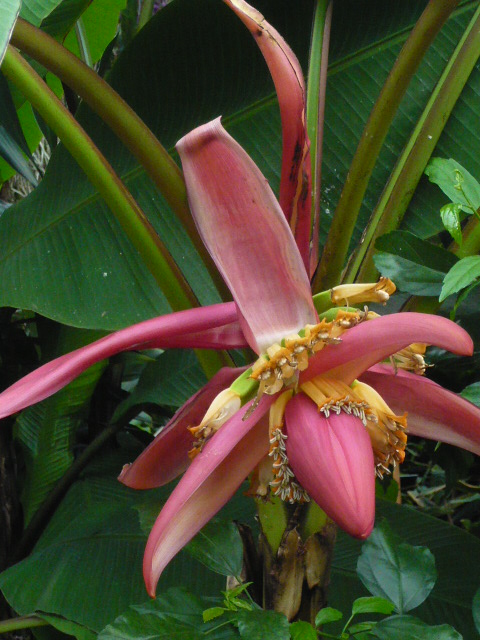
Banana in Flower

Banana plantation
Banana Crop in Madeira

Read these articles for more information.

Banana growing in UK
Exotic Gardens to Visit to see Banana growing in UK

Other Musa Species and Genra

  • Plantains are  a cooking variety of Musa and a member of the banana family
  • Wild banana species, Musa acuminata and Musa balbisiana generally have seeds but cultivated bananas are almost always sterile and seedless
  • Wiki as usual has an authoritative list of Bananas and an explanation of their classification.
  • The false banana or ensete is a member of the Musa genra
Tips From Gardeners to Flower Arrangers

Tips From Gardeners to Flower Arrangers

10 Comments from Gardeners to Flower Arrangers

  1. Prior to collecting material get your gardener to spray an insecticide to prevent pollen beetle and other insects being imported.
  2. All flowers will last longer if a foxglove is included in the arrangement. If they are not desired or available make a tea by pouring boiling water on foxglove leaves. When cool use the liquid with water.
  3. For delphiniums and larkspur add sugar don’t bother with the old Wive’s idea of an old penny (give it to the gardener).
  4. For daffodils and narcissus add charcoal or camphor to the water and preferably keep them from other flowers.
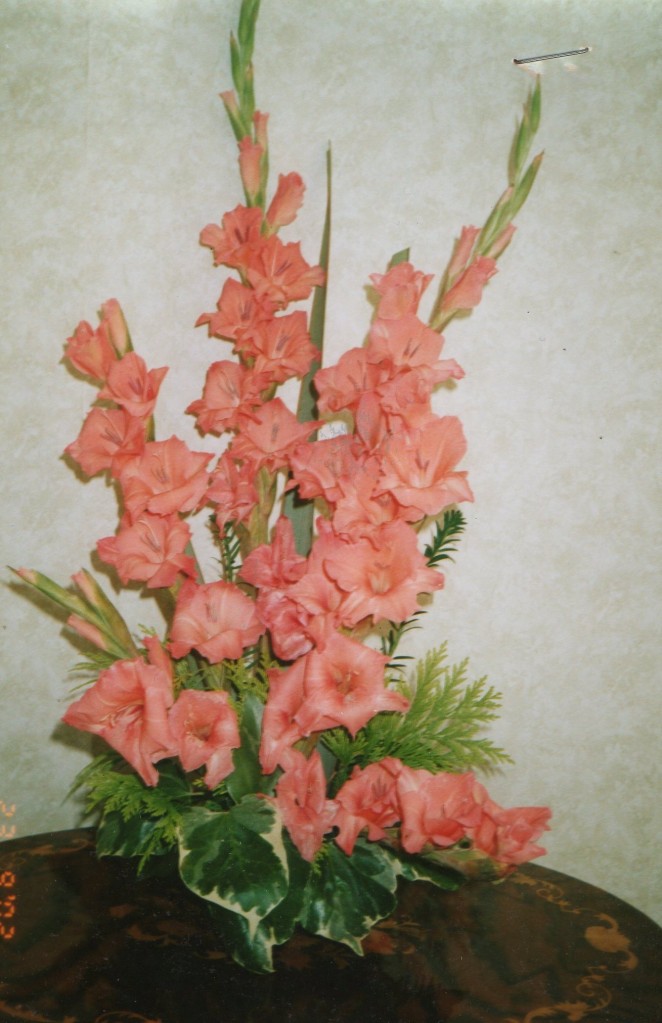
  5. Topmost buds should be nipped from gladioli, snapdragons and delphiniums.
  6. Heathers without water will last for weeks in the house without withering or dropping needles.
  7. Many spring flowering shrubs will last longer if picked in bud rather than full flower and stood in hot water first. Try this with Forsythis, Wintersweet, Witch hazel and willows.
  8. If flowering shrubs must be used the whole shoot should be taken down to two buds above old wood.
  9. Leave enough leaf material for plants to regenerate.
  10. Old flowers may be about to set seed and will not last long in the arrangement.

Rotten Tomatoes

Rotten Tomatoes

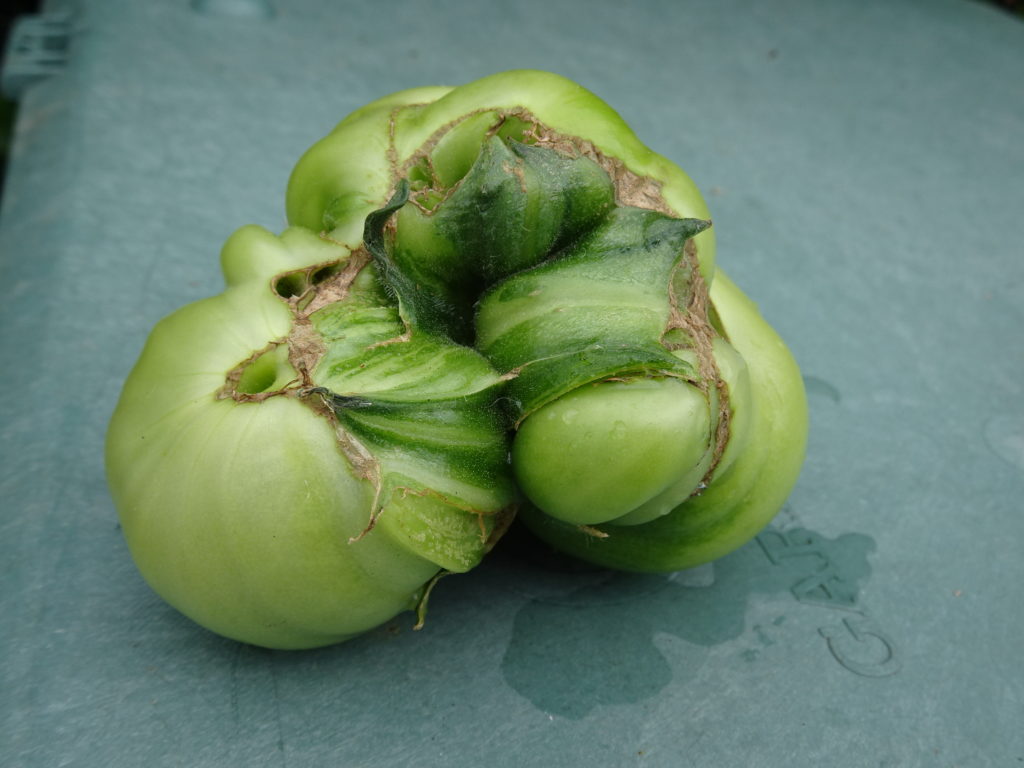
Misshapen tomatoes are a bane this summer and the rot is really setting in early .

Cause of the Problem

  • This is my first attempt at growing beef tomatoes. Did I chose a difficult variety with ‘Marmande’ which I now know is known for it’s different shape.
  • After an early start my plants looked fine until sun shine caught me out. I needed to install greenhouse shading earlier but thought I could rectify and catch up OK.
  • Many leaves curled turned brittle both for me and in my neighbors greenhouse.
  • Water and feed was readily available but not in the right  way to avoid problems.

Action Plan

  • I will settle for fewer plants and cull the worst culprits.
  • I have increased the feed and seaweed nutrients.
  • At the end of the season I will consider not growing these tomatoes again.
  • Our local show has a category for misshaped vegetables – will this fruit be according to classification.

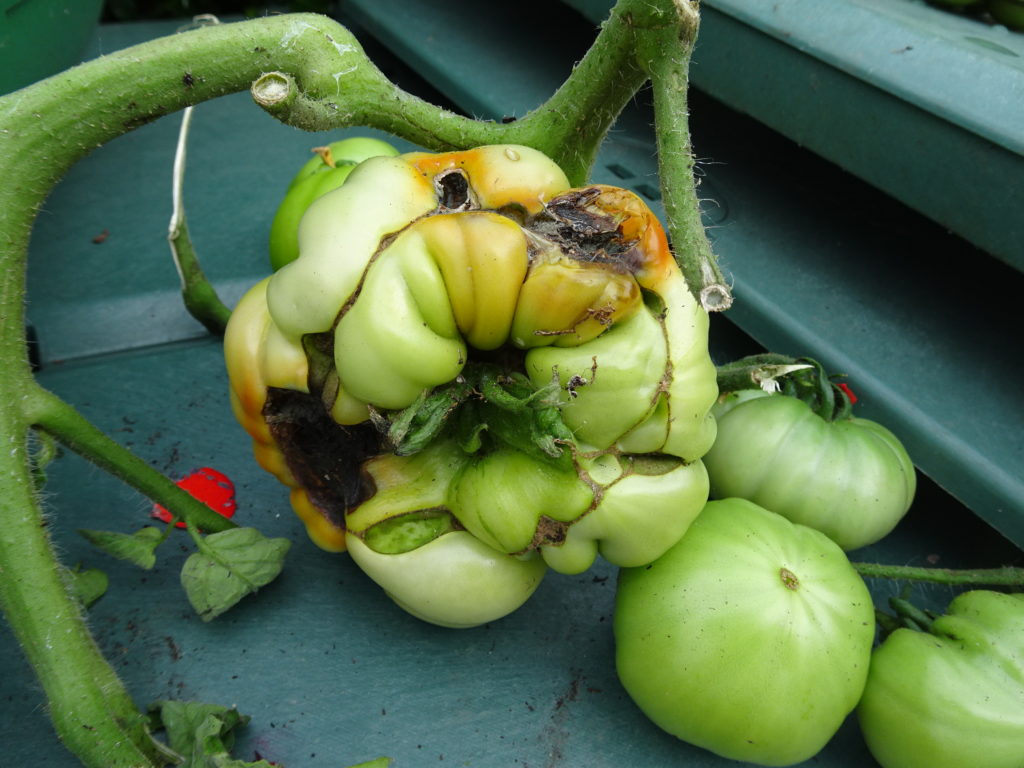
Blossom End Rot

  • Too little calcium is the normal reason for this problem shown below. The strange weather may have contributed this year.

Tomato Husbandry Problems

  • Planting out in the cold will shock the plants and although they may live they wont thrive. Avoid impatience.
  • Inconsistent watering can create problems the most frequent being blossom end rot. Keep soil evenly moist. Ventilate well and water in the evening.
  • Forgetting to pinch out side shoots on cordons cuts down on the size of crop.
  • Tomatoes are heavy feeders – follow the instructions on a high potash, liquid  feed.
  • Over crowding can reduce overall number of tomatoes
  • Poor pollination can be helped by gently tapping open flowers and misting the plants.
Grow the Best Foxgloves

Grow the Best Foxgloves

foxglove

Tips for Best Foxgloves

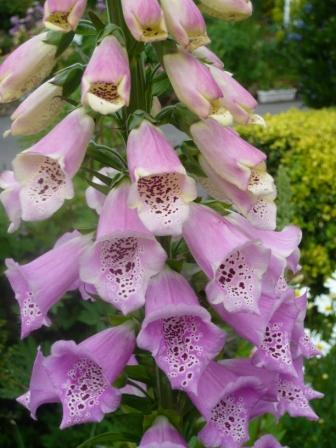
    • This year seems to be one of the best for growing good strong Foxgloves.
    • This traditionally coloured Foxglove growing in good soil has reached 5 feet tall and now the flower stalk is putting on more height.
    • This foxglove,  unlike most of its cousins is flowering all around the flower stalk whilst other tend to have one bare side. I will collect seed from this large specimen and sow them in September for next year as they are biennials. Do not put up with poor seed or your plant stock will deteriorate. There is a good range of seed available.
    • I have Apricot and white coloured varieties in flower at the moment but they are in poor soil and are not showing as well as the purple plant.

Read More Read More

Indoor Flowering Plants

Indoor Flowering Plants

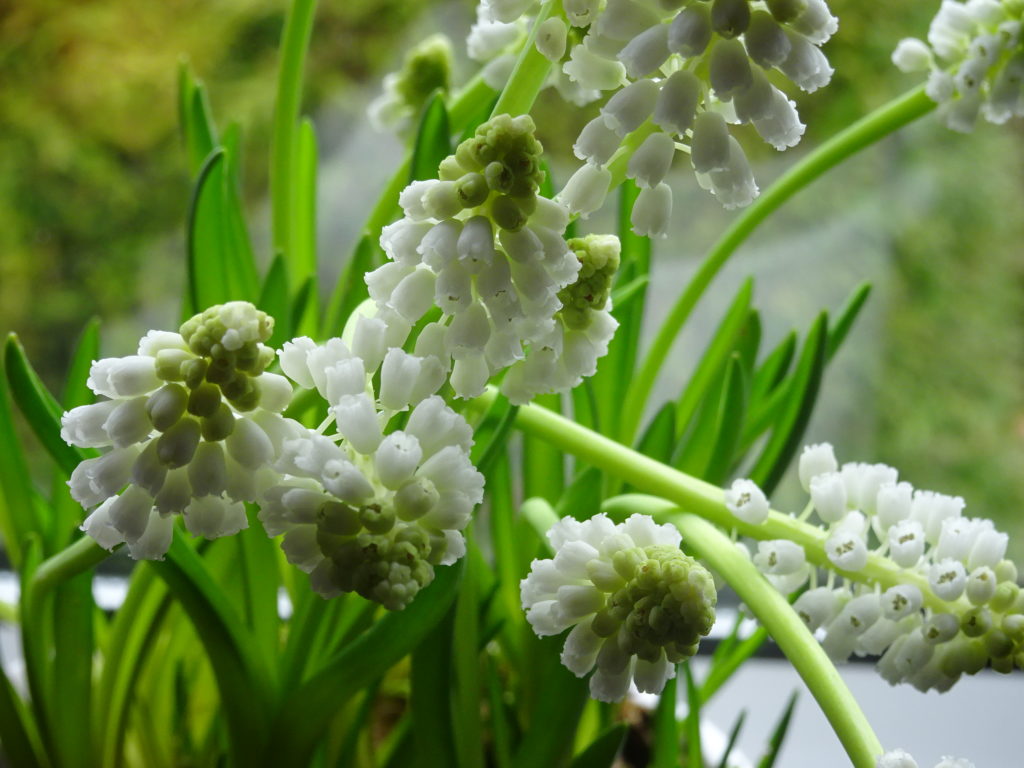
White Grape Hyacinth or Muscari armericum album


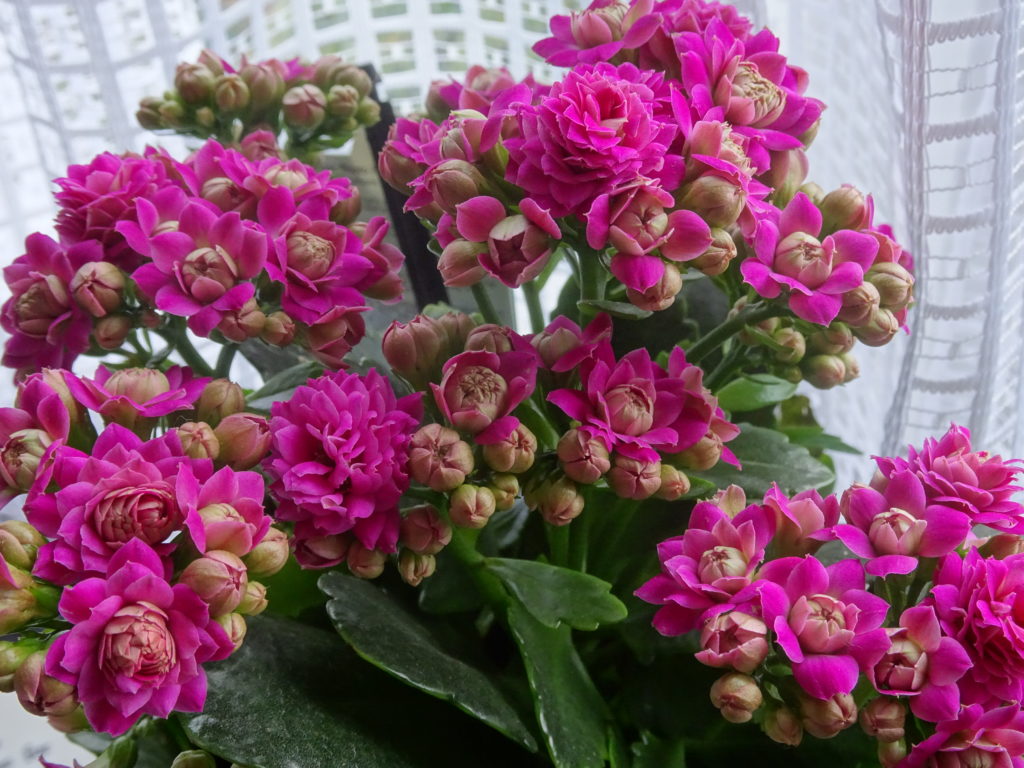
Kalanchoe blossfeldiana a succulent and one of many varieties of Kalanchoe


African Violet – Saintpaulia


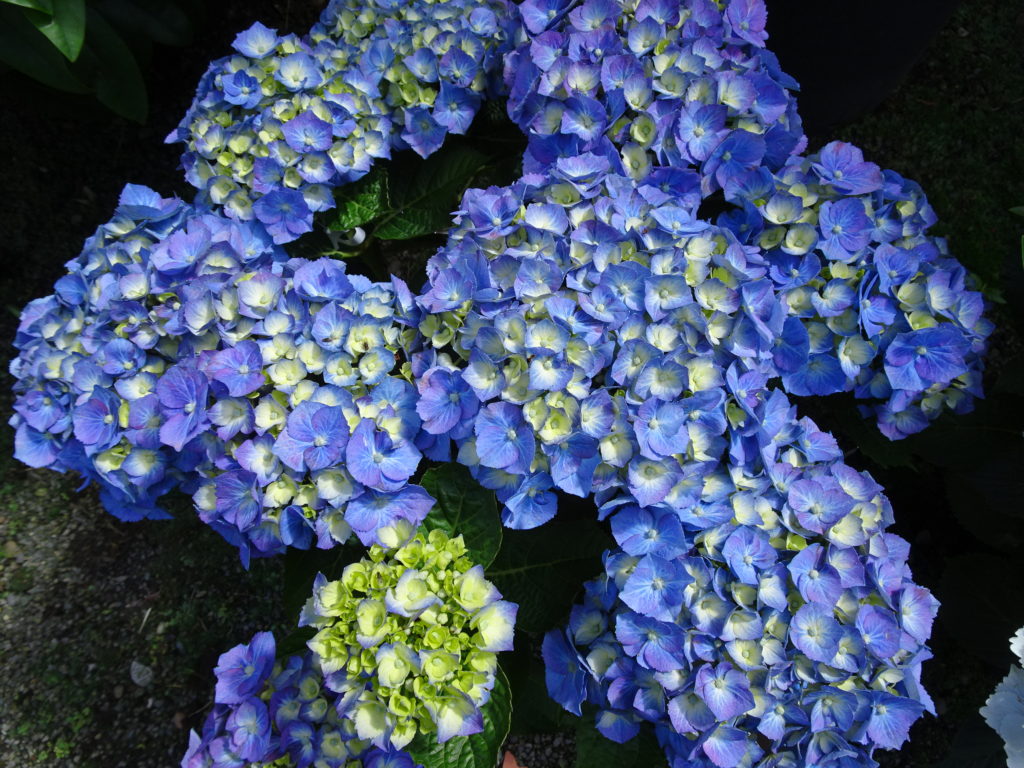
Hydrangea macrophylla

Primrose Pathway

Primrose Pathway

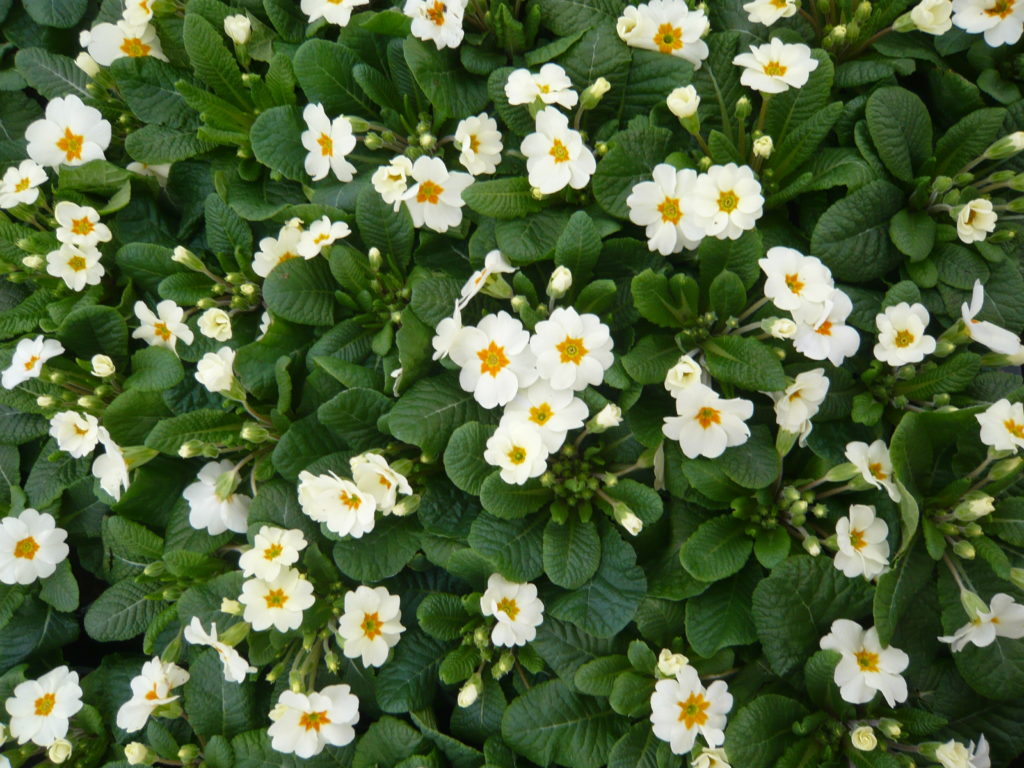
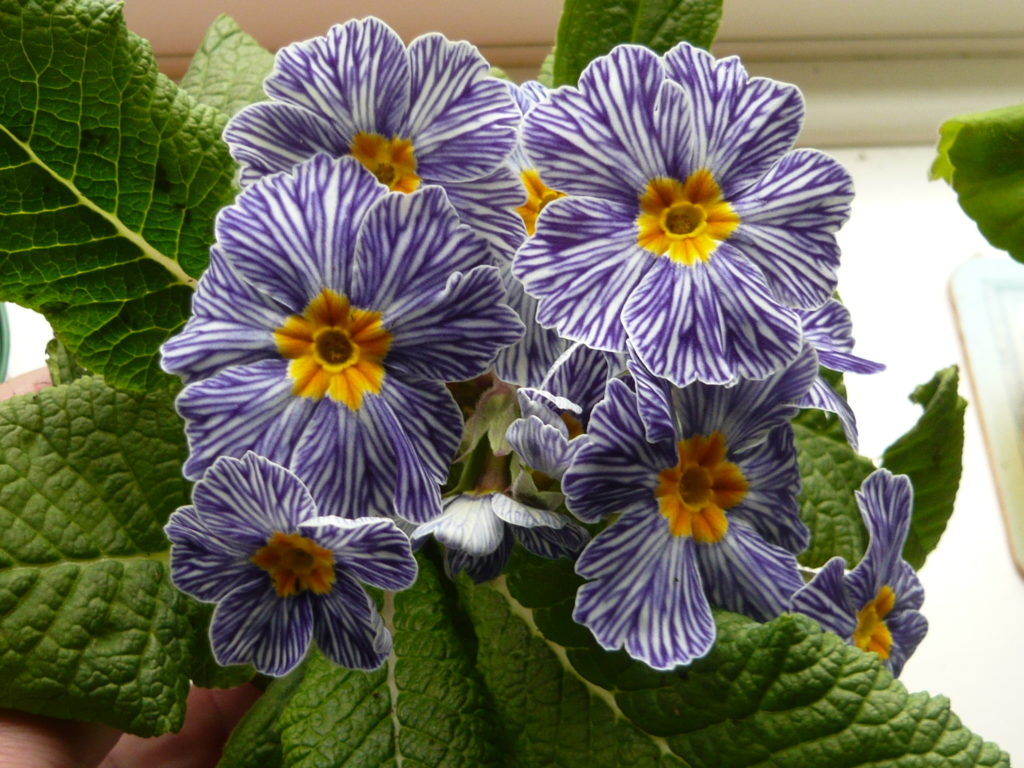
2018 has been a very good year for Primroses and Primula. The cool, wet spring and occasional bursts of sunshine have played their part.

Reason for Popularity

    • Over many years there have been incremental improvements in breeding and cross pollination of varieties.
    • Gardeners have a wider choice of colour, form and more reliable vigor.
    • Retail has hit the mass market with most supermarkets and many other stores having a primula offering.
    • Cost has been reasonable and it is easy to maintain plants from year to year.

The Primulaceae Family

  1. Primrose is the common name for Primula vulgaris
  2. Primula vulgaris subsp. sibthorpii is the base for coloured primroses mainly in reds and pinks
  3. Cowslip is the common name for Primula veris
  4. Polyanthus, are a cross between  P. vulgaris x P. veris creating multi-coloured strains of longer stemmed flower heads.