Browsed by
Category: Articles

Gardening articles that may not include tips

A Bunch of Flower Photos

A Bunch of Flower Photos

Nothing in the flower world says more about the season than a Sedum like this bunch of Autumn Joy. As a careless gardener I seem to have lost my Sedum with dark purple, fleshy leaves but it was never as robust as Autumn Joy.

sedum

Due to a lack of sun and summer warmth our Sunflowers have been very tardy this year. It is hard to believe that I have only one flower on display at the beginning of September.
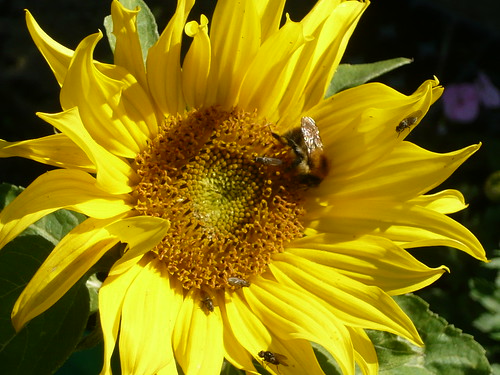
sunflower and bee

I planted some perennial Lobelia and they have thoroughly enjoyed the wet conditions during summer as they built up strength for this sort of floral display.
This variety may be Lobelia speciosa ‘Grape Knee Hi’ or Hadspen Purple and I have several Lobelia cardinalis that have prevoiusly defied my gardening skills.
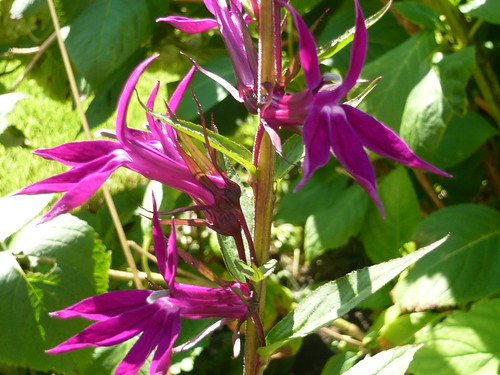
Lobelia

Another monster this year has been the Phlox paniculata. White and pink varieties in particular have shown spectacular flowers and scent.
Bunches of flowers indoors are still giving delightful aromas even though we have hidden the flowers on top of tall cupboards as the vases are a bit naff and there are so many other flowers deserving display.
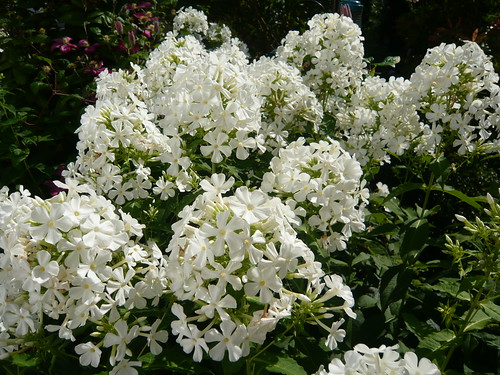
Phlox

The late flowering double Clematis has just made it into my autumn photos. Clematis Josephine Evijohill is a ‘florida’ type that was on sale at a local nursery. I resisted the temptation to buy and so I will not have any genuine garden photos to show in future.
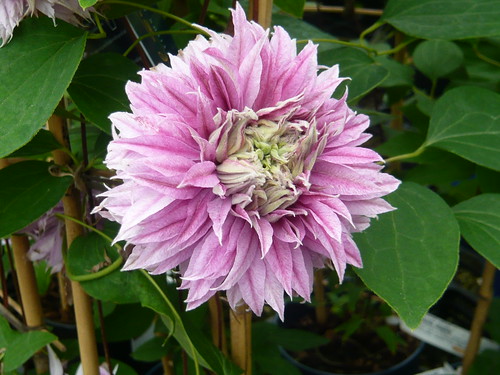
Clematis Josephine Evijohill

Yellow & Lilac
Tejvan took this photo in Oxford Botanic Gardens. On the left is an imposing Verbascum. I love the way its tall yellow spikes contrast so well with the purple spikes in the background. Just to add a bit of interest there is the odd splash of orange from a rogue intruder.
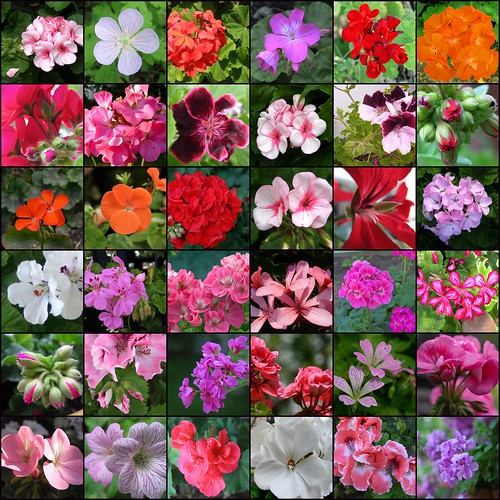
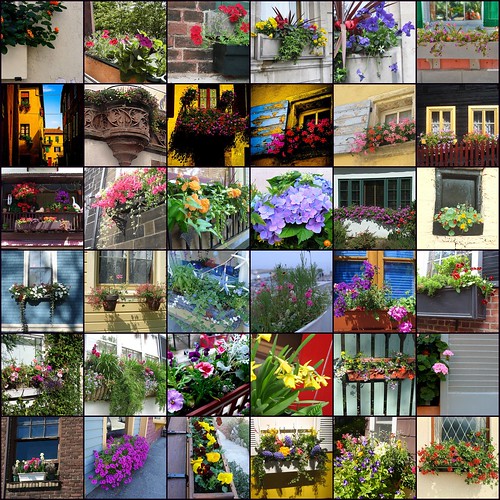
Floral Mosaic Garden Photos

Floral Mosaic Garden Photos

Thirty six photos arranged as six by six pictures of perfect plants are formed together by robynejay to produce these stunning mosaic patterns.
I am hard pressed to select a favourite but will opt for the red Poppies.
No true gardener would want to see all those hungry caterpillars but aren’t they fantastic?

Geraniums

Window Boxes

Read More Read More

Carl Linnaeus Father of Plant Classification

Carl Linnaeus Father of Plant Classification

It is over 300 years since the birth of a Swede Carl Linnaeus(1707-1778).  His father’s garden ‘inflamed his mind from infancy with an unquenchable love of plants’ that led to a nickname ‘Little Botanicus’.

In 1735 he published his first edition of ‘Systema Naturae’ a classification system for all living things followed by ‘Species Plantarum’ dealing with plants and horticulture. He authored many botanical books and his library was used as the basis to found the Linnaean Society of London which is still going strong and recently published:

‘Order out of Chaos’ Linnaean Plant Names and their Types

By Dr Charlie Jarvis

Linnaeus devised his class system for plants based on the number and arrangement of the male and female parts of a flower, his so called ‘sexual system.’ For example the ‘Sweet William’ – Dianthus barbatus has 10 stamens per flower and is in the Linnaeus class Decandria. The name Dianthus barbatus comes from Greek Di the god Zeus and anthos meaning a flower. barbaratus means bearded and refers to the hairs in the mouth of the flowers. The Sweet William was widely cultivated in the mid 18th Century and had a number of garden form of which Linnaeus lists at least 10 including albo white, roseo pink and flore multiplici a double flowered variety.

  • Let Linnaeus encourage you to look closely at plants and Flowers in particular
  • Consider what is behind the name of your plant and how and why it has been chosen
A Leaf From The Sweet Pea Book

A Leaf From The Sweet Pea Book

Book Cover by Graham Rice

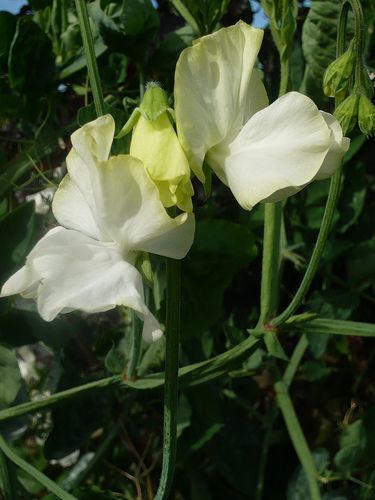
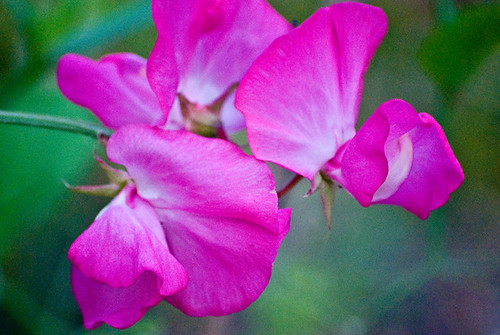
The Sweet Pea is no joking matter, it is not good gardening to trifle with one of the best garden flowers. But hey who is making the trifle anyway…
“What is your wife’s favourite flower?”
“It’s self-raising, isn’t it?”

Sweet peas in the garden 185/365

Sweet peas in the garden 185/365 by Carol Browne, CC BY-NC-SA 2.0 ‘I’ve got a few sweet peas growing in the garden. Sadly, I had envisioned a forest of sweet peas, but only have a few at the moment.’

Read More Read More

Pruning Books are a Snip

Pruning Books are a Snip

Cut price books for gardeners.
Pruning Clematis frightens many gardeners. Early flowering clematis alpina, montana, armandii and macropetala should be cut back ass soon as they have flowered in May. This encourages new growth for flowering next year.

Buying a good Pruning Book is a snip if it can save one good plant or thin out your fruiting crop at the right time.
It can be false economy to keep loping without purpose when the cost of a book can be repaid so quickly by the successful reshaping of your ornamental plants.

Book Cover

Read More Read More

Moses or Roses or Moss Roses

Moses or Roses or Moss Roses

Do not mistake roses for noses and ask for a big red one.

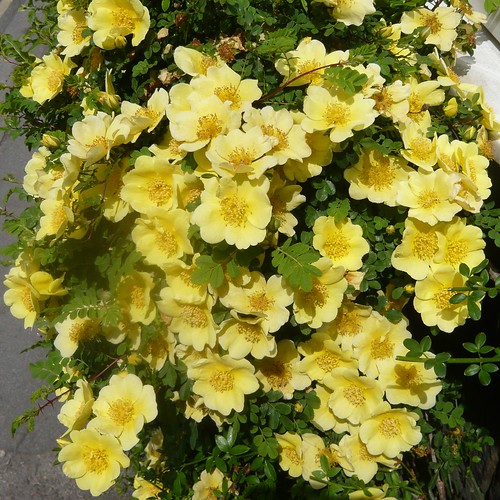
Canary Rose

Teach a Poem to Your Canary Bird Rose

Moses supposes his toeses are roses,
but Moses supposes erroneously,
Moses he knowses his toeses ain’t roses,
nobody’s toeses are roses as Moses supposes his toeses to be.

OK but not that poem!

May be you don’t want a poetic budgie but many gardeners feel the urge to rhyme occasionally.

Try clicking these books if you feel poetic;
Book Cover

Book Cover

Book Cover

Black Flowers and Foliage for Gardens

Black Flowers and Foliage for Gardens

‘Black is the new Black’
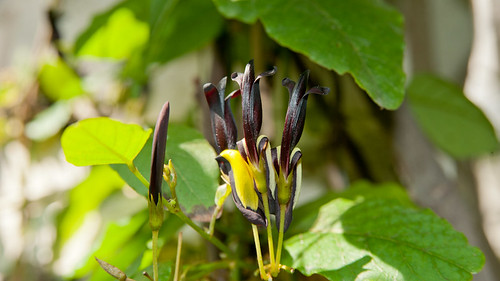
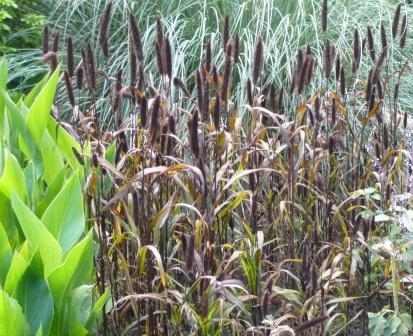
Black coral pea

As a child did you read ‘The Black Tulip’ or try to grow a black rose? Well here are some tips to help you grow black plants in your garden’. Most of my black plants unfortunately are black because they are dead but that still leaves lots of other varieties to choose from.

Foliage

  • Certain dark purple leaves look almost black including Cotinus Smoke Tree ‘Royal Purple’, Heuchera ‘Palace Purple’ and Purple Beech Fagus Atropurpurea
  • New Zealand flax phormium tenax has various purple varieties. There are also black mondo grasses nigrescens.
  • If you want black in the fruit and vegetable garden try a grape vine ‘Purpurea’ or bronze fennel. If space permits the Black Walnut tree has black fissured bark.

Read More Read More

Shocking Colour Combinations

Shocking Colour Combinations

inspires

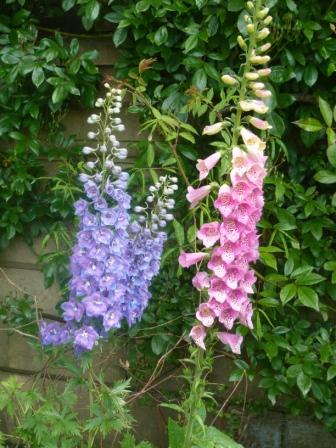
The soft pink and pale blue are a bit sugary for many gardeners but  the idea of tall spiky plants flowering together inspires other combinations. The Delphinium is perennial whilst the Foxglove is  biennial and has been placed just in front of the Delphinium to get the effect. The spikes inspire both in colour and architectural shape.

Pink & Blue Ideas

  • A Califonian Lilac Ceanothus impressus has bursting blue flowers and could be under planted with Bellis Perennis Pompomette a double daisy in shades of pink. Avoid the red  Bellis plants as they will clash.
  • Silene schafta is a magenta -pink and for low growing rockery plantings it can be mixed with the blue Campanula porteschlagiana.
  • Bearded Iris have many strong blue varieties and  pink Peony Sarah Bernhardt will make the blue and pink connection with mixed foliage shapes and textures.
  • In mid spring we are familiar with the Jan Boss and Delft Blue hyacinths but I find the contrast fails to inspire me and I would go for a different combination.

Read More Read More

Top 10 Small Gardens

Top 10 Small Gardens

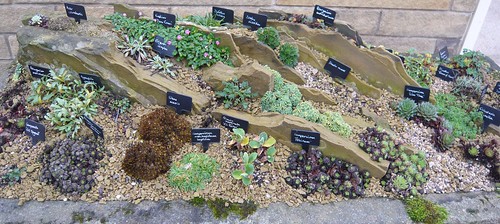
Alpine Trough

You can grow an interesting garden in an old sink, trough or container that you have to hand. In the case of the photograph above all the plants chosen were small compact alpines. They include small varieties of normal garden favourites such as Asters, Pinks (Dianthus), Campanula, Gypsophilia, Primula, Sempervivum and Pelargonium (Geraniums).

Types of Small Garden

1. Container
A collection of plant pots on hard standing can look exceptional. The choice of plants is massive, fruit trees, trailing annuals, bulbs, conifers the list is endless. Hanging baskets also fit in this category of containers and as an idea try a herb garden in a basket near your kitchen door.

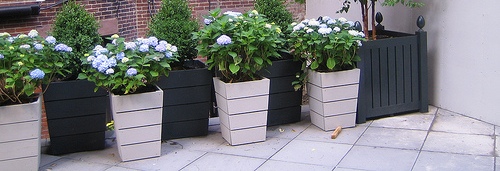
2. Window boxes
If you have ever seen Swiss Chalets in summer they will probably have been brimming with red geraniums and brilliant trailing flowers. Free window box plans are available for DIY experts to try and make their own.

3. Bonsai

Read More Read More

Cornus Family of Dogwoods

Cornus Family of Dogwoods

cornus-controversa

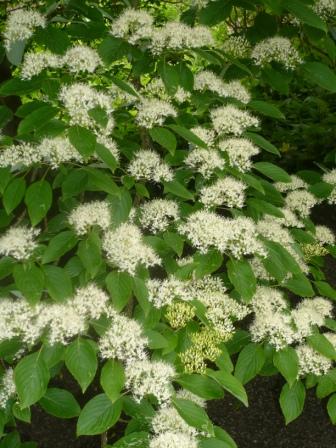
Cornus controversa is a striking tree with tiered habit and heads of creamy-white flowers in May leading to it’s nickname The Wedding Cake Tree. The leaves of Cornus controversa Pagoda are a vibrant, dark green in spring and summer before turning a rich, plum-purple in autumn. The shrub is robust and can be seen growing to 50 feet in the national collection of Cornus at Newby Hall Garden.

dog-wood-in-bloom
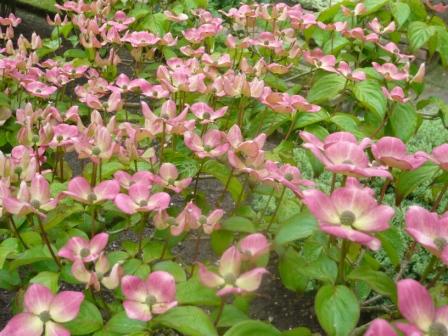
This Cornus Kousa Rosea is a great shrub about 4 feet tall with a tiered habit and bracts around the flowers of reddish pink.

Cornus mas forms a large shrub or small spreading tree up to 15 feet tall with shiny, dark green leaves which turn reddish purple in autumn. It is grown mainly for its profusion of tiny golden yellow flowers which are borne in rounded clusters on bare stems before the leaves develop, giving a cloud of welcome winter colour. The flowers are followed in summer by unusual oblong shaped, fleshy, bright red, edible berries, hence the common name cornelian cherry.

Read More Read More