Browsed by
Category: Articles

Gardening articles that may not include tips

My Plant Partners

My Plant Partners

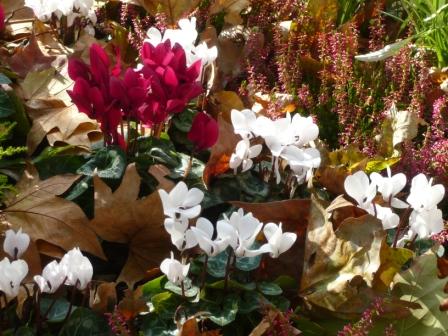
Combining plants in different ways is one of the joys of successful gardening. Different shapes and textures or bold colour schemes may be the trigger to make a combination work and there are companion plants that encourage growth in others. These wine red and white cyclamen produced a great contrast on their own but combined with the winter heather and the brown fallen leaves they were putting on a regal show in a local churchyard.

Recommended Plant Partnerships

  • A Chinese whitebeam tree, Sorbus hupehensis unfolds sea-green ferny leaves in spring with white flowers in summer. Its beauty can be enhanced by underplanting with the arching Berberis x rubostilla.
  • For autumn contrasts try Acer palmatum’s red leaves with a variegated Holly like Ilex Madame Briot.
  • For a silver leaved collection try Lavender Hidcote, Artemesia Lambrook Silver with Dianthus Mrs Sinkins. To highlight the combination have an old fashioned Gallica red rose as a centre piece.
  • Euonymus radicans and the smaller Eythronium White Beauty have pleasing yellow and white contrasts.
  • A couple of dogwoods can look striking in winter. Try cornus alba Sibirica red and the yellow stemed cornus stolonifera. Prune them hard in spring.
  • A rose like Queen Elizabeth can have its leggy stems surrounded by Rosemary or Lavender or even small violas.
  • Hostas and Primula japoinica or Harlow Carr hybrids both like waterside conditions and thrive together. Hostas with yellow-green leaves also go well in front of smoke bushes Cotinus coggygria
Cloak a wall in Jasmine

Cloak a wall in Jasmine

This Winter Jasmine or Jasminum Nudiflorum is just flowering on a neighbours, southwest facing, brick wall. Flowering a bit earlier this year it should flower through to March. The result shown is as a result of regular pruning and the stems have been tied in.

  • Left to it own devices the winter jasmine will form a 2 foot high mound as it won’t twine and is unable to climb unaided.
  • Cuttings from the arching stems can be taken in early summer.
  • Although deciduous the young stems are green and the flowers are born on bare stems giving the overall impression of an evergreen.
  • Unlike indoor Jasmine this plant has little or no fragrance
  • The AGM has been awarded to Jasminum Nudiflorum and it also has an apt Chinese name ‘Welcoming Spring Flower’

Coloured Leaf and Leaves

Coloured Leaf and Leaves

Before the Autumn leaf colours start to invade our senses I am just recapping on the leaves that have made an impact for me this summer.

Outdoor Leaves

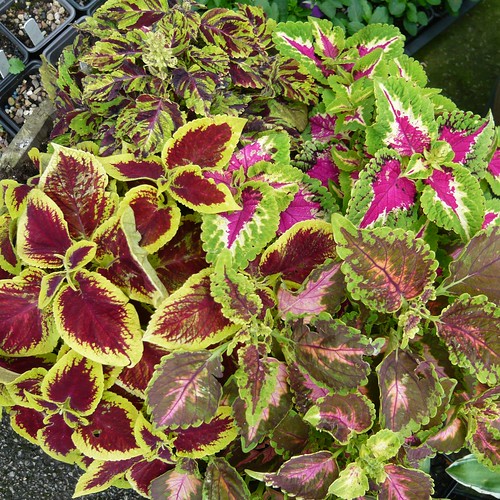
  • Coleus is a colourful exhibitionist of a plant. A whole range of colours can be combined on one or two plants like the assembly in the above plant pot.
  • Cotinus coggygria, the Smoke Bush, has been one of my favourites this summer with the royal purple leaves acting as a back drop to paler coloured leaves particularly of various grey foilaged plants.
  • Cineraria Maritima has provided the grey and blue grey interest for several darker corners. With the poor summer I have not had any of the straggly yellow flowers to steal any thunder.
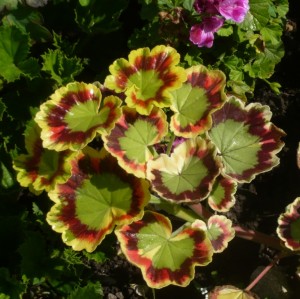
  • Zonal Geranuims vary in the amount of colouring they carry but some varieties are grown for the shades in the leaf. The plant in the photo below has yellow, bronze and greens in separate banding on the variegated leaves.

gera

Indoor Leaves

  • After many year and too many alcoholic drinks the Apidistra in our local pub has gone to the great brewery compost heap in the sky. Still my wife is Cast Iron in her belief that it was a boring plant.
  • Begonia rex on the other hand have contorted leaves withribs of many colours.
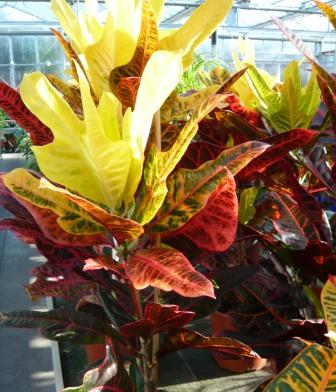
  • Codiaeum variegated plants have come hot foot and hot colours to the fore in recent seasons.
  • It may be cheating to include the coloured bracts in cream, pink and notably red of the Pionsettia but with Christmas coming I do not think you will hold it against me.

Gardeners Tip – Use coloured leaves in some areas as an alternative to flowers when designing your garden layout.
You do not need flowers to produce colour in your houseplants. In addition to Begonia Rex and its relatives why not try growing some Codiaeum, an easy to maintain leafy plant.

Codiaeum

Codiaeums are interesting foliage house plants also called Joseph’s Coat.

Codiaeum Cultivation Tips

  • This variety is called ‘Petra’ but you may also find ‘Eugene Drapps’ with long lance shaped leaves almost entirely yellow.
  • Keep plants moist and in good light with a temperature of at least 60-70° F.
  • Root 6 inch cuttings taken from the top of the plant at 70° with a bit of bottom heat.
  • Plants can be encouraged to branch by pinching out the growing tip.
  • Frequent feeding is needed except in winter when growth slows.
  • Large plants will have lots of roots so it may be worth potting up a size using loam based compost.
  • Red spider mite can be a problem with Codiaeums
  • Without good light but not full scorching sun the colouring will not be as strong and bottom leaves may be shed.

Codiaeum Madiera

Tulips from Catalogues

Tulips from Catalogues

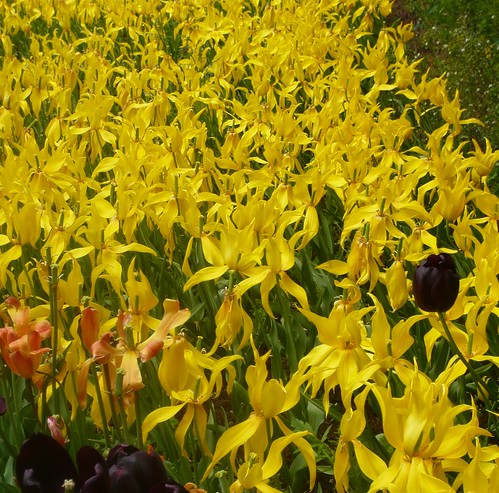
Tulips grow from bulbs not catalogues but I guess that is obvious. Nevertheless I think the first job is to check over any Tulip bulbs you lifted last spring to dry off. Bin any with mould or soft centers, do not add them to your compost heap.

There are many bulb catalogues now available and they usually supply a lot of information about the Tulips origin, size and flowering characteristics. If you are not on a mailing list you can respond to numerous off the page adverts in the press and magazines.
I like J Parker for the range and wholesale prices on larger volumes.
Bloms bulbs have been around for over 100 years and supply good size bulbs at a price and DeJager is another old established supplier.
Spalding bulbs are over marketed with too many gimmicks and free gifts so personally I tend to avoid them.
Of the many other bulb sources most seed companies supply bulbs by mail order but I particularly like the niche suppliers like Miniature Bulbs.

The big plus from mail order catalogues is that you can browse the pictures and specifications selecting the types and varieties you want. On the down side you are trusting that a good sized bulb will be supplied (a good big one beats a good small one). Remember too complain if you are unhappy with the bulbs you get, most companies value their reputation amongst gardeners.

Uses for Crab Apples

Uses for Crab Apples

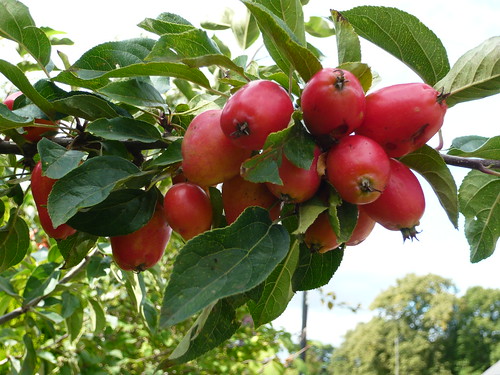
Crab apples can be used as food, for ornamental effect, to help pollination, or for the wood. The wild crab apple found individually in woods has green fruit turning golden in Autumn. Cultivated crab apples vary in habit and grow upto 10 feet. Fruiting this year looks like a bumper harvest after the wet weather earlier in the year.

Crab Apples make attractive ornamental trees with their pink or white blossom, followed by colourful autumn fruits that make delicious preserves. Varieties John Downie, Golden Hornet, Laura and Red Sentinel are all self fertile. Crab apples planted near fruiting apple trees make excellent pollinators and will help pollinating bees to increase your crops.

Crab apples are used to make jelly, pickles or can be roasted and served with meat or added to winter ale or cider. Any unpicked fruits will soften after a few frosts and will create a sumptuous food source for wild birds from late January until March. For a jelly recipe with a chillie kick try Cottage Smallholder

The timber of the crab apple is uniform in texture and if dried slowly, is excellent for woodworking. At one time it was used for making set-squares and other drawing instruments. Failing that apple wood burns in your chimenea of fire grate with a nice aroma.

Order now for winter delivery Crab Apples at Thompson & Morgan

Strange and Attractive Autumn Shrubs

Strange and Attractive Autumn Shrubs

It is worth inspecting closely the plants that have waited all year to bloom or display special features.

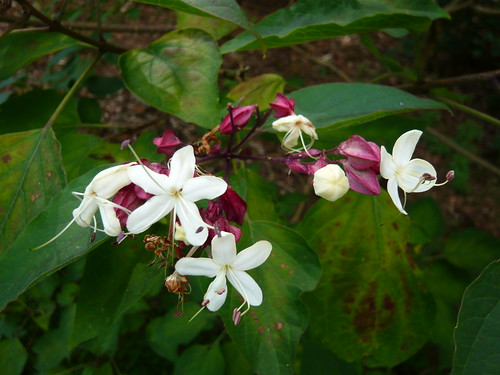
This purple and white flower combination was covering an 8 foot high and wide bushy shrub at Thorp Perrow. It was catalogued as ‘Clerodendron trichotomum’. I have managed to kill my own Clerodendron so I was happy to see a large sweetly scented plant in such robust health. The white flowers and maroon calyces will be followed by blue berries for which the plant gets its Autumn plaudits. I would recommend this variety rather than Clerodendron bungei which is less gainly and has feotid leaves.

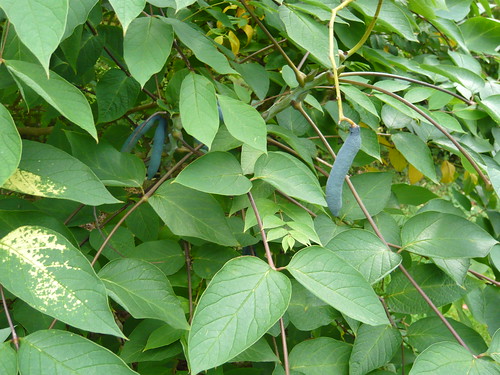
I am trying to work out what this shapely shrub with the long blue pods is called. Any ideas?

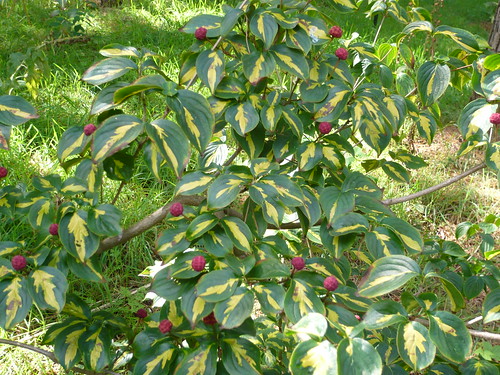
Cornus Kausa ‘Gold Star’ is a variety to look out for with the variegated foliage and the red seed pods in Autumn.

Other Resources

Royal Horticultural Society RHS ‘Gardening for All’
National Council for Conservation of Plants and Gardens ‘Conservation through Cultivation.’
Garden Organic National Charity for Organic Gardening.
BBC Gardening

Gardening Consequences of a long Holiday

Gardening Consequences of a long Holiday


botanics

Will I learn from my 4 week holiday traveling Europe by train? Probably not but I can list some of the gardening events that need to be considered next time I take off.

Short Flowering Season

  • Dahlias were just coming into full bloom as I left for my holiday. I had carefully prepared the ground this year with extra helpings of horse manure as I know Dahlias are heavy feeders, a bit like the horses themselves.
  • Without the deadheading, that I would have done, they now look well past there best and are running to seed. Never the less I have cut them back quite hard in some cases and if we get a frost free autumn I may get a subsequent flush of flowers.
  • Most flowers are genetically programmed to produce seed to continue the species and when this is done the energy for flower production goes into seed production and winter survival.

Friends and Neighbors

  • My greenhouse had been well tended in return for a supply of tomatoes. The Gardeners Delight cropped well and were sweet and juicy but the cool weather in early September  has slowed the ripening of the larger varieties.
  • I ordered some plug plants, long enough ago to have forgotten, for delivery late September.  As you would expect they arrived in August just after I had left. Fortunately they were noticed on my doorstep and taken in by a sensible friend who has saved my 150 or so plants.
  • The kids came and looked at the house and watered the houseplants once each, two days apart! So no water for 3+ weeks than a double dose.
  • I was willing to sacrifice my pot plants but unrequested watering by another friend has prolonged the begonia flowering and they look a treat.

Internet Gardeners Tips

  • Before leaving I preplanned a series of web page postings – you can predate your pages. Sorry I didn’t manage to cover the whole period but only a week has gone by with nothing.
  • I now need to get some autumn photographs to help illustrate the next batch of Gardeners tips pages.
Roses on April 1st

Roses on April 1st

You may wonder how roses flower on 1st April when your favourite flower is just at its summer best

Madiera mch11 269

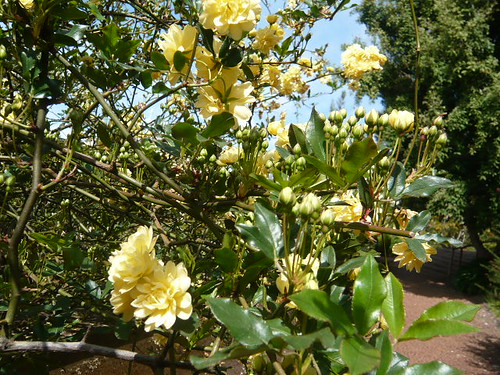
This is not a joke or April fools day prank but the pictures of all these roses were taken in Madieria on that date.

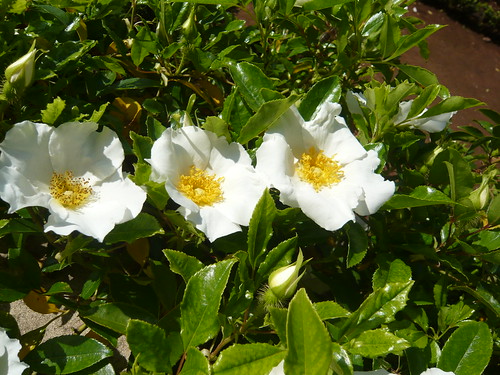
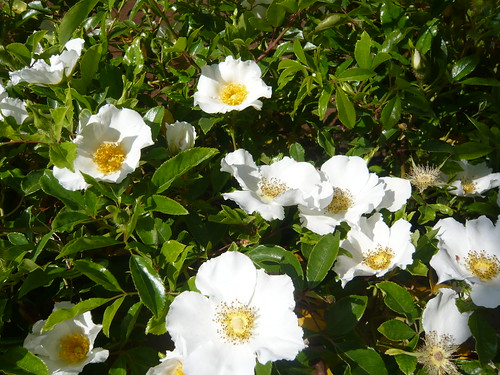
In sheltered spots old fashioned roses will bloom earlier than HT or Floribunda roses. I am told that by the end of April the Cornish gardens will have roses in bloom.

Meanwhile we will have to be content with these photographs, our memories and the work still to be done on roses in our gardens.

Madiera mch11 268

I was impressed by the volume of rose buds on this rose. It had a slightly rambling appearance and I regret it was not labeled.

Madiera mch11 274

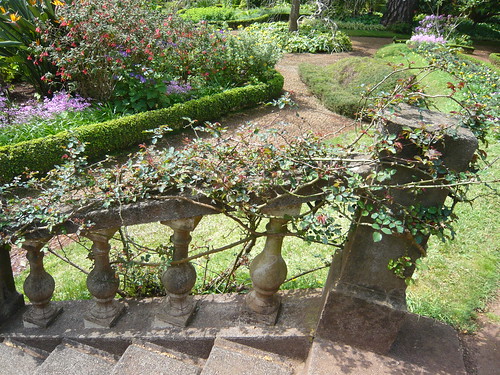
Training climbing roses can produce some great shapes and flowers. The balustrade for these steps will be strewn with blossom in a month or so’s time.

Madiera mch11 278

Foliage of Spring Greens and Bi-colours

Foliage of Spring Greens and Bi-colours

Madiera mch11 319

Greens are vibrant in your garden during spring and with careful plant selection good foliage can be grown throughout the seasons.

Many shrubs flower before or as the buds are breaking. The greeny yellows and the limes are a joy to behold

Some variegated shrubs give double the value with the greens and yellows blending so well. Who need flowers?

Madiera mch11 361

Leaf shape, leaf colour and overall plant form are worth considering when opting for a new plant in your garden.

Madiera mch11 362

Inside our house we have a large number of plants that have been chosen for their leafy green appearance. This is a calming colour and the moisture around the plant improves the humidity levels.

Madiera mch11 360

More exotic colours are not always difficult to cultivate but access to sunlight generally helps.

Book Cover

Willow as a Crop

Willow as a Crop

copiced land

Willow can be grown as a crop and used for many purposes. It is not a garden crop as it needs a lot of water and can be a bit of a thug as a tree.

This Willow is growing on the flood plain at Rodley nature reserve. At the back you can see 8 feet high trees growing away. You can also see how some trees have been coppiced or cut to the ground and the uprights taken away.
The stool or remaining root will regrow a further crop of willow for next year.

Fence from coppiced willow

Willow can be woven to form hurdles or fences. Willow is supple and will bend when green and can be watered to increase suppleness.

Laid hedge

Laid hedges are made by partially cutting through uprights and laying the young growth at a slant. Willow is used to offer an upright support against which the laying can be joined.

In addition to traditional uses Willow Weaving has become an interesting pastime. Garden supports, arches and frames can be built from willow and sculptures can be created by the artistically or practically minded. Grow sweet peas up a willow frame.
A step guide DVD is available from amazon

Willow can be grown in rows of bushes and cropped for making basket weaving willow. Grow your own trug!

Book Cover