Browsed by
Category: Articles

Gardening articles that may not include tips

Lions or Griffins Sculpted in your Garden

Lions or Griffins Sculpted in your Garden

high trees 131

I saw this lion at our local garden centre. He was guarding the entrance and looked the ferocious part. But there aere more interesting sculpture displays this summer 2019 in some bigger garden spaces. The Yorkshire sculpture park has a Damien Hirst outdoor sculpture at their current exhibition and Kew Garden is featuring Dale Cilhuli glass sculptures. Newby Hall in North Yorkshire has contemporary sculpture which showcases the best of British in a woodland setting.

Stone Sculpture Pros and Cons

  • Natural stone looks good in the right place. It creates a better effect when local stone is used
  • Stone looks good in the right place. It creates a better effect when local stone is used. Aim to achieve a material that is sympathetic to the area.
  • Reconstituted stone looks good in the show room and for several seasons. For some reason it weathers more rapidly or looks less crisp a couple of winters later.
  • Good stone that has been well carved can be very expensive
  • Stone is heavy and not easy to move around or steal.
  • Sculptures without natural sunlight get more moss and lichen than well lit well located sculptures.
  • Good sculpture can provide both a talking point and a feature or focal point in your garden design.

Sculpture Comments

  • Large scale sculptures work best in larger gardens. It is worth balancing scale as too small a sculpture can get lost from view.
  • White or light stone sculptures should be set against a dark background
  • Small sculptures can be mounted on a plinth for greater effect.
  • Sculptures work well in pairs. Natural items work best in odd numbers
  • Old and valuable stone items should be insured, bolted down or alarmed. Thieves will steal anything!
  • A resin and composite stone sculpture like that below will cost significantly less than a stone sculpture.
  • Cheaper sculptures tend to lose the sharpness of carving or molding.

Gargoyle

Animal Life in the Garden

Animal Life in the Garden

Some  animals can be a real pest in the garden. Their crimes include eating the wrong thing, digging in the wrong area, turning grass brown with urine and leaving a dirty mess. Some chose your favourite plants to damage as I know from some aggressive over fed pigeons in my own garden.
In my experience the worst offenders are rabbits, cats, mice, deer, pigeons and dogs including foxes. Rats cause concern but have not caused direct damage in my garden.

Animal Deterrents

  • Cats and dogs scrape and dig often in the friable soil where you have planted precious seedlings. They can be frightened off with a sonic sound device like the one above.
  • Scent can scare off many animals. Old wives tales of lion or elephant dung may be far fetched but Retnardine sprayed on seems to work. A crushed garlic in water spary has some short term effects.
  • Rabbits and deer can be fenced out of your garden with special mesh, wire or high fences. That way the pesky blighters will go elsewhere for breakfast. Fences and hedges don’t seem to work against determined cats who always appear to prefer your garden to their own.
  • Birds are scared off brassica crops by special scarers, scarecrows or more effectively by netting and string.
  • Mice have eaten lots of my bulbs this year and when I plant new ones I will put a mesh over them before the soil is replaced as protection.
  • Rats I have poisoned as they bred around my compost heap and I had health concerns.
  • Slugs are  a whole new ball game

Sonic Repeller

I was asked about dog problems by a member of our local crown green bowling club. Apart from sonic repellers of electric fences the only answer would be a 24 hour patrol!

Animal repellers from Amazon
Book Cover

Garden Theft and Special Garden Insurance

Garden Theft and Special Garden Insurance

Is your garden safe from petty crime? Unfortunately in recent years garden theft has been on the rise. Plants, furniture, metal objects and statues can all be  attractive to thieves. Our local police  circulated this timely reminder on how to ‘nip crime in the bud’.

‘…Another emerging trend is for garden tools and rubble left lying about in
the garden to be used to smash windows to gain entry into properties. Now
the weather is becoming milder people are starting to venture back into
their gardens to tidy up, but seem to be leaving their tools lying around,
which make ideal implements for a would be burglar. Please remember to
secure all tools when you have finished gardening, and to tidy away bricks
and rubble if at all possible.’

Plant Pot Worth Pinching?

Another reminder when you are in the garden shut and lock doors and windows. You can be surprised how crafty and cunning some ‘nere-do-wells’ and ‘have it away day’ thieves can be. Even with care you may still be susceptible to burglars. We had our non europrofile locks broken in less than a minute, the barrels were thrown into a large shrub where we recovered them and finger prints but not the items stolen from our bedroom.

Garden Insurance

Here are some tips on what to insure and how you could be covered

  • Theft of trees,  plant pots, containers and specific plants that are within the boundaries of the home.
  • Statues, semi- permanent features and structures such as arches and arbors.
  • Loss or damage to fences, gates, hedges, lawns, patios, ponds, rockeries and walls caused by storms, floods, fire, malicious or accidental damage.
  • Loss or damage to fish or animals is unlikely to be included in garden cover.
  • Consider the total value of the items to be insured. Do not underestimate the value when setting up a policy.

Other Policies

  • Your household contents insurance may cover garden furniture as well as the contents of your shed and garage but not on all policies.
  • Your household buildings cover should include outbuildings  if they suffer damage caused by falling trees, storm or flood but again you need to check.
  • You should have public liability insurance under an existing policy but it is worth checking particularly if you open your garden to visitors.
  • If you work as a jobbing gardener you need business cover. You may also want special accident cover against personal injury.
  • Talk to an expert of broker.

Read More Read More

Gardening for Those Getting On in Years

Gardening for Those Getting On in Years

Expert gardeners may have spent more than half a century developing their skills but you are never to old to start, nor are you too old to learn easier and simpler ways to enjoy your gardening.
Bending and kneeling may get a bit harder as you age but there are ways to overcome mobility restrictions like padded kneelers with good handles.

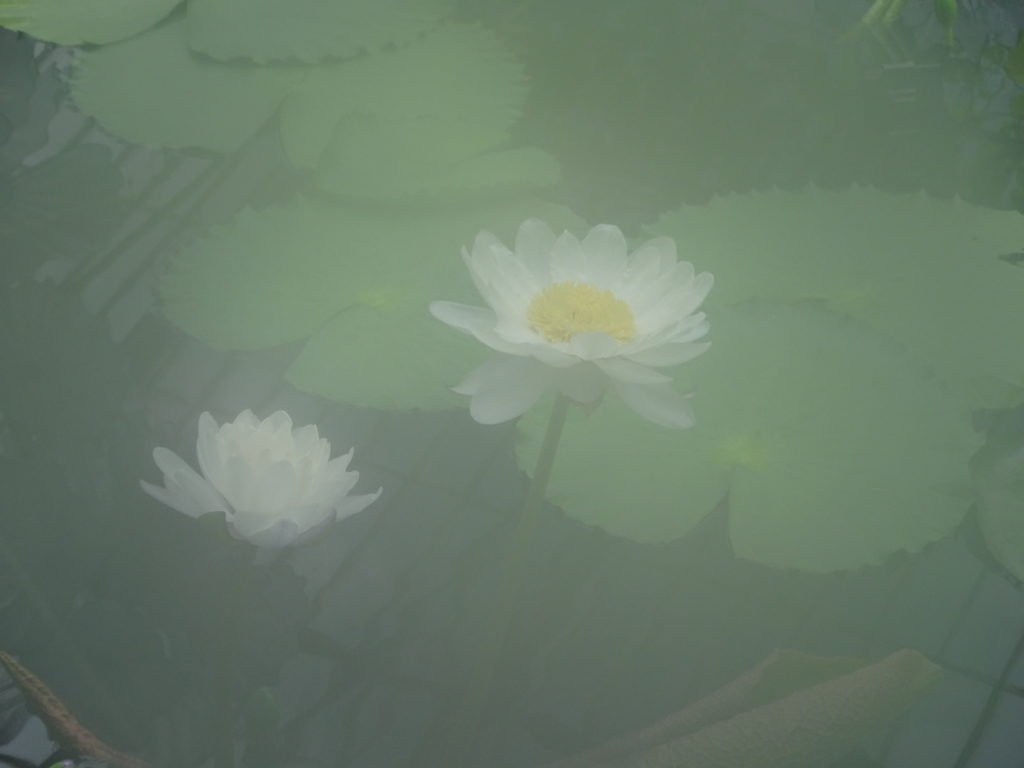
Waterlilies Viewed through my cataracts?

Tools as You Age

  • You are not going to double dig acres of ground so get a spade to suit. A small stainless steel blade lifts less but will not over tax the muscles and still get most jobs done at a steady pace. Mud wont get claggy and stick the blade so you only lift it once.
  • I have very useful smaller forks and a trowel on long handles. They are easy to obtain and save your back. You can also fashion your own dibbers and gadgets
  • A two wheeled barrow is lighter for pushing than a traditional one wheeler.
  • Use large pots and containers to reduce watering and put them on casters for moving around or better still leave them in a permanent spot.

Book Cover
The Illustrated Practical Guide to Gardening for Seniors: How to Maintain Your Outside Space with Ease Into Retirement and Beyond by Patty Cassidy from Amazon

Easier Gardening as You Age

  • This above book shows how easy it is for seniors to carry on gardening, into and way beyond retirement.
  • It looks at different kinds of homes and the gardens they provide, assessing the location, local climate and soil type and evaluating problems such as arthritis and loss of balance.
  • The book also outlines the importance of taking care of your body, summarizing the safety issues, what to wear, warm-up exercises and equipment to make the garden easy to access for unsteady feet or wheelchairs.
  • Included is a directory that profiles the many planting choices available, each with a difficulty rating and a hardiness category.
  • Gardening for Seniors is packed with projects, garden plans and step-by-step sequences.
  • Easier gardening will appeal to active gardeners in their early retirement through to those with more limited abilities, showing how, by adapting garden activities and the tools employed, the joy of gardening will remain undiminished.

Plants and Planting as You Age

  • Avoid fast growing shrubs that need pruning and regular spraying. I prefer small rhododendrons to roses for this reason.
  • Aim at your senses by placing plants where you will get the most reaction from those you still have in full working order.
  • Design and implement your gardening to impress others and they will stop and talk.
  • Cajole a relative or pay someone to do the heavy yards (landscaping, tree lopping, hedge trimming or whatever you struggle with).
  • If all is failing grow indoor plants even resort to cacti
Larch a Conifer for Bonsai or Forests

Larch a Conifer for Bonsai or Forests

There are two common species of larch Larix kaempferi (aka leptolepis  the Japanese Larch) and European Larch Larix decidua. As the name implies the Larch looses their tufted leaves in autumn. They grow in most conditions but do not like wet or chalky soil

European larch is a large tree up to 100 feet tall.  It is conical in shape when young. It has a tendency to  lose its lower branches.  The drooping branches display a greyish colour. The European larch has longer needles than other Larches.

The Japanese larch has shoots of reddish brown. It has a rosette of neat shorter needles. It is a very hardy species grown in forests for timber.

Other Larch species include Siberian larch Larix sibirica and the  Russian larch,  Larix potaninii is a species  found in China and Nepal. Larix principis-rupprechtii, the Prince Rupprecht’s larch is also from china

Read our Root and Branch review of the Common Larch

Bonsai with Larch

  • The larch is a popular outdoor Bonsai species. Particularly the Japanese Larch Larix kaempferi.
  • The trunks grow thickly and relatively quickly. Uncharacteristic shapes can be pruned in.
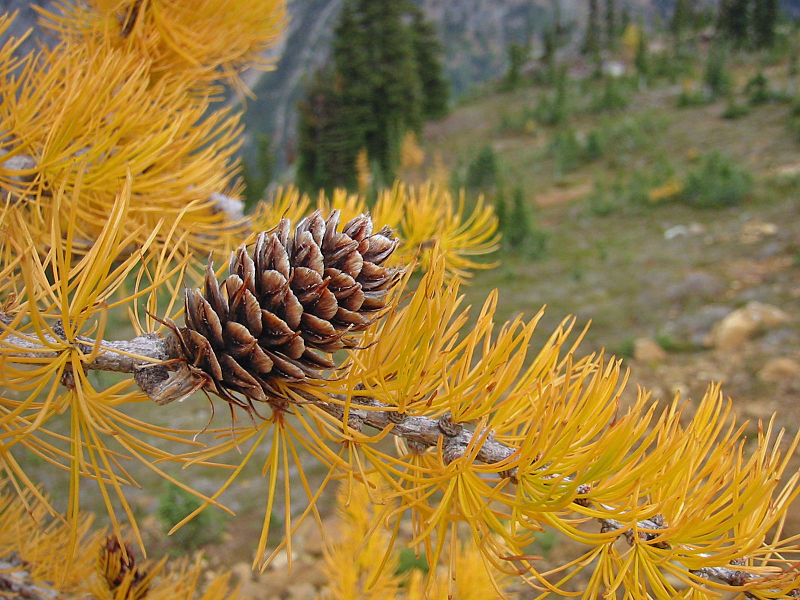
  • The trees displays seasonal colours bright green in spring then  foliage darkens during summer and turns  golden yellow before falling in autumn.
  • Do not be concerned if some exposed roots peek out from the soil.
  • More information from south devon bonsai society.
  • Foliage darkens during summer and in autumn turns bright gold.

Read More Read More

My Yorkshire Garden in April

My Yorkshire Garden in April

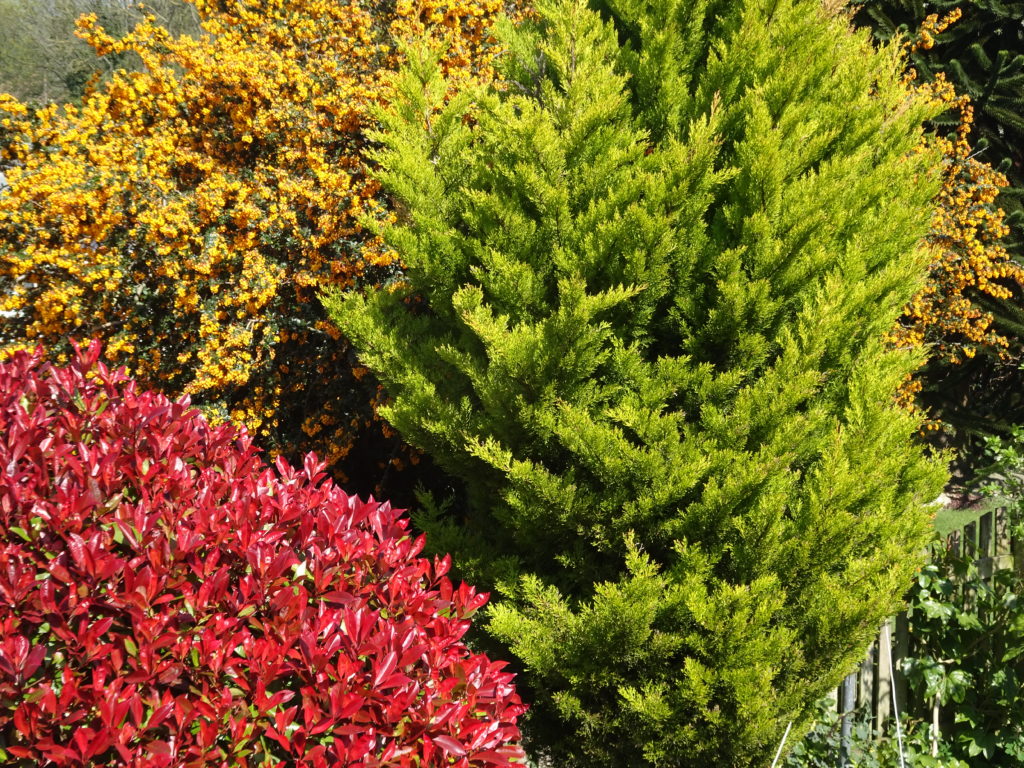
Favorite shrubbery view.

Scent of spring

I went around the whole garden photographing areas where I could plant bulbs for next spring

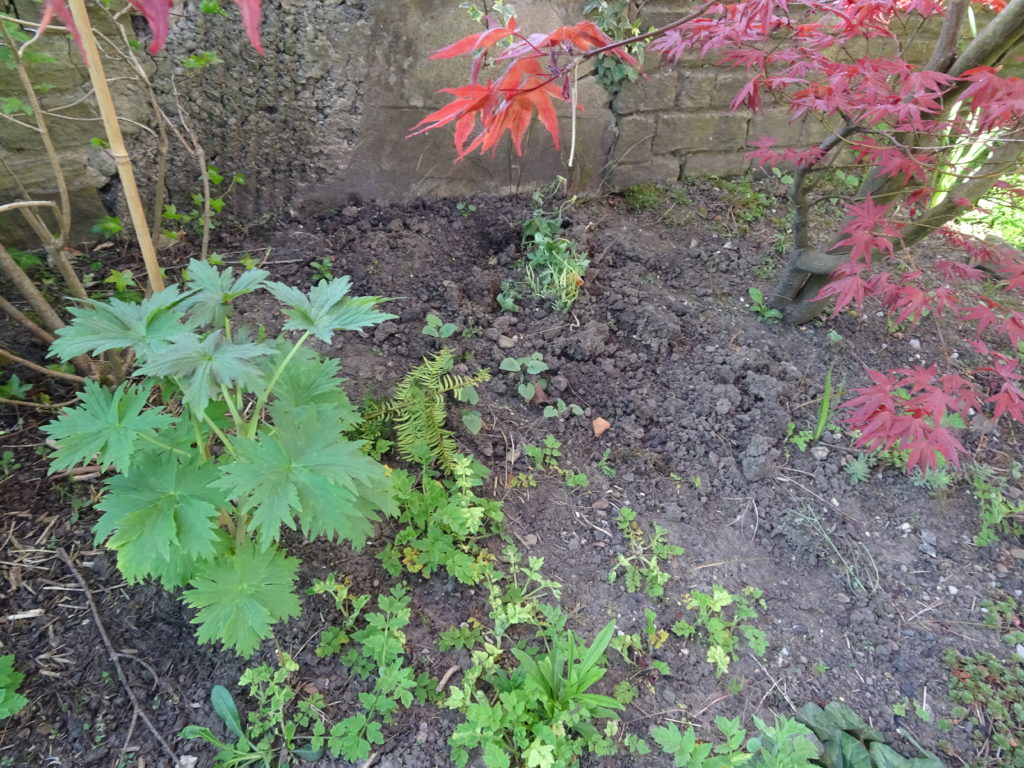
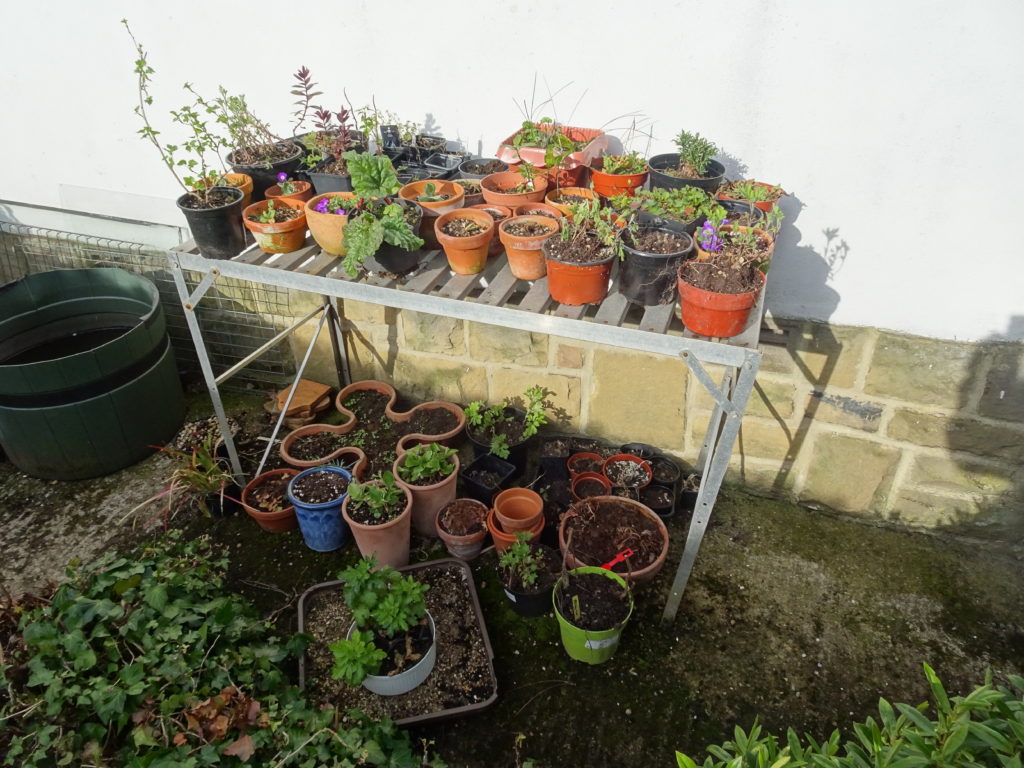
Area for growing on rubbish and Auricula

Corkscrew for wine bottles (not).

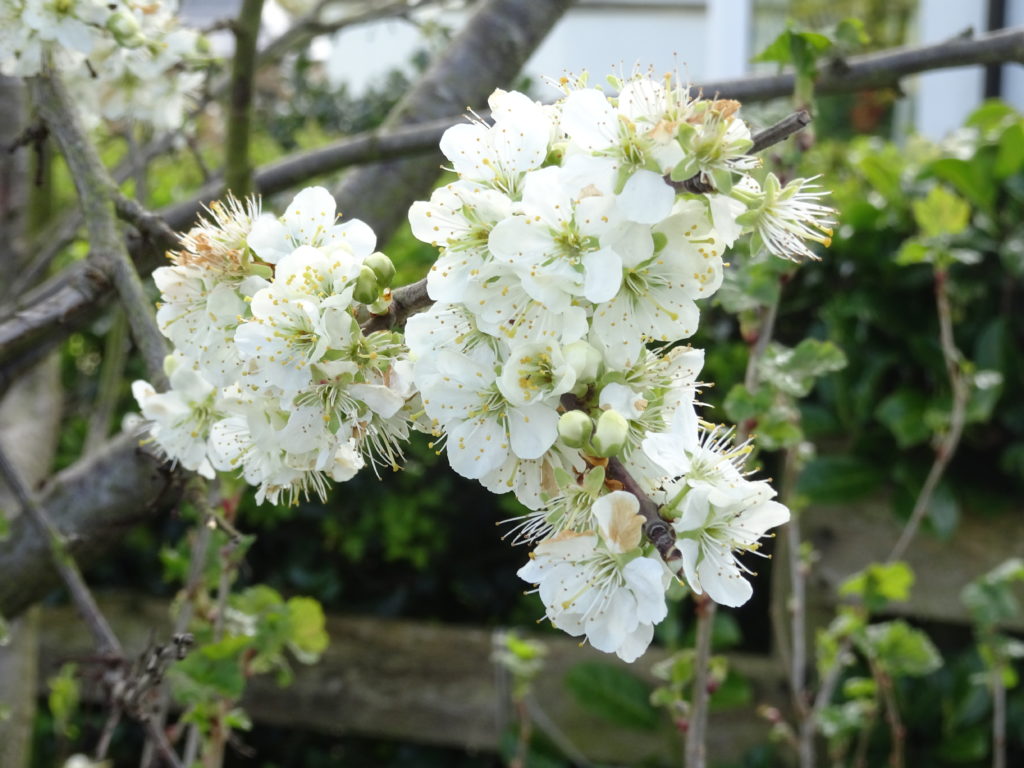
Plum blossom sadly frosted over a week later.

Green and Red Compliment your Spring Garden

Green and Red Compliment your Spring Garden

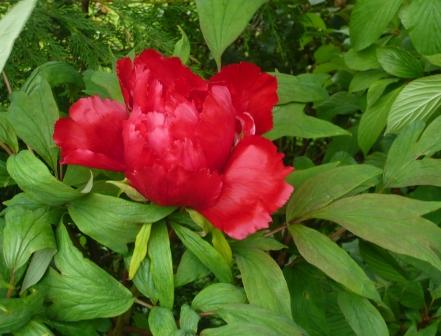
peonie

The two best complimentary colours are Red and Green.  There are many ways this is demonstrated in the spring garden and they will be sure to draw compliments. The Peonies are just opening under a bit of shelter and shade.

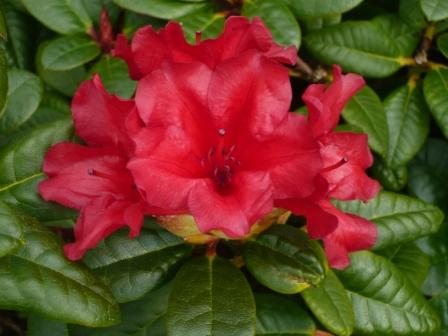
rg-no-b

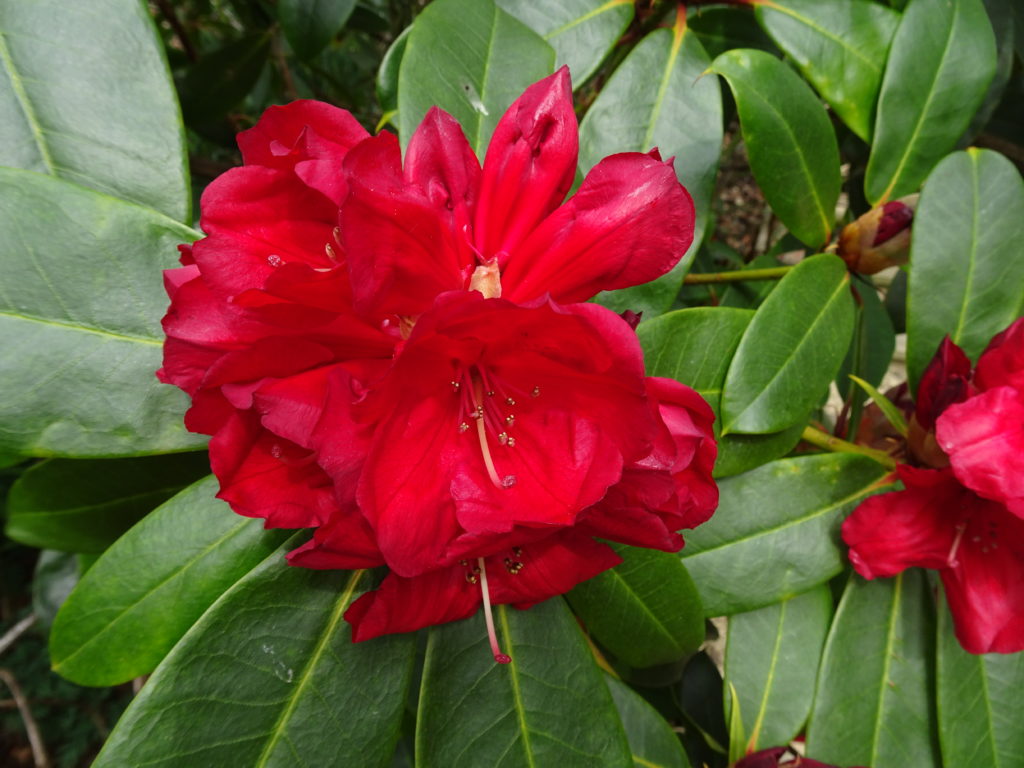
The early Rhododendrons escaped frost damage and the red flower is set off by the texture and green of the healthy leaves.

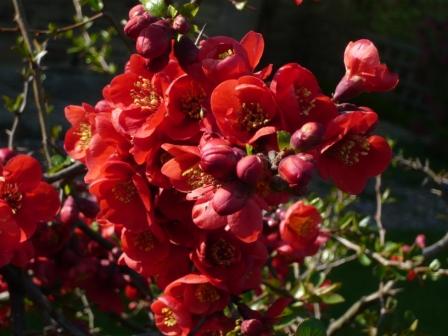
This flowering Quince gave strong colour before many leaves had opened light green but the surrounding grass had been trimed with neat lines in the lawn and the effect was stunning.

quince

See also Colourful Tips for other complementary colour combinations.

colour-contrast

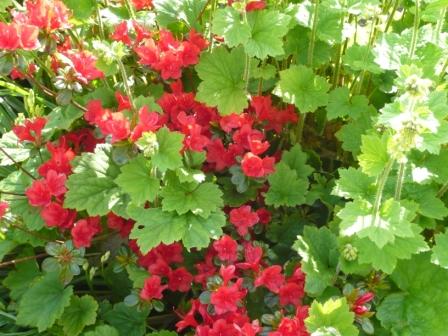
These lime green leaves are complementary to the Azaleas bright vermilion.

Some of the best art work by Georgia O’Keeffe is her paintings of Red Poppies. I recommend you try growing Oriental Red Poppies the for your Red – Green garden.

See also Colourful Tips for other complementary colour combinations.

A Splash of Floral Yellow sans-narcissus

A Splash of Floral Yellow sans-narcissus

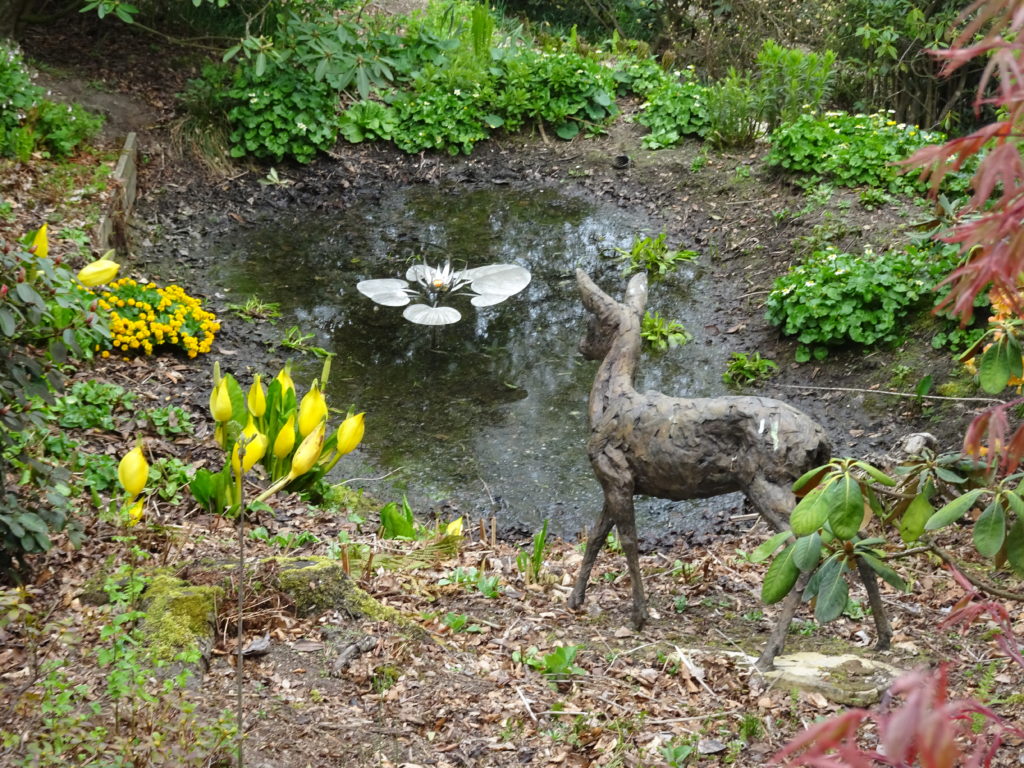
You may see a splash of yellow if the Fawn decides to take a spring dip in the pond. The skunk cabbages are reputed to stink but these Lysichiton americanus are also named swamp lanterns so they flower well near the boggy pond.

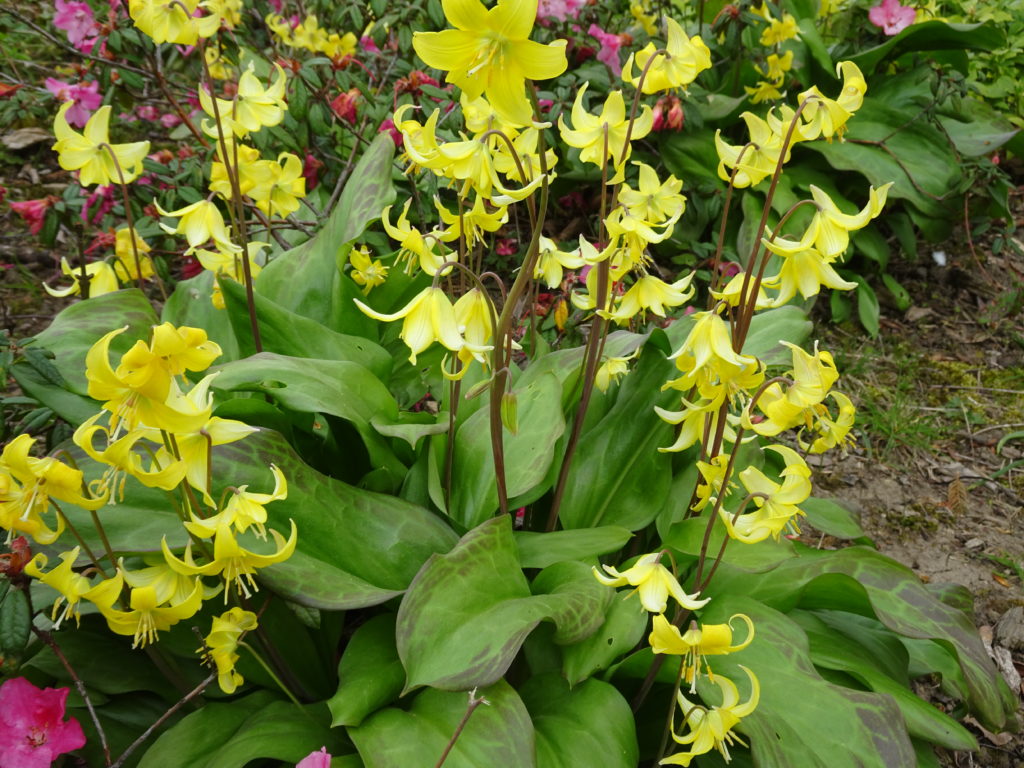
The Erythronium bear long, strong stems producing canary yellow flowers that compete with late daffodils and the pink azalea.

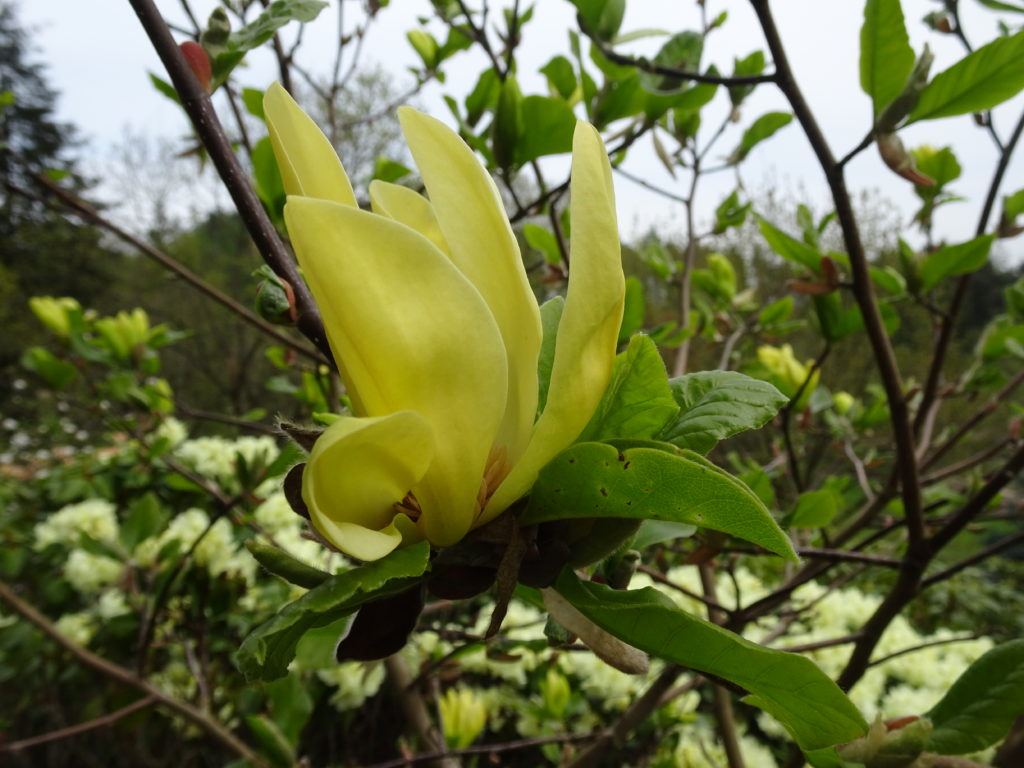
Magnolia hybrids  can have spectacular yellow flowers in the familiar magnolia cup shape. Aptly named variety ‘Yellow Bird’ looks like it says on the tin.

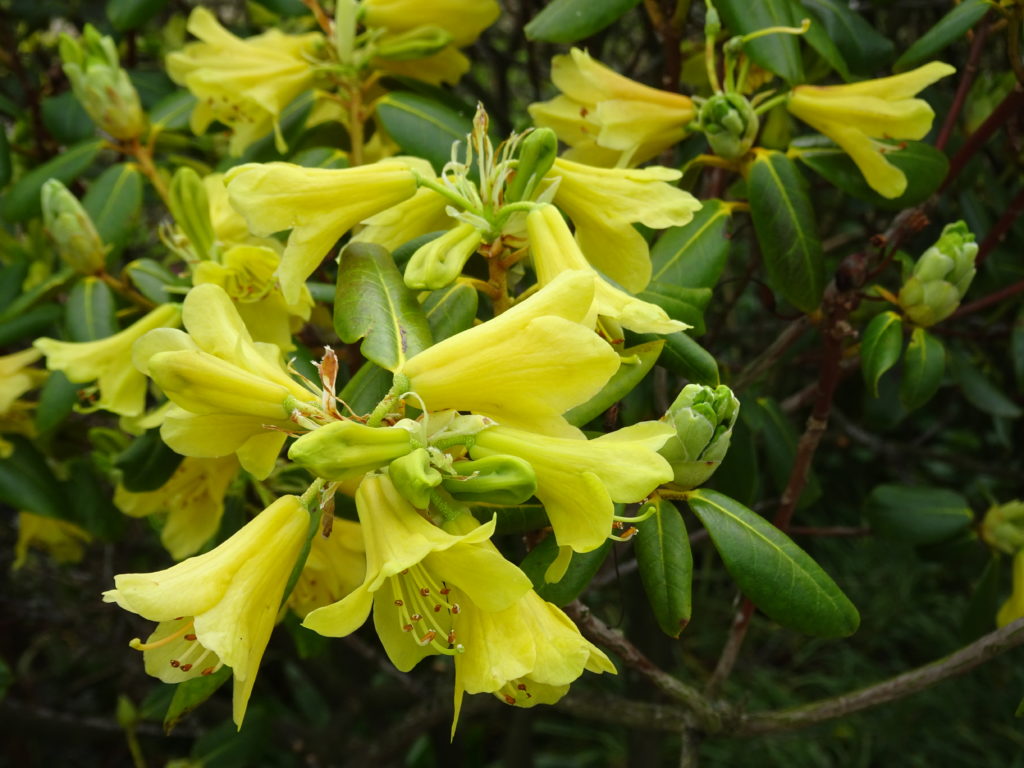
‘Hotei’ is a famous yellow Rhododendron that I aspire to grow successfully in my Yorkshire garden – space and chance would be a fine thing.

Some colour schemes should never be seen

Some colour schemes should never be seen

How do you plan a colour scheme when gardening with a wide palette of colour. The answer is to use complimentary colours that are directly opposite on the colour wheel. This give a lie to the old phrase about red and green which is about dress sense rather than gardening nous.

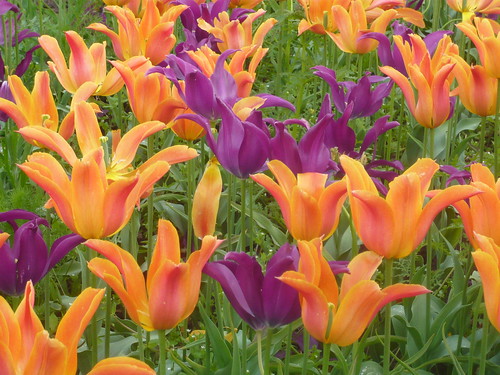
Other colour combinations that work well include yellow and violet or deep purple and for the adventurous blue and orange.

wallpaper tulip

Read More Read More