Browsed by
Author: hortoris

Hydrangea Shrubs and Houseplants
Hydrangea Shrubs and Houseplants

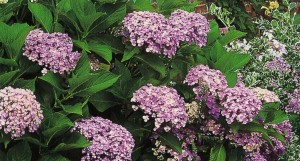
Red, White and Blue the patriotic colours of the Hydrangea are augmented by pinks and purples like H. Ayeshia above as a variation on those themes. Flowering from mid-summer these shrubs give a magnificent display with very little effort. Did you see Hydrangea maritima on seaside holidays in large displays of sugary pink and sometimes blue.

Hydrangea macrophylla is the mop head type that can change flower colour from pink too blue depending on the soil. If the soil is acid then you will get a blue flower. The pink is produced on alkaline and more neutral soils. To change to blue add Aluminium sulphate or special colouring chemicals from garden centres to get a pink add lime. Some old methods include burrying a bag of nails or putting rusting iron near the plant. For best results when the soil id wrong for your desired colour plant it in a large pot with the right type of soil and keep it well wartered.

Hint and comments on Hydrangeas

  • Named after the Greek for water keep your Hydrangeas moist
  • Hydrangea quercifolia has oak shaped leaves and flowers white in the shade.
  • Lacecap varieties have a looser form to the flowers with flat open flower heads where the florets don’t all open at once. Try variety maresii
  • Buy plants in bloom so you know what you are getting in colour and form or plant in Autumn
  • Hydrageas like rich moist soil and a bit of shade in the early morning to avoid frost damage to young shoots
  • Prune out old flower heads, dead stems and old wood from overgrown bushes in the spring
  • Hydrangeas can be used as cut flowers or dried for a papery addition to a winter arrangement
  • A dwarf species H. thunbergii grows to about 2 foot.

Some old varieties to look out for
Read More Read More

Rose or Wallflower?

Rose or Wallflower?

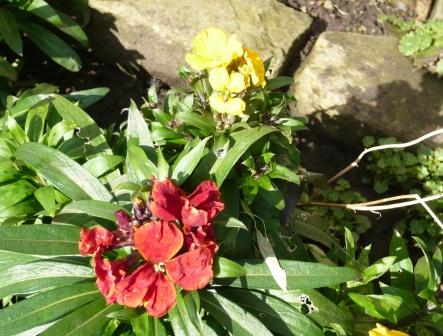
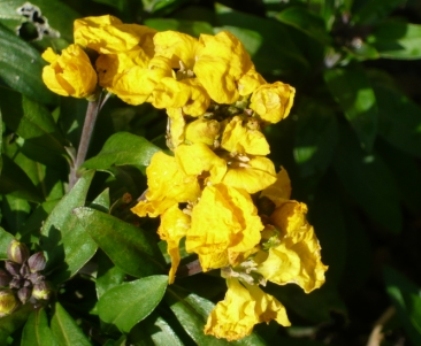
Can you tell what this frosted yellow flower is that is starting to show colour and now getting into full scented blossom? It still thinks it is 2015 and our mild wet weather has contributed to a range of ongoing flowers.

wallflower

This picture with the low wall in the back ground will give the game away.

wall-and-flowers

Tips Growing Wallflowers

  • Plants are biennial growing one year and flowering the next
  • Select your seeds soon and plant them in June or July. As the plants grow pinch out the tops to encourage the plants to be bushy.In autumn plant in there final flowering position
  • Select individual colours rather than mixed packets for a blaze of spring colour. Cloth of Gold is a fragrant yellow, the Bedder series comes in Orange, Scarlet, Primrose and there are Blood Red and White varieties
  • Wallflowers are from the same brassica family as cabbages and it is advisable to plant in a new area each year to avoid club root disease.

Rose buds at Christmas are not all that unusual. This book however contains details of unusual and generally excellent roses.
Book Cover

Some types of Rose include English & Old Roses, Hybrid Teas and Floribundas, Patio & Small Roses, Species and Moss Roses, Shrub Roses, Climbing Roses and Rambling Roses. A rose by any other name would smell as sweet.

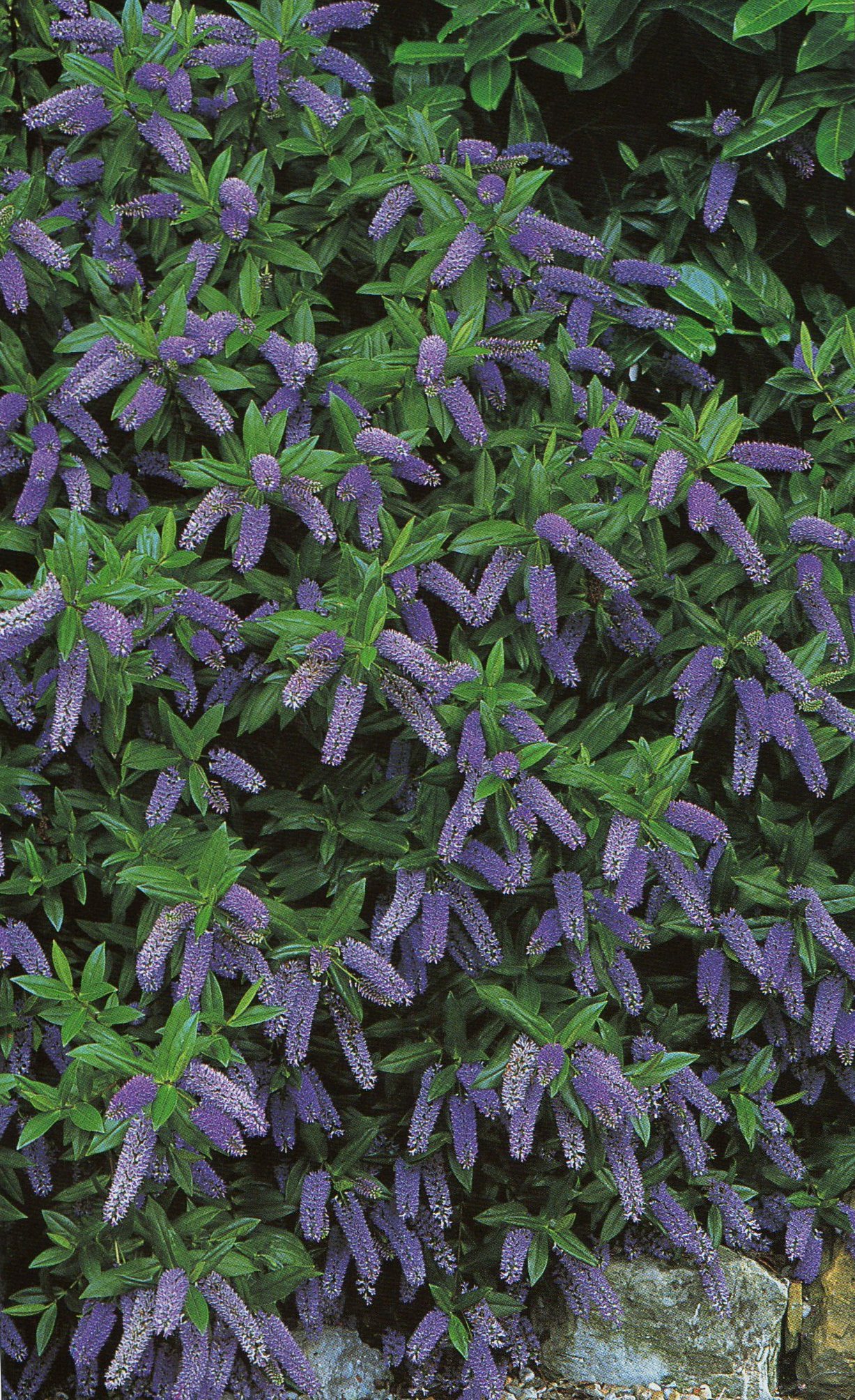
Hebe also known as Veronica

Hebe also known as Veronica

Hebe

Horticultural Points for Hebe

  • Evergreen shrubs keeping shape and form through winter
  • Ornamental planting invaluable at the seaside and as an ornamental hedge.
  • Easy to grow from cuttings
  • Varieties available that grow in many sizes.
  • Useful for low maintenance areas as the larger varieties fill the space quickly.
  • White and purple flowering varieties more popular and floriferous than the red flowers.

Aesthetic Qualities

  • Long racemes or spikes of flowers  attract bees and hoverfly
  • Colour range from purple, lavender, blue and stunning white due to the volume of flower from June to late summer depending on variety.
  • Dwarf varieties and shrublets, H. ‘gibbsii’ and H. ‘subsimilis astonii’ upto six foot specimens with H. ‘cupressoides’
  • Purple leaved varieties including H. Midsummer Beauty
  • Hebes in flower attract insects particularly bees and hoverflies
Flowering Climbers Look Great

Flowering Climbers Look Great

clematis

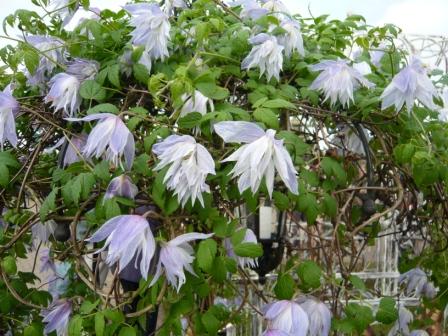
Climbers can look really great if you do some preparation. Select an appropriate wall to train your Climbers against or use a free standing structure like this metal frame for the blue Clematis.

Structures For Climbers

  • Affix trellises to your wall or selected fence before you start planting.
  • Screw in vine eyes to your wall if you are going to string a wire framework for your climbers.
  • If you are using a pergola, arch or other structure make sure it is strong enough to support the weight of leaf and blossom even when there is a strong wind blowing.
  • Some plants and trees can provide the climbing support you need for less robust climbers.
  • Annuals can be grown up canes and pea netting but make sure the end canes are firm and well supported as even sweetpeas can get top heavy later in the year.
  • Even self-clinging plants like Ivy will need some support to get the climbing to start.
  • Prepare the soil deeply, particularly with moisture retention in mind as walls tend to get very dry.

Tips for Climbing Plants

Read More Read More

Disbuding or Pinching Out Buds

Disbuding or Pinching Out Buds

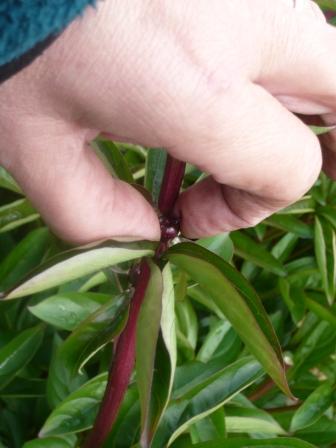
My father grew exceptional roses before many of the varieties had been discovered or reached their current prominence. One thing he did to get special blooms was to restrict the number of flower buds by pinching out the runts.In many circumstances a good big one is more important the several also ran small ones.

may12-047

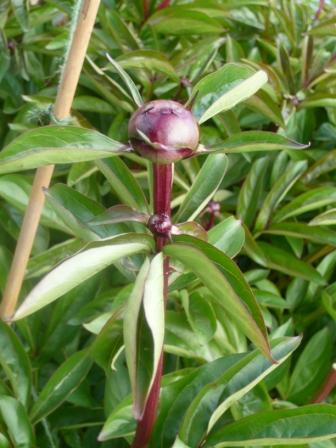
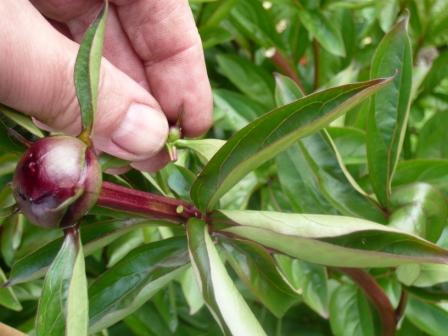
Several plants flower too much for there own good at times. They produce buds, like the Peonie above, in greater profusion than you may want. To get a really good flower you want to channel the energy into a ‘king’ flower so you ‘pinch out’ any superfluous buds. It may seem cruel to be kind but I think of it as survival or the fittest.

may12-048

Disbudding or thinning is easy,  just nip out the extra buds before they develop too far. This technique can be used to get a great Rose flower for a show or on Carnations, Dahlias and Chrysanthemums. I have spoken previously about disbuding Apples and fruit trees.

may12-049

See Tips for Pinching Out

Materials for a Compost Heap

Materials for a Compost Heap

Lots of materials are suitable for a compost heap. Pile in a mix of green and brown organic materials to help them heat up, when biological activity will then be at the highest.
Organic material includes plants and most items that have been growing. Avoid droppings from carnivores such as dogs but other manures are fine.
Type of Material

Ashes from untreated wood potash – use small amounts, it can make the pile too alkaline
Bird & Chicken droppings are high in nitrogen, beware seeds.
Cardboard and manila envelopes tear or shred and dampen
Bio-activator applied as a liquid or activator like Garrotta
Coffee grounds tea bags and filters

Read More Read More

The Grafter Grafting

The Grafter Grafting

Grafting in the 19th century was a significant method of increasing stock of trees and plants as the photograph of East Anglian life by PH Emerson shows.  The objects of Grafting are to bring a bush or tree into an earlier fruiting than it would do naturally; to produce good fruit from an inferior plant; or to save space by putting dwarf scions on to rampant growing trees.
The stock or subject is the base tree and the scion or graft is the portion of the branch to be imported.

Gardeners Tips on Grafting

The best time to graft is in March when the sap is rising.
Suppress all buds that develop on the old stem below the graft.
Use a paper bag to offer some protection once the graft is done
The graft should be inclined slightly inward so the inner bark of the graft makes good contact with the stock.
Grafted vines should be packed in damp moss.
Fruit tree or rose shoots should be firm and well ripened. Grafting material should be from the previous years growth and slightly less advanced than the stock.

Methods of Grafting

Cleft, Wedge or Tongue-Grafting Cut off the top of the stock and cut out a thin wedge-shaped socket at the grafting point. Next cut the scion in a similar manner and wedge in and bind.

Double Grafting uses two scions but sacrifice the weaker one when they both take.

Read More Read More

Beginners Beginning the New Year

Beginners Beginning the New Year

file 1 197

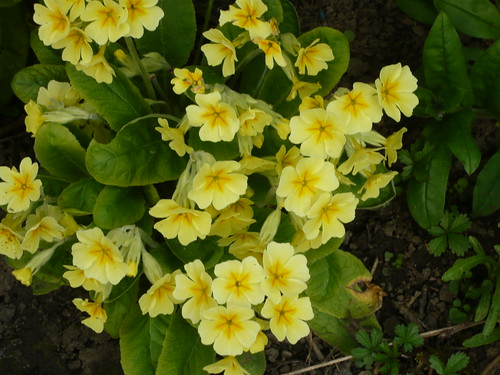
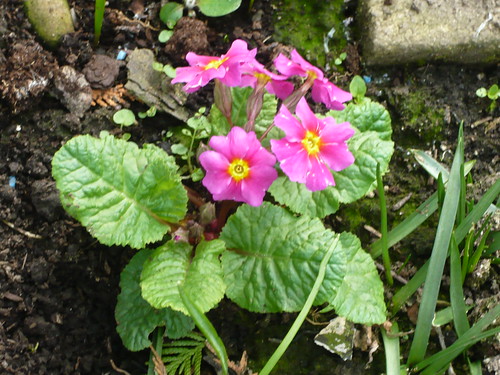
Spring will be sprung on you as soon as the snow and frost disappears. But first we need less rain. There isn’t much you can do at the moment but hope that any bulbs and hardy plants like these primroses are quietly getting ready to burst forth. If you are keen to begin then your first job should be planning and organising.

Begining to be Getting On

  1. Order and plant any bare rooted shrubs and trees. Thet can be planted as soon as the soil is workable ie can be dug and is not water logged. If it is too wet when plants arrive they can be heeled in (placed in a temporary hole and covered with soil or peat).
  2. Scan the seed catalogues and decide what to order and grow from those on offer. If you are a beginner then choose familiar plants and names as they will have stood the test of time with other gardeners and you are more likely to succeed. Avoid exotics and those that say ‘some experience needed’.
  3. Plan to cheat by buying pot grown plants like primulas and pansies to brighten up spring spots and pots. The best ones will have been grown hard in a nursery (not forced in a hot house like a supermarket).
  4. Spread last years now rotted compost where you are going to plant vegetables. What the worms don’t drag down into the soil can be dug in before planting out after March.
  5. Prune trees and grape vines (if you are lucky enough to have any) before the sap starts to rise. For spring flowering shrubs wait until they have flowered then prune back.
  6. Check over any plants or tubers in store from last year. Destroy any rotted items and tend to dry soil with a very light watering.
file 1 180
Grow Bouquet Garni Herbs

Grow Bouquet Garni Herbs

Book Cover

Herbs to make a bouquet garni can be grown at home and used later for cooking. All these herbs you can grow in the garden or on a suitable windowsill.
The ingredients for our basic Bouquet Garni are the herbs Parsley, Thyme, Bay and a clove of Garlic. Tie them together with undyed string. Then add other herbs that are specific to the dish you want to cook.

Herbs to Use

Use the herbs that are fresh and in season. If you have dried your own use sparingly to test the strength of flavour.
Herbs with high oil content can withstand longer cooking in stews and casseroles and include Rosemary, Oregano, Sage and Bay.
Loveage and parsley also retain flavour during lengthy cooking and combinations of stronger flavours are good for cooking meat dishes.
Poultry blends well with lemon flavour so lemon thyme, lemon grass leaves (harder to grow) and lemon balm will add the flavour you seek. You can also add a mixture of summer savoury, tarragon or hyssop.
Fish combines best with soft leaved herbs. Fennel, tarragon, dill and sweet marjoram are suitable as can be mint or welsh onion.

Jekka McVicar

Read More Read More

Prize Gladioli Growing & Showing

Prize Gladioli Growing & Showing

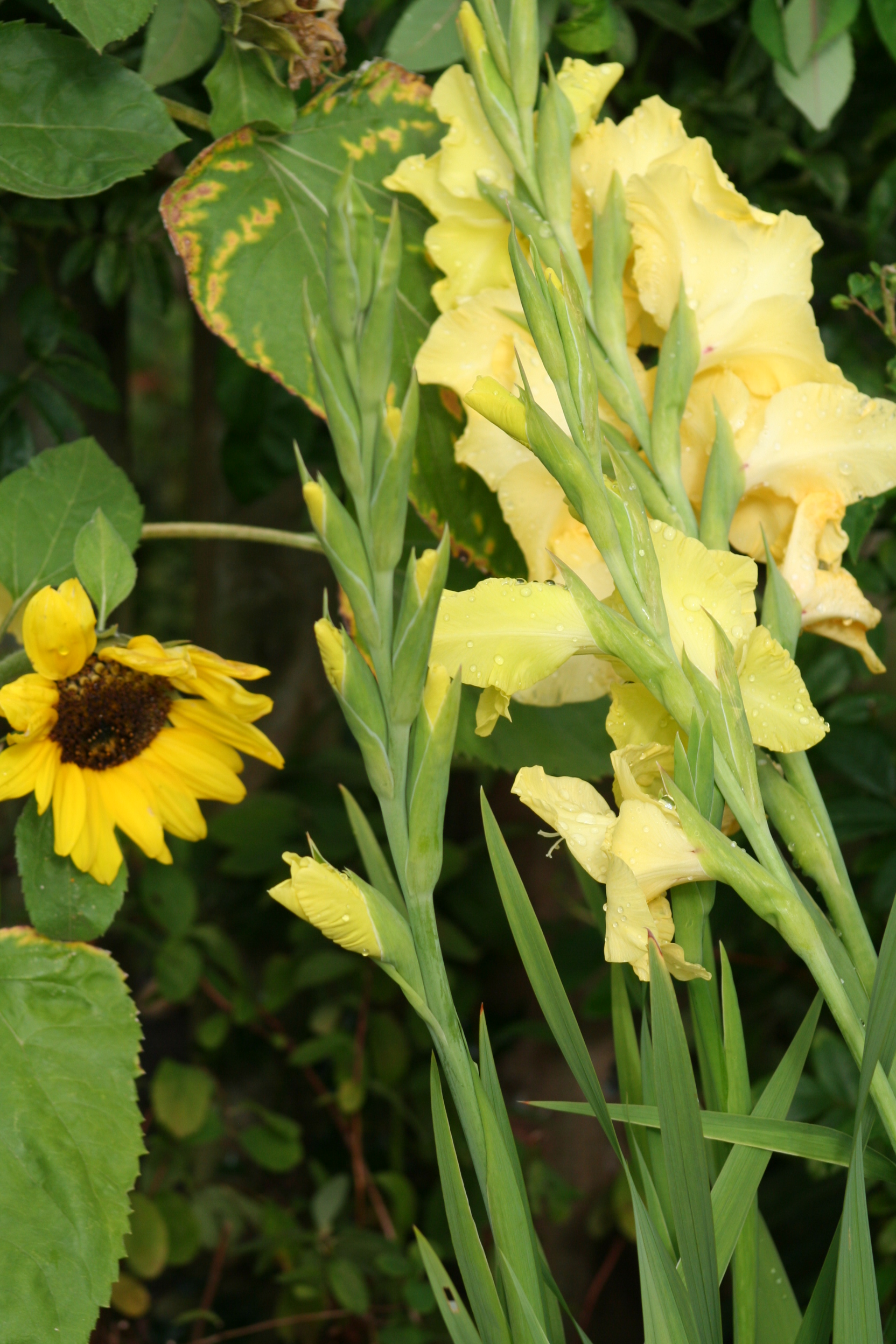
glaDThe Gladiolus family are fine addition to the colourful garden. They also make fascinating subjects for the gardeners who like a challenge of the show bench.

Tips for Growing Prize Gladioli

  • Raised beds are good for soil fertility and can help you get some stonking great Gladioli.
  • Mulch the bed heavily to reduce the amount of watering you need to do and feed with blood fish and bone.
  • Plant 6″ deep and at least 4″ apart (more for show varieties).
  • Do not plant dormant corms but wait until small root swellings appear around the base.
  • Dust or dip in fungicide before planting.
  • Plant when the soil has warmed up on a layer of sand or vermiculite to aid drainage.
  • To keep the stems straight tie to a cane below the first bud and add loose ties as it grows.
  • A tee-pee of horticultural fleece can help prevent late frost damage or the bleaching effect of too much sun on red gladioli.
  • During the heat of the day tease flowers forward to get them to open to the front – in the cold they will break off.
  • Leave at least 4 leaves on the plant when cutting to ensure the new corm swells.
  • Lift 5-6 weeks after flowering, dry off, label and store for next year.

Show blooms

Read More Read More