Browsed by
Author: hortoris

Gourmet Vegetable Production

Gourmet Vegetable Production

There are as many different vegetable plots as there are gardeners and everyone has its place. My default position is clear, I seek good yield or output from lower effort and less space than in  previous decades.

My allotment days are over and although I expected to be time rich and veg plot area poor I can still be a Gourmet Producer of fresh tasty items. I say still, because retirement isn’t a guarantee of more gardening time.

Essentials Of a Gourmet Producer

  1. Grow what you will eat
  2. Do not grow food that is better or cheaper in the shops. Main crop potatoes and onions are generally better and cheaper from retailers.
  3. Grow what is best picked and eaten fresh. Lettuce, mangetout and beans are potential gourmet foods.
  4. Avoid growing gluts, you need only grow for the family table and occasional dinner party – who needs 5 rows of romaine lettuce all ready at the same time.
  5. Grow in succession by planting seeds a few weeks apart so they mature at different times.
  6. Maximise the length of the growing season by growing endive, raddichio and numerous varieties of brassica.
  7. Eat carrots and leaks as micro veg from thinnings with fewer left to maturity.
  8. Sow mixed salad leaves in rows and ‘cut and come again.’ You can do this with autumn sown cabbage too.
  9. Work to a plan to use your time on the plot rather than standing and pondering rather than gardening.
  10. Little and often works better than periodic onslaughts.  Daily visits, even just 30 minutes, lets you feel what is and isn’t working well.


Gourmet Maintenance & Time Management

  1. Even gourmet gardeners need to dig and hoe. Remove weeds – you can’t eat them.
  2. Split larger jobs in to manageable slots.
  3. At the beginning of the year use roundup to clear larger areas.
  4. Make compost and use it for mulching and soil improvement. Buy in extra if necessary for autumn.
  5. Buy plug plants when you only need a limited number of a type of plant. Masses of seedlings cost and take time.
  6. Cover plants with cloches and use slug pellets. You are growing for you to eat not feeding  pigeons and slugs.
  7. Water what needs watering eg runner beans and lettuce.
  8. Keep an eye on the weather and adjust your gardening accordingly.
  9. Do not forget to use the greenhouse. Tomato varieties have never been more numerous and tasty.
  10. If you have the conditions and patience then asparagus can be a delight and I wouldn’t be without Rhubarb!

Edgeworthia Gardeners Tips

Edgeworthia Gardeners Tips

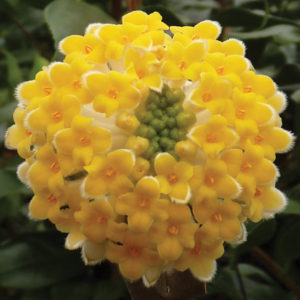
Edgeworthia is a genus of shrubs that flower in small clusters of scented 4 petaled flowers tightly packed to form a ball shape. The genus is related to the Daphne family and can be grown in the UK with similar treatment and success.

You can get a long display as they flowers open progressively from winter through February until it leafs up in spring. Varieties may be evergreen or deciduous.

Key Tips

  • Avoid waterlogged soil and soil prone to drying out.
  • Plants grow well around other shrubs without being too enclosed.
  • Despite being called the Paper tree it only responds well to light pruning to retain shape.
  • Buy when the plants are in leaf so you can assess it’s health

Growing Characteristics

  • Plants mature to a height of  5ft by 5ft in a rounded shape.
  • Plants  would survive  in a greenhouse or conservatory if your garden is too exposed.
  • Flowers are in terminal clusters opening in January February before the leaves.
  • Leaves of the deciduous varieties are lance-shaped, dark green and 6ins long.
  • The bark is  cinnamon-coloured with papery flakes.   Bark was used in the manufacture of high-quality paper for Japanese banknotes.

Edgeworthia Varieties

  • Edgeworthia chrysantha produces a tight yellow ball shaped flower on a leafless stem
  • Edgeworthia chrysantha ‘Rubra’
  • Edgeworthia chrysantha ‘Red Dragon’ as the name implies has fiery red flowers when fully open
  • Edgeworthia papyrifera is also known as the paperbush
  • Edgeworthia chrysantha Grandiflora is reputed to have larger flowerheads

Plants are available from Thomson and Morgan (credit the Photo) and Burncoose

Make a Woodland Garden

Make a Woodland Garden

Bluebells in Woods
First Steps

  • Think through your short term and long term plans. Woodland gardens are likely to last and last.
  • Ensure you have the right space, location and environment for a woodland.
  • Work with nature not against it.
  • Make careful consideration of the type of garden you are aiming for and think in 3 dimensions at the planing stage.
  • Keep your first designs and plans basic so you can  make changes after the key plants are in place.

Tips for making a woodland garden

  1. Trees are the framework and backbone of your woodland garden.
  2. Plant some evergreens to provide structure through winter
  3. Lift the canopy of trees regularly to allow light through to the plants below.
  4. Introduce brightness to shady spots with golden leaved plants and shade tolerant varieties.
  5. Spring will be OK with bulbs and wild flowers but introduce plants for summer interest
  6. Provide varying light levels to increase the range of plants grown.
  7. Avoid hard landscape and make design features simple and natural.
  8. Mulch and consider ferns, Rhododendrons and Cornus if the soil is on the acid side.

On a hot summers day (what is that ? ed.) there is nothing better than a woodland walk with its distinctive scents and surprising colours. Well spaced deciduous trees often provide the best displays as the filtered sun helps develop then highlight the woodland growers.

  • Aconites are one of the earliest woodland flowers and do well under trees
  • Bluebells are an favourite but can expand rapidly in a garden.
  • Anemone nemorosa or Wood anemone grow well under shady trees as long as they can get some moisture.

Read More Read More

Dahlias from Tubers a Seasons Review

Dahlias from Tubers a Seasons Review

It will soon be April and I need to check my over wintered tubers and buy some new varieties. The I can start my Dahlias in to growth. It is too cold to plant them out in the garden in April in the north so I start to get them going in pots in the greenhouse.

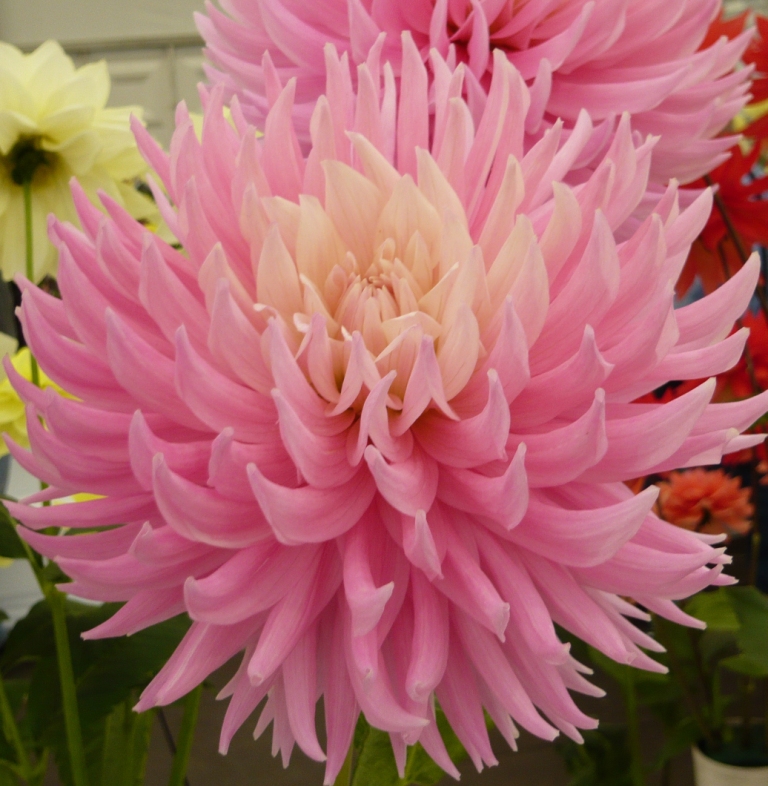
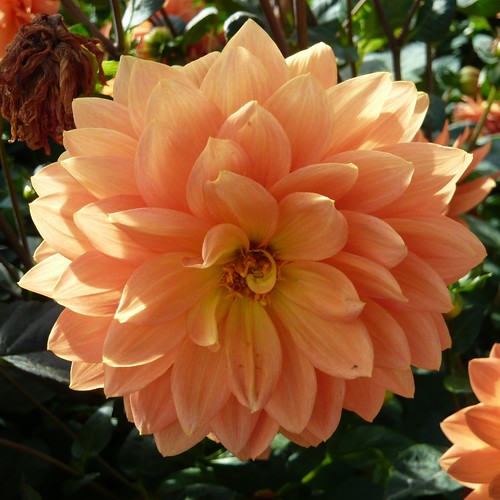
Dahlia

I planted the tubers in pots big enough to hold the tuber easily and covered with potting compost. After a good watering I left them under the bench in the greenhouse. Within two to three weeks I expect to see the first shoots poking out of the compost and beginning to green up. Another month will have to go by before all danger of frost will have disappeared in the North so it will be the end of May when I knock them out of the pots and they go into their final planting position

Tips For Good Dahlias

  • Choose strong healthy varieties
  • Dahlias like plenty of space and their own area to grow so space them well.
  • Dahlias need water and are hungry feeders so give them rotted compost in the hole before planting.
  • Through summer give them water containing a high potash based feed and an occasional foliar feed through leaves
  • Dahlias can grow 3 – 4 foot tall and need some support. 3 or 4 canes or a proprietary wire support is appropriate.
  • Deadhead the plants regularly and they will flower until the first frost
  • Dahlias are good for cutting but I find them short lived in the vase but that’s just me preferring flowers in the garden.
  • Dahlias can be left in the ground over winter and subject to a very late frost will survive -give them a deep winter mulch when you cut them back after the leaves have been blackened by the first frost.
  • Digging up dahlias and keeping the tubers gives you chance to dived the plants or take cuttings from stock started into growth early in the year. If you want to bulk up stock of one plant start them into growth in wet compost in the warmth in February – when shoots are 2″ or more take them as cuttings and give them warmth at the roots.

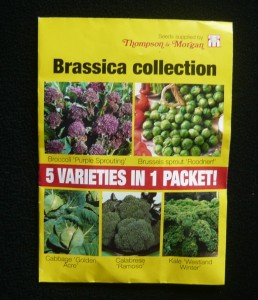
Seeds and tubers from Thompson Morgan

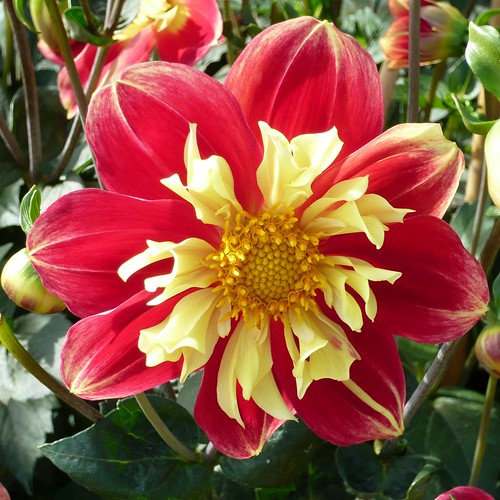
Dahlia

October Review

  • The season was wet and the dahlias enjoyed rapid leaf growth.
  • Slugs ate the white varieties but left other leaf alone – strange!
  • I did not deadhead enough and lost some of the flower power.
  • Now the first frost has sent the leaves into soggy decline I will dig up the tubers, allow them to dry and store them for next year. The North of England is too cold and damp for the tubers to survive in the ground through winter.
Generic Houseplant Advice

Generic Houseplant Advice

Commonsense will help you get the best out of your houseplants. Compost for bought plants will have enough feed for the short term but careful watering will be needed. Go with the seasons do not fight nature just because your plant is indoors.

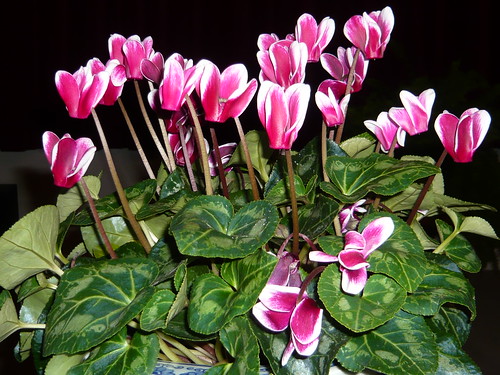
Cyclamen

Position
Flowering plants need good light. Place near a window but avoid harsh sunlight.
Foliagae plants like good natural light but avoid direct sunlight.
Protect all indoor plants from sudden cold and draughts.

Temperature
Ideally keep plants at the temperature recommended on any plant label.
An average warm temperature of 15-29 degrees centigrade is a default temperature.
If plants droop it may be too warm and or dry. Move to a cooler place.

Watering
Do not stand pots in puddles of water for long periods.
Water from the bottom with room temperature water.
Keep compost moist but not sopping wet.
Do not allow compost to dry out completely or it will be very hard to re-wet.
More plants drown than are killed by lack of water.

Plant Selection

Grow the types of plants normally grown indoors. If they work for others they should grow for you.
Foliage plants are a good place to start as I think they stand up to a bit of rough treatment eg late or infrequent watering.
Bulbs are popular indoors but do not last as long as they might outside.
Exotic plants bought from a nursery should be cosseted. Ask the grower for tips as they should have knowledge to share.

Other Advice
Removing faded flowers may encourage new blooms.
Occasional feeding can prolong plant life.
Plants that like a humid atmosphere will benefit from being sprayed and stood on grit or granules.
Get more advice about your specific type of plant by searching the box above.

Houseplants 018

Sparkling Summer Bulbs

Sparkling Summer Bulbs

Reliable flowering can be expected from summer bulbs and tubers.
Allium
Early Summer Flowering
Alliums flower May-July, I like those that look like a burst of stars
Anemone start in April with the woodland varieties then come the blousy De Caen and larger corm types through summer

Dutch Iris look good for a short while in midsummer but I find I get poor results in containers.

Read More Read More

Wet Soil Water-logging and Leaching

Wet Soil Water-logging and Leaching

If Prince Charles talks to his plants then possibly the soil talks back to him. It may not say I am impoverished and lacking in nutrients but the resulting plants will.
On the other-hand wet soil can eloquently tell gardeners when there is trouble.

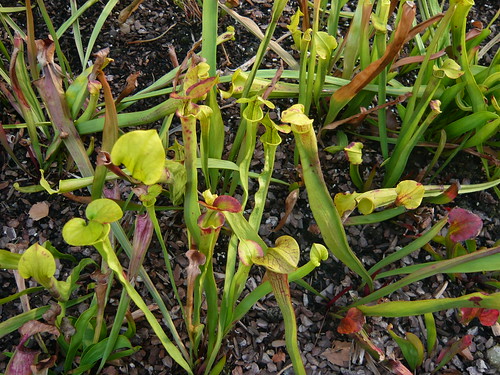
Pitcher plants

Soil Conditions

We have suffered an excess of water this year and farmers fields have been water logged or taken up the role of flood plain resource.
The resulting ‘Clarty’ soil is muddy, dirty and sticky.
‘Claggy’ soil is more like sticky mud and is a type of soil condition where all the air has been squeezed out. Then it adheres to your boots and leaves clumps where you walk.
‘Boggy and soggy’ soil tends to favoured by marshy water loving plants.
‘Muddy’ soil can ofter turn rock hard when it dries particularly if it is clayey. Clay is made up of fine particles that can almost be welded together when wet or dry.
‘Swampy’ implies a clammy warm environment you do not get in Yorkshire.

Leaching

Good soil has a balance of minerals, humus and helpful fertilising chemicals. Too much rain or flowing water can take these chemicals away either deeper in the ground or to a drain or sump.  Leaching can be caused irrigation and flooding but mainly by the dissolving action particularly of nitrogen. Leached fertilizers and manures, creates problems of excess nitrogen in the soil.

As a general rule sandy soil holds little water and goodness can be leached from the soil, while clay soils have high water-retention rates and the chemicals are harder to displace.

If you have added fertiliser like growmore, blood fish and bone or  as a top dressing you do not want to see it washed away before your plants get the benefit. Generally granular fertiliser is most effective if it is lightly raked into the top soil intermediately after application.

Waterlogged Soil

When the ground is fully saturated it is classed as waterlogged. Excess water will stand on the surface or slowly drain to a lower point. The soil will have oxygen displaced by water and the water will dissolve some of the good chemical elements of the soil. It is important not to walk on waterlogged soil as this exacerbates compaction and damages soil structure even further. Protracted water-logging can cause roots to rot.

Pond Soil

Plants in ponds need soil and a place for roots to develop. Soil in a  planting basket or pot with holes, make use of leaching  into the pond water. A hessian liner will  reduce any soil leaching and leaking out. Free circulating water will help pond plants to develop.

Cuckoo Spit and The Froghopper

Cuckoo Spit and The Froghopper

It is nothing to do with birds or frogs but there is a lot of it about this year.
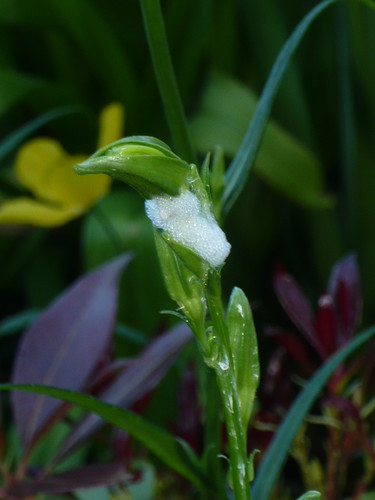
Cockoo Spit froth containing nymph of Froghopper

Cuckoo spit is the white froth found on plants in early summer. It contains and protects the grub or nymph of the Common Froghopper .
They are called Froghoppers because from above they appear frog-like, and they are able to hop significant distances when disturbed.

Problems Caused by Cuckoo Spit

  • Froghoppers are a pest known particularly to fruit-growers. They feed on plant sap which they extract from the leaves and stems of plants.
  • The grubs causes minor damage in itself, but the insects can carry viruses which can cause serious harm to crops.
  • The eggs are laid on a variety of plants including tender young shoots of Willow, Cherry, Canterbury Bells, Primulas and Apple.
  • Tender shoots and leaves can distort.
  • In gardens they are frequently encountered on such plants as chrysanthemum, dahlia, fuchsia, lavender, rosemary and rose.

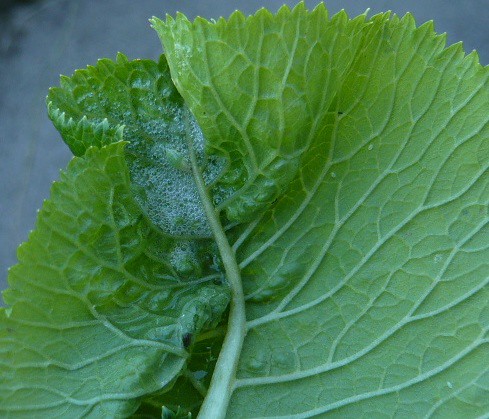
Grub on leaf

The immature light green grub can be seen in this froth on the back of this leaf which is now distorted and curling round the wound.

Treatments For Cuckoo Spit

  • Hose off the froth with water or soapy water and the grub will desiccate and die before it can lay its own eggs.

    Read More Read More

Understand Mildew in Your Garden

Understand Mildew in Your Garden

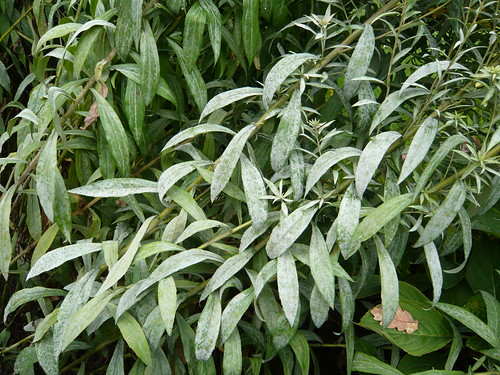
Mildew is an airborne fungus that requires wet weather and warmth to come to life. It is most visible during spring and autumn as the winter is too cold and in summer it may be too hot. The wetter spring and autumn is when the white powdery mold-like mildew shows up most.

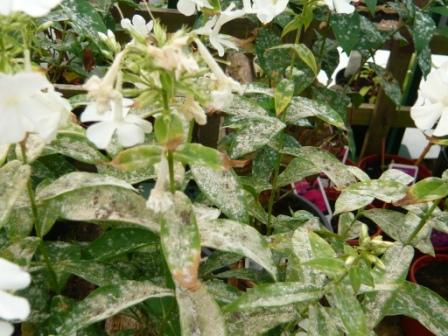
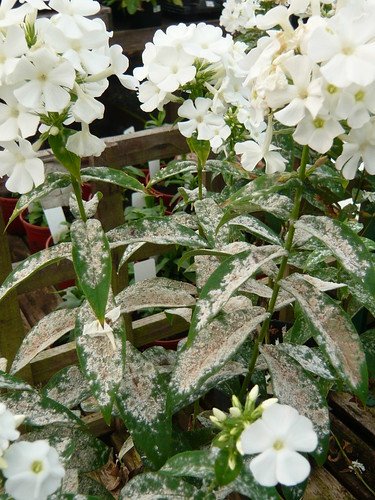
When mildew is dormant or being blown around your garden as spores it is invisible. When it has infested your plants it often shows up as a white powdery substance which are dead spores. Black mildew is seen on wood an in damp places in the home whilst yellow patches with brown furry blotches underneath affects Rhododendrons. No plants are immune although some suffer a lot worse than others, roses, gooseberries, marrows, apples, sweet peas, clematis etc.

Mildew

Tips to Control Mildew

  • It seems contrary but keep plants very well watered at the roots but do not splash the leaves.
  • Stress or lack of air circulation causes mildew to grow & thrive.
  • Mix one tablespoon baking soda with one gallon of water and spray all the plants as a contact fungicide
  • A spray made up with 10% milk and 90% water is not EU approved but is said, after trials, to be effective.
  • Look out for mildew resistant varieties.
  • Mulch when the soil contains plenty of moisture.
  • Do not plant too densely as mildew fungus loves stagnant air.
  • For severe infections, on roses for example, prune out infected parts and white patches on stems immediately. Burn or dispose of all infected debris.

Mildew
Mildew on Phlox

Effects of Mildew

Lest you think mildew is a benign substance you should be aware of some of its effects.
Corn crops can be devastated by mildew and is of major concern to farmers.
Fruit crops can become mis-shapen and unsaleable.
Severe attacks can and will kill your garden plants.

Double Flowered – Tulips

Double Flowered – Tulips

Tulips blowing gently in the breeze are a sign that summer is around the corner. If you only grow a few tulips then why not splash out on bulbs that will produce double flowers. Tulips can be planted until the end of November.

red-double-tulip

What are Double Flowers

Double flowers have more than one array of petals so the flower is fuller of petal and colour. That is not just twice the number of petals but more than one array or ring.
Usually the structure of regular flower would be compose of 4 rings; Sepals, Petals, Stamens and Pistils. Sepals are the outermost, green leaf-like organs to support flower when were young. Petals are the main organ to show a flowers appearance. Stamens and Pistils are male and female pollen. Truly Double Flowers must have all 4 rings in each flower but common parlance has more than one ring of petals as a double. Roses, Carnations, Camellia and Peonies often seen in double flowered mode.

Read More Read More