Browsed by
Author: hortoris

Growing Towards the Light

Growing Towards the Light

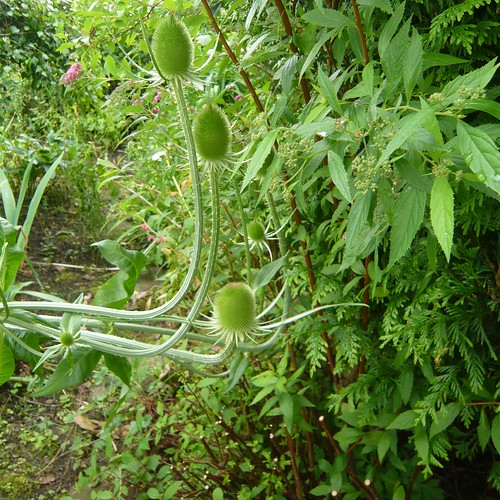
Teasel seedheads


Light Affecting Growth

  • Some plants do not require high levels of light for growth, because they are adapted to low light conditions (such as jungle and forest plants).
  • Plants left in the dark will grow taller than plants in lighted conditions  but they will also be yellower and more spindly.
  • Increased height is often a response to low light levels – the plant is trying to grow over anything that may be blocking the light, and will grow towards any source of light.
  • Etiolation is an extreme form of photosynthesis, and it occurs when you keep a plant in the dark too long.
  • When a plant is blown down, like this teasel, its efforts to regrow will produce distorted stems or branches.
  • Plants on a windowsill may grow only one one side, towards the light, unless turned frequently. (I must turn my pelargoniums again this afternoon).
  • Seedlings need good, even light as a spindly plant many not recover. Beware sun through a window can burn seedlings.
  • Too little light and leaves may brown and drop off.
  • Blue daylight bulbs are the best if natural light is unavailable.

For more details read science for schools

Etiolation is a process in flowering plants grown in partial or complete absence of light. It is characterized by long, weak stems; smaller leaves and often pale yellow coloring. 

Blanching is the exclusion of light to prevent greening up of Celery Leeks and other plants

Flower Parts and Functions

Flower Parts and Functions

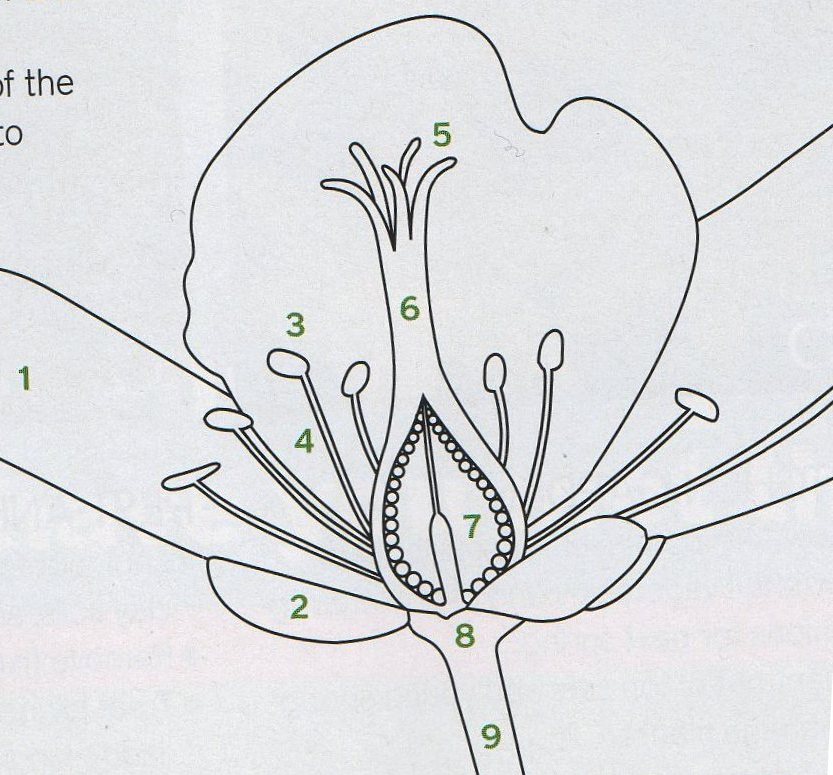
1 Petals
The most attractive part of most flowers. Colour often attracts insects to aid pollination. A whorl of petals is called a Corolla

2 Sepal
In buds the sepals enclose and protect other parts of the flower. As the flower opens the green sepals curl away or fall. Several sepals together form the Calyx

Petals and sepals together form the Perianth. In tulips and some other flowers the petals and sepals are not separate and they are called Tepals.

3 Anther
The anther carries the male pollen. Anthers are supported by 4 the Filament that together with anthers make up the Stamen.

5 Stigma receives the pollen and is generally at the top of the 6 Style. The style connects to the 7 ovary and these parts collectively are called the Pistil or female organs. The ovary is where the seeds develop.

8 Receptacle is the fatter part that supports the flower above the stalk.

9 Pedicel is the stalk or stem of an individual flower. With a group of flowers on one stem or inflorescence this is named a Peduncle.

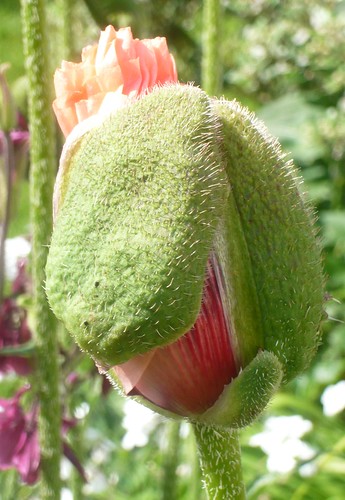
Poppy Bud

Just a bit of botany can go a long way for gardeners but it is good to know the basics.

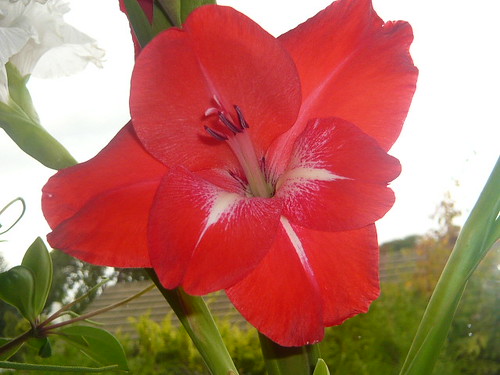
Gladioli

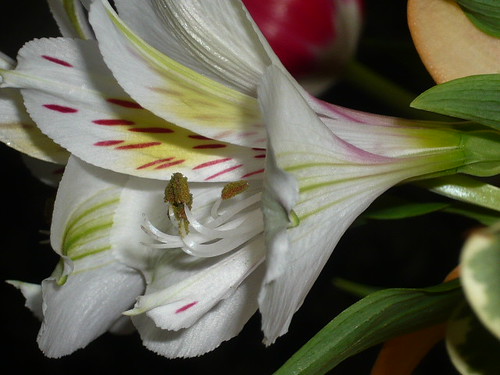
Staimen & pistils on Alstromeria

Source RHS

Grow Healthy Hydrangeas

Grow Healthy Hydrangeas

Hydrangea

There are several types of Hydrangea to consider. The Mop Heads or Hortensia above, the lace caps or other species. They are a rewarding group of plants to grow well but need the right conditions to excel.

Provide Suitable Growing Conditions

  • All hydrangeas thrive in moist well drained fertile soil.
  • Too wet and humid and you may get root rot and botrytis on foliage.
  • Hydrangeas appreciate partial shade.
  • Shallow chalky soil or light sandy acid soil may cause yellowing of leaves. To cure this water or foliar feed with Epsom salt (Mangenisum Sulphate).
  • Hot dry conditions can encourage powdery mildew.
  • Hydrangeas can be prone to insect attack from Aphids, Red Spider mite, Capsid bugs and even Vine Weevil.


Hydrangea
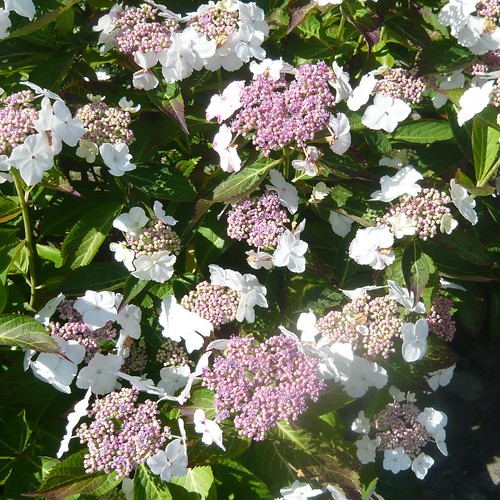
 Lacecap

Flowering Problems

  • The main cause of non-flowering is pruning too hard and cutting off the buds. Just trim off the old heads in spring to the first fat buds.
  • The failure of flowers to turn blue is caused by a shortage of trace elements of Aluminium. This is available in acid soils but not alkaline soils.
  • Some species will change from pink to blue by using a proprietary preparation or colourant. This is unlikely to work when the soil is too alkaline.
  • If you have a pink flower this can be enhanced by applying limestone or chalk during winter.
  • White flowers remain white whatever you do. Some fade to a pink tinge.

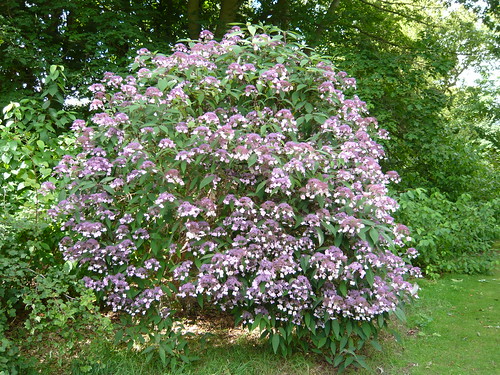
8 foot hydrangea


Other Sources of information

Hydrangeas available from Thompson & Morgan

See Help to change Hydrangea colour
Hydrangea Hydrangea an enthusiasts site

Amazon for Hydrangea books

Firethorn or Pyracantha For Berries

Firethorn or Pyracantha For Berries

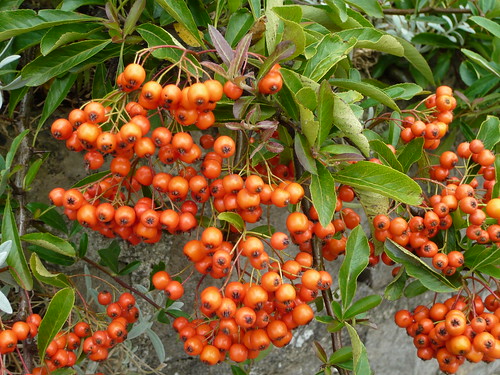
Snape pyracantha

Pyracantha, can be a neat shrub with attractive flowers and magnificent red, yellow or orange berries. The white flowers in summer are followed by autumn and winter berries, in fact my shrubs are still in berry this March.

Growing Tips

  • Train  your Pyracantha against a wall or fence or as a specimen plant.
  • Clipped regularly Firethorn, or Pyracantha as it is correctly known, also makes an excellent evergreen hedge.
  • Plants will grow in most fertile garden soil  in sun or partial shade.
  • Avoid  water-logging but if near a wall or hedge water your plants in dry spells.
  • Berrying may be reduced in shady sites or against north-facing walls.
  • Plants grow 5-10 feet high and wide if unrestricted.
  • A general purpose spring feed and mulch is welcome.
  • Propagate from cuttings or seed that may not come true to the parent plant.


Pruning and Clipping

  • Pyracantha flowers on shoots produced the previous year so avoid trimming off too many flowers. Try to retain as much two-year-old wood as possible.
  • Pyracantha has long, sharp thorns hence it’s common name Firethorn. It can be used in a hedge to deter unwanted visitors
  • When overgrown, Pyracantha can be heavily pruned  to get back into shape.
  • Prune to make the berries more visible and to keep the plants in shape.
  • Shorten all sideshoots that grow from the main framework in late summer. Stop just short of the clusters of berries   about two to three leaves from the base of the side shoot.
  • While young shoots are still flexible so tie them in or train to form shapes.
  • Trim Pyracantha hedges a couple of times between spring and the end of summer

Read More Read More

Shrubs to Screen Walls

Shrubs to Screen Walls

file 1 027

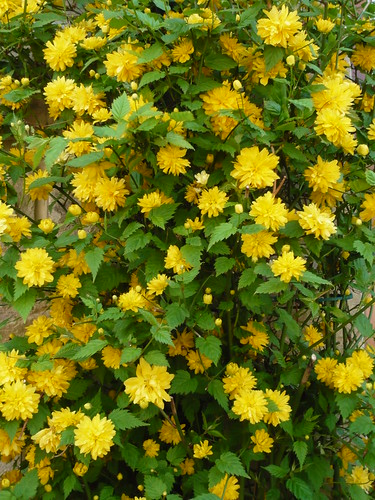
You can just make out the wall behind this flowering Kerria Japonica. There are other plants to screen walls but the soil is likely to be dry and impoverished so chose with care.

Kerria Japonica
Planted towards the back of the border this shrubs habit can be scruffy looking and the serrated foliage is rather un-interesting. Kerria loves sun but is drought, heavy clay soil and exposed location tolerant.
Kerria is a tough plant suitable for problem areas that makes it ideal for fast growing screening.

Arbutus unedo
Wonderful all-rounder with reddish stems and good bark, glossy leaves, Lily-of-the-Valley flowers and unusual strawberry-like fruits.

Hippophae rhamnoides, Sea Buckthorn
Lovely silvery leaves and bright orange berries.

Mahonia leaves
Mahonia x media Charity
Vigorous architectural shrub with glossy pinnate leaves and scented yellow flowers in winter.

Daphniphyllum macropodum
Seldom grown evergreen, best grown in shade. Large, handsome leaves and scented greenish flowers.

Fatsia japonica
Often sold as a houseplant but perfectly hardy. Huge palmate leaves give a jungly effect. Does well in shade.

Buddleja davidii ‘Dartmoor’
Fast growing shrub with gorgeous magenta-pink flowers in branching panicles. Great for butterflies and sometimes retains its leaves through winter.

Clematis montana Tetrarosa.
Useful for larger areas that need covering. This Clematis montana provides a spectacular burst of colour in late spring with large flowers an a delicate scent.

Ligustrum ovalifolium ‘Aureum’ or golden privet
Common, but very undervalued — the ‘sunshine’ shrub.

Aucuba japonica ‘Crotonifolia’ or spotted laurel
Tough but handsome with gold splashed leaves and large red berries.

Spotted Laurel

Tomorrows post will discuss Pyracantha


Around Blooming Heather

Around Blooming Heather

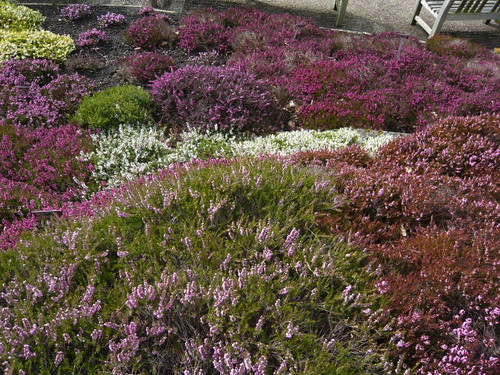
Ground cover March Heather

Heather is an overlooked plant that can perform well in most gardens even though they generally prefer an acidic soil. They are evergreen plants that flower in pinks, purples and white.

Planting Heather.

  • Take into account how much space the mature plant will consume.
  • An average heather plant will grow to be between 8 and 20 inches tall  and two to three feet wide.
  • Plant them at least three feet apart for a better shape and easier pruning
  • Keep at least two feet away from other shrubs to encourage good air circulation.
  • For ground cover use low-growing heather and  plant them about a foot part.
  • Heather can be planted anytime the ground is not frozen.
  • Heaths and Heathers prefer full sun and well-drained, acidic soil. To prevent dessication provide protection from cold winter winds.
  • Heather should be planted so the root-ball is level with the soil surface.

Growing Heather

  • Heather should be pruned or trimmed each year immediately after they have finished flowering.
  • Poor foliage color, or stunted growth could indicate the need for feeding.
  • The best time to feed is in late winter or late spring with an ericaceus feed but this is often unnecessary and dangerous as heathers ‘burn’ easily.
  • Take cuttings from existing heather plants in July or August when the wood is “half ripe”.
  • If plants look straggly cover lower branches with peat or good compost.
  • Heather is reasonably long lived if given some care.

Read top 10 reasons for growing Heather

Heather in Yorkshire


Leek Day

Leek Day

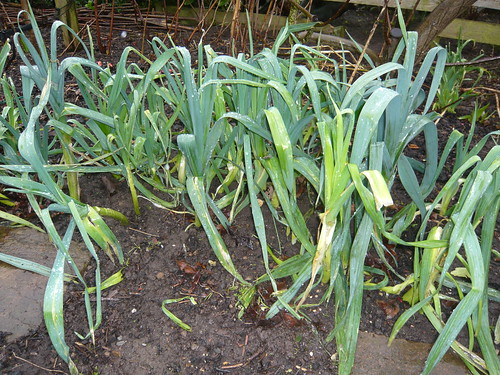
Leeks

March 11th and today I have finished harvesting my Leeks from last year. St Davids day whose symbol is the Leek is celebrated on March 1st every year so I am a bit behind the times.
I have also sown the 4th and last batch of this years seeds for indoor germination.
I may try some direct into the ground in early April.

Leek Easy Tips

  • Prizetaker will be ready to harvest from September until December.
  • Musselburgh I have sown for a later crop in November – February 2012. (It seems strange to be thinking about what to eat in 2012 but forward planning is part of gardening.
  • I will not grow my Leeks in the same soil as the crop I am just harvesting just in case of fungus.
  • I added some horse manure late last year and have a good moist soil bed ready when the seedlings need replanting.
  • I will hoe and earth-up the stems to get a longer blanched stem. This was something I forgot to do last year.


Canny Leek Growing is a book available from Amazon by Dan Calderbank that describs the best methods of growing leeks for culinary use or for exhibition, together with the historical development of this garden crop. Dan has developed his own leek strains and new methods of cultivation.

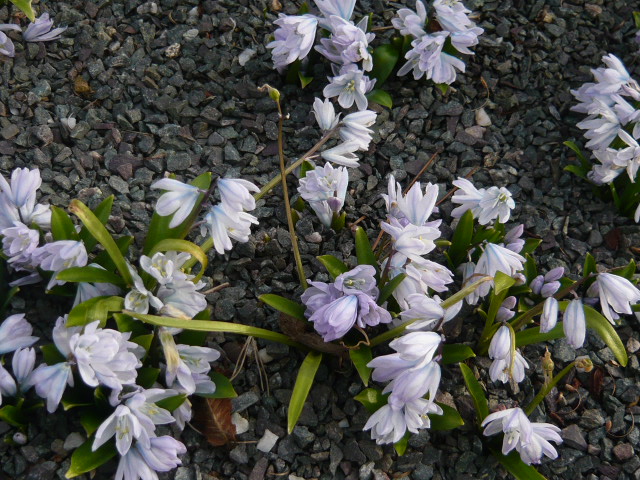
Scilla or Squill Should Look Like This?

Scilla or Squill Should Look Like This?

After the ‘Lord Mayors Parade’ gardeners get the manure. After the snow and sometimes during the snow gardeners get the Glory of the Snow or at least the glory of Scilla.
To have a display that looks like a professional start 3 years ago.

To have a garden that looks like Kew start 30+ years ago.

Glory of the snow

I like to grow bulbs in the garden but am often put to shame by other displays. I sometimes wonder ‘Why Don’t My Scilla Look Like This?’ but then realise that comparing your garden to Kew garden or international locations means you are on a hiding to nothing.

Scilla auf dem Friedhof

Tips to Look Like This

Read More Read More

Warm Your Soil

Warm Your Soil

Late winter and unseasonal snow has left many garden soils cold and inhospitable.
Spring is the time for new root growth and annual plants and vegetables need the best start possible.
Vegetables and ornamental plants need a bit of warmth to get established and growing away.
Clay soils is traditionally slow to warm through as they hold a bulk of water.

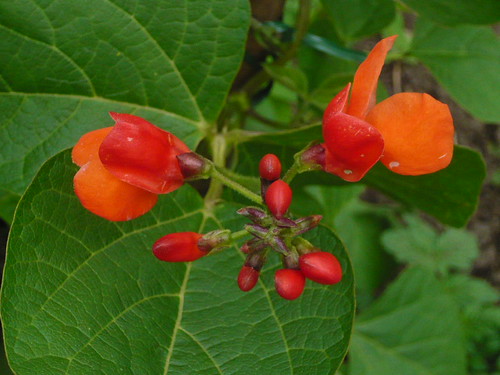
runner bean

Warming Your Soil

I use several methods to warm the soil and control the amount of water.
A cloche will cover an unsown area until you are ready to plant. It will slow down heat loss at night, speeds germination and also offers protection to young plants – I have started off my onion sets under a plastic tunnel type of cloche this month.
Black absorbs the suns heat and white tends to reflect heat. You can lay black plastic on an area of soil to get some warmth but ensure a good contact between the two. Hoe off any weeds before planting out.
Horticultural fleece is best for protecting young crops from late frost and will only do a little to warm the soil.
Compacted soil is inhospitable and likely to be cold. Incorporate plenty of humus and dig over to get air into the soil.

More Tips for a Cold Soil

Read More Read More

Orchid Compost a Treat for Orchids

Orchid Compost a Treat for Orchids

If you want to make your Orchids feel at home then use good Orchid compost and mimic natural conditions as best you can.
There are many proprietary brands available but you could do a lot worse than talk to an expert at a local Orchid show.

Orchids love humidity but hate wet feet so a free draining compost is preferred.
Some orchids are epiphytes that grow on other plants and trees and need to retain enough moisture when the opportunity arises.
All roots need air in greater or lesser proportions and some orchids have roots that grow out of pots into open air. That gives a clue as to what good Orchid compost will be like.
Orchids do not get any real food value from the free draining compost so need dilute feed in with the watering.
Orchids

Content of Orchid Compost

  • Bark chippings which come in differing sizes. For plants with thick roots choose a larger chips, if they are small and thin then choose small chippings.
  • Sphagnum moss, bark and  styrofoam mixed is good  for seedlings or very thinly rooted plants. It tends tol dry out quickly so watch the  watering.
  • Rock wool  mixed with a little perlite can seem dry on the surface   when very wet underneath and over time breaks down into a hard mass.
  • Lump peat and styrofoam is good for Phalaenopsis and those plants requiring a little more moisture retention.

Orchid Compost Tips

  • You can buy a proprietary Orchid compost at most garden centres
  • Compost breaks down and Orchids need repotting into fresh compost but only every couple of years.
  • Put some large crocks of foam at the bottom of the pot to aid drainage and retain air pockets
  • Repot just after flowering not whilst in flower.
  • Let bark compost soak in water overnight before repotting.
  • Thompson & Morgan Chempak orchid growth feed. It is a high nitrogen liquid fertiliser containing plant foods, magnesium and six trace elements to promote growth

Orchid compost is available from Amazon