Browsed by
Author: hortoris

Red Acer Shrubs

Red Acer Shrubs

Problems with Red Acers

  • Red leafed plants contain less Chlorophyll, the green pigment that’s instrumental in photosynthesis. These shrubs have less substance in the leaf which can be thin and papery.
  • The leaves are prone to wind damage and will turn brown on the edges quite easily. This wind burn or desiccation is unsightly and can be quite damaging.
  • Thin twigs without leaves are dead and need to be pruned out
  • Acers grow extremely slowly.
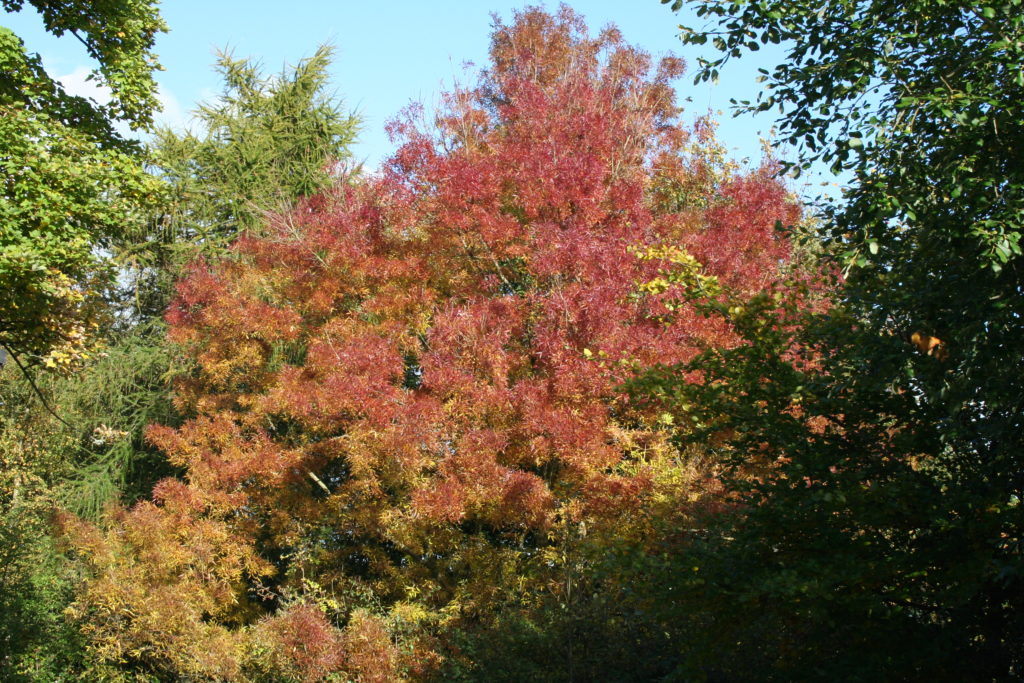
  • Some Acers have young green leaves that change over time and only turn deep reddish-purple in summer and scarlet in autumn.

Environment for Acers

  • Acers are hardy but avoid windy areas and frost pockets. Shelter from late frosts.
  • Acers prefer sheltered, sunny or partial shade.
  • Some varieties of Japanese maples are OK in a large plant pot.
  • Soil needs to be neutral or slightly acidic.
  • Grow in moist but well-drained soil.
  • Keep away from bright sunlight.

Red Acer Varieties

    • Lower growing palmatum cultivars work well in mixed plantings
    • Red Pygmy grow best in moist but well-drained soil, away from bright sunlight
    • Amagi shigure is also called Purple Passion.
    • Try  Acer Palmatum Katura or Acer Palmatum Little Princess
    • Acer Palmatum Shishi-gashira is a small red  Japanese maple.

Studley Royal Water Garden

Studley Royal Water Garden

Fountain Abbey

In the Georgian period of the 1700’s John Aislabie set about landscaping a water garden at Studley Royal near Ripon. Today it is a verdant green garden with ornamental lakes, cascades and vistas to take the breath away. There are temples, follies, St Marys church and several buildings within this World Heritage site. Not least of the buildings is the 12th century Fountains Abbey a crucial part of the landscape.

Things to look out for

  • Spring plants include Primroses, Cowslips and Oxlips.
  • Summer plants include Orchids, Pinks, Scabious
  • Autumn and winter interest comes from the tree colours and snowdrops
  • Wild flower meadow on the walk into Ripon
  • Deer in the parkland

Octagon Tower at Fountains Abbey

Environment

  • Soil is limestone and sandstone in a lowland setting.
  • Despite being distant from the East and west coasts the site is only 330 feet above sea level.
  • The site was well chosen by the Cistercian monks 1000 years ago.
  • The first indication of a water garden was the monk’s fish pond that was used to cultivate supper.
  • The land is managed by the National Trust and a team of volunteer gardeners.
Gardening Jobs to Avoid in May

Gardening Jobs to Avoid in May

As soon as the weather warms up there is great temptation to rush into jobs that have previously been deferred. Often there is a good reason for the delay and somethings should not be rushed.

  • Do not trim or refurbish hedges in May. Think of the nesting birds and the unfledged chicks that may be disturbed. It is soon enough to do your pruning later in June when the birds have flown the nest. Your hedges wont suffer except for the odd week of failing to look there best.
  • Another don’t is do not cut off the leaves of Daffodils and other spring bulbs at least until the goodness has gone back into the bulb for next season. The leaves are there to photosynthesize and put sugars and starch into the bulb for next year and over enthusiastic removal will send bulbs blind or into terminal decline.
  • Planting out seedlings too early may kill them off. My runner beans will not go out until June at the earliest. Late plants have a good habit of catching up. Early plants can get a severe ‘check’ to growth by cold, inhospitable weather.
  • Do not pick all the Rhubarb stalks but leave some to regenerate the plant for next year.


Wild Daisy Species

Wild Daisy Species

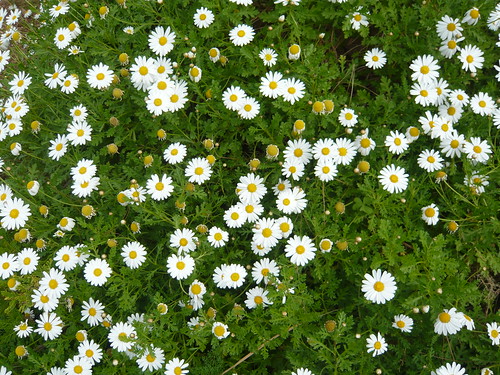
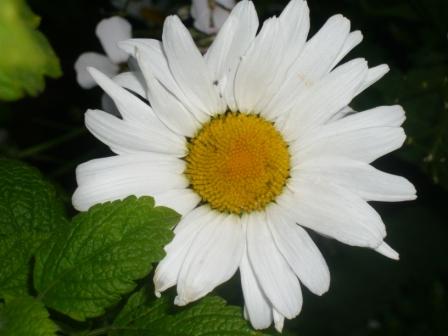
Native daisies are are normally white petaled with yellow florets/capitulum and come from one of the following families.
Tanacetum ferulaceum

A Range of Daisies

Leucanthemum vulgare or Oxeyed Daisy is a meadow plant that can form a clump of large flowers in the garden from may to september.

Tanacetum parthenium or Feverfew – an aromatic plant with light green leaves and small flowers in July & August.

Tripleurospermum inodorum or Scentless Mayweed grows 2 feet high with 1″ flowerheads that have less noticable petals from june to october.

Matricaria recutita or Scented Mayweed is smaller and less prolific in flower than the scentless cousin, flowering may-july.

Bellis perennis – Daisy is the traditional low growing plant with white or pink daisy flowers

Anthemis arvensis or Corn Chamomile is a tall aromatic plant with leaves that are woolly underneath.


Oxeye Daisy

Both the common names and the scientific, botanical or Latin name can provide information and an indication of the Daisy qualities.

Spuds And Potatoes

Spuds And Potatoes

Copyright creative commons non commercial

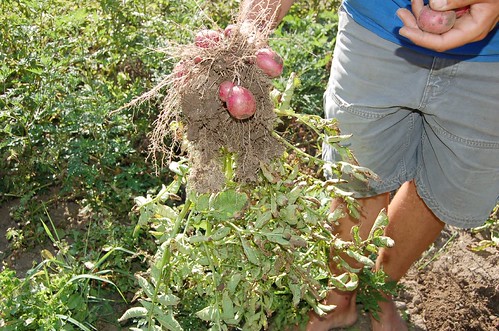
Demo for charity presentation

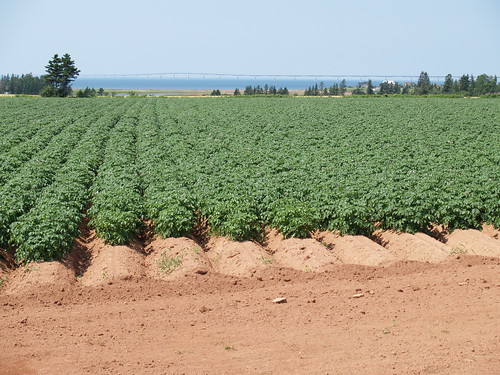
Bridge and potatoes

Growing well in ridges well hoed up to avoid green tubers

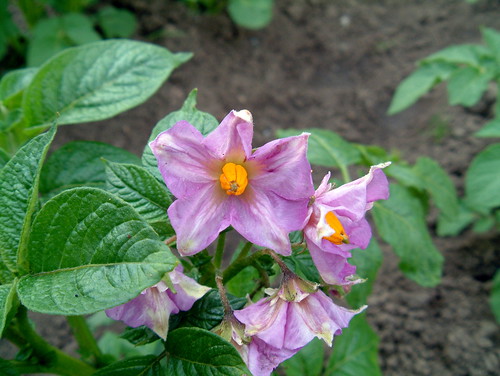
Potato plant

Typical solanum flowers of the potato

01di1485

Wedges of potato sown with an eye in each chunk.

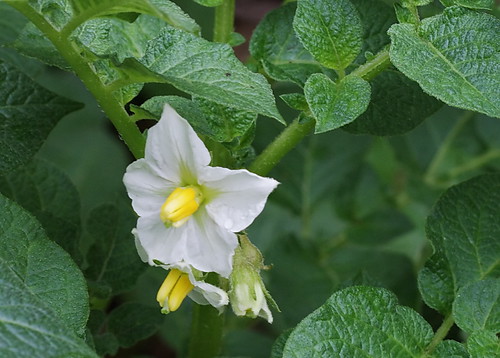
2010-09-22 11-12-42 - IMG_1791 Flowers on potato plants

Not all flowers are white or blue for that matter – species vary

Sick potato plant

Dried up leaves in hard packed soil – not a good recipe for success.

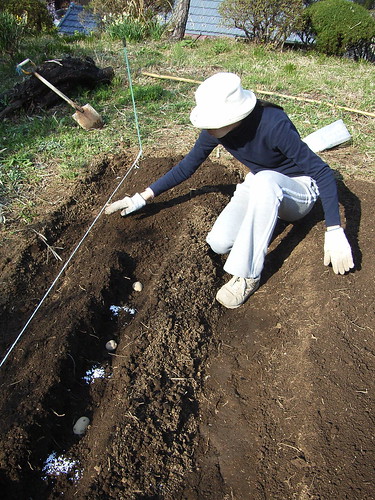
080325 ジャガイモの植え付け

Planted deep with granular fertiliser

P1040223

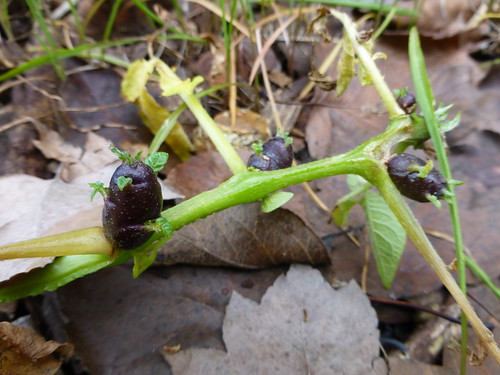
Above soil fruit on the haulms look like miniature spuds

Potato plant
Small potatoes!

Potato patch 2008

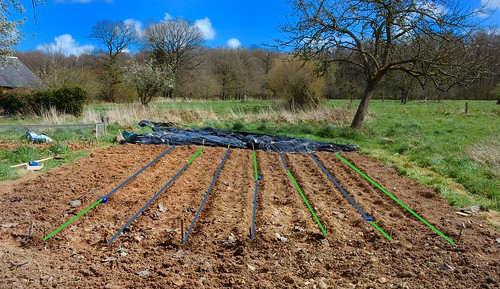
Test bed

Potatoes

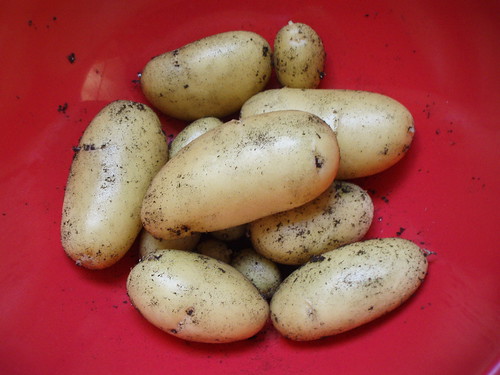
Cleanish spuds

Potatoes

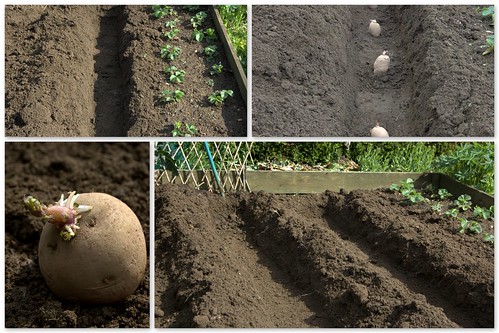
4 stage planting

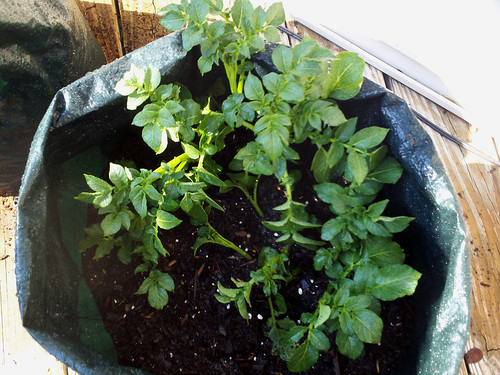
Happy Potato Plants

Potato sack

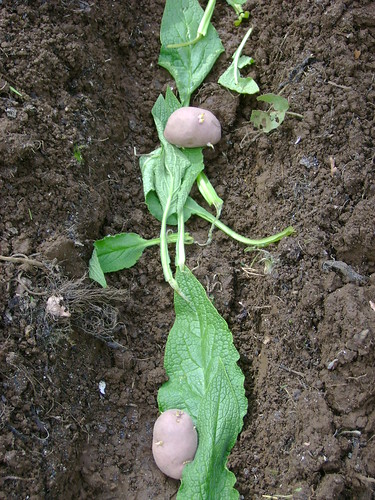
Potato Planting with Comfrey Leaves

Comfrey leaves make potato seed comfy

Six Weeks After Planting...

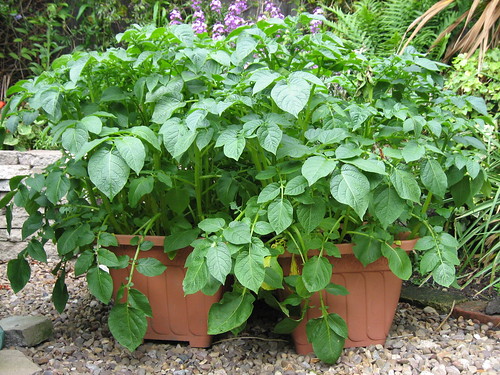
Small pots for new spuds

Potato flower

Another flowering spud now ready to harvest

Potato planting

Helpful gardeners for labour intensive crop planting

Red and white

Potato Mash-Up

A Weed Worth $Billions – Seaweed

A Weed Worth $Billions – Seaweed

Comfrey juice concentrate or nettle juice stink but Seaweed extract is a weed to feed your garden. In fact seaweed is arguably the best weed in your garden.

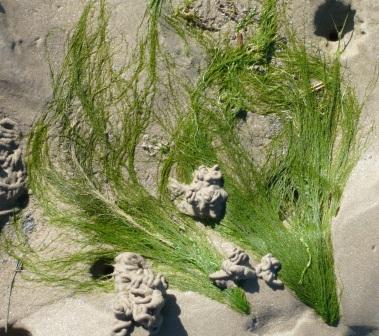
Seaweed is an algae generally living in saltwater. There are over 10,000 species in green, brown and red.

Uses and Benefits of Seaweed

  • Seaweeds are important ecologically and are an important source of oxygen. 70% of the worlds oxygen comes from photosynthesis of algae and plankton.
  • Seaweed is an important food in Indonesia and the far east where Nori and Kelp are cultivated to make one of the largest  aquaculture industries.
  • Most seaweed grows in low-lying rocky environments on the shoreline. All those anchored to rocks or the seabed are safe to eat.
  • Seaweed is a source of chemicals with medicinal and industrial uses including processed foods such as  yoghurt, health drinks and agar for German beer .
  • Seaweed as a soil conditioner has been used in Ireland for many years bulking up earth on thin limestone soils. It is organic and can be added to compost heaps but let rain wash out excess salt first. In Europe seaweed is used, mixed in layers with sand and soil, for growing Potatoes and Artichokes. Unless you live very close to the sea you are unlikely to have access to large quantities so you may use a commercial liquid concentrate.
  • Concentrated Seaweed is used at high dilution rates. It is reputed to help plants avoid stress and resist frost. The natural hormones amino acids and beneficial carbohydrates in Seaweed help plant growth and strong root systems. The seaweed extract helps the take up of trace elements.
  • Seaweed can be used  to remove undesired nutrients from water such as ammonia, ammonium nitrate, nitrite, phosphate,metals and CO2.  Nutrients are  consumed by the seaweed which can then be harvested.

Tips for Use by Gardeners

  • Use a very dilute solution of SM3 seaweed extract as a foliar feed.
  • Seaweed retains water and is slow to decompose so use as a winter mulch.
  • Use it on vegetables and see if your crop yield is better
  • Soluble Seaweed Extract Powder is non-toxic, harmless and a designated fertilizer for organic farming.

Types of Seaweed

  • Red and brown algae are almost exclusively marine seaweeds. Green algae are also common in freshwater.
  • Green algae including river species and red algae are recognised as being in the Kingdom Plantae.
  • Brown algae with 1800 species includes Kelps  range from the Arctic to New Zealand.
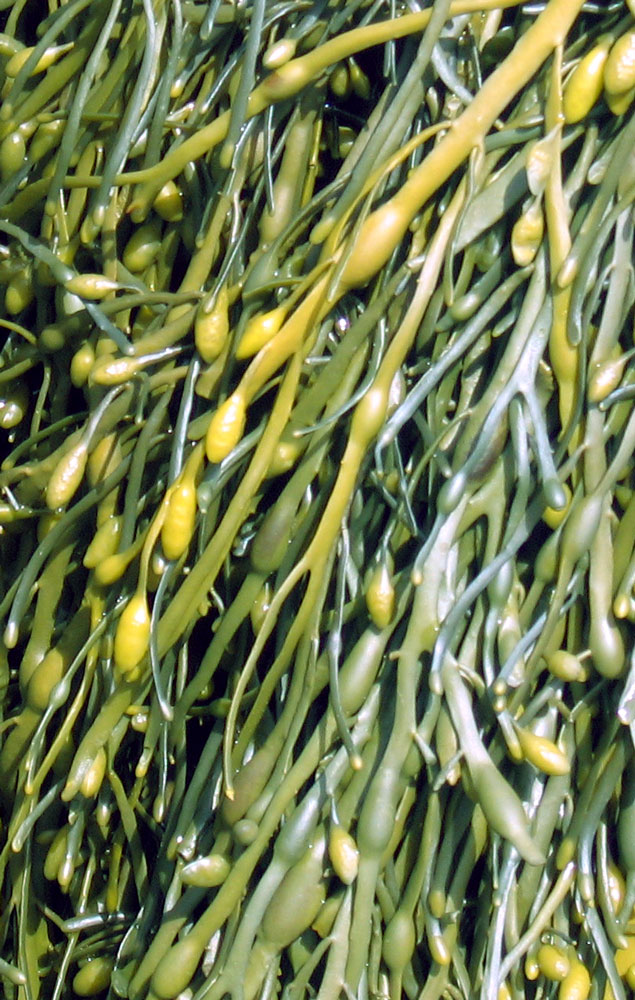
  • Wracks or Fucus species are common in the UK with other brown seaweeds Saccharina latissima and Bladerlocks.
  • Sea Grapes (green caviar) and Sea Lettuce Ulva are popular green seaweeds
  • Eucheuma, Dulce, Carola and Ognonori are edible red seaweeds
  • Sargassum is floating plankton like seaweed.

Brown algae Ascophyllum nodosum cc 2.5

Basic Gardening Tips

Basic Gardening Tips

Three Helpful Gardeners

Plants want to survive, they do not set out to annoy gardeners !  All a gardener needs to do is to help plants to fulfill their ambitions of life and procreation.

As with humans and animals Mazlow’s hierarchic of basic needs applies in the garden. Physiologically water, warmth, food and rest are crucial. Safety needs such as security and a place to live, reproduce and grow plus a bit of esteem or love will help.

Water Tips

  • Soil needs to be able to retain moisture. Extremely sandy or gravelly soil  needs to have lots of humus added perhaps in the form of compost. Tip. Improve the planting hole, make it twice as big and deep as you think you need.
  • Water needs to get down to the ‘drinking roots’ which are often deeper than the feeding surface roots. Water well to get deeper in the ground rather than little and often.
  • Fleshy leafy plants like salad and veg need more water than woody shrubs with fewer leaves to transpire.
  • A small plant pot holds a lot less water than a big pot. It dries quicker, gets hot faster and runs out of food sooner.
  • More houseplants drown than die of thirst. Roots can’t breath under waterlogged conditions.

Warmth Tips

  • Plants tend to be seasonal so consider what you grow and where.
  • Young leafy growth is more likely to be damaged by frost or strong winds.
  • Some roots will die if the ground freezes. A mulch may help.
  • Strong sun can burn shoots and leaves.
  • Hot, dry conditions will desiccate many plants and they can die. Shade a greenhouse in summer.
  • Many plants thrive on good light and dark can be very bad.

Food Tips

  • We all need food and plants are no different.
  • Photosynthesis converts sunlight into sugars for plant food.
  • Water draws food into chlorophylled  leaves for photosynthesis to start.
  • Soil in ‘good heart’ will contain food to be dissolved and feed the plants.
  • Extra food can be provided by granular or liquid fertilisers.
  • Excess fertiliser may encourage weak growth.

Rest and Safety

  • Locate your plants in appropriate surroundings.
  • If the location turns out to be wrong change it or get another plant.
  • Rest easy by sorting disease and pest with controls as soon as possible.
  • Remove competition by weeding.
  • Support plants that grow tall like sweet peas or are prone to wind damage like some perennials.
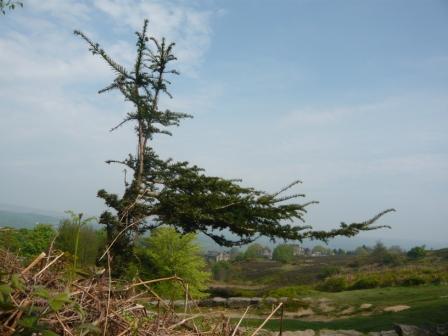
  • Beware of wind that can damage growth and rock plants to their roots


Windy Ridge

Caterpillar Brassicas Problems and Cures

Caterpillar Brassicas Problems and Cures

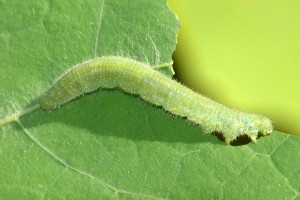
Small Cabbage White Caterpillar (pic)

Large Cabbage White Caterpillar are yellow with black markings

Caterpillar Problems

  • There are a large variety of caterpillar from different species of moths, butterflies and saw flies.
  • Brassicas are particularly susceptible to three common types the large cabbage white butterfly, the small cabbage white butterfly and the cabbage moth respectively Pieris brassicae, Peiris rapae and Mamestra brassicae.
  • Butterflies lay their eggs on the outer leaves of the brassica which hatch in 4 days to become voracious feeding larvae.
  • In addition to eating irregular shaped holes in leaves they often burrow into the hearts of cabbages.
  • Damage to plants will occur in April and October as the butterfly produces two generations per year.

Caterpillar Control

  • Avoid the butterflies by netting the brassicas.
  • Pick off any caterpillars by hand.
  • Squash any eggs that are found under the leaves before they develop.
  • Try a biological control from a parasitic wasp that lays its eggs in the caterpillars eg Cotesia glomerata
  • Grazers natural formula is sprayed directly on to the foilage which helps protect the plant from damage.
  • Spray with the contact pyrethroid insecticides but remember you plan to eat the brassica.
  • Distract the butterflies by planting nasturtiums as an alternative breeding ground.
Lawn Grub Problems and Controls

Lawn Grub Problems and Controls

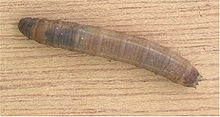
Grubs of the daddy long legs or species of Tipula attract birds to peck at your lawn. More importantly nthe feast on the roots of your turf.


Grub Problems on Lawns

  • Leatherjackets  are larvae or grubs of the  Crane Fly or Daddy Long Legs as they are more commonly known.
  • Leatherjackets live for one year from eggs laid in September, eating there way through winter
  • The fully grown Larvae are grey brown maggots up to 4 cm in length and have grown that size by eating the roots of your grass.
  • Leatherjacket problems can be recognised when your lawn starts thinning and going bare.
  • During dry spells in summer the grass may go yellow-brown caused by the grubby eating habits.
  • The less common larvae of Chafer Beetles  live for 3 years in the soil but the effect can be the same as Daddy Long Legs grubs. They are creamy white, C-shaped with brown heads and look similar to vine weevil.

Prevention And Control

  • Chemical insecticides have been banned by EEC for garden use against these grubs.
  • On a wet day cover the lawn overnight with some black plastic . When you remove it the next morning the grubs will be on the surface to feed the birds.
  • Nematode products utilise natural predators such as nematodes, lady-bird and lace-wing larvae that break the life-cycle of the pest. These solutions boost the number of natural predators and have no detrimental effect upon the lawn.

Book CoverNematodes from Amazon

Earwigs – Forficula auricularia Problems & Control

Earwigs – Forficula auricularia Problems & Control

Earwig O

Earwigs look worse than the bites they take out of plants. Some years there may be large infestations.

Earwig Problems

  • Whilst Clematis, Dahlia and Chrysanthemum plants may be a bit chewed  and ragged by an earwig they will not come to great harm unless you are growing show blooms.
  • Larger infestations  can strip the soft green parts to a network of veins.
  • Earwigs eat large irregular holes in the leaves and petals can be damaged by droppings.
  • Earwigs feed their newly hatched young on aphids and other small insects.
  • During the day earwigs hide amongst the petals. The leaves of Dahlias can be ravaged by
  • Earwigs do not bite or spread disease.

Earwig Control

  • To catch these night feeders use a torch.
  • The inverted plant pot on a cane method with the pot filled with straw or well crumpled newspaper will act as a trap. You can then collect the earwigs for destruction.
  • Birds, frogs and toads that prey on earwigs will help reduce the population of earwigs and keep it under control.
  • Chemical controls such as permethrin should be applied at dusk on warm evenings. Treat the leaves blooms and the  soil below the plants.
  • Prevention by removing moisture and decaying vegetation will make conditions less hospitable for earwigs.