Browsed by
Author: hortoris

Tomato Leaves On or Off?

Tomato Leaves On or Off?

It is a regular debate whether you should leave your tomato leaves on the plant or snap them off. For intermediate varieties I am strongly in the ‘get them off camp!’
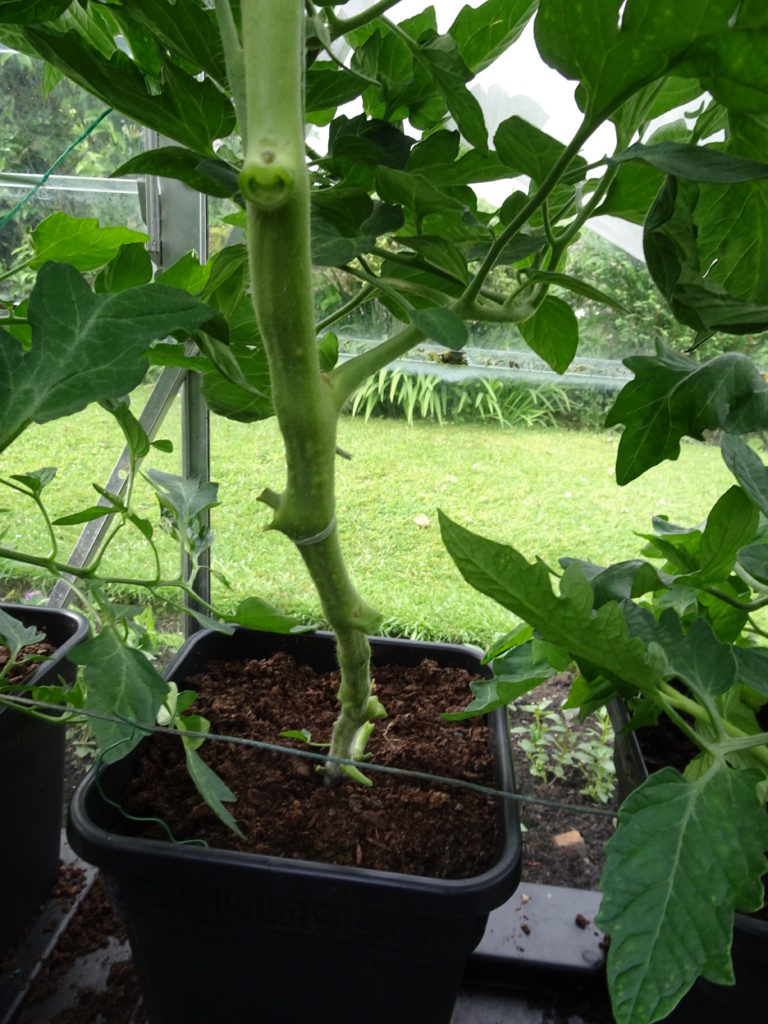
Starting to remove lower leaves 5th June 2017

Why Remove Lower Leaves

  • It removes one variable in the attempt to maximise crop yield. You are growing tomatoes not leaves!
  • It helps allow the air to circulate and get an air-flow round the plant that reduces the chances of blight and disease.
  • The sun can get to ripen the trusses of tomatoes.
  • To combat diseases caused by splashes up from the soil.
  • To open  up your access to the roots for watering, feeding and checking for pests.
  • To preserve NPK nutrients that would otherwise go into leaves. We are encouraged to pinch out the side shoots so amputating lower leaves is not much different.
  • Upper leaves start to create shade  and with less available light the lower leaves reach a point where they draw more sugars from the plant.
  • As plants grow taller the lower levels of the greenhouse become more humid increasing the possibility of disease such as early blight and anthracnose.
  • By removing the bottom leaves the greenhouse  floor is cleaner and reduces any spread from soil to a plant from splashing water.
  • Many commercial growers remove leaves.

Methods

  • Remove from the bottom always leaving 12 main leaves. Some advocate one leaf per cluster and nearer 20 leaves are common in commercial production.
  •  Let the plant retain the upper leaves or if you are worried try leaving 1 in 3 on the plant. Snap off the lower leaves in preference to cutting.
  • Trim unruly, yellow or damaged leaves. I also take off the harder darker leaves that have lost their vibrancy.
  • Remove leaves that seem to be getting out of control.
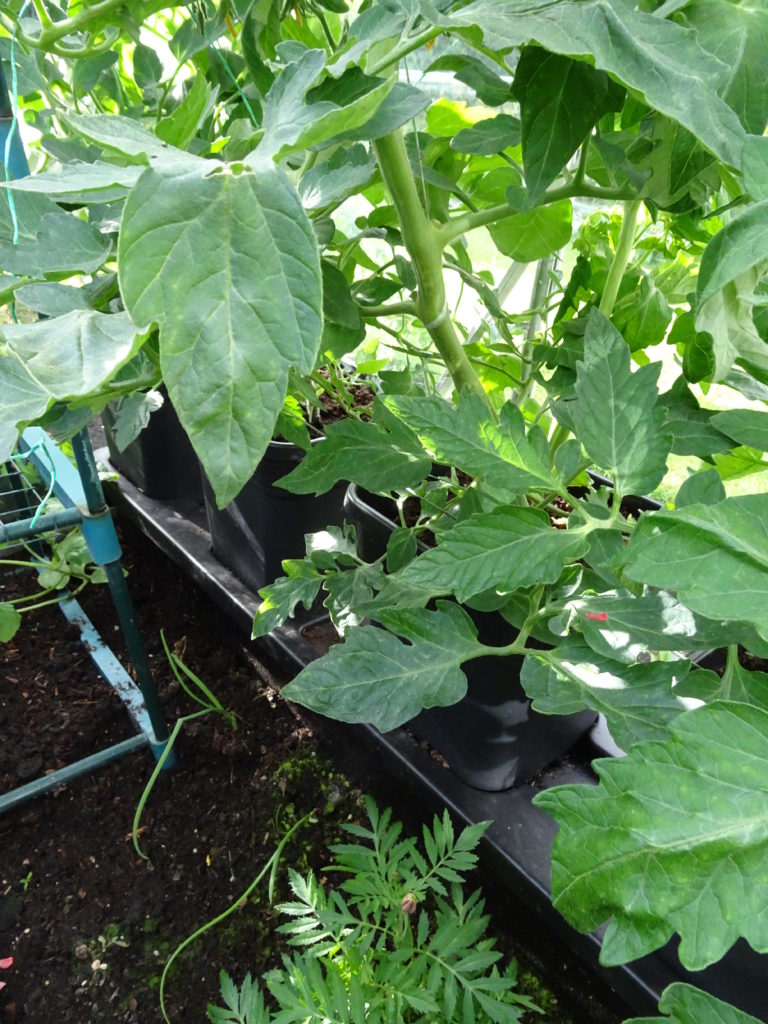
The start of the Leaf Jungle

Other Comments

  • There is the other school of thought that all leaves are helping photosynthesis. But do you need so much leaf for your intended crop.
  • As leaves die they return most unused sugars back to the plant.
  •  Direct sunlight on fruit can cause yellow or green shoulders and cracking Shading can improve fruit yields.


Schizanthus Facts and Growing Tips

Schizanthus Facts and Growing Tips

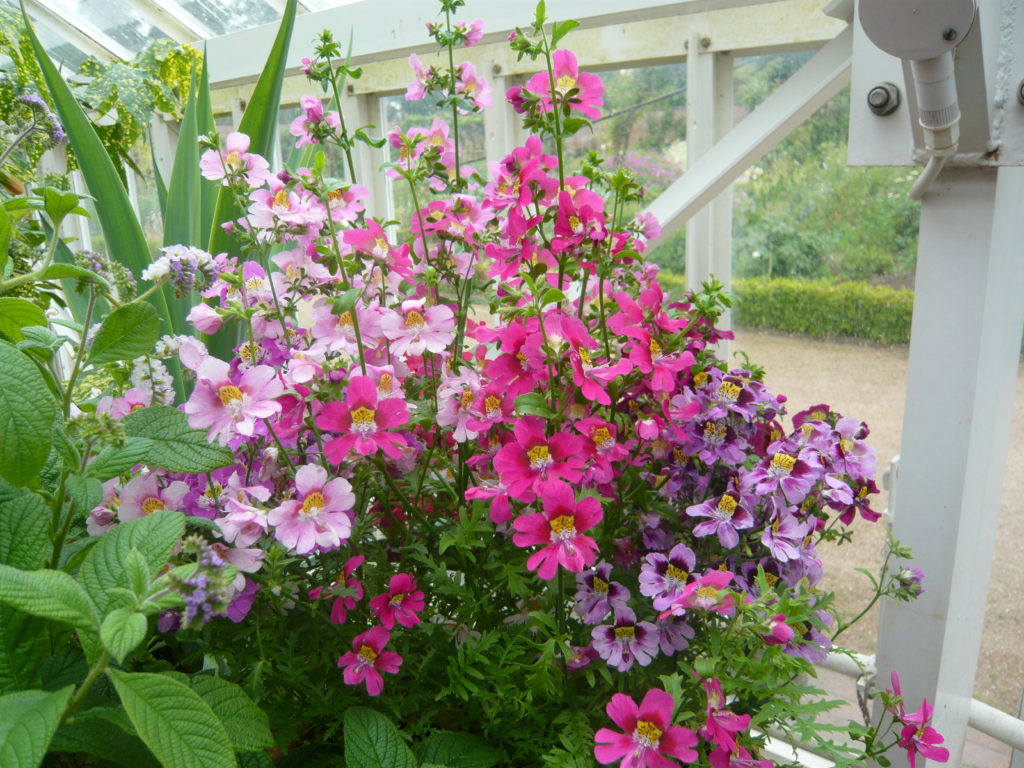
Schizanthus pinnatus ‘Hit Parade’ growing in a conservatory at Normanby Hall Country Park Scunthope.

Facts about Schizanthus pinnatus

  • Schizanthus is sometimes called the butterfly flower for the vibrant and varied colours of the flowers. Also known as the poor-man’s-orchid the blooms have that orchid type funnel with atypical internal markings and often with a contrasting eye A third name of fringe-flower presumably links to the scalped edge petals so three descriptive names to add to the binomial of this member of the Solanaceae family.
  • Schizanthus pinnatus ‘Hit Parade’ is a bushy half hardy annual up to 30cm tall with fern-like leaves.
  • Four main varieties of  Schizanthus pinnatus are  ‘Dr Badger’, Angel Wings, ‘Star Parade’ and ‘Hit Parade’, which display magentas and darker pinks. with its delicate clouds of flowers in pink, mauve, cream and white,
  • The species currently recognized in the Schizanthus genus are:
    • Schizanthus alpestris, Schizanthus candidus, Schizanthus grahamii
    • Schizanthus hookerii , Schizanthus integrifolius  Schizanthus lacteus
    • Schizanthus laetus, Schizanthus litoralis,  Schizanthus parvulus
    • Schizanthus pinnatus,  Schizanthus porrigens, Schizanthus tricolor
  • The orchid-like flowers  in shades of pink, red, cream and lilac have distinctive spotted and blotched  markings.
  • Schizanthus are native to the Chile
  • Pot-plant growers sow Schizanthus first thing in the New Year to be ready for Mother’s Day

Read More Read More

Beat Garden Blues and Bee Happy

Beat Garden Blues and Bee Happy

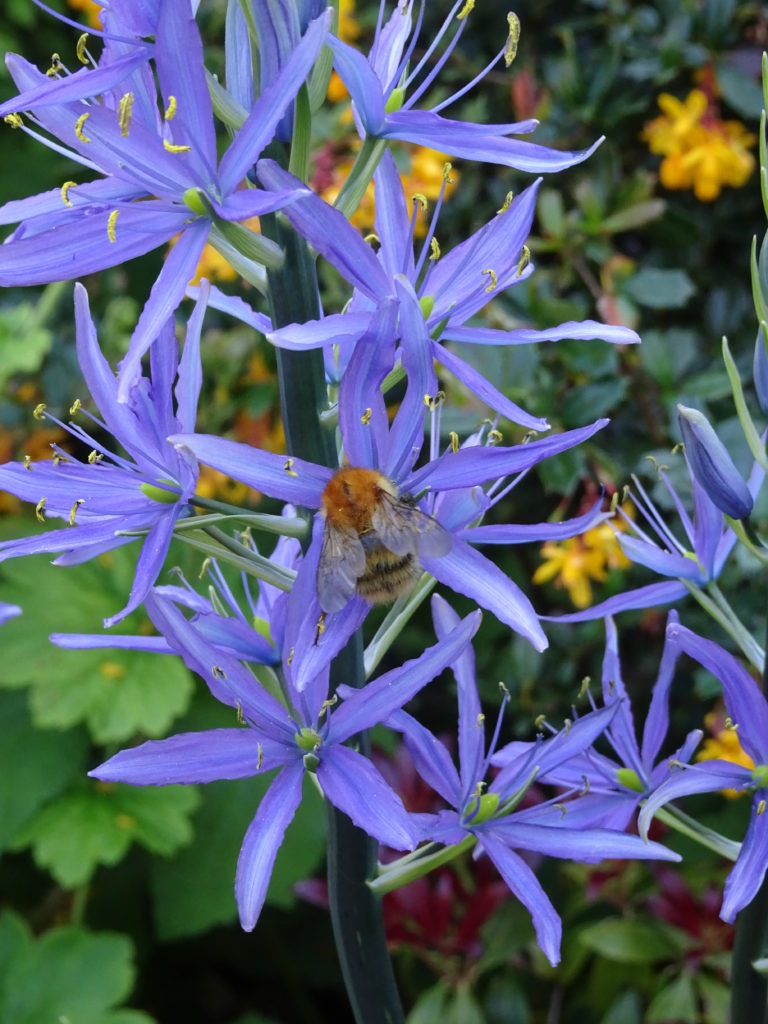
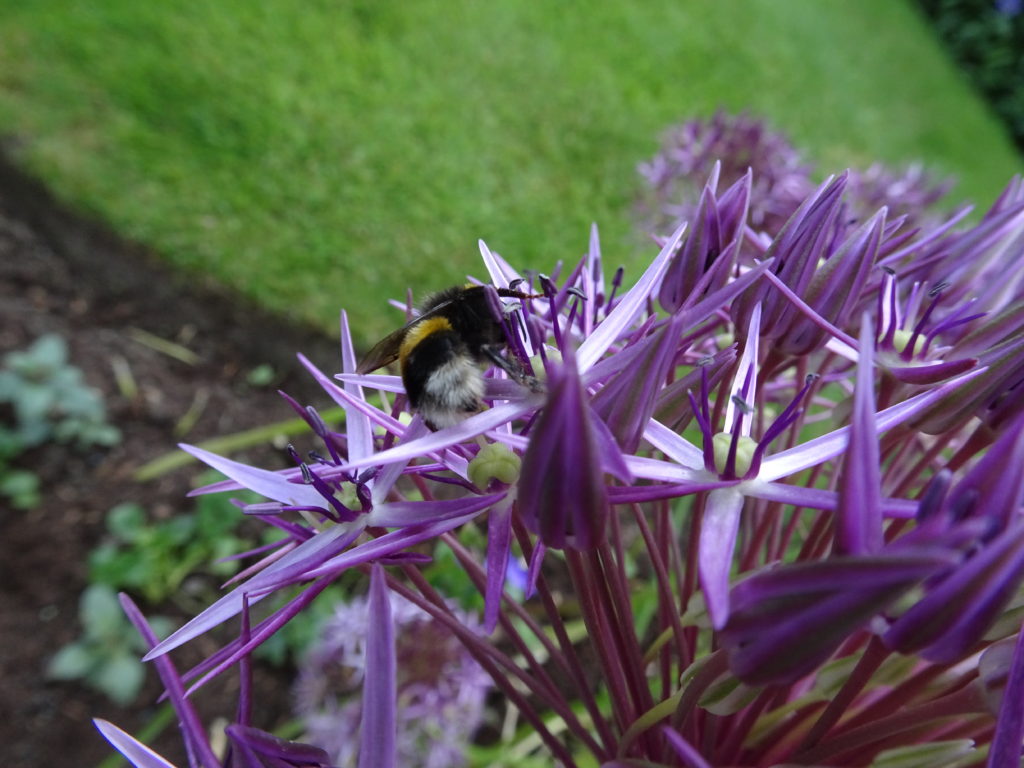
Rumour that Bees are in terminal decline is not borne out in my garden this year. The Bees seem very happy on the blue flowers and I am happy as it gives me an excuse to show some more blue photographs (of flowers!).

It is hard to be ‘blue’ when your senses are fully engaged.

  • Creating a buzz provides a new sensory experience in the garden and it make a change from the sound of wind and the patter of rain.
  • On the other hand I have just felt the pain from pruning a very prickly leaved Berberis that will now have fewer blue berries for the blackbirds later this year.
  • The Californian Lilac below is exuding its share of perfume to scent the nostrils.
  • I can barely wait for the Blueberry and Bilberry season to deliver the taste of my favourite fruit. I can’t think of a blue vegetable unless you count purple sprouting broccoli but if I have missed your favourite let me know.
  • ‘Seeing red’ as a phrase could be replaced with ‘seeing blue’ when you consider some of the great blue flowering plants.

Read More Read More

Saxifraga a Collectors Dream

Saxifraga a Collectors Dream

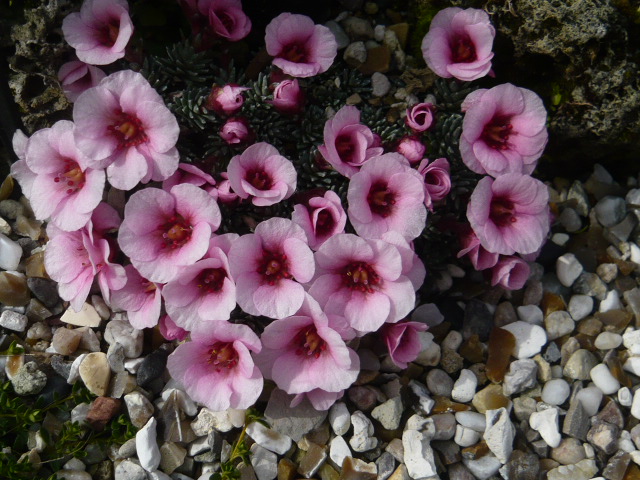
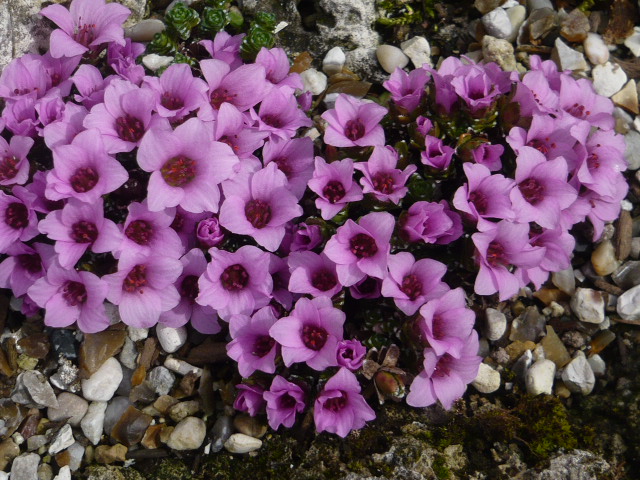
There are enough different saxifraga within the genus to satisfy the most ardent plant collector and breeder.

Saxifraga Karels Carpet

There are over 300 identified species and a great number of hybrids referenced in to sixteen separate sections.

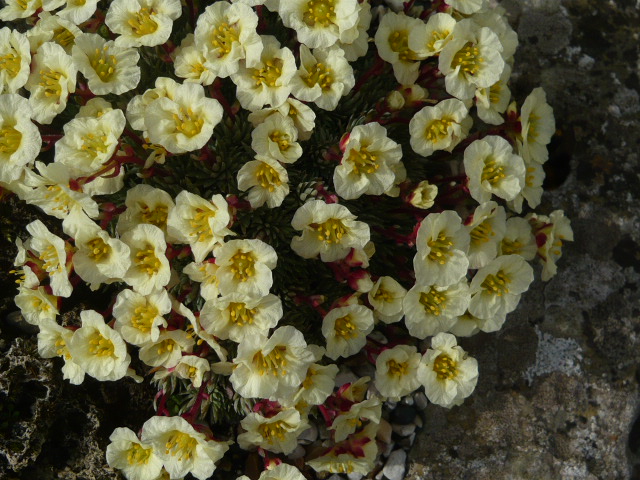
Saxifraga  burseriana  ‘Sulphur’

Then in addition some of the main sections will hybridise and there are numerous variations to collect.
Kabschias and  Englerias are quite similar hybridising like mad. They flower early in pots or tufa crevices. Silver Saxifrages Ligulatae, Dwarf Cushion Porphyrion, London Pride Saxifrages Gymnopera and Mossy Saxifrages are other groups to collect.

National Collections & Societies
  •  The Plant Heritage National Collection of Kabschia Saxifrages is housed at Waterperry. The curator, Adrian Young, says ‘a huge band of followers are attracted by their size and compact habit as well as the beautiful flowers’.
  •  Cambridge University houses the National Collection of European Saxifrage in the Mountains House
  • The Saxifrage Society membership is a very reasonable at a fee of £10 per annum.
  • The Alpine Garden Society
Rose Blindness

Rose Blindness

A disappointing display of flowers on rose bushes and climbers can be a result of ‘rose blindness’.  The term blindness in gardening terms refers to the failure to flower and is common in daffodils that become constricted (see below).

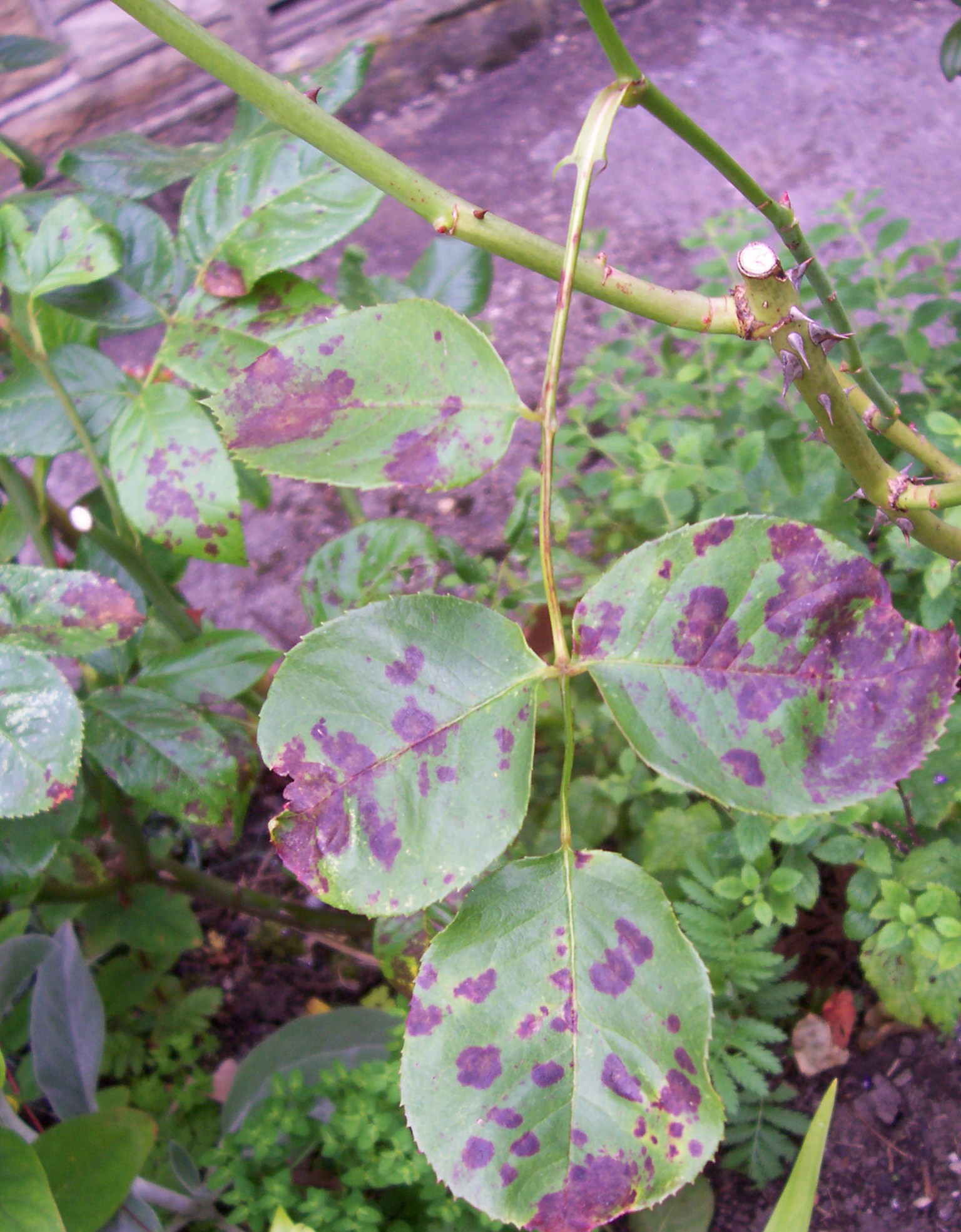
black-spot on rose tree

Reasons for Poor Flowering

  • Due to environmental conditions in some years roses flower badly despite the best efforts of gardeners.
  • An empty flower case can be caused by frost damage.
  • Poor fertility in the soil and lack of trace elements and nutrients
  • Excessive shade
  • A build up of old wood and weak growths
  • Infection such as this severe case of blackspot
  • Some varieties are just prone to intermittent blindness

Avoiding & Curing Rose Blindness

  • Careful positioning of your roses in the sun without too much competition from other plants.
  • Improve cultivation to relieve stress, add humus, water regularly, apply fertilisers and fungicide if needed.
  • Reduction in the amount of old wood to encorage new healthy shoots.
  • Cut back a blind shoot by half it’s length to stimulate further growth

Cure for blind bulbs

Daffodil Blindness

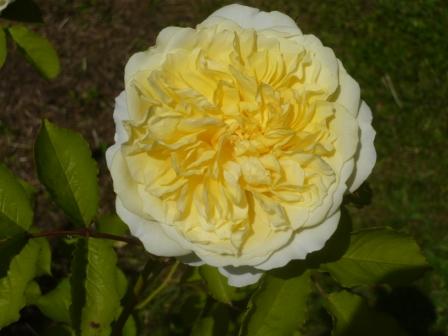
A better rose with a super scent that a blind person would appreciate.

Quick Facts about Allium christophii

Quick Facts about Allium christophii

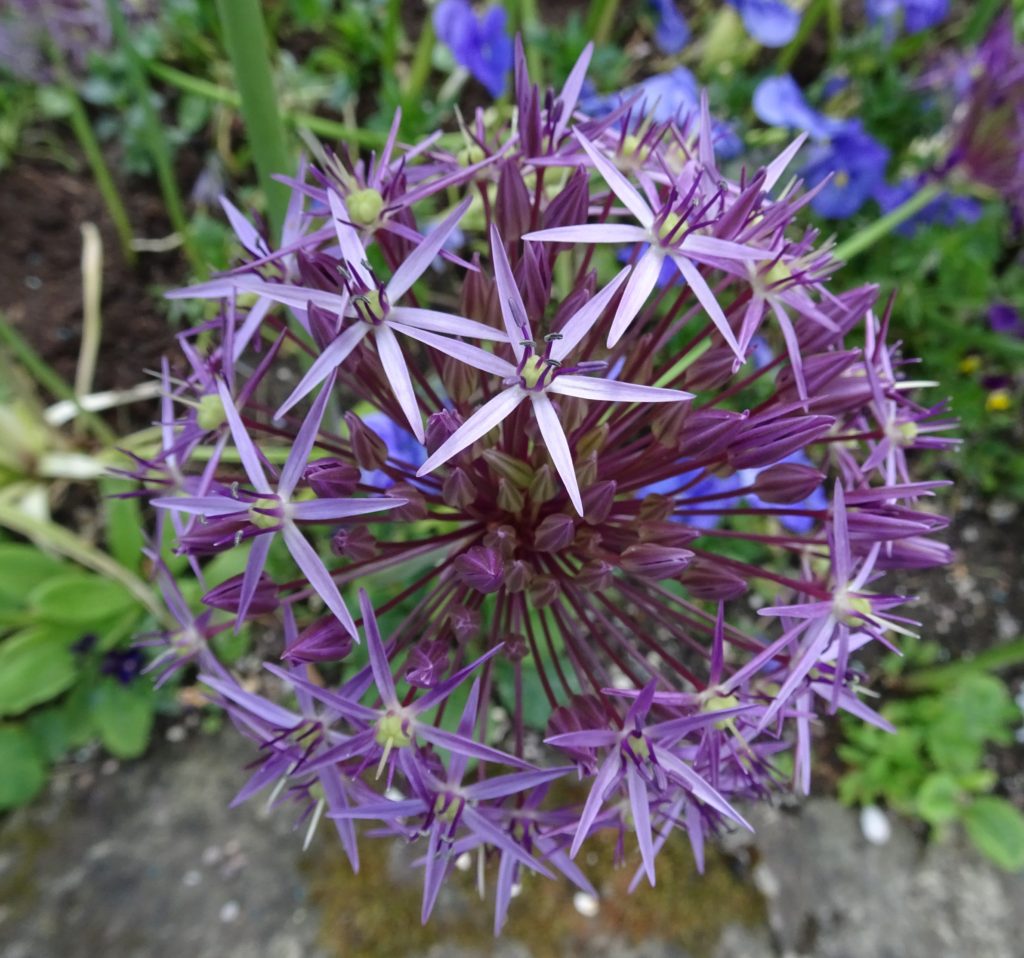
Allium christophii, common name Star of Persia or Persian onion. Perhaps they have dropped the religious ‘h’  to become Allium cristophii as a nod to the Iranian roots.

Three Quick Facts about Allium christophii

  1. The clusters of ‘stary’ flowers look good in a vase, dry beautifully and hold their form for years.
  2. This allium is attractive to butterflies but not pests.
  3. Grow your own Allium christophii, by collecting seed sowing them when just ripe or  remove offsets in autumn. You get three seed capsules from each star flower.


Storage Rot of Tubers and Bulbs

Storage Rot of Tubers and Bulbs

Bulbs that are stored over winter can be susceptible to rot and fungus. To avoid problems check them regularly and remove and destroy any that are effected.

Ornamental bulbs, tubers and corms that may be affected include begonias, gladioli, tulips and dahlias. Edible crops that can be affected include potatoes, onions and garlic. You will know about rot when you smell some of these .

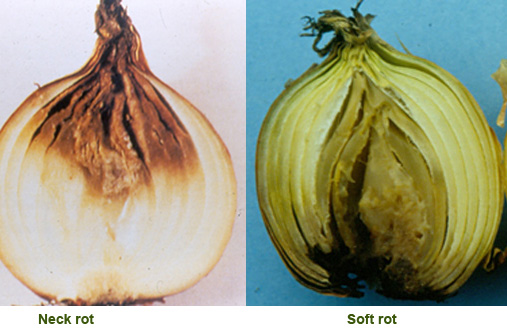
Onion Rots Ontario Ministry of Agriculture, Food & Rural Affairs

Types of Bulb Rot

  • Damp conditions help grey  botrytis or blue/green penicillium fungal rots.
  • Damaged items allow bacteria to enter the bulb and grow.
  • Post-harvest rots are also caused by fungi and bacteria from the soil or from infections in rotting leaves prior to harvesting.
  • Species specific fungal attacks can cause gladioli core rot, tulip fire, onion neck rot and others.

Storage Tips

  • Harvest carefully, damaged goods rot quickest.
  • Clean off soil and  dry off excess moisture. I then wrap some bulbs in newspaper.
  • Look for signs of black seed-like sclerotia of botrytis.
  • Discard any with signs of soft soggy tissue.
  • Store in dry cool conditions on clean storage trays. Leave space so bulbs do not touch and spread any disease.
  • Dust with a sulphur based inhibitor.

Sack rot and cart it off but not to your compost heap!

Courgette Fruit Problems

Courgette Fruit Problems

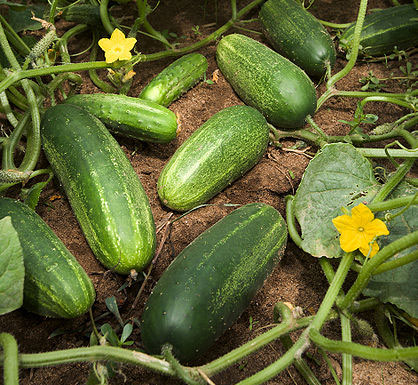
Courgettes

Curcurbits are members of the 965 species gourd family that includes Marrows (Courgettes), Cucumber, Melon, Pumpkin and Squash.  

Courgette Fruiting

Plants produce both male and female flowers. The male flowers grow on a thin erect stem. Female flowers are recognisable because they contain an ovary within a swelling behind the yellow flower. Male flowers grow above the vine with a central stamen containing pollen with which to fertilise the female.

The fruit grows behind the pollinated femail flower eventually sheding the petals. Left to grow the courgette will continue into a marrow sized fruit. Some small varities have now been bred to produce small fruit.

 What can go wrong:

  1. Male flower production will be favoured by low temperatures and or excessive shade. Give plants enough space. Choose a warm sunny position.
  2. At the start of flowering often only male flowers grow. As days lengthen both flowers should be formed.
  3. Fruit only swelling at the neck near the top indicates incomplete pollination due to cold or lack of insect visits. Remove these fruit to avoid end rot and shriveling.
  4. Too many fruit on a plant will encourage shriveling and rotting of fruitletes. Remove all useable fruit as soon as possible.
  5. Fruit allowed to grow to maturity as marrows will switch off the cropping as the reproduction is done.

Pollinating Tips

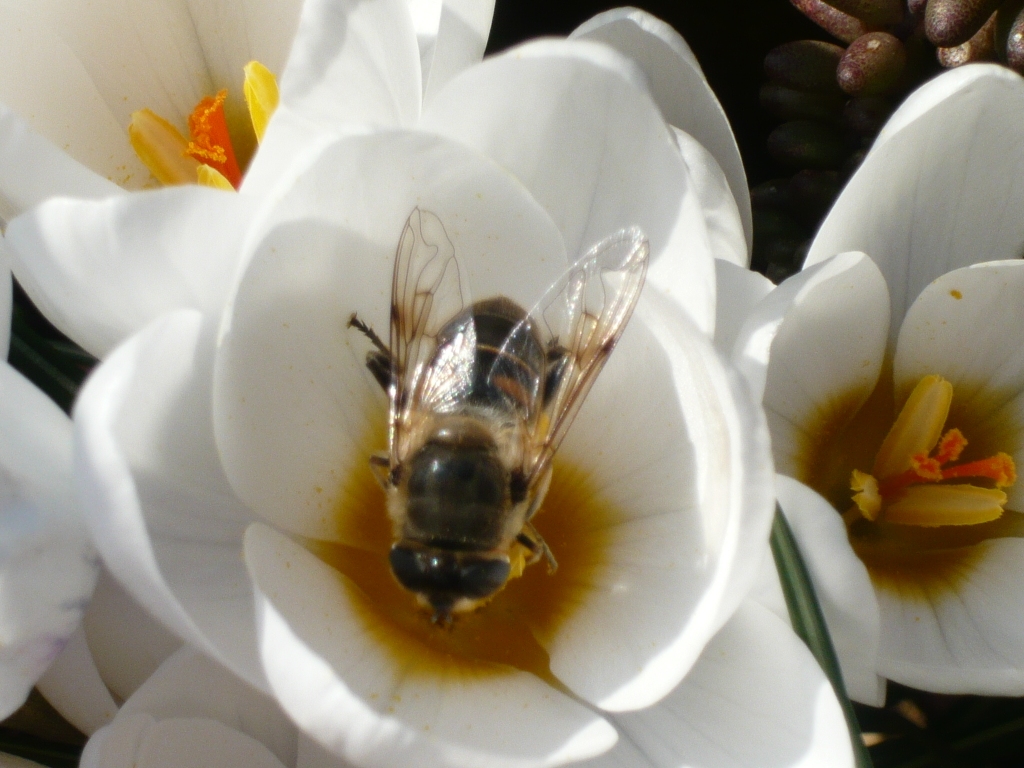
  • Encourage insects to help move the mature pollen. Avoid insecticides.
  • Wind can help pollination but the flower petals are more designed for insects making a funnel shape .
  • In a greenhouse or cold frame the gardener can remove a male flower and manually transfer the pollen from male to female by tapping the male flower above the ovary.
  • Do not pick male flowers  for hand pollination until the pollen is mature.
Photography Tips For Gardeners

Photography Tips For Gardeners

Think before you Click

  • It may seem obvious but think why you are taking a photo in the first place. Is it a documentary record, a social occasion, a personal pleasure or a potential item for publication and wider use.
  • Plan your viewpoint and composition using important features and eliminating unwanted items. Framing subjects and using items, even those behind you, may improve the image.
  • Do not be tempted to cram in too much detail that causes conflict or unneeded complexity.
  • Think about texture, shape, patterns and perspective in addition to the all important colour.
  • Check the light and how various shadows will fall. My shadow features in too many photographs

Close up Tips

  • Getting close and personal can reveal details of plants not normally inspected such as shapes patterns and colour contrasts. Small sections of a bigger subject can be very interesting.
  • It may be necessary to use a tripod to keep the camera still
  • Also consider wind breaks as shelter or supporting methods to hold plants still.
  • Macro facilities on a digital camera or extension tubes on SLR’s help get really close.
  • Use small apertures to get a depth of field. Hold the camera parallel to the most important feature of the photograph.
  • Take several shots and be patient

Other Gardeners Photo Tips

  • Use low view points.
  • Highlight contrasting colours
  • Try   unusual compositions and repetitions repeatedly.
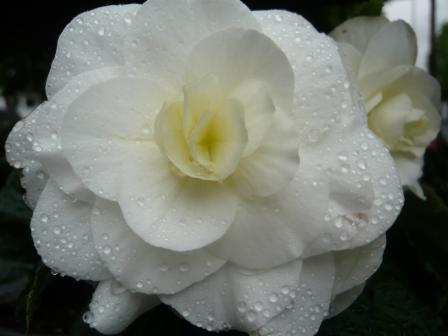
  • Droplets of water on flowers may improve and freshen up the image. Spray drops of glycerine if you are very keen.
  • I need to practice what I preach by keeping a record of what, where and when an image was taken and published.


National Garden Scheme Raises £2.7m

National Garden Scheme Raises £2.7m

In 2016 the National Garden scheme donated £2.7 million to a range of cancer and other charities. This furthers the charitable objectives of the society ‘supporting charities, in their work in the provision of nursing and caring, and

  • the relief of sickness and the preservation and promotion of health;
  • supporting the queen’s nursing institute in its work.
  • assisting such charities or charitable purposes as the trustees shall think fit;’

Looking at the Yorkshire programme for 2017 I forecast an increase in these donations despite the economy and dare I say it the weather.

These Iris were in fine fettle at Creskeld Hall in Wharfedale at the end of May for their open day in aid of NGS. Renown for the Rhododendrons and Azaleas the 3½ acre garden did not disappoint.

Get your local Yellow Book the guide to open gardens and visit some open gardens and help this charity help so many other worthwhile charities.