Browsed by
Author: hortoris

Blanching & Earthing Up

Blanching & Earthing Up

Blanching & Earthing Up Gardeners

  • Blanching seeks to make pale or white by excluding light.
  • Several vegetables need blanching to be made them tender and remove the green parts that cause bitterness.
  • Celery and leeks are blanched using the process of earthing up.
  • Seakale and rhubarb is blanched by excluding light by an upturned pot usually covered in leaf litter.
  • Endives can be blanched by covering with a slate or tile to exclude light for a few days.
  • Chicory and lettuce may blanch if the leaves are tied together.
  • Exclude light from potatoes by ‘earthing up’ or drawing mounds of soil  around the haulms (stems) to prevent tubers from growing near the surface and turning green.

Blanching Food Treatment

  • Blanch vegetable or fruit by scalding in boiling water and finally plunge into icy or very cold water.
  • Skin and outer shells are easier to remove on tomatoes and many nuts after quick blanching.
  • Fruit and vegetables are treated  to minimize the bacterial content often as a precursor to freezing.
  • Blanching helps to retain a green color with asparagus, greens, peas and beans. Par boiling is similar to blanching but without the last step of a quick chill in cold water.
  • Blanching food is now a recognised industrial process about which several learned views have been published.

Book Cover


Seed Dispersal

Seed Dispersal

How do Plants Spread their Seeds

To maintain the species plants have developed many strategies for dispersing their seed. They make flowers and fruit attractive so gardeners buy them in seed packets or propogate them to eat. More importantly they have evolved specific techniques:

Major Seed Dispersal Methods

  • Wind is an obvious method from weeds like dandelions and their seed clocks and willowherb to trees such as Sycamore with the helicopter twirly ‘double samaras’ which spin to the ground.
  • Cyclamen have an ingenious method to get the fresh seed away from the parent plant. In addition to the pod on a long twisting stem the seeds are coated in a  sticky substance that is attractive to ants. The ants then unwittingly move the seed  to the new location.
  • The gravity ‘dead drop’ of seed is fine for annuals and seeds that are happy to germinate near the old (now dead) parent.
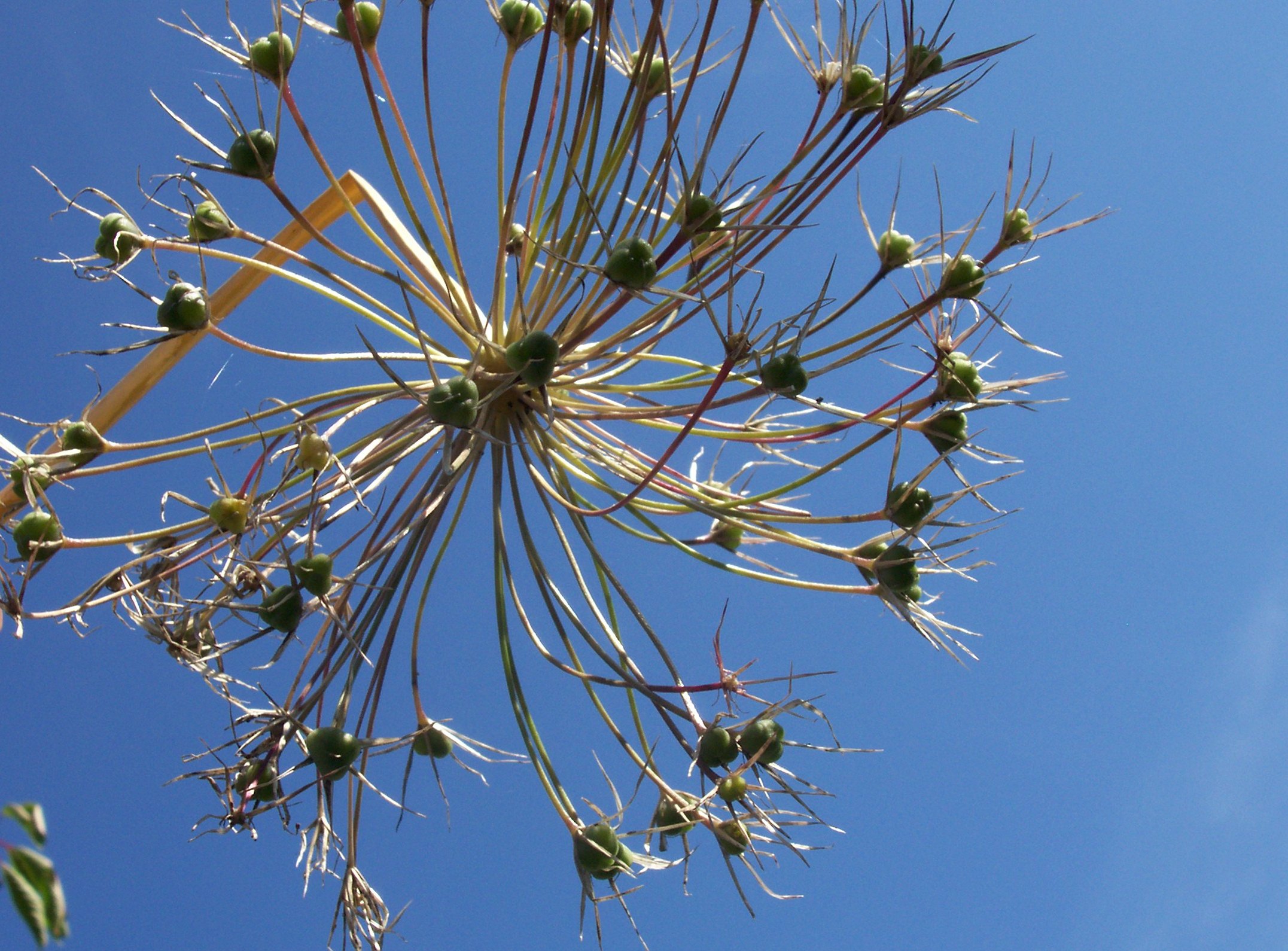
  • Seeds that want to move a bit away from the parent such as Alliums and Aquilegia have a seed pod that progressively tightens around the maturing seed. The pod then spritzes or squeezes the seed as a cherry stone would when squashed between your finger and thumb. Pea pods pop open when ripe.
  • Bird Cherry is named for the creatures that eat the flesh and excrete the stone. There are other seeds that are spread after animals and birds have eaten the fruit but not digested the seed.
  • Animals also disperse thistles, teasels and burdocks via their fur after the seeds hooks or spines attach themselves.
  • Squirrels and some animals also bury or hide nuts and fruit and if forgotten they may germinate. Humans may throw an apple core away spreading the seed.
  • Plants growing by water such as Willow and Flag Iris can have the seed transported by the water.
  • A combination of dispersal methods may be used eg a seed blown by wind may be transported by water to somewhere else.

Book Cover

No Chemical Pest Control

No Chemical Pest Control

No Chemical Pest Control

The world is made up of chemicals and they are not all bad. Where would we be without oxygen for example. However chemical control to kill ‘pests’ is often harmful to the environment and other wildlife. Many persecuted pests are not actually harmful to gardens or can be effectively controlled using other measures:-

  • Encourage natural predators of  specific pests.  Ladybirds and lacewings love to eat aphids. Frogs and hedgehogs go for slugs and if you want birds they have to eat something.
  • Biological controls introduce one killer insect to predate another; Whitefly can be targeted by a parasitic wasps.
  • Hand picking problems like the red lily beetle may be time consuming and intensive but is therapeutic for the Lily and the gardener. Removing and squashing caterpillars from brassicas is an old remedy .
  • Water spraying with  a light soap solution has been used for some time to remove aphids. Add plant oils and other organic based substances like garlic to the water for an environment friendly solution solution!
  • For my Tomatoes I companion plan French marigolds to distract predatory insects from the tomatoes.
  • Barriers from rabbit & deer fences to slug traps are chemical free. Slugs do not like copper  or the sharp edges of eggshells.
  • Think on about appropriate garden practice and methods like raised beds, crop rotation and good soil conditioning.

Leave Well Alone

  • You do not need to remove the pest completely but are aiming to protect your plants and crops from serious damage. Many creatures we think of as pests are seen by some desirable creatures as food.
  • Encouraging more diversity within the garden will prove beneficial.
  • Ants are unsettling but benign and do not do much damage to flowers and crops.If possible leave the ants to carry on.
  • Consider the whole food chain and be cautious before using any chemical. Remember the song Ilkley Moor Baht’at, after we’ve buried thee, worms will eat thee up, then ducks will eat up worms, we will eat up ducks and then we shall all have etten thee!
  • Piles of rotting wood, nettle beds and nature zones are better than obsessive cleaning up.
Re-Blooming ‘Remonant’ Plants

Re-Blooming ‘Remonant’ Plants

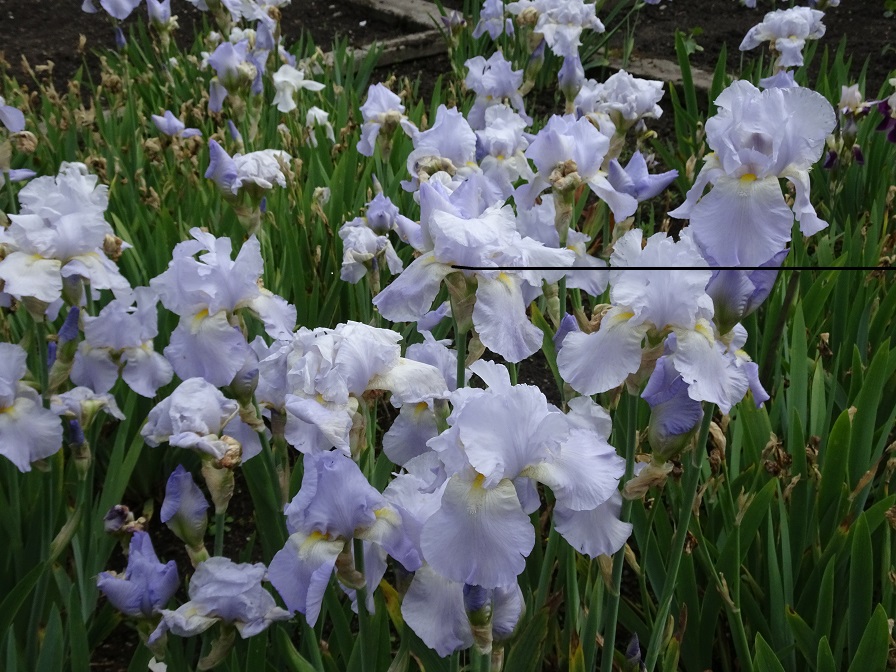
              Creskeld Iris

A little used gardening term is ‘Remonant’, said of a plant flowering more than once in a season.

I first came across the term in an article ‘Autumn Encore’ by Simon Garbutt in  The Garden September 2003 . The main thrust was on reflowering varieties of Iris, called rebloomer at Seagate Irises.

  • Where the growing season is long enough, remonant irises are bred to produce an autumn flush of flowers. In the USA where they are popular they are also known as “Cycle rebloomers”.
  • Continious flowering or Repeaters are now being bred to extend the flowering period. The answer to a regular display of Iris is to choose your species and variety with care.

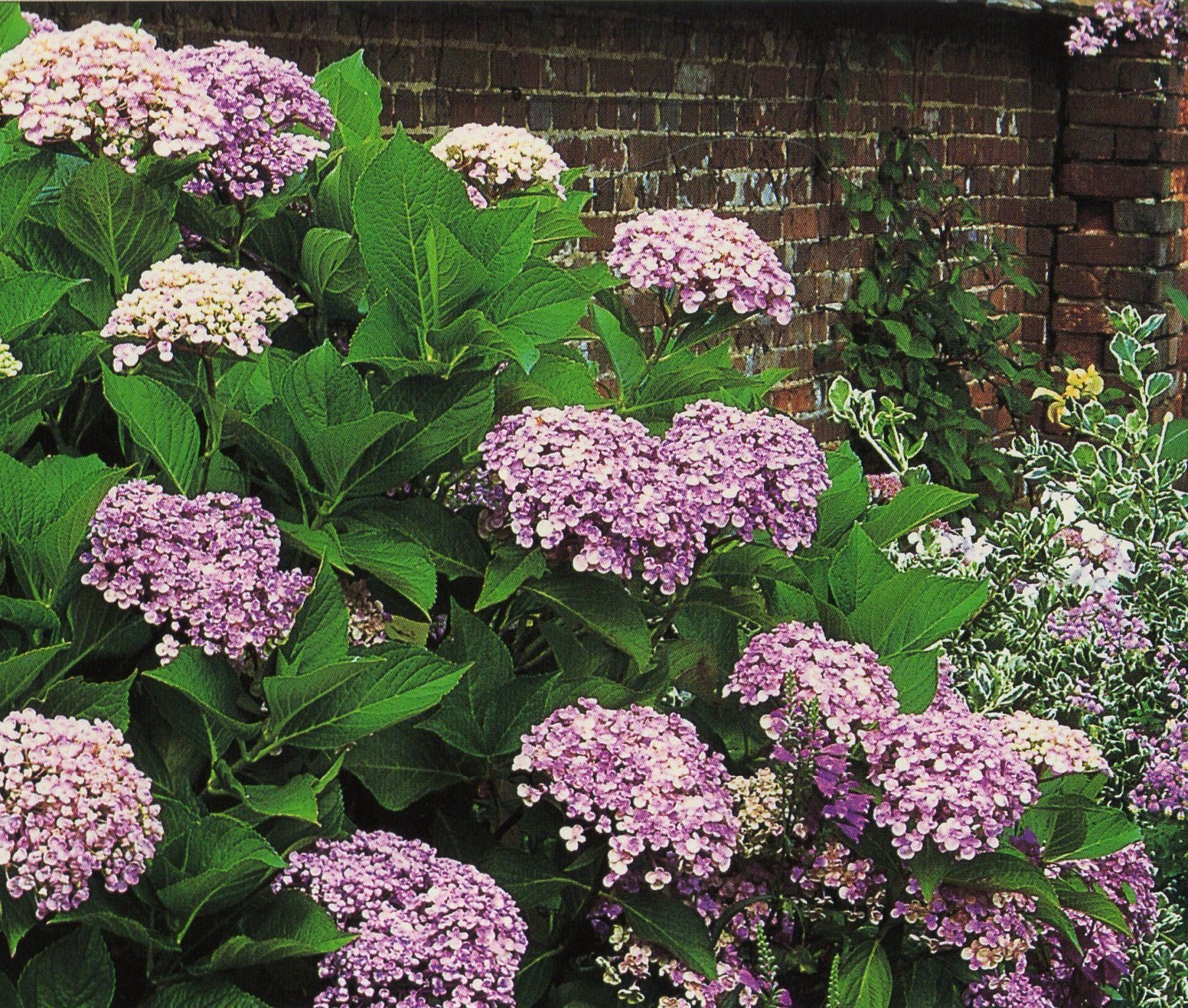
Hydrangea Macrophylla ‘David Ramsey’ is one of the remonant bloomers in the Hydrangea range that is similar to Endless Summer. ‘Blooms age green and red during the summer for an antique look. This one can rebloom in more climates if cut right after first bloom’.Hydrangeas Plus.com

Many perennials are regular rebloomers to the point where they are not worth calling remonant as it is our normal expectation. The exception I would make is the ‘Rose’ or to be more specific some old garden roses that flower either once a year or once in the spring and again in Autumn. By specific variety derived from parenthood some roses are remonant.

Garden Sky and Colour Effects

Garden Sky and Colour Effects

What colour is the sky? A strange question too a gardener perhaps but there are good gardening reasons for asking.

  • The standard answer from a young child would probably blue and that is what we want in summer as a sign of good weather. In winter it may indicate a spell of sharp frosty days. The sky takes on a deeper blue hue that saturates colours from mid morning to late afternoon.
  • Harsh mid day light produces high contrast between light and shadow. This depend on weather condition, because on a cloudy day the light is diffused.
  • An overcast sky is a result of no direct sunlight moisture in the atmosphere or air pollution that causes haze and the sky to appears to be pale blue or even milky white.
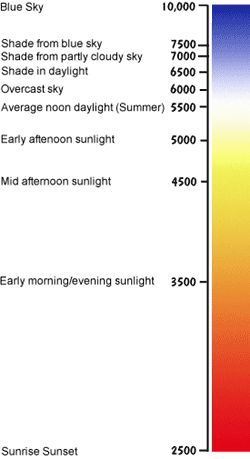
  • In the early morning or at sunset your sky can be red, orange, purple and/or yellow  but where I live, too often it seems  to be grey. These colour  arise from the absorption or not of various parts of the  spectrum. This also has a profound effect on how you see the colour of flowers.
  • Blue and white colours are called cool temperatures that tend to recede in a picture. The warm colours of yellow through to red come forward to the viewer.
  • Clouds are seldom if ever white, have a very close look and you will see lots of shades. Grey may predominate but the variety of shades will be multitudinous.
  • Colour temperature is measured in Kelvins

Other Sky and Plant Pictures

Read More Read More

Trust Woodland to Supply Timber

Trust Woodland to Supply Timber

What do Acute Oak Decline, The Red Squirrel Survival Trust and the silviculture reduction of oak rotation from 140 years to 100 years have in common? I can think of two or three answers around the work of the late Peter Goodwin.

Peter was from a family of cabinet makers and with Lewis Scott founded the Woodland Trust a charity focused on forestry and users of the different types of wood. The trust is a fount of knowledge about our native trees, tree planting advice and woodland based education.

Book Cover

Acute Oak Decline (AOD)

  • AOD is an aggressive disease which can result in high levels of tree mortality within 5 years of diagnosis.
  • Like chronic Oak decline, AOD affects pendunculate and sessile oak trees that are over 50 years old
  • AOD is caused by a pathogenic bacteria that attacks the trunk of the tree causing a dark, sticky fluid to ooze from cracks or lesions in the bark.
  • Trees may also suffer from canopy dieback, similar to that in chronic oak decline.
  • Chronic Oak Decline is a less vociferous disease caused in part by insect damage caused by the leaf roller moth caterpillars .
  • The Woodland Trust has sponsored research into the problems and potential treatment.

The Red Squirrel Survival Trust

  • The American grey squirrel is a destructive pest that has displaced many colonies of red squirrels.
  • By keeping reds and greys apart, red squirrels can be allowed to thrive protecting the biodiversity of Britain’s native woodlands.
  • Other activities of the trust include establishing new red colonies across the UK wherever feasible and funding research.

 Ancient and veteran trees

  • The British love ancient trees, the stories associated with them, cultural connections and historic uses of timber for dwellings ship building etc.
  • The number of ancient trees in the UK (127,595) is exceptional. Many look special and support rare fungi, plants and animals.
  • Visit the Woodland Trust’s  Ancient Tree Inventory to find ancient trees near you. ‘You’ll be able to record one that is missing or search the database for the largest or oldest trees in any part of the UK.’
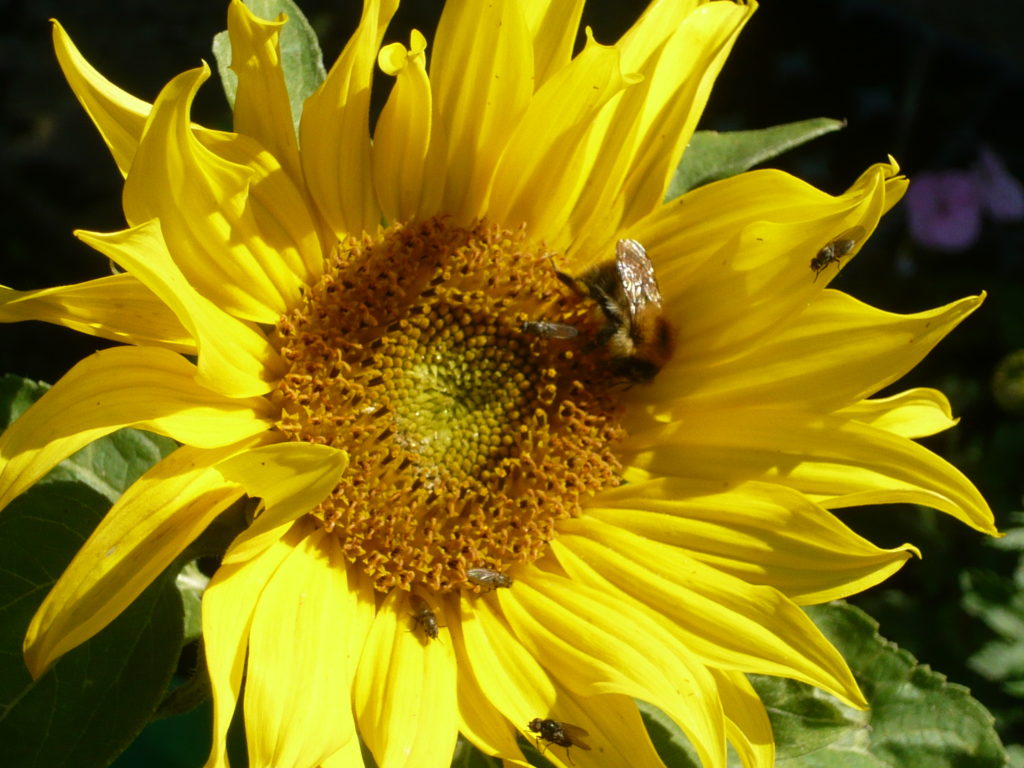
Sunflower Insects Van Gough Missed

Sunflower Insects Van Gough Missed

No flies on Van Gogh

Van Gogh walks in to a florists ‘Hi Van, can I get you a sunflower?’
‘No, thanks, I got one ear.’

Vincent’s fruit loving cousin, Man Gogh

“What does the letter “A” have in common with a sunflower?
They both have bees coming after them.”

Long White Radishes

Long White Radishes

Mild-flavored winter radish usually characterized by fast-growing leaves and a long, white fleshy roots

White Radish (Raphanus sativus) Facts

  • Seeds of the Daikon, Mooli, Japanese or Oriental Radish are  popular for their pure white roots.
  • Generally they have  a crisp mild flavour that won’t go pithy.
  • Fully winter hardy they are best grown for autumn and winter production.
  • Roots can remain in the ground in good condition over a long period.
  • They can be lifted and stored the same as other root crops.
  • They produce best in sun and moist, fertile soil.
  • Radish do not transplant well but you can try using plugs.


Suppliers

  • Long White Icicle is currently on offer from Suttons in support of Cancer Research.
  • 23 varieties of Asian Radish seeds from evergreenseeds.com
  • Or try our link to Thompson & Morgan top right


Mesclun Gardeners Salad from Seed

Mesclun Gardeners Salad from Seed

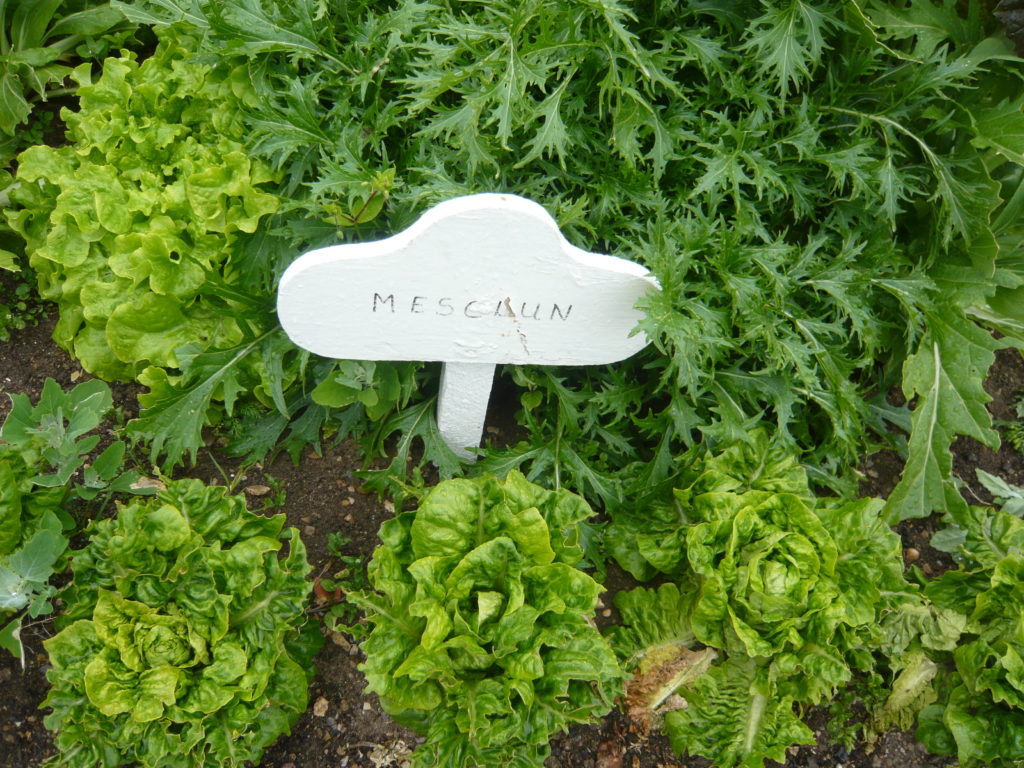
Mesclun is a name for a traditional melange of salad leaves. The name mesclun doesn’t feature in any of my gardening reference books before 1980 so old gardeners may not recognise the term.

Anything Goes Mixes

  • Traditionally the mixture was a blend of wild and cultivated chicory, as well as lamb’s lettuce and young dandelion leaves.
  • There are regional variations for mesclun, in Provence they use a blend of chervil, arugula, lettuce and endive.
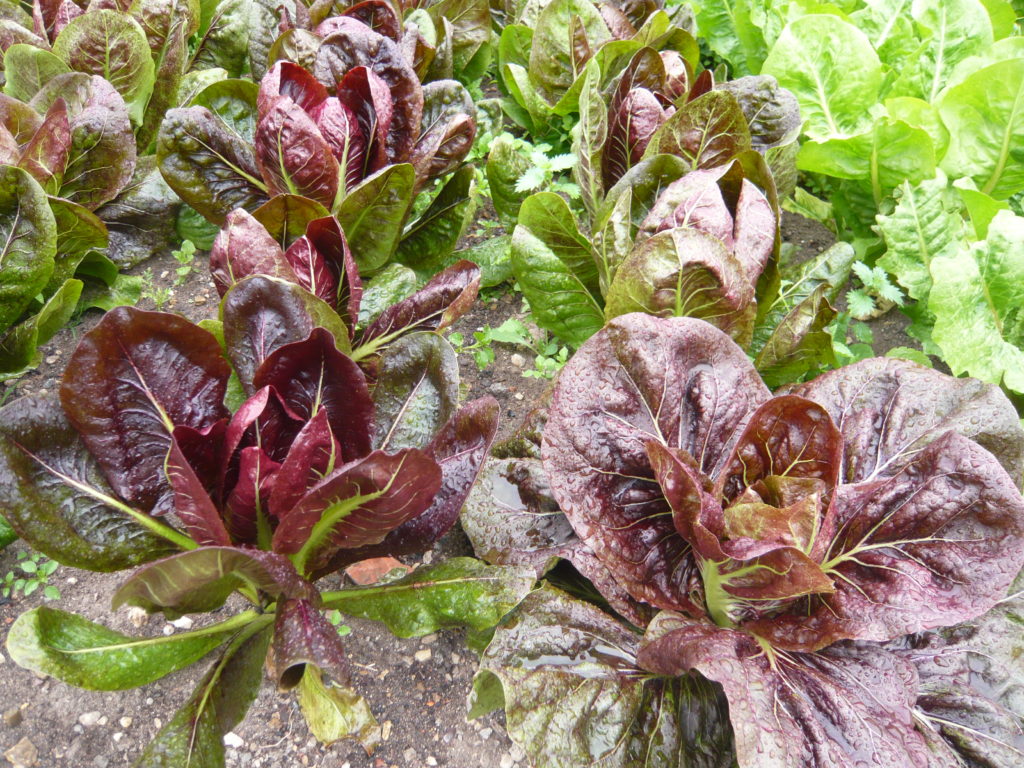
  • One particular  American special ‘Salad Leaf Mesclun Mix is lettuce based on a colourful mix of Red Batavia, Green Batavia, Little Gem, Tango, Red Salad Bowl and Cerbiatta varieties.
  • An Italian equivalent for mesclun is misticanza, Thompson & Morgan’s Misticanza D’Insalate contains: Lettuce Bionda a Foglia Liscia, Bionda a Foglia Riccia, Verde a Foglia Riccia, Meraviglia Delle 4 Stagioni and Biscia Rossa.. seeds
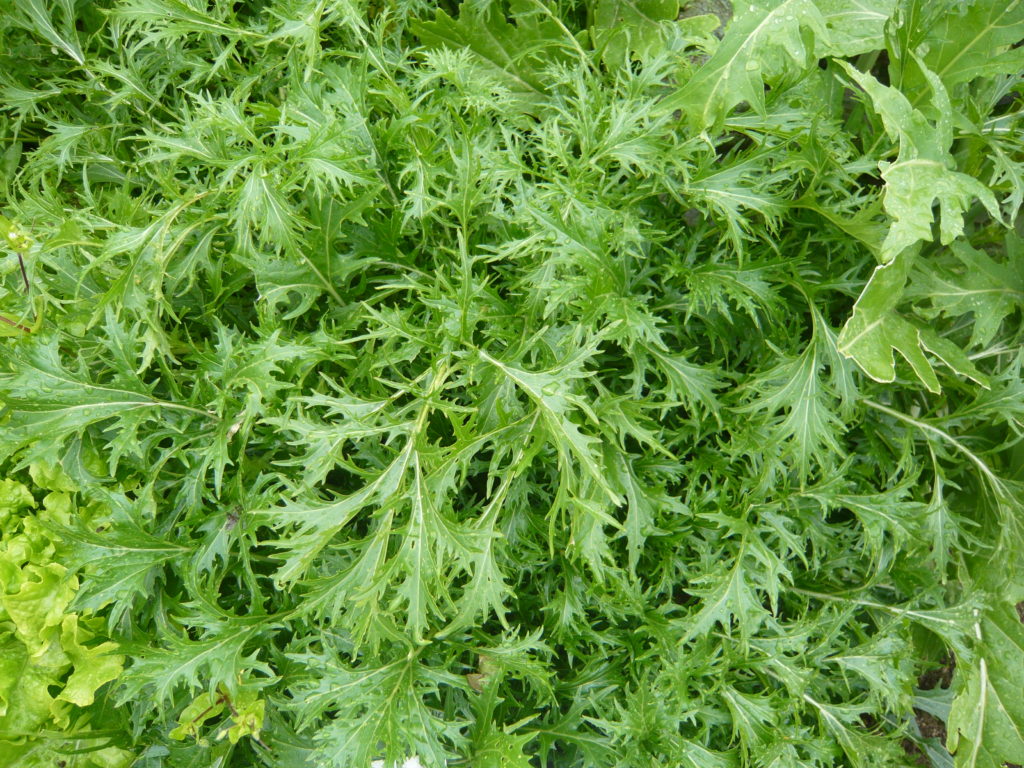
  • A speedy UK mix to be sown all year indoors contains Salad Rocket Victoria, Greek Cress, Mizuna, Mustard Green & Red Frills, Pak Choi Canton White.

How to Grow Mesclun

  • Seeds should be sown thinly outdoors in summer or in an unheated greenhouse during the autumn and winter months.
  • Sow little and often to get continuity
  • Germination is quick and you can start picking within as little as 28 days.
  • Thining out is not necessary or plant out quite close together as leaves are for eating young and fresh.
  • Leaves are tastiest at the baby stage start cutting when  2-3 inches high. Cut and come again in a few weeks.
  • If the weather turns hot many varieties tend to bolt.

Some mixtures include more exotic greens, especially those quite popular in Asian cuisine. One particularly flavorful variety is called mizuma, a delicate-leaved sort that is popular in Japan. Another is the Asian tat-soi, which has rather sweet dark green leaves.

Tomato Leaves On or Off?

Tomato Leaves On or Off?

It is a regular debate whether you should leave your tomato leaves on the plant or snap them off. For intermediate varieties I am strongly in the ‘get them off camp!’

Starting to remove lower leaves 5th June 2017

Why Remove Lower Leaves

  • It removes one variable in the attempt to maximise crop yield. You are growing tomatoes not leaves!
  • It helps allow the air to circulate and get an air-flow round the plant that reduces the chances of blight and disease.
  • The sun can get to ripen the trusses of tomatoes.
  • To combat diseases caused by splashes up from the soil.
  • To open  up your access to the roots for watering, feeding and checking for pests.
  • To preserve NPK nutrients that would otherwise go into leaves. We are encouraged to pinch out the side shoots so amputating lower leaves is not much different.
  • Upper leaves start to create shade  and with less available light the lower leaves reach a point where they draw more sugars from the plant.
  • As plants grow taller the lower levels of the greenhouse become more humid increasing the possibility of disease such as early blight and anthracnose.
  • By removing the bottom leaves the greenhouse  floor is cleaner and reduces any spread from soil to a plant from splashing water.
  • Many commercial growers remove leaves.

Methods

  • Remove from the bottom always leaving 12 main leaves. Some advocate one leaf per cluster and nearer 20 leaves are common in commercial production.
  •  Let the plant retain the upper leaves or if you are worried try leaving 1 in 3 on the plant. Snap off the lower leaves in preference to cutting.
  • Trim unruly, yellow or damaged leaves. I also take off the harder darker leaves that have lost their vibrancy.
  • Remove leaves that seem to be getting out of control.

The start of the Leaf Jungle

Other Comments

  • There is the other school of thought that all leaves are helping photosynthesis. But do you need so much leaf for your intended crop.
  • As leaves die they return most unused sugars back to the plant.
  •  Direct sunlight on fruit can cause yellow or green shoulders and cracking Shading can improve fruit yields.