Help Plants Through a Wet Winter
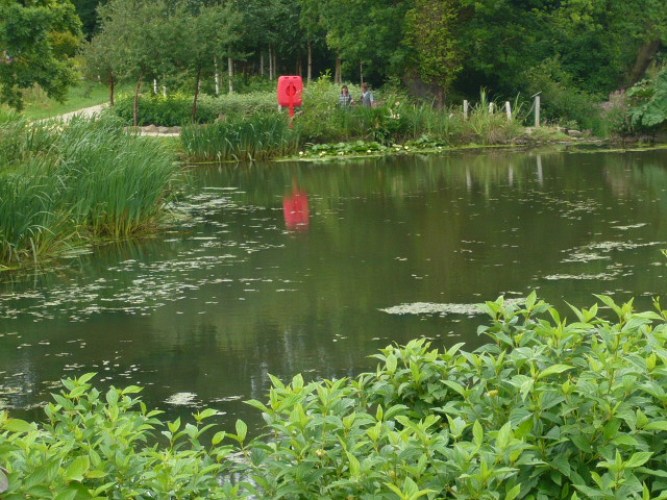
Plants can drown when roots are left in wet soil for protracted periods. Short immersion whilst dormant is seldom fatal but saturated soil drives away the oxygen needed by plants to help them transpire.
Also in winter some plants are prone to root rot Phytophthora or rot off at soil level.
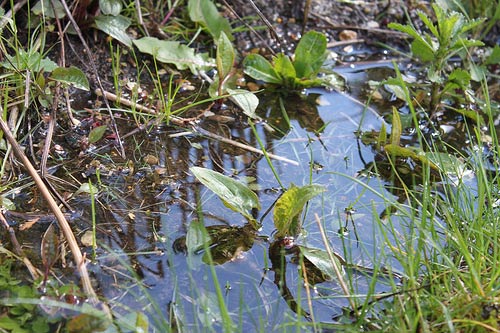
Not Waving but Drowning
Selecting Appropriate Plants for Wet Winters
- Avoid silver leaved or grey perennials.
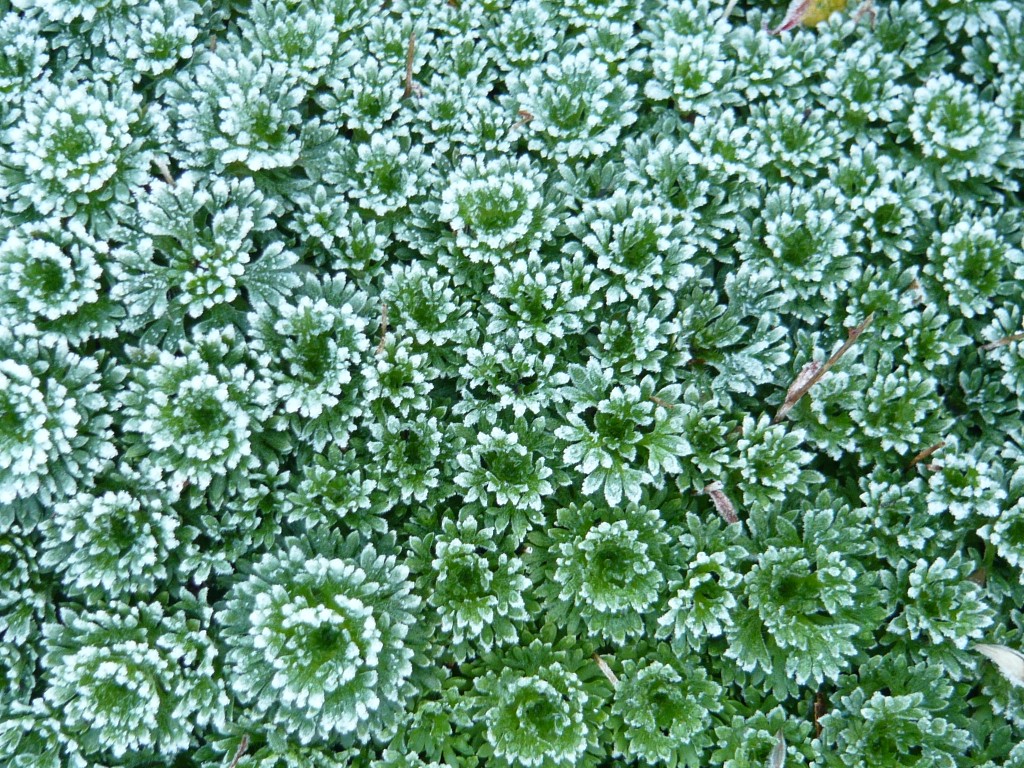
- Mediterranean hot arid loving plants and many alpines do not like our cold, wet winters.
- Pot plants that suffer quite easily and can die include Orchids, African Violets and other fleshy rooted plants.
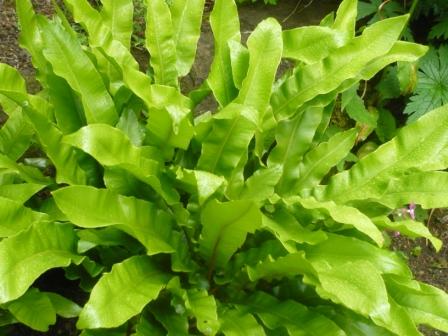
- Bog lovers, Hydrangeas, Cornus, Dogwoods and Hosta are just some of the plants that may thrive through a wet winter.
Improving Survival Chances
- Wet soil is created by compaction or because of a high water table and poor drainage.
- Incorporating grit or pea gravel as a surface mulch will help keep the base of the plant drier.
- Plant on top of a slight mound
- Improve drainage by spiking, trenches and with soak-aways or land drains.
- Avoid compacting the soil by walking on the ground when it is wet.
- Work your soil and dig in organic matter during the other seasons.
- Spring flooding is especially dangerous when plants and roots start to respire. Divert excess water and be prepared
Pot Grown Plants
- Lift pots off the ground with pot feet or onto bricks.
- Lay pots on their side to avoid excessive rain settling on the center of the plants.
- Improve drainage by incorporating perlite and coarse grit in the compost.
- Move pots under cover or into a rain shadow.
- Put a slanted pane of glass or cloches over special plants. Allow air to circulate.