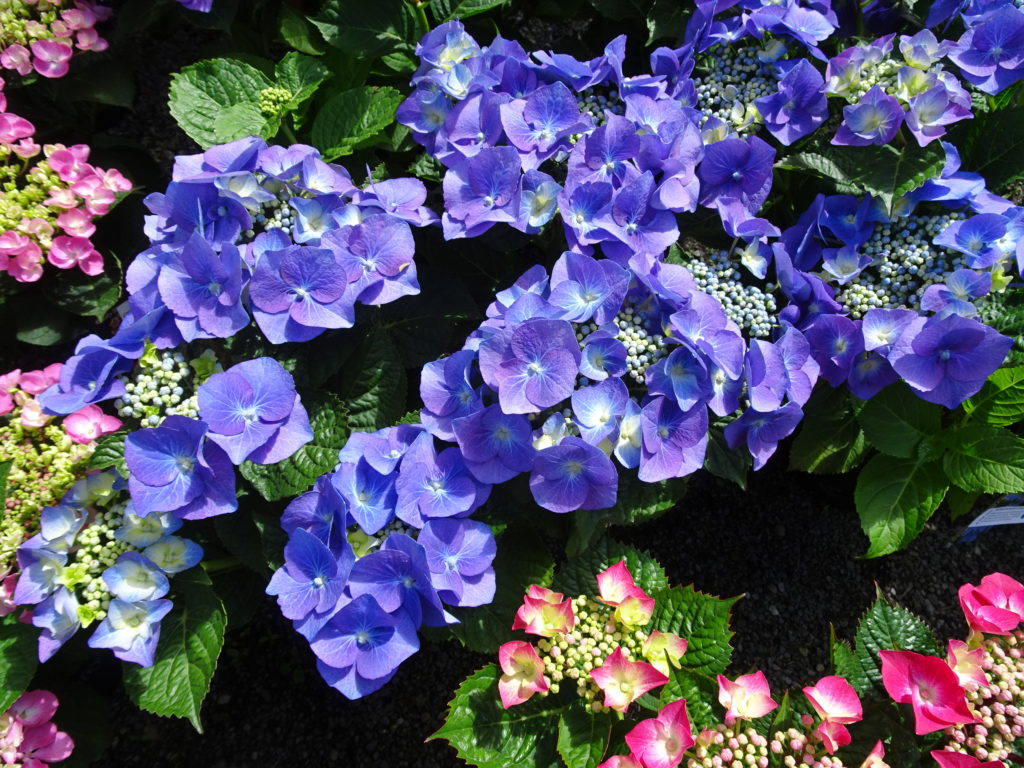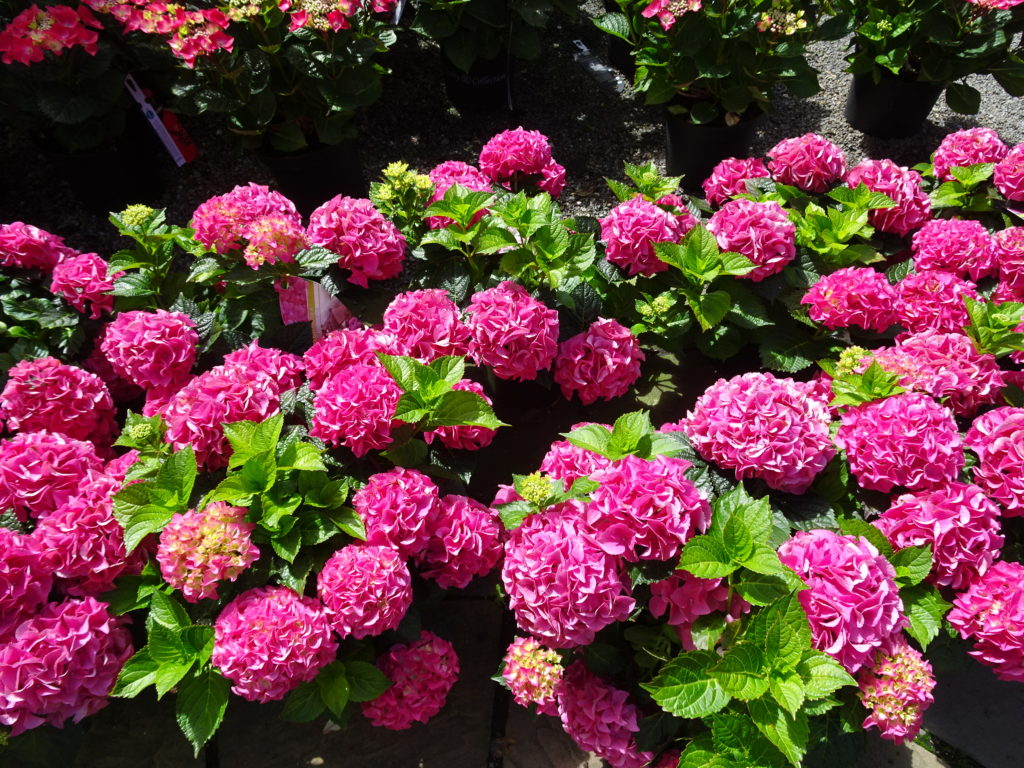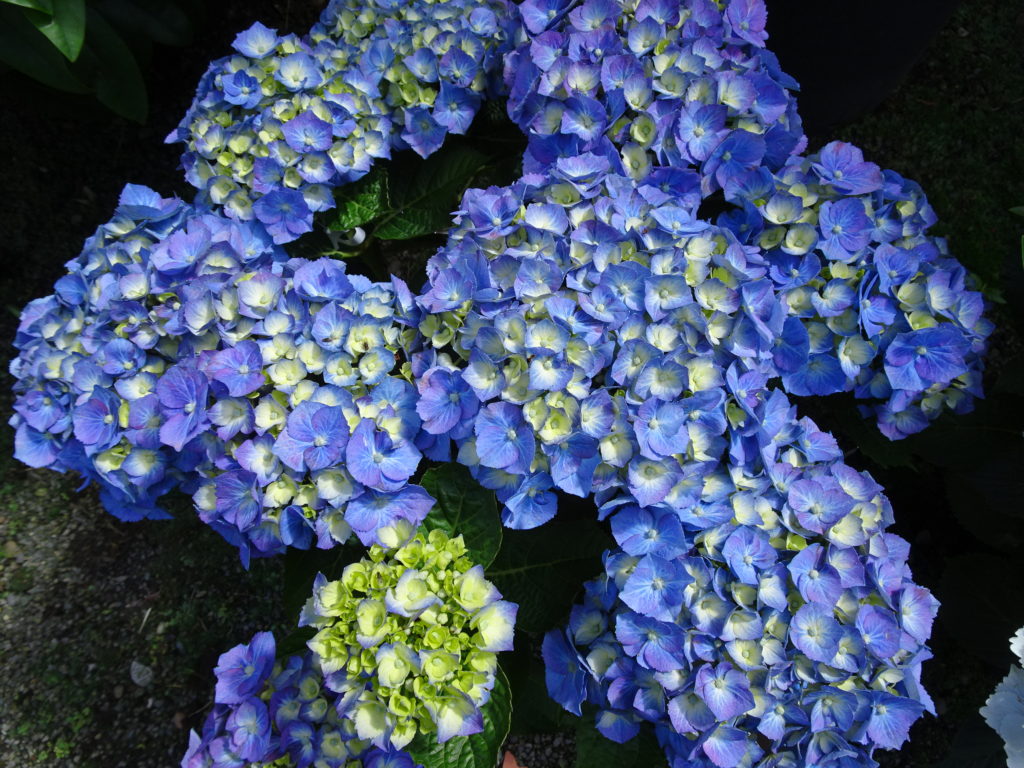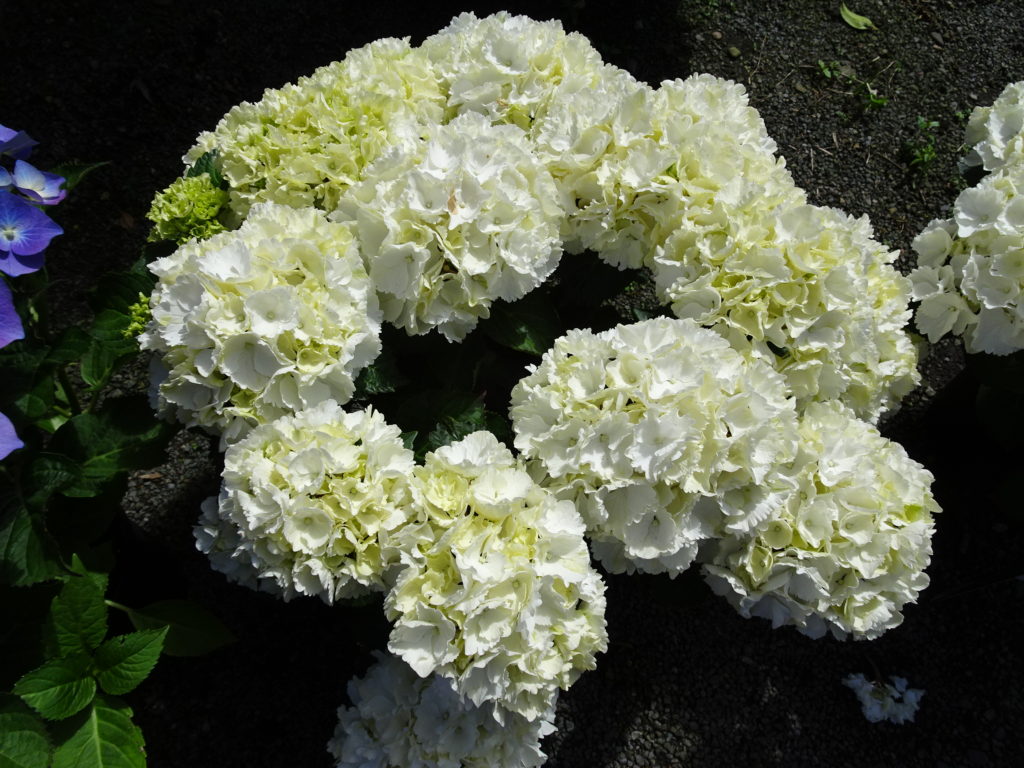
Hydrangea Red White and Blue Photographs


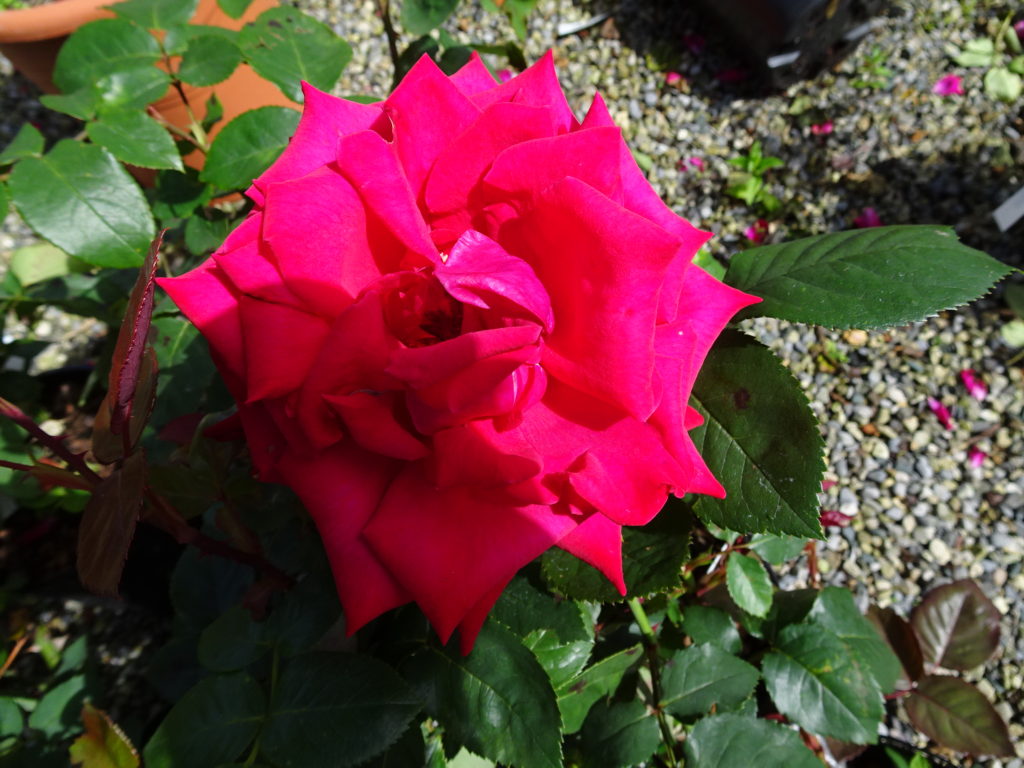
I am miffed that the Royal National Rose Society has gone into administration (May 2017). Originally formed in 1876 it owns land in St Albans but finds annual running costs onerous. As small compensation here are details about a couple of charitable red roses.


At least the two beneficiaries The Prince’s Trust and the National Trust are still operating as charities even if our Royal National Rose Society is becoming defunct.
These notes are designed as advice to a daughter who has just moved into a 1920’s house with a long, narrow back garden and a postage stamp sized front grass patch.

This is Gardeners Tips 2,000 extant post since April 2008. I have lost count how many photographs and images have been included but here are just a few repeats.


In addition to our own images we would like to thank creative commons and other organisations that helped with contributions as we were starting out.
Around 100 books have been recommended to highlight a subject such as The Garden Photography Workshop by Andrea Jones below.
We would also like to thank the million plus visitors to our website and hope the tips and humour demonstrate how gardening can have a lighter side.


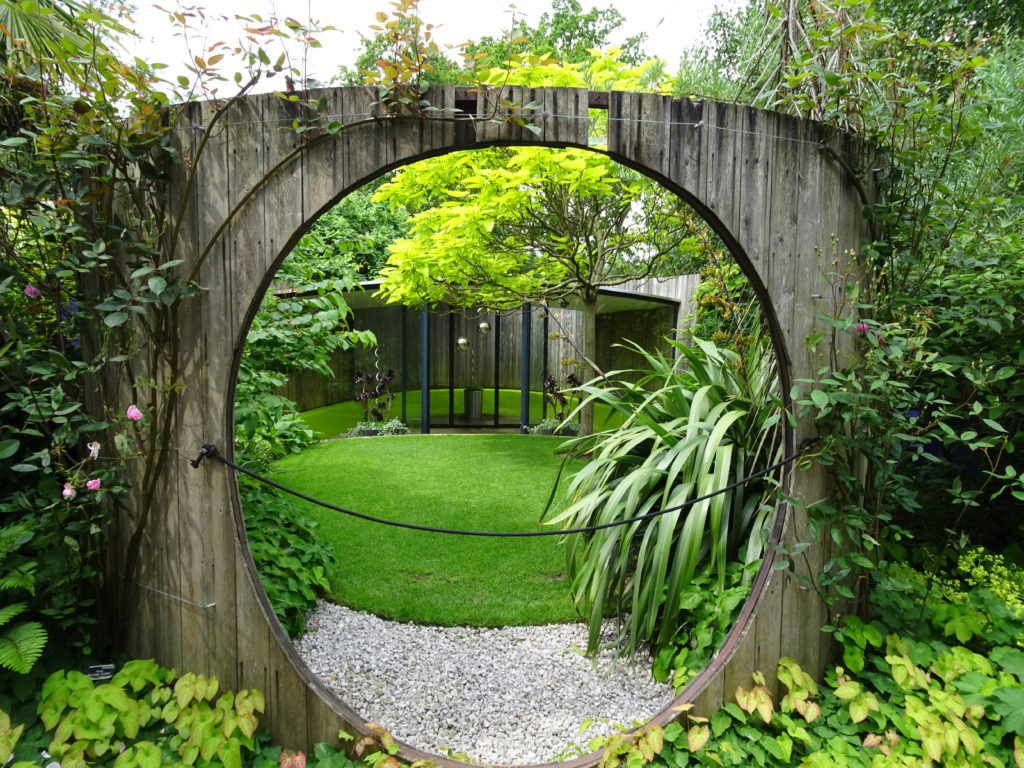
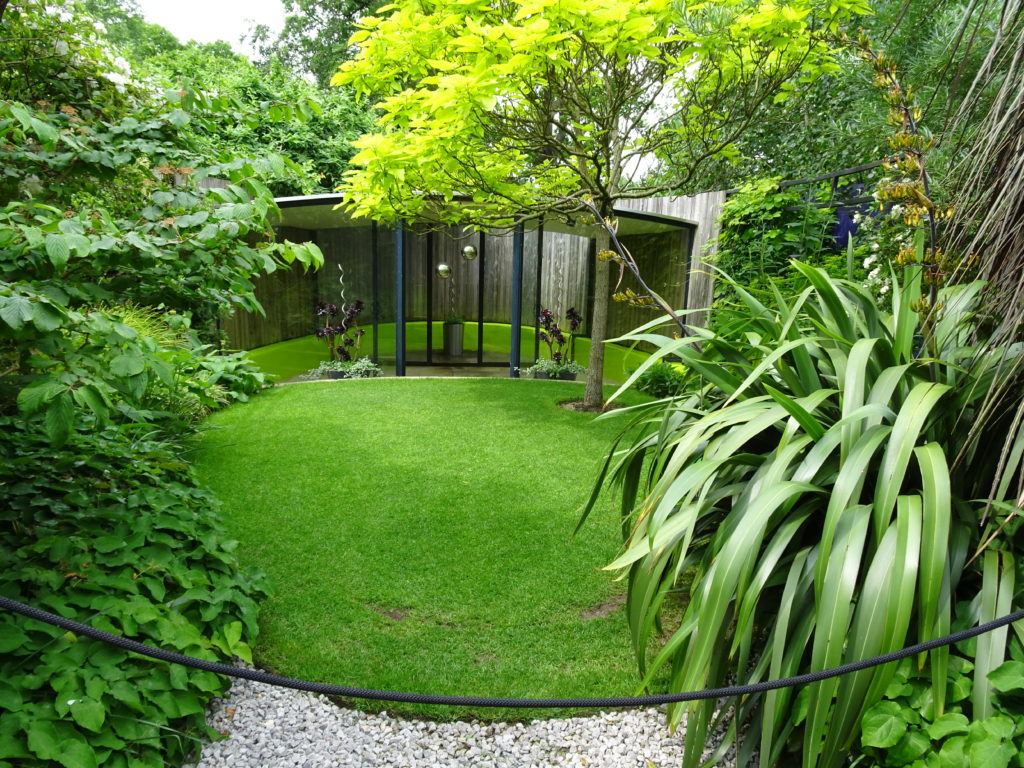
Diarmuid Gavin Garden Recreated
I declare an interest as I have a love hate relationship with the Royal Horticultural Society. As a national institution and registered charity I would prefer if it were more inclusive and less overtly commercial. Since rejoining after a few years break I expected to start this note on the negatives but based on the last few months that would be wrong so I leave them and my personal views to the last paragraph.


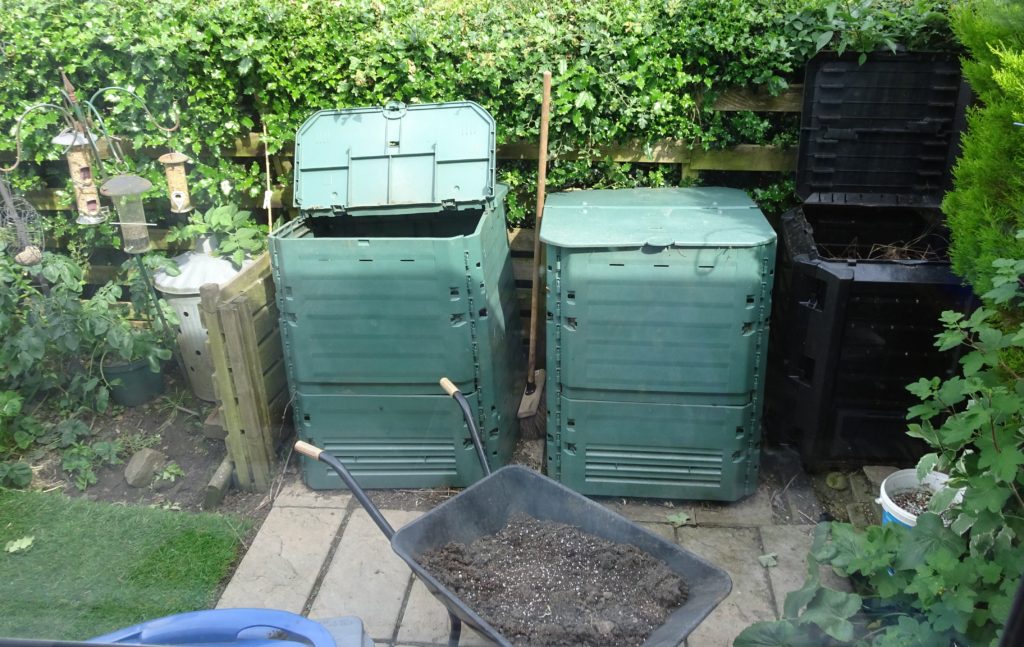
This is a view of a corner in my Yorkshire garden that shows some recycling activity. I have tried various compost bin methods over the years. Initially I started with an open pile which was untidy and slow. At about this time I acquired a shredder which chopped up brown twiggy waste but only squelched leaves.
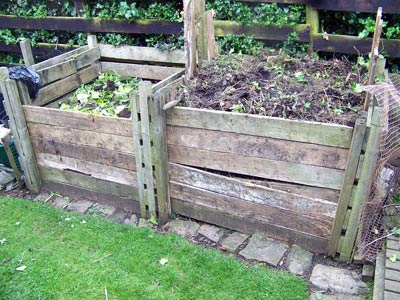
I graduated to a wooden frame compost bin structure the remnants of which are showing next to the dustbin. This was fine particularly when I used ‘garrotta’ as a speed enhancer but as the volume of compostables grew the space needs also grew. (The more compost I had the more the plants grew and thus the more compost I got until Les Barker made a song out of it).


Green fingers held this wet carnation still for a photograph of the captivating colour scheme. I have loved carnations for over 60 years but never really got on top of growing or breeding for showing.

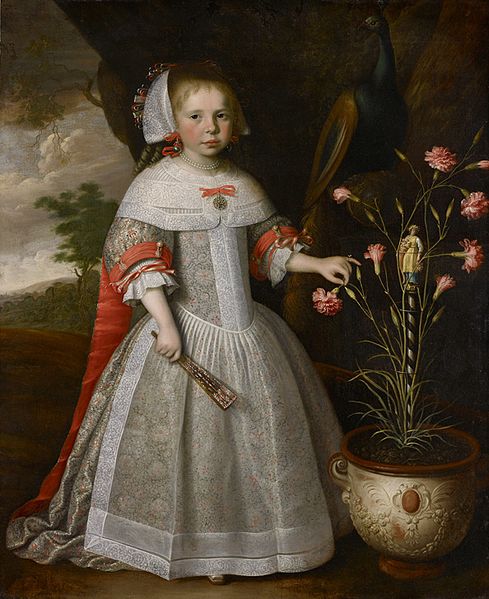
Jan Albertsz Rotius – A Four-year-old Girl with a Pot of Carnations – 1663
The British National Carnation Society  growing the flowers of the three main types of Dianthus – Pinks, Border Carnations and Perpetual-flowering Carnations.
Plants can drown when roots are left in wet soil for protracted periods. Short immersion whilst dormant is seldom fatal but saturated soil drives away the oxygen needed by plants to help them transpire.
Also in winter some plants are prone to root rot Phytophthora or rot off at soil level.

Not Waving but Drowning