Browsed by
Author: hortoris

Rhododendron Birds

Rhododendron Birds

Widgeon

Rhododendron Widgeon was been beaten to a great post by Jo Hanslip on insane journal

‘The Glendoick Bird Hybrids

The Bird series of dwarf rhododendrons were developed at Glendoick Gardens, in Scotland, and are classified as Dwarf Lepidote Hybrids.

The great plant hunters Ludlow and Sherriff returned to Britain in the 1950s. George Sherriff and his wife started a garden only 50km away from Glendoick and they became great friends of the Coxes. On an early visit to their home, Ascreavie, Peter Cox spotted a dwarf yellow-flowered rhododendron species with enormous bowl-shaped flowers for the size of the plant which turned out to be … Rhododendron ludlowii.

The Sherriffs allowed Peter to take some pollen home, which he applied to R. chryseum …  In due course, the hybrid R. ‘Chikor’ was selected and named from this cross and … given an Award of Merit by the Royal Horticultural Society.

A chikor is a game bird and this started the theme of naming all dwarf lepidote hybrids after birds, another prime interest of Peter’s. From then on, several dwarf crosses were made every year with Kenneth Cox starting to make his own crosses in the early 1980s. There are now 30 Glendoick birds which are popular with gardeners and rhododendron collectors in many parts of the world.

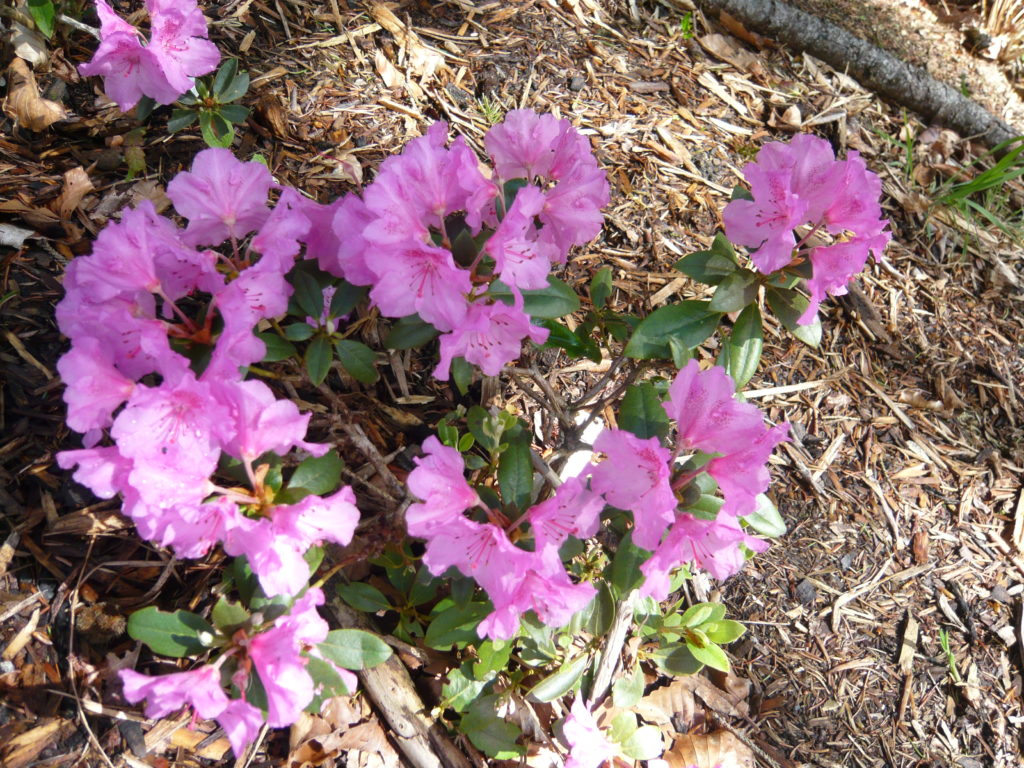
BRAMBLING 90cm. New Glendoick hybrid with brightest pink flowers in multiple clusters in April. Fine dark foliage.
CHIFF CHAFF 60cm. Masses of creamy yellow flowers in early May. A neat bush with handsome dark foliage. One of the original bird hybrids, raised in the 1960s.
CHIKOR 30cm. Bright yellow flowers in May. The first Glendoick Bird hybrid. Compact twiggy growth. Needs cool roots & good drainage.
CRANE 75cm. Creamy-white flowers in April. Hardy, very free-flowering and easy to please. One of the best white dwarf hybrids.

Read More Read More

Persicaria Knotweeds

Persicaria Knotweeds

When is a weed not a weed? Well not very often if it is growing in the wrong place. If you have planted Persicaria then that is Knot a weed it is a notweed or not depending on your spelling.

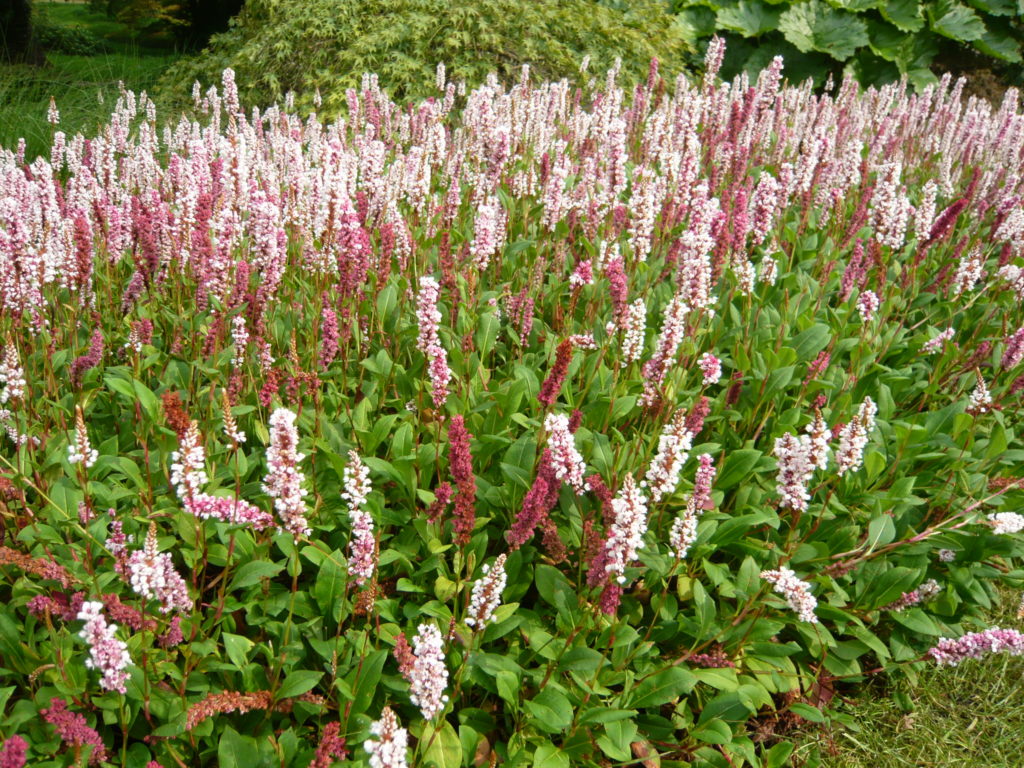
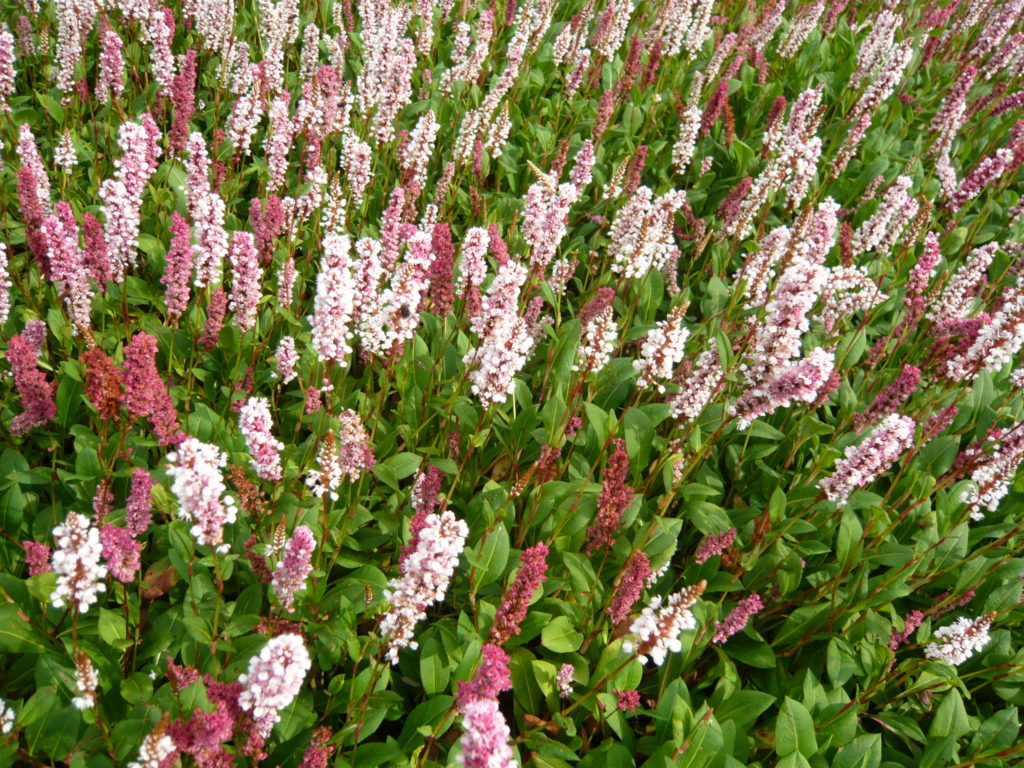
Persicaria affinis aka Polygonum affine Common Name: ‘Knotweed’ flower from late summer until the frosts with spires of red, pink or white flowers held aloft as with these massed plants by the lake at Grewlthorpe.

There are over 150 species of Knotweed which get their common name from the swollen nodes on the stems.

Soil Conditioners and Conditioning

Soil Conditioners and Conditioning

Garden Chemicals

What is Garden Lime

  • I have just given a dose of lime to the areas in my veg plot that have been cleared for winter. I like to give a bit of extra magnesium to some soft fruit trees as well.
  • Often supplied as a powder of crushed limestone but also available as concentrated crystals.
  • Garden lime helps to maintain soil condition.
  • Calcium is consumed by vegetables and an extra supply is welcomed to replace calcium that has leached out of the soil by rain.
  • Lime reduces soil acidity.
  • Lime help break down heavy clay soils.

Garden Chemicals

During the summer I have occasionally fed my tomatoes with liquid seaweed fertiliser and we have had a great crop but I think most other growers had a good tomato season.

 What is Calcified Seaweed

    • Calcified seaweed is dried seaweed and lime or other calcium based salts
    • Calcified seaweed is an organic substance without any nasty chemicals. There is concern that it is no longer approved by the Soil Association for use in organic growing, due to concerns that the harvesting of this material is not sustainable and has adverse effects on the marine environment.
    • Seaweed is rich in minerals, encourages beneficial soil bacteria, helps improve heavy soil structure and neutralises acid soils.

Uses of Calcified Seaweed

    • As a soil improve and clay breaker it breaks up the heaviest clay without damaging soil pH.
    • As a compost accelerator it speeds up the breakdown of organic garden waste.
    • Seaweed adds trace elements and minerals to the soil.
    • Calcified seaweed neutralises acid soil
    • Adding seaweed is beneficial to bacteria and is used in lawn treatment.

Maxicrop Organic Cal-Sea-Feed Calcified Seaweed 6kg tub from Amazon

Food Plants for Birds

Food Plants for Birds

Selecting plants that produce seeds and berries at different times of the year can provide food of birds through the seasons.

Berries

Ivy fruits in November and can last for 6 months so it is a winter staple. The early fruiting plants include Wild Cherry & Raspberries with Hawthorn, Blackthorn, Holly, Elder, Yew, Rowan and Guelder-Rose providing berries from August.

I have a large Berberis Darwinii whose plentiful berries are devoured by Blackbirds every year. They also like sloes, rosehips and haws. The Mahonia looses its berries to some birds but I can’t see who eats them from my window and it is often too cold to sit watching.

Soft fruit and crab apples seem to appeal to a range of birds as my strawberries get pecked over as do most similar varieties if left unnetted. Cottoneaster is pecked over but Pyracatha seems to last on the shrub until spring.

Gooseberries sometimes succumb to pigeons at the flowering stage and I put this just down to badness of the pesky overfed birds.

Seeds

In the garden the most popular seeds seem to be the expensive shop bought variety put out in even more expensive feeders.

Growing the right plants can provide the seeds and nuts birds crave. Teasel and thistles would be high on any avian menu. Beech, Hazel and Silver Birch or Hornbeam would be a main course. Centaurea, Sunflower and Scabious would suit Chaffinches while Coal Tits and Siskins like conifer seed.

All that food for thought but I still put out peanuts (crushed in spring), dried meal worms for the Robin and Niger seed hoping to get Greenfinches. In winter and early spring it is fat balls that I hope to tempt the taste buds with.

Edible Hedges You Can Grow & Pick

Edible Hedges You Can Grow & Pick

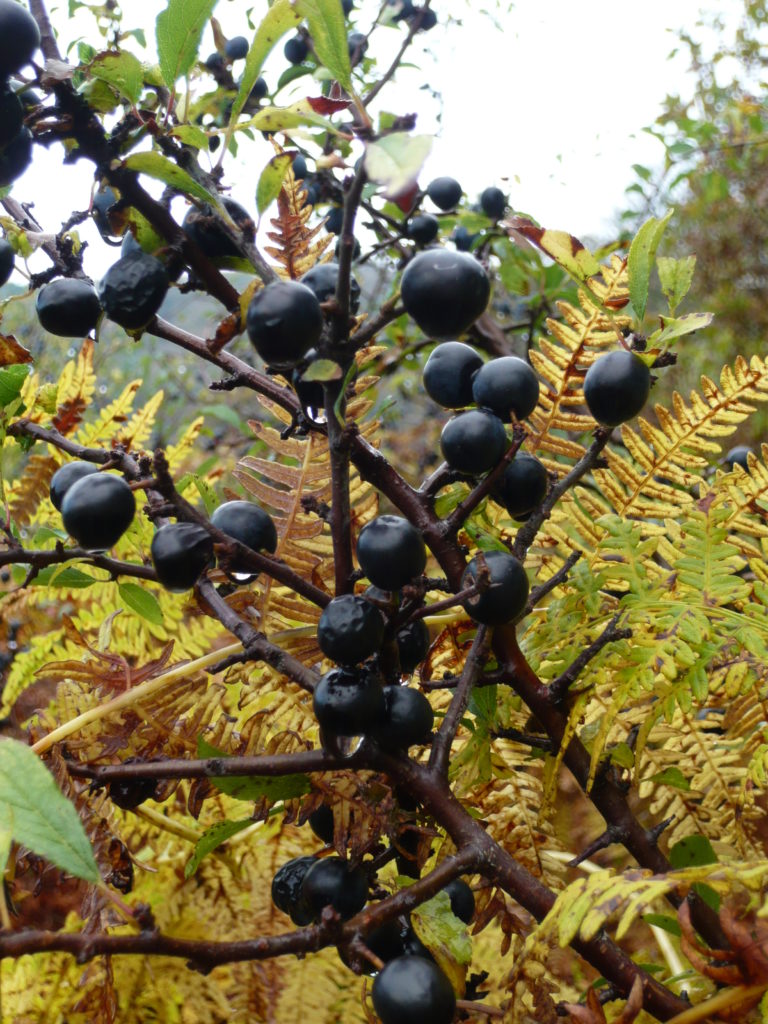
Sloes and damsons are in good supply this September in your local hedgerows. I have relied on my own blackberries this year but from the train window yesterday there were masses of plump black fruit for picking.

Forage amongst the book shelves to get a cornucopia of edible wild plant ideas.

Book Cover
You can plant your own edible hedge now until late March which will give you a supply of edible fruit and berries for years to come. Bare rooted plants are very reasonably priced.

Easy Step by Step Hedge

Clear the ground to remove weeds and old roots by digging or using Glyphosphate based weedkiller. Leave for a few weeks.
Pick a frost free day and when ready to plant put bundles of bare rooted plants into a bucket of water to give them a drink.
Mark out the line of the hedgerow bearing in mind you will want two staggered rows of plants. You can put down mulch matting and plant through it if you wish.
You will need 4-5 plants per square yard.

Read More Read More

Support Tips for Gardener’s Plants

Support Tips for Gardener’s Plants

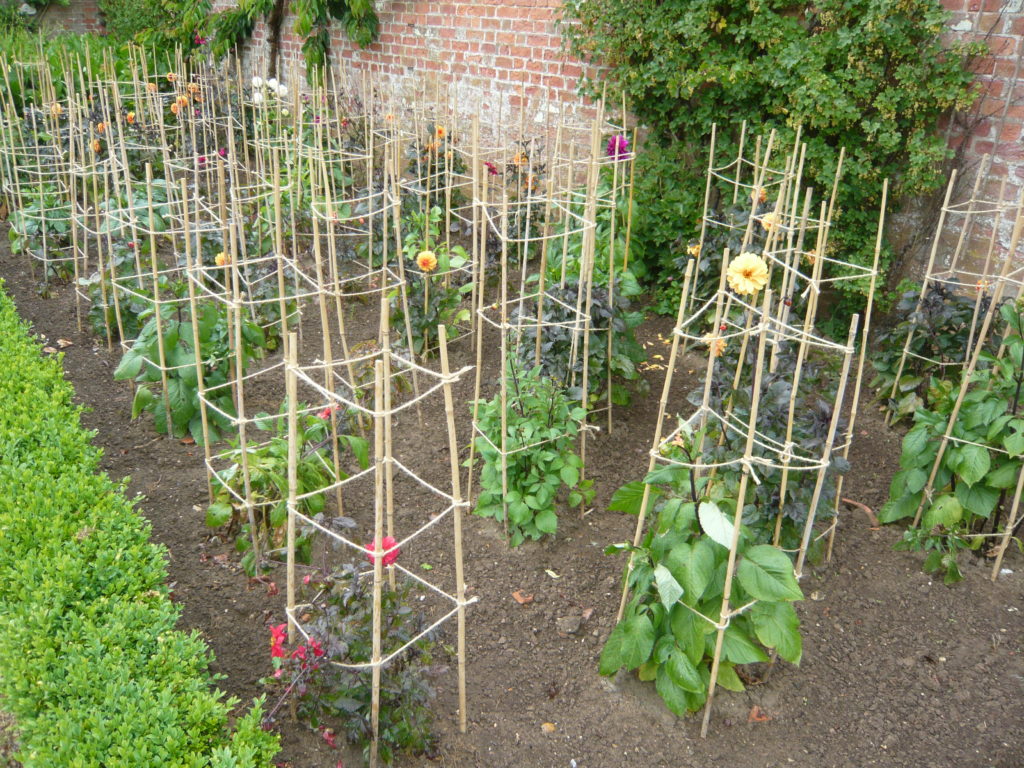
Great big flowering Dahlias need some good support early in the season. A walled garden helps but these 4 by 4 canes with string every 12″-18″ add that bit extra. When the plants leaf-up and start to flower they will be heavy and liable to damage without support.

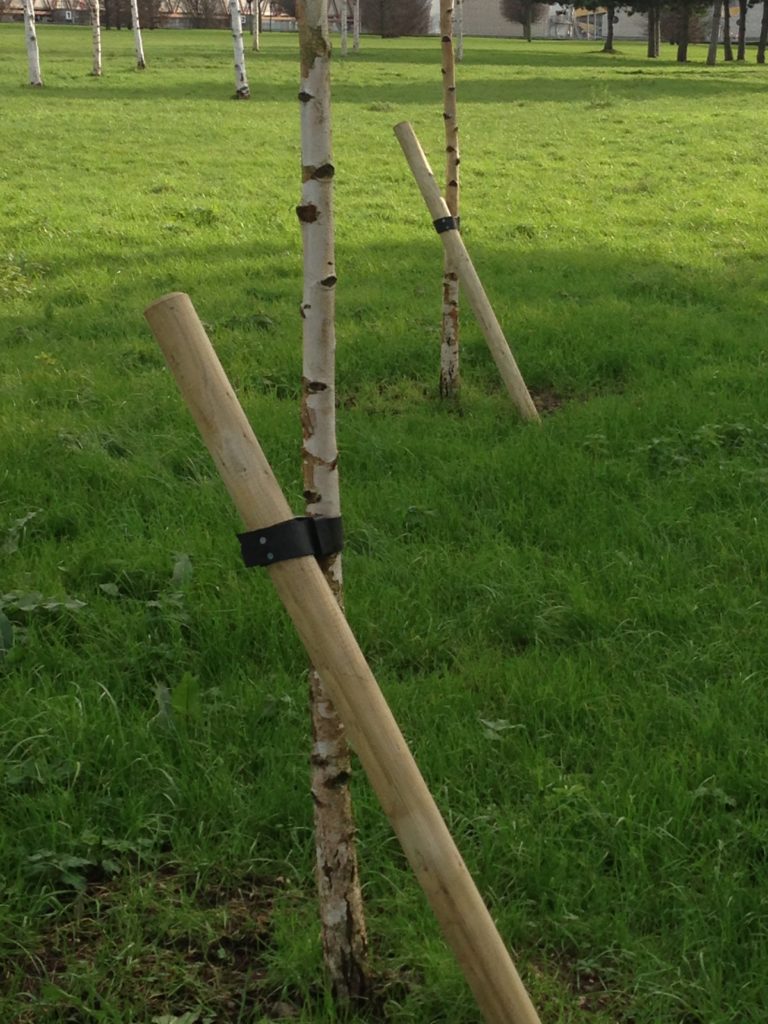
Young trees sometimes called ‘whips’ need support and the ability to flex in the wind. These angled posts are ideal with a support about one third the way up the young stem. After 3 years they should become self supporting. The angle keeps the support away from the roots.

Read More Read More

Contorted Stems for Ikebana Flower Arranging

Contorted Stems for Ikebana Flower Arranging

Winter Interest

Growing Corkscrew Hazel for Flower Arrangements

  • Corylus avellana Contorta is also known as Harry Lauders Walking Sticks or Corkscrew Hazel
  • It is a slow growing deciduous shrub that can grow to 20′ wide and 25′ high when mature.
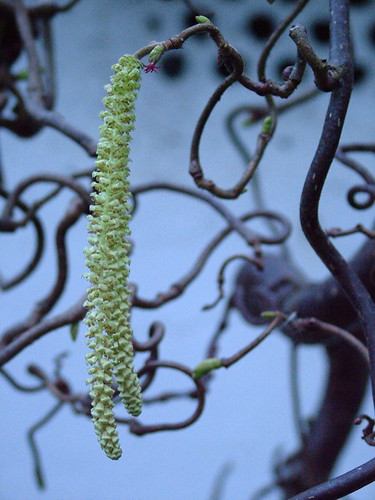
  • Corkscrew Hazel looks best in winter and from February-March there are pendant male catkins on the bare branches.
  • Propagation is best done by layering branches.
  • When in leaf the mid green leaves give an ugly deformed appearance.

Special Tips for Flower Arranging with Corkscrew Hazel

  • Use the twisted stems and bare twigs in winter arranging.
  • Twigs in bridal bouquets can add movement and interest.
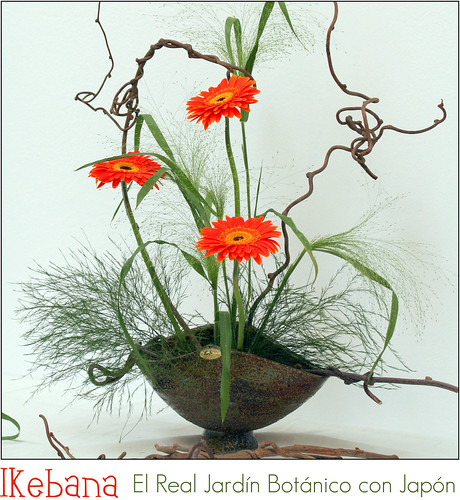
  • Corkscrew Hazel are popular as a base for Ikebana
  • Catkins will gradually lengthen and become more yellow when kept in water for several weeks.
  • Twigs can be dried and used year after year. They can also be painted for Christmas.

Spring

A full array of books on Flower Arranging and related subjects is available from Amazon. You will find more advice and artistic inspiration amongst this selection.

Special Tips for Flower Arranging with Contorted Willow

  • I have included Contorted Willow with Corkscrew Hazel as the issues, effects, tips and methods are quite similar.
  • Twigs and stems can be dried and used several times or be sprinkled with glitter for Christmas.
  • The cut twigs will last several weeks and eventually the willow leaves will open on the stem.
  • Contorted Willow is available under several names including Salix matsudana Tortuosa (Salix babylonica tortuosa), Salix x erythroflexuosa or common names Dragons Claw and Tortured Willow.
  • Salix the Willow family are more vigourous than the Corylus Hazels

Contorted Willow
Credits
Ikebana by M. Martin Vicente CC BY-NC-ND 2.0
Corylus avellana ‘Contorta’ by Stadtkatze CC BY-NC-SA 2.0
Spring by David Davies CC BY-SA 2.0
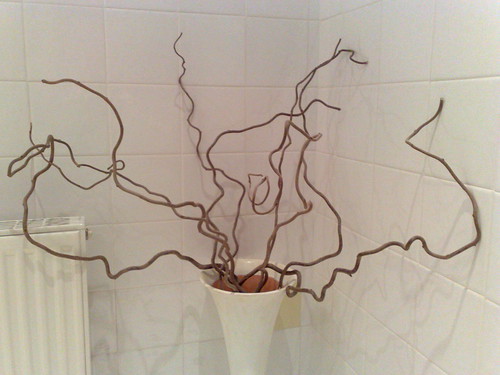
Contorted Willow by touring_fishman CC BY-NC-SA 2.0

To grow a generic mix of flowers for arrangements and bouquets check out Thompson & Morgan

Book Cover
Ikebana: The Art of Arranging Flowers by Shozo Sato and Kasen Yoshimura

Corkscrew Hazel and Contorted Willow are plants that both produce twigs that add movement and style when flower arranging. Mix with just one type of flower as less is generally more with Hazels and Willows.
Turn your arrangements into botanical works of art – here are some examples and clubs you could join.
Ikebana
Corylus avellana Contorta the Corkscrew Hazel aka Harry Lauder’s Walking Sick first discovered in 1863. Slow growing eventually reaching 20′ high and wide unless pruned for flower arrangements. Autumn cob nuts produced. Hazel catkins in spring. Cut twigs last well in water


  • willow leaves will lengthen. Catkins will open and yellow pollen will show
  • twigs can be dried by hanging upside down then used year after year.
  • twigs can be painted
  • use for christmas decorations, bridal bouquets
  • mix with flowers cut at different heights
  • Contorted Willow   Salix matsudana tortuosa aka S. babylonia var pekinensis, Dragons Claw, Tortured or Corkscrew Willow fast growing hardy deciduous tree
  • Salix x eryroflexuosa branches of rich chestnut colour and a ocher -yellow trunk – also hardy
Bindweed Wild Flower Varieties

Bindweed Wild Flower Varieties

The bindweed family comprises of several varieties seen as wild flowers in the UK together with some other species including convolvulus and polygonum. They can be a nuisance in the garden with brittle roots that make them hard to eliminate.

BEST LEFT IN THE WILD!

Field bindweed (Convolvulus arvensis)

Wild Bindweeds

Calystegia soldanella – Sea bindweed pink flowers with white stripe may-Aug

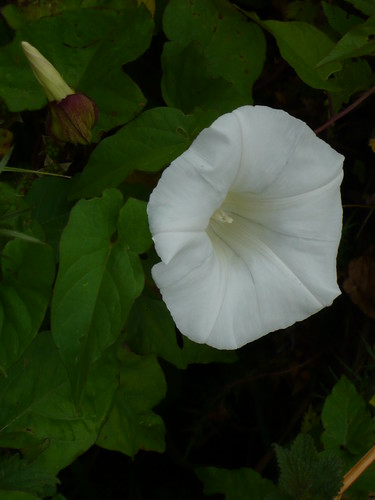
Calystegia sepium  – Hedge bindweed  or  Bellbine, Rutland Beauty, Hedge False Bindweed, Wild Morning Glory with white funnel shaped flowers June-Sept

Calystegia silvatica – Large bindweed with white or pink striped flowers

Black bindweed is part of the dock family Polygonum convolvulus few flowers in pale green

 Convolvulus arvensis – Field bindweed

Calendula Calendar

Calendula Calendar

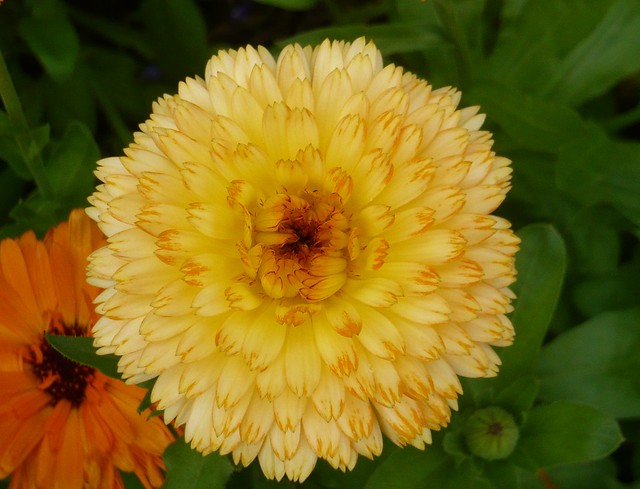
Menston Calendula

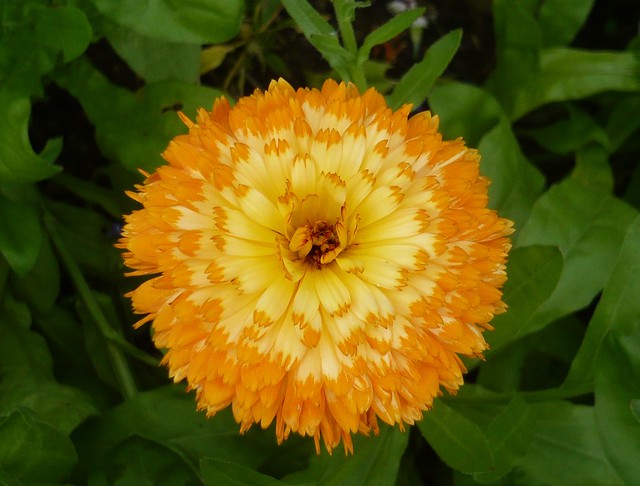
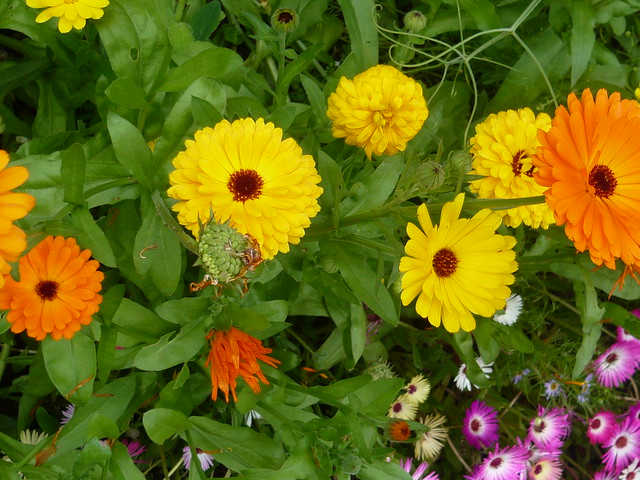
Orange or Yellow are the signature colours of Pot Marigolds more correctly named Calendula officinalis.

Pot Marigolds are typically grown as an annual or biennials but can be cultivated as a short-lived perennial.

Calendula are also called  English, Field Marigolds, Scotch marigold or Ruddles but are unrelated to African or French marigolds.

Menston Calendula

Varieties to Consider

  • Golden Princess;
  • Orange Princess;
  • Calypso Orange;
  • Radio;
  • Triangle Flashback with double flowers in shades of apricot-pink with a maroon 
  • Deja Vu
  • Pacific Beauty a mixture
  • Sherbet Fizz

Menston Calendula

Grow From Seed

  • Sow in autumn to over winter or start indoors before the last frosts.
  • Avoid warm propagation temperatures, as they will produce weak plants.
  • Keep the seeds covered with soil, as light inhibits germination.
  • After germination good light will help create bushy plants

They may look like daisies because they come from the same family asteracea

Hosta Little Tips

Hosta Little Tips

otley show hostas 035

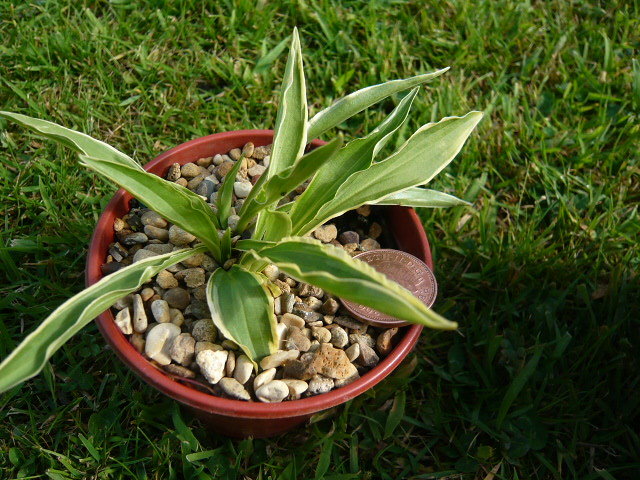
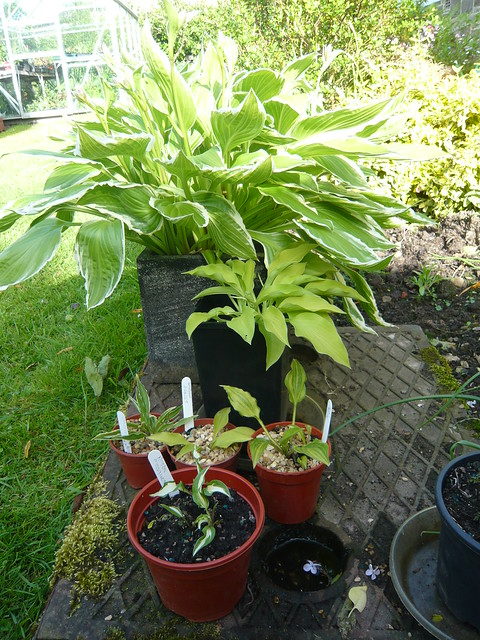
I am no great fan of large leaved hostas probably due to lack of space in my garden where I prefer to grow other plants. However the dwarf varieties are easy to get on with.

An alternative name for Hostas is Funkia. That appeals to me and helps describe how the plants can create congenital abnormalities and abnormal formations. (Teratology).

Small Hosta Tips

  • There are a host of varieties to start to growing and collecting may become an obsession. There are 49 named varieties of ‘mouse-ear’ varieties alone.
  • Water well in spring even before the first leaves show. Roots need water particularly as the light increases.
  • The better the roots the better the plants will display.
  • In spring restart the plants with slug bait, slow release fertiliser and a mulch.
  • A weak solution of Tomorite makes a good foliar feed.
  • Epsom salts will provide needed magnesium when the leaves have hardened in early summer.
  • Water  lightly  in autumn to fatten up the roots for winter.
  • Allow plants to make good clumps. Leave for 3 years or so before dividing. I tend to be too impatient dividing to get more plants.
  • Encourage flowers and collect seed to increase your stock.
  • The more light a hosta gets the more water it needs.

otley show hostas 050