Browsed by
Author: hortoris

Aquatic and Aquarium Plant Tips

Aquatic and Aquarium Plant Tips

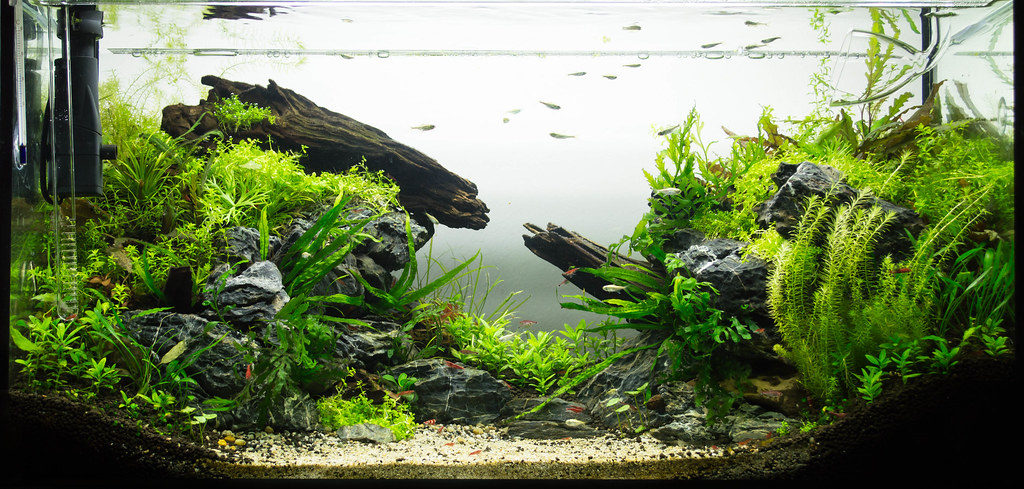
Like good gardeners, aquarists spend time and effort creating living conditions that approximate to those of the natural environment of their plants.

There are over 8000 species of fresh-water plants divided into 400+ genera and many are available for sale in Europe. Like garden plants some prefer max-min pH levels and others hard or soft water.

Tips

  • Plants do not enjoy being transported in packed conditions or transplanted to often. Try buy fresh plants as soon as they arrive at a trusted retailer.
  • The foliage of Myriophylles and Cabomba should be fresh green and errect. Vallisneria leaf edges shouldn’t be torn and Crypyto coryne foliage shoudn’t have brown markings.
  • Non-aquatic plants are sometimes sold as aquatic but cannot be grown properly in an aquarium. They include genera including Aglaonema, Didiplis, Dracaenia and Cordylina.
  • Plants can make useful breeding grounds for many fish species.
  • The heart or neck of the plant should not be covered in gravel.

Check out best and popular aquatic plants on aquarium advisor.


Growing My Vegetables in Containers

Growing My Vegetables in Containers

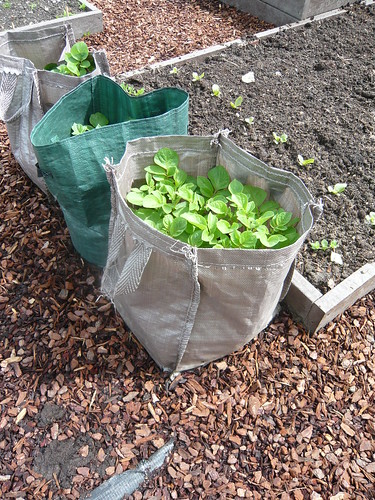
Potato sacks

You can grow fresh relatively clean vegetables in containers. This is useful for gardeners with restricted space or where you want vegetables close to the kitchen door.

Selecting Containers

  • Growbags get there name for a good reason. They are the first container to consider for vegetables.
  • Old large plant pots are fine as long as you clean them thoroughly. Disinfect with jeyes fluid in necessary.
  • Your own selection of containers, troughs, window boxes, even old drain pipes may be brought into service.
  • Depth for most crops should be at least 1 foot to avoid watering problems.
  • I use an old dustbin to grow ‘large long’ vegetables – it doesn’t always work but they do attract attention.

Compost or Soil

  • To get good results we recommend using sterilised potting media
  • John Innes No 3 holds nutrient, water and has some weight and body.
  • Proprietary potting compost are equally of use.
  • Good quality loam or garden soil will be fine but may lack nutrient, harbour insects and disease.
  • Mix in 20% of well rotted manure if you wish to grow organically.

Crop Selection

  • Sow Broad Beans from February 6-8″ apart.
  • Round carrots like Nantes and Amsterdam sown from February to June. The pots height can stop or deter carrot root fly.
  • Herbs and salad crops do well in containers. Small lettuce can be sown successively from January
  • Potatoes are my favourite as they come out clean and problem free. You can grow lots of varieties this way. One tuber for every foot of container diameter.
  • Peas with edible pods can be sown from March as can beetroot.

I start a few seed potatoes as soon as they arrive, end January/February. They are just starting to flower so I can pick some fresh tubers anytime from now on. They were in a double container if you count the greenhouse and vertical grow  bag.
I cover with fleece in very cold weather and happily move the pots for protection of the really early spuds. If the crop fails I have only lost a bit of effort and I can get on with full quantities in March.

Early Salad Varieties of Potato

Aim for a waxy texture with your salad potatoes and you will probably get some of the best flavoured spuds you have had in a Salad. Waxy potatoes remain intact after cooking and do not go into the water. Waxy potatoes tend to be Early to crop 75 -95 days. Waxy potatoes lend themselves to growing in large pots, barrels or containers.

Charlotte is resistant to blight and has a good cooked waxy texture.

Read More Read More

Larch a Conifer for Bonsai or Forests

Larch a Conifer for Bonsai or Forests

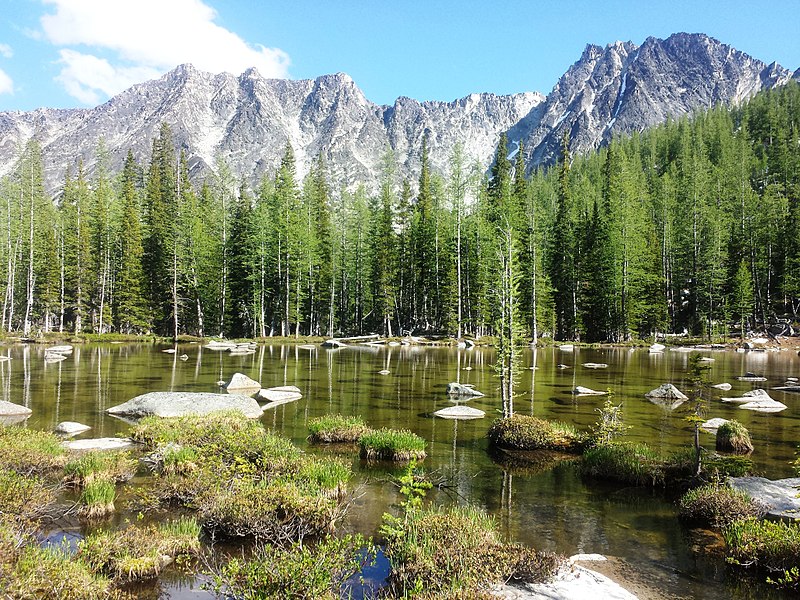
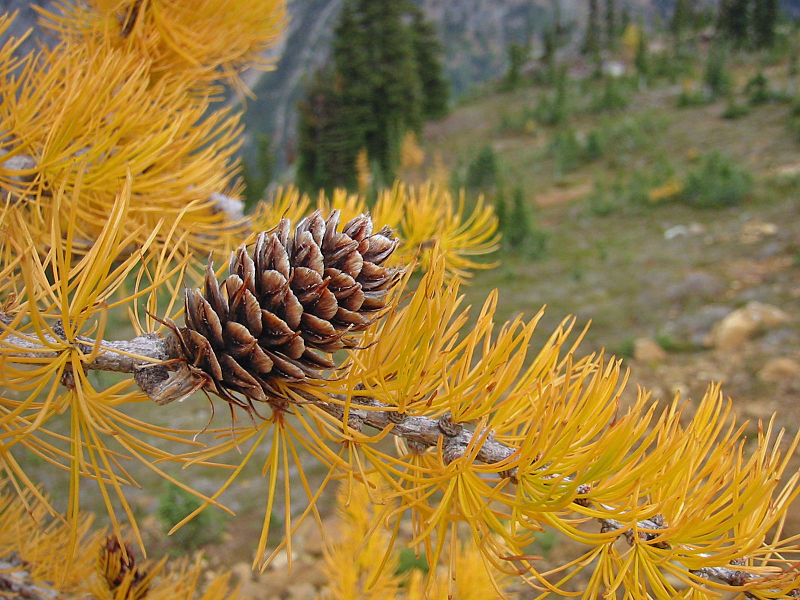
There are two common species of larch Larix kaempferi (aka leptolepis  the Japanese Larch) and European Larch Larix decidua. As the name implies the Larch looses their tufted leaves in autumn. They grow in most conditions but do not like wet or chalky soil

European larch is a large tree up to 100 feet tall.  It is conical in shape when young. It has a tendency to  lose its lower branches.  The drooping branches display a greyish colour. The European larch has longer needles than other Larches.

The Japanese larch has shoots of reddish brown. It has a rosette of neat shorter needles. It is a very hardy species grown in forests for timber.

Other Larch species include Siberian larch Larix sibirica and the  Russian larch,  Larix potaninii is a species  found in China and Nepal. Larix principis-rupprechtii, the Prince Rupprecht’s larch is also from china

Read our Root and Branch review of the Common Larch

Bonsai with Larch

  • The larch is a popular outdoor Bonsai species. Particularly the Japanese Larch Larix kaempferi.
  • The trunks grow thickly and relatively quickly. Uncharacteristic shapes can be pruned in.
  • The trees displays seasonal colours bright green in spring then  foliage darkens during summer and turns  golden yellow before falling in autumn.
  • Do not be concerned if some exposed roots peek out from the soil.
  • More information from south devon bonsai society.
  • Foliage darkens during summer and in autumn turns bright gold.

Read More Read More

My Yorkshire Garden in April

My Yorkshire Garden in April

Favorite shrubbery view.

Scent of spring

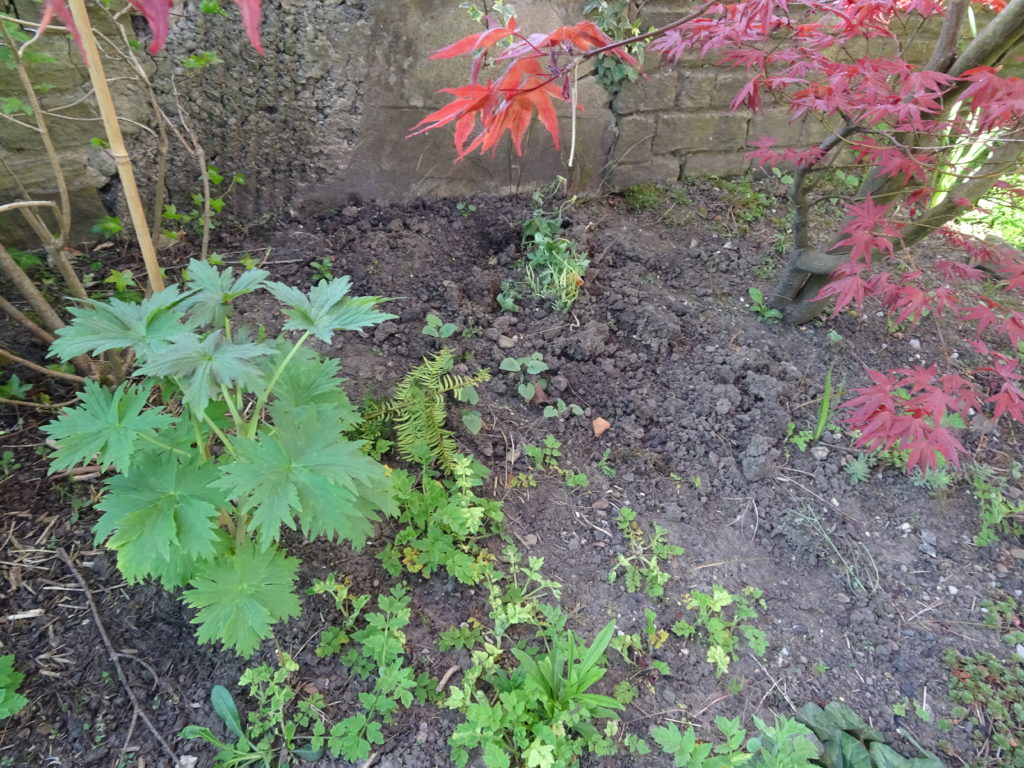
I went around the whole garden photographing areas where I could plant bulbs for next spring

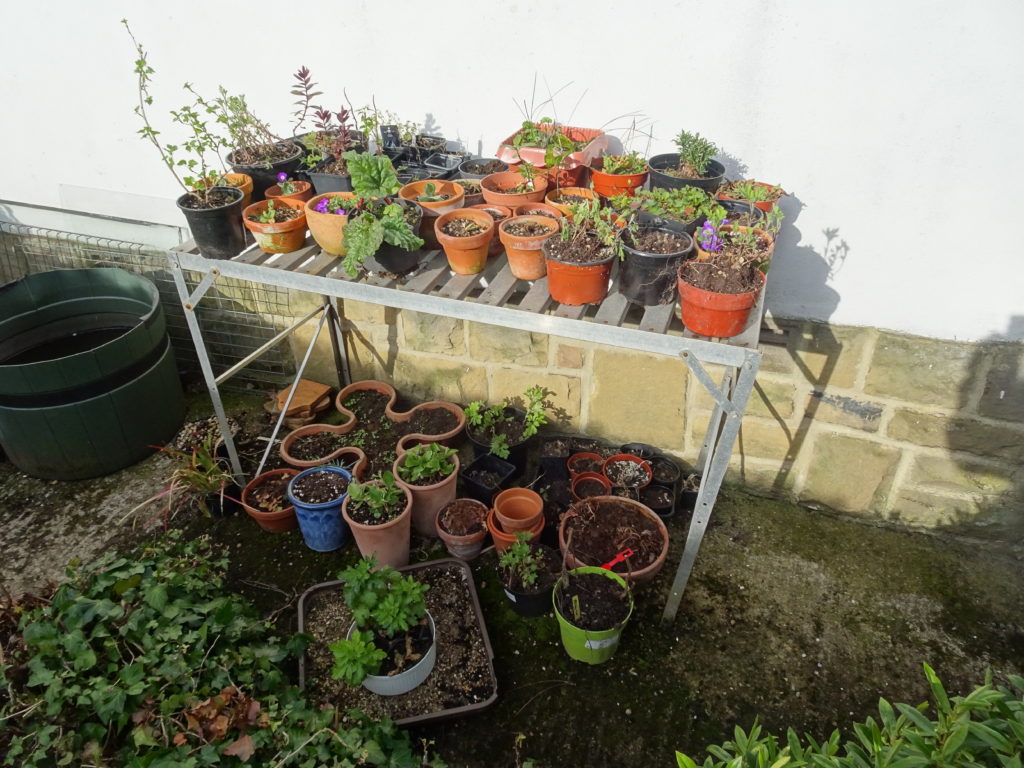
Area for growing on rubbish and Auricula

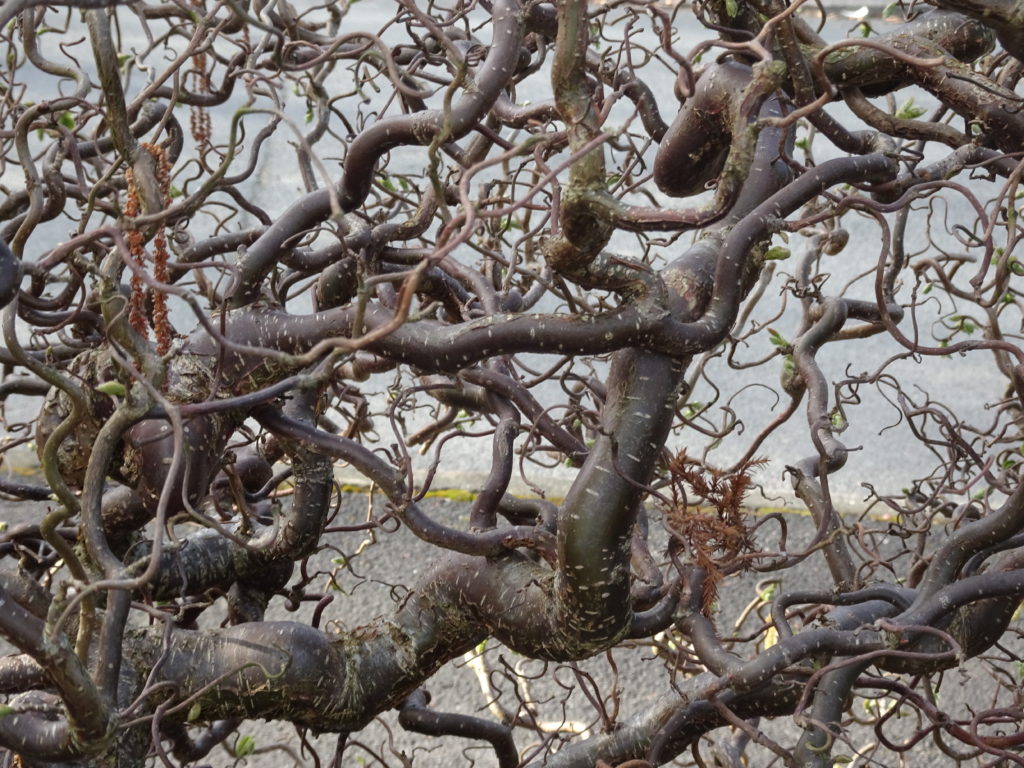
Corkscrew for wine bottles (not).

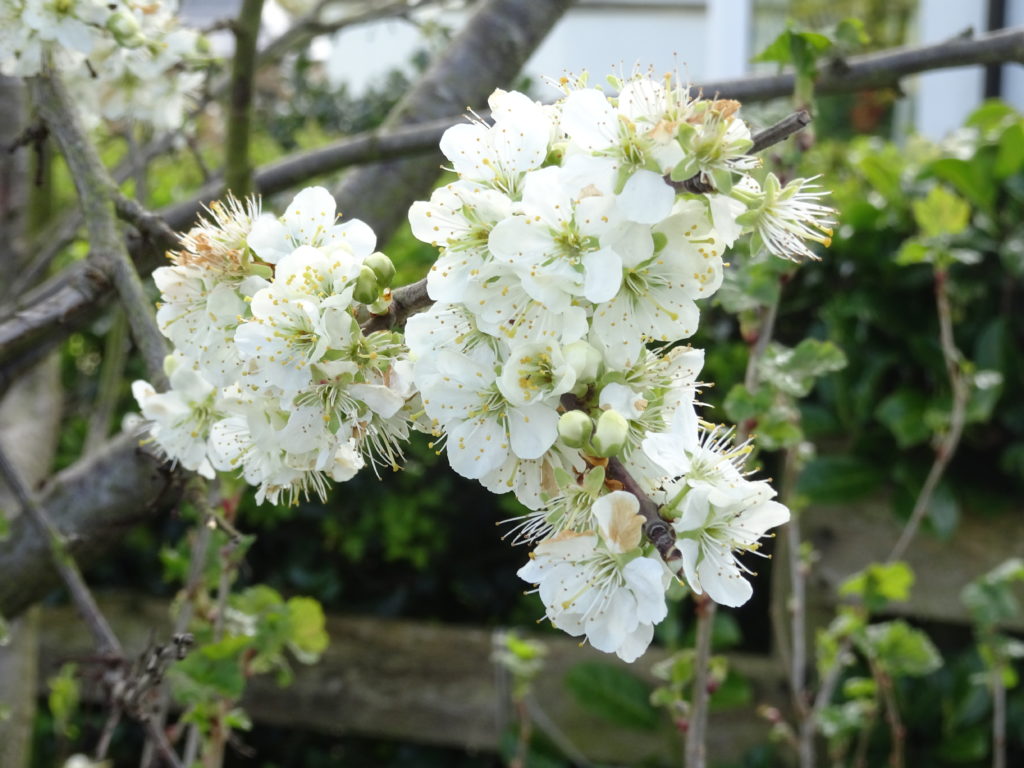
Plum blossom sadly frosted over a week later.

Green and Red Compliment your Spring Garden

Green and Red Compliment your Spring Garden

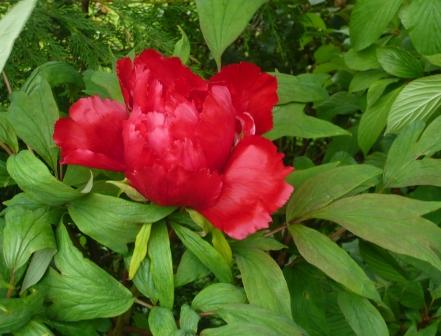
peonie

The two best complimentary colours are Red and Green.  There are many ways this is demonstrated in the spring garden and they will be sure to draw compliments. The Peonies are just opening under a bit of shelter and shade.

rg-no-b

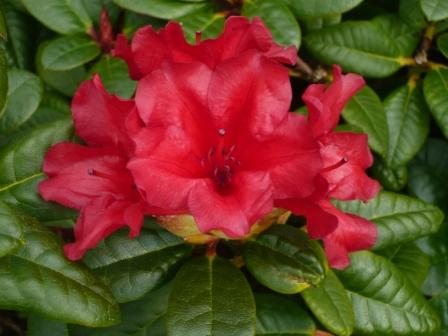
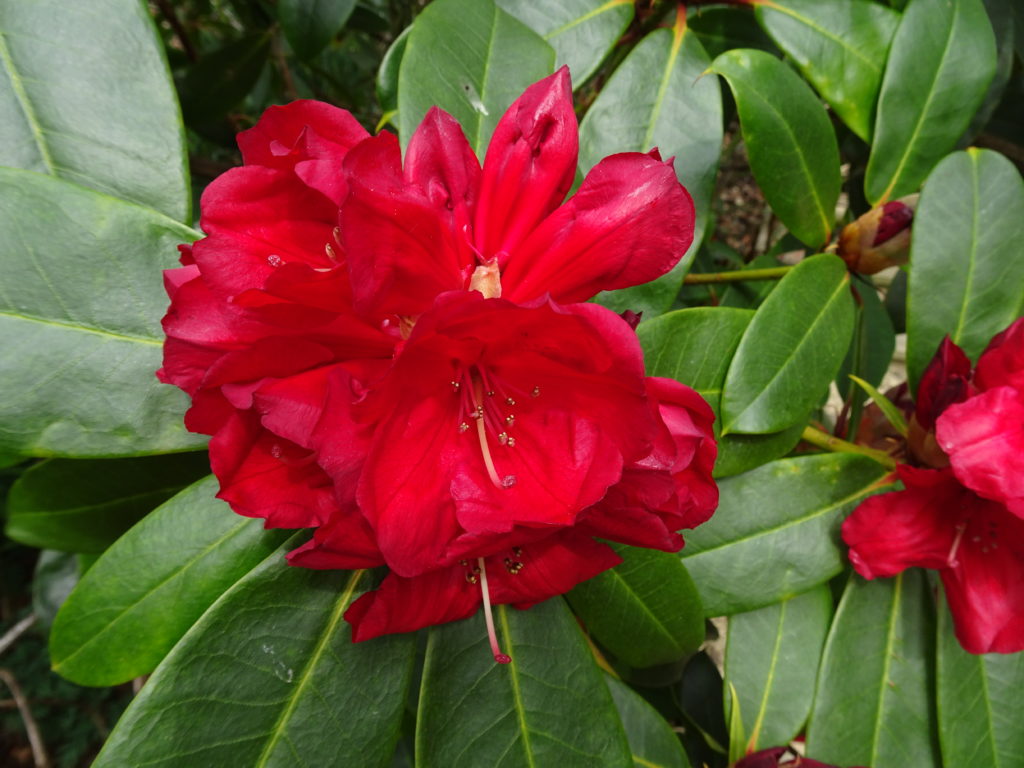
The early Rhododendrons escaped frost damage and the red flower is set off by the texture and green of the healthy leaves.

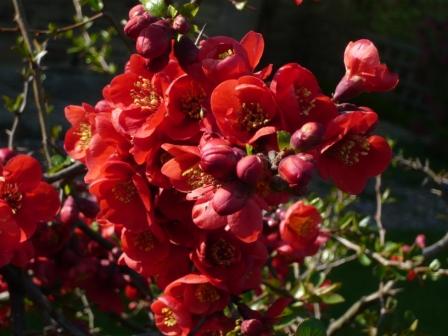
This flowering Quince gave strong colour before many leaves had opened light green but the surrounding grass had been trimed with neat lines in the lawn and the effect was stunning.

quince

See also Colourful Tips for other complementary colour combinations.

colour-contrast

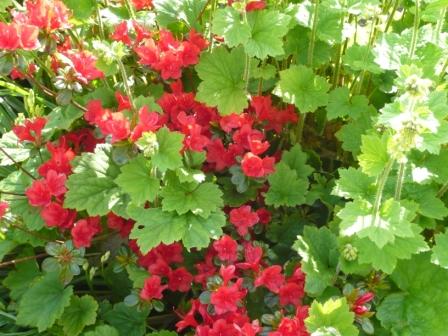
These lime green leaves are complementary to the Azaleas bright vermilion.

Some of the best art work by Georgia O’Keeffe is her paintings of Red Poppies. I recommend you try growing Oriental Red Poppies the for your Red – Green garden.

See also Colourful Tips for other complementary colour combinations.

A Splash of Floral Yellow sans-narcissus

A Splash of Floral Yellow sans-narcissus

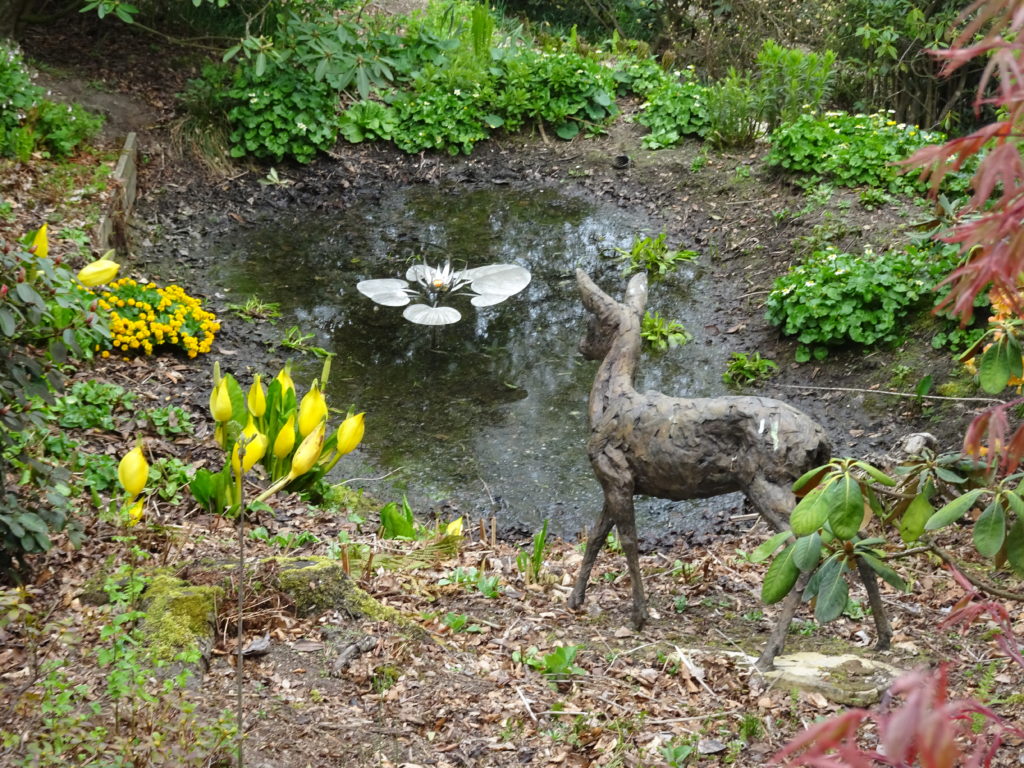
You may see a splash of yellow if the Fawn decides to take a spring dip in the pond. The skunk cabbages are reputed to stink but these Lysichiton americanus are also named swamp lanterns so they flower well near the boggy pond.

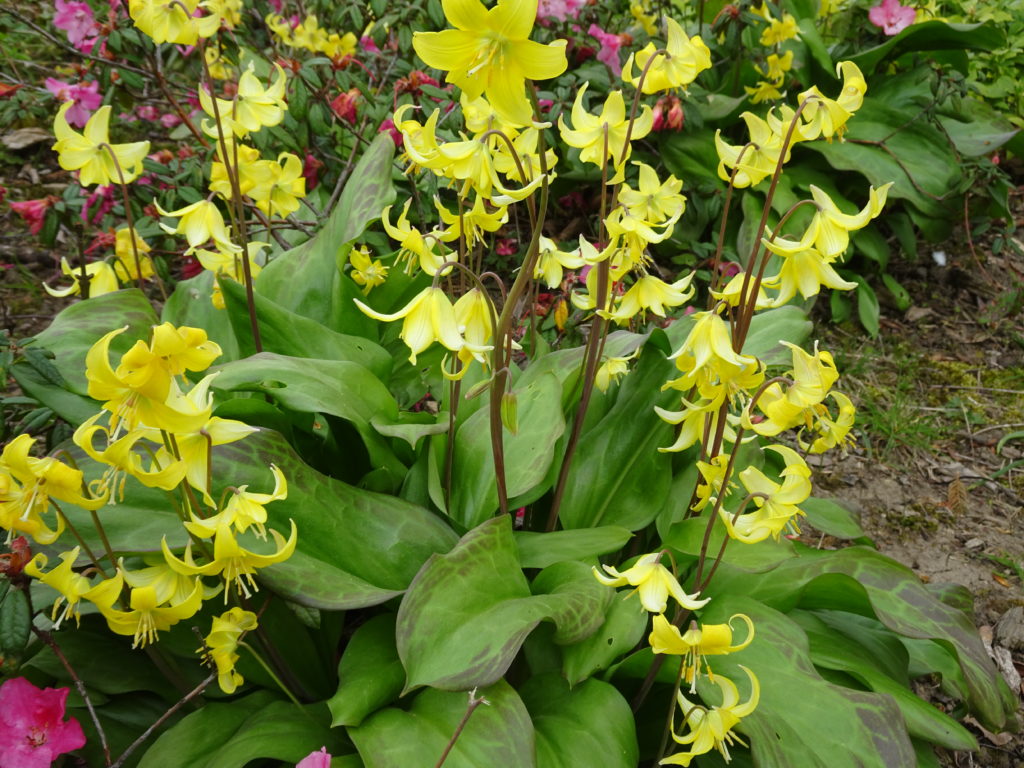
The Erythronium bear long, strong stems producing canary yellow flowers that compete with late daffodils and the pink azalea.

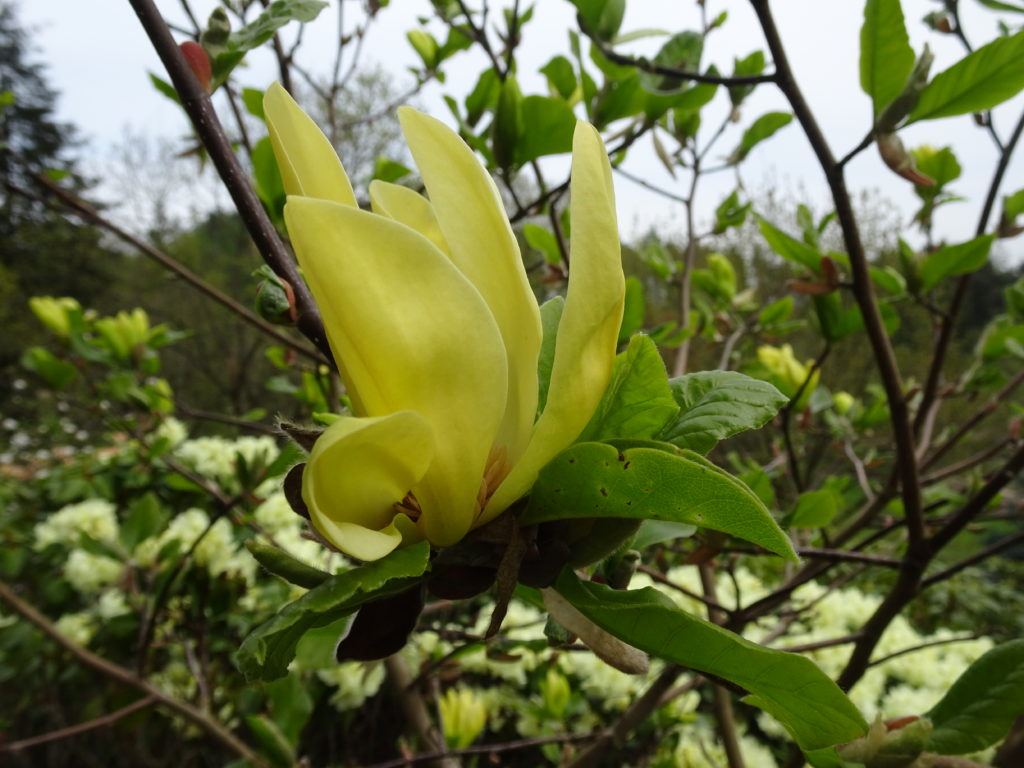
Magnolia hybrids  can have spectacular yellow flowers in the familiar magnolia cup shape. Aptly named variety ‘Yellow Bird’ looks like it says on the tin.

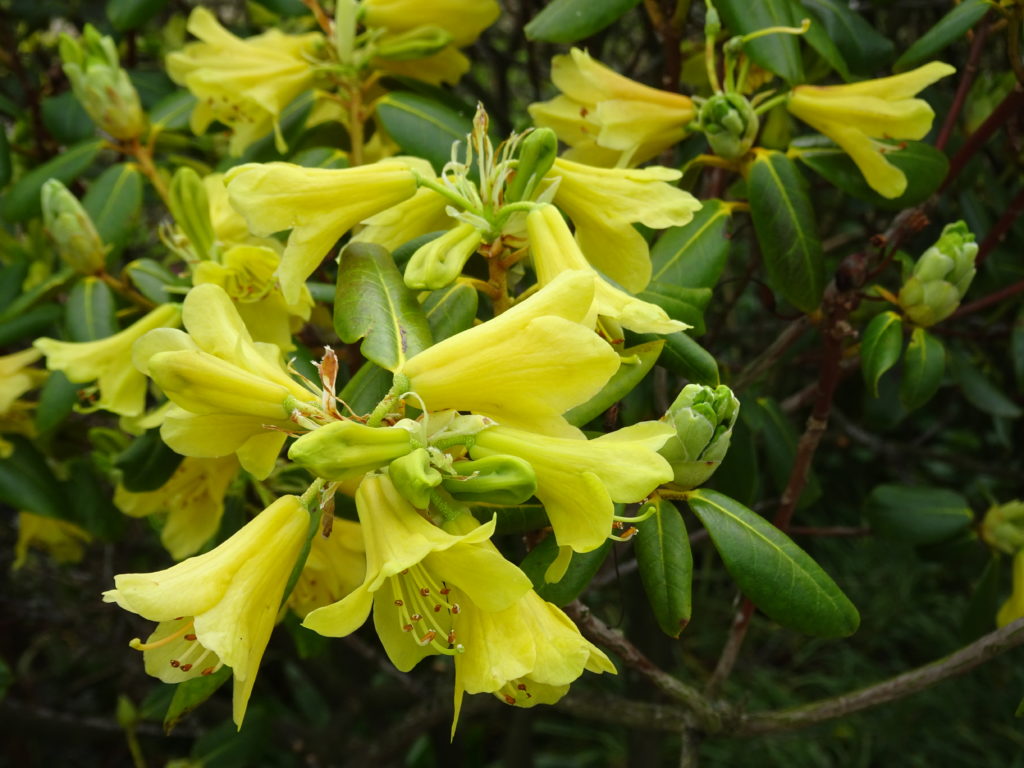
‘Hotei’ is a famous yellow Rhododendron that I aspire to grow successfully in my Yorkshire garden – space and chance would be a fine thing.

Some colour schemes should never be seen

Some colour schemes should never be seen

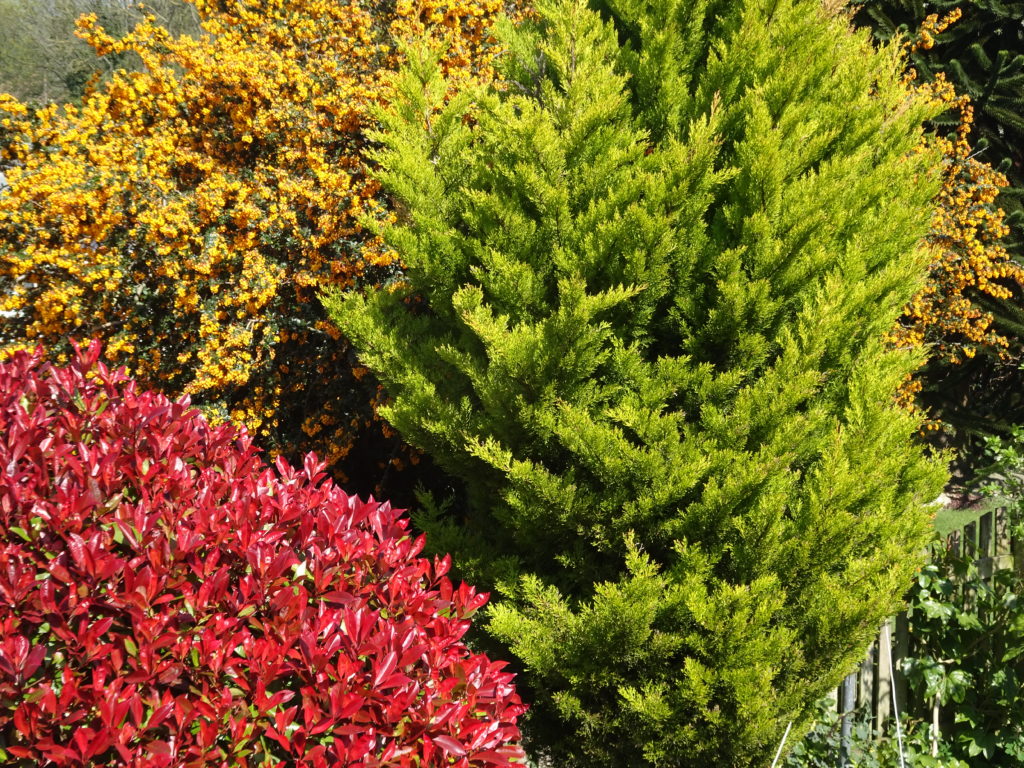
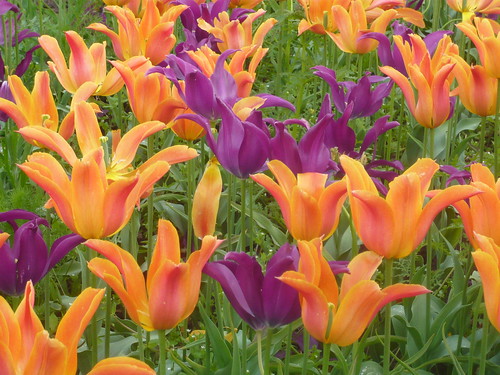
How do you plan a colour scheme when gardening with a wide palette of colour. The answer is to use complimentary colours that are directly opposite on the colour wheel. This give a lie to the old phrase about red and green which is about dress sense rather than gardening nous.

Other colour combinations that work well include yellow and violet or deep purple and for the adventurous blue and orange.

wallpaper tulip

Read More Read More

Why are Everyone’s Weeds Better than Mine

Why are Everyone’s Weeds Better than Mine

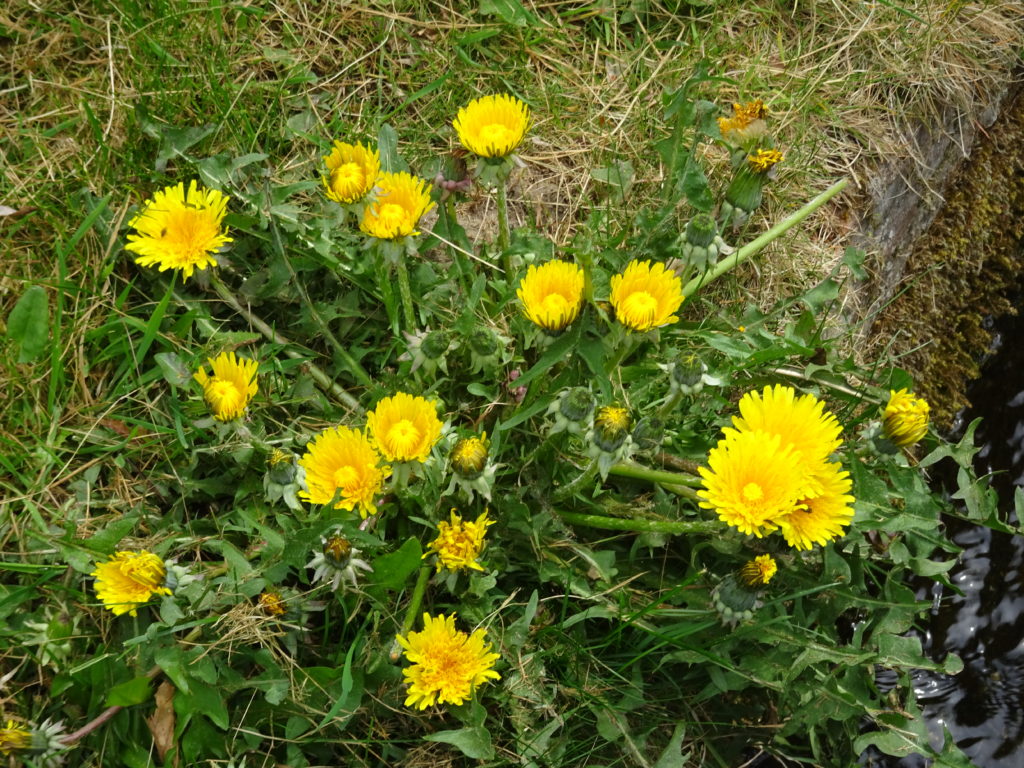
What is the collective noun for a group of dandelions?   A drift or adrift in my garden!

With so many potential ‘clocks’ ticking away to dispersal I wonder at the number of flowers on this fine weed. (Dandelion makes a wine but I am not so sure that it is quite so ‘fine’.)

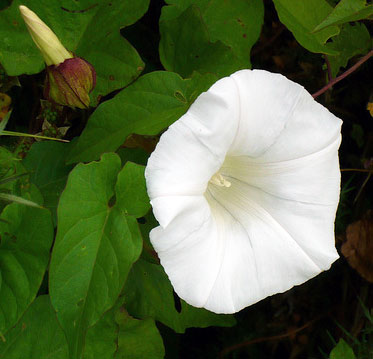
Bindweed

Bindweed can be deceptively attractive except when flowering in my garden. I would call their group noun a ‘knot’ or a pestilence of convolvulous. Heaven forbid that they should become a congregation!