Browsed by
Month: August 2019

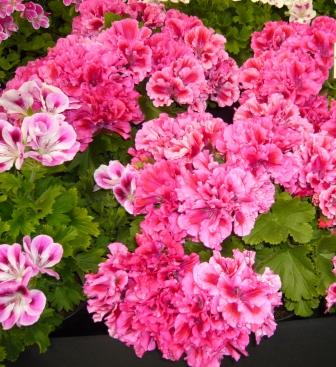
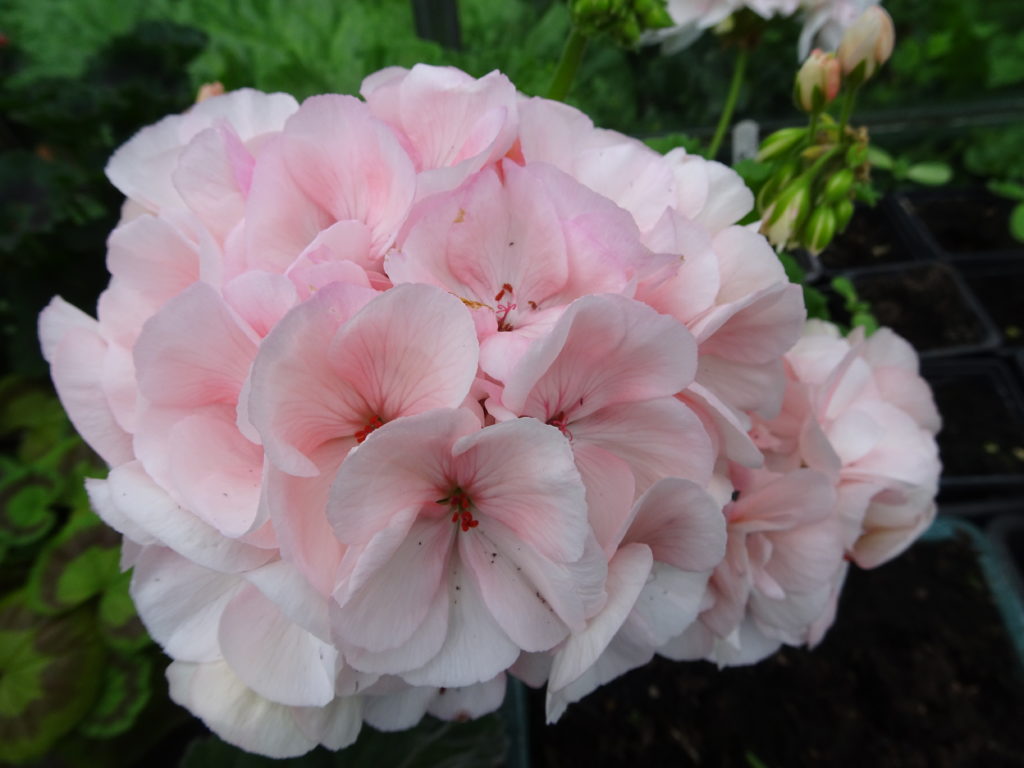
In the Pink – My Latest Geraniums
In the Pink – My Latest Geraniums

Marketing Blurb on  a recent purchase

  • Florensis Smart GMX Light Pink .
  • Annuals · Pelargonium …
  • Plant habit: Upright;
  • Flower size: Large; Semi-Double
  • Cuttings raised varieties pack a real punch when it comes to flower size and power! All have an upright and bushy habit with strong and sturdy flower stems.

Experience

  • I bought the plant at a charity garden fete for £4.
  • It was full of bloom (but I should have checked for more buds). It had been forced for sale and was frail .
  • It has struggled since May to fulfill a destiny I aspired for it. It needs more tlc to continue excelling.
  • I have put it with my stock plants as I want cuttings and the opportunity to achieve the same result of the professional growers.
Geranium Stock Plants & Growing On

Geranium Stock Plants & Growing On

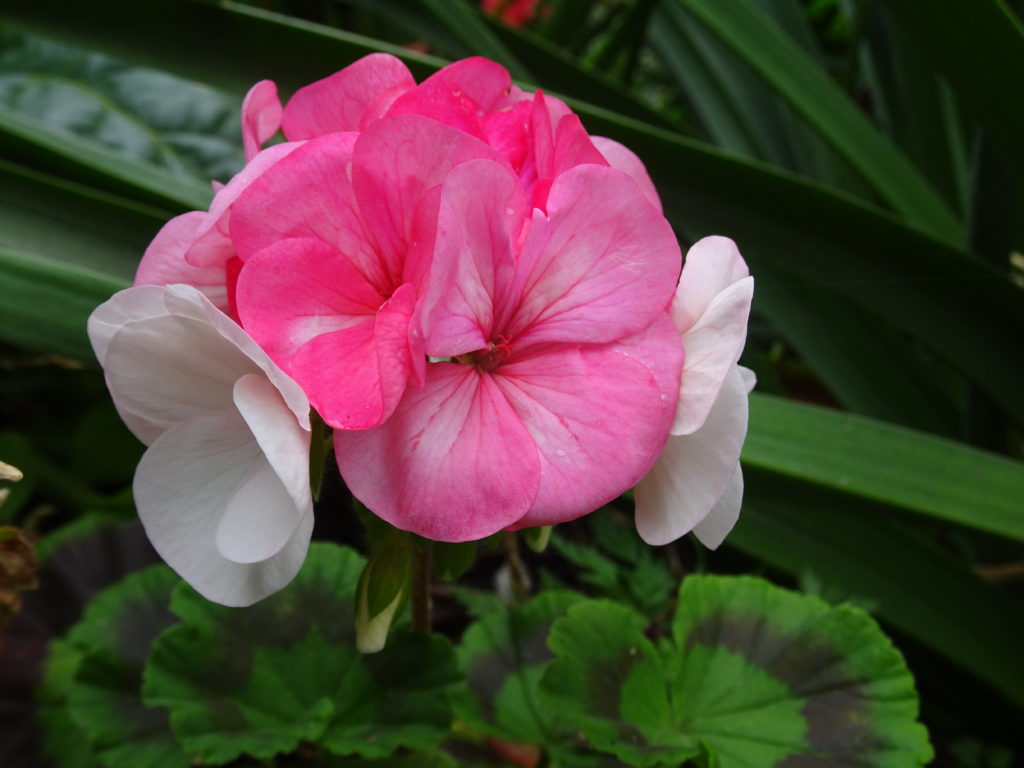
I am trying to establish some good stock or ‘mother’ plants. These should be strong healthy plants from which I can take cuttings. I feed them up and disbud to get stems rather than flowers. The first step is to select plants you want to replicate. You want to aim for quality stock of a variety you like. I am interested to see if the children from the 2 tone plant below have similar characteristics.

How to take geranium cuttings

  • Take lots of cuttings from your geraniums in April – August.  They should be ready to be replanted in a month.
  • The healthiest part of a plant is nearest the growing tip so short cuttings are best I aim for 3-5″.
  • Choose individual cuttings that are firm healthy and without flower buds.
  • For more cuttings chop your geranium mother plant back by two-thirds aiming to cut immediately above a  bud. The stem tips will then form the basis of your cuttings. Select cuttings that have plenty of shoots or nodes.
  • Strip almost all the leaves from the stem, leaving only the top pair.
  • Pinch out any tips that look like they might develop into flowering shoots.
  • Insert the geraniums cuttings  into a gritty mix of compost.

Growing On

  • Experience says you get better growth and flower density from younger stock.
  • Place cuttings somewhere bright but cool and keep their compost moist at all times.
  • If you want to keep the mother plant thin out all the spindly wimpy stems. With geraniums some growers keep the grandmothers and great-grandmothers –.
  • Pinch 1/4  inch off the top of a stem and 2 new stems will grow making a bushier plant.
  • For a quick result plant three cuttings of the same variety into a large pot to grow into one bumper-sized plant.


Judas Tree – Root and Branch Review

Judas Tree – Root and Branch Review

Judas Tree

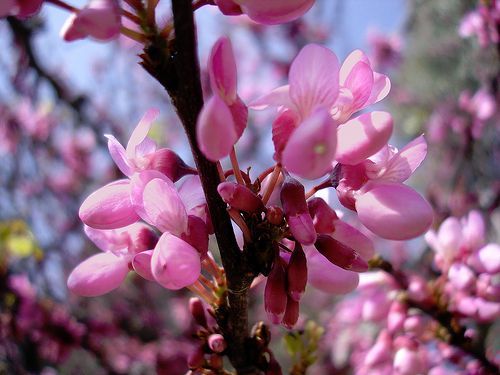
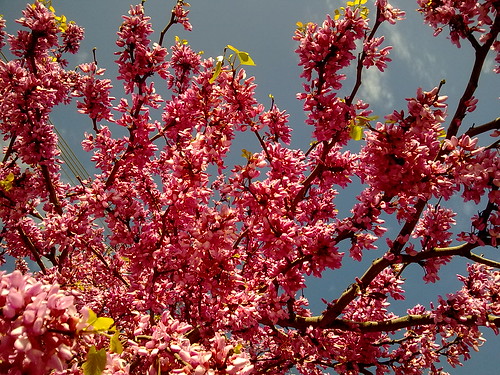
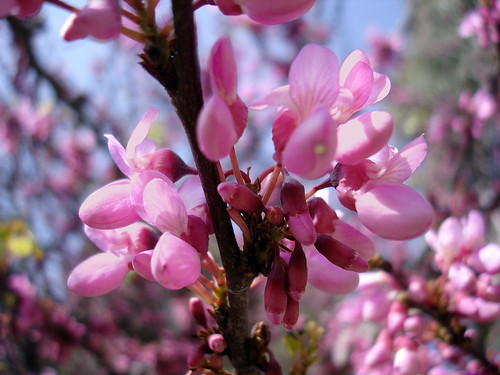
At the heart of the Judas tree is an ornamental flowering tree with rich, pink to red, pea shaped flowers in May followed by long pods.

Key Features of the Judas Tree

  • Latin name – Cercis siliquastrum aka Flowering Judas or Love Tree
  • Height – Ornamental tree up to 35 feet
  • Type of tree – Deciduous
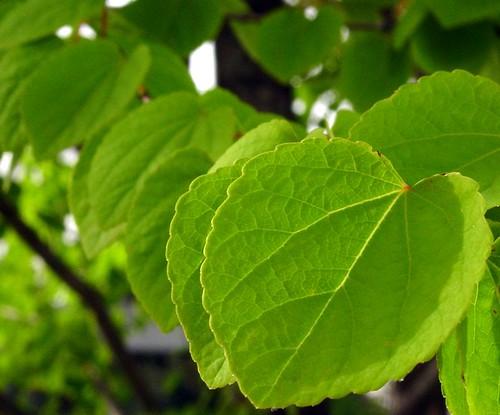
  • Leaves – Kidney shaped, untoothed, smooth grey-green
  • Flowers – Sweet pea-like magenta-pink
  • Fruit – Flat brown pods
  • Bark – Dark grey with ridges when mature
  • Family – Fabaceae

Leaf of Japanese judas tree

Origins and Distribution of the Judas Tree

  • Native to southern Europe, western Asia and possibly originating in Judea hence the name.
  • Just about hardy for UK gardens.

Uses and Attributes of the Judas Tree

  • Eye catching spring flowering ornamental tree.
  • Flowers are edible in salads, fried in batter or pickled as a caper substitute.
  • The wood is hard and fine grained making it suitable for veneer work
  • A popular tree in parks and ornamental gardens.

Cercis siliquastrum (I) -vainas-

Gardeners Tips for the Judas Tree

  • The flowers arrive in spring before the leaves and also bloom from old wood and stems.
  • Requires full sun and good drainage.
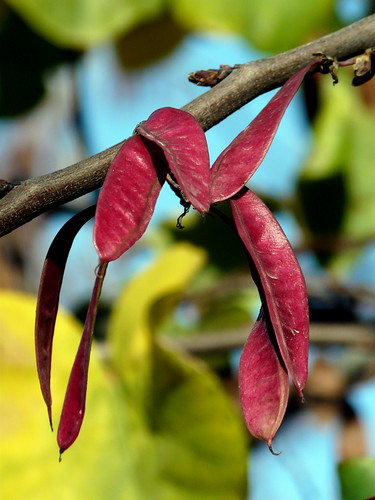
  • This leguminous tree has decorative, long, purple pods

Other types of Judas Tree and key species

  • Varieties include ‘Afghan Deep Purple’ ‘Bodnant’ and ‘Alba’ – white flowers and Carnea’.
  • Other Cercis include Cercis canadensis (Redbud), Cercis chinensis heart shaped leaves and Cercis racemosa drooping flowers.

Judas Tree comments from elsewhere

  • Top ten UK garden trees.
  • The Judas tree appreciates a warm spot and is a star in May when the leafless branches are adorned with lilac/pink flowers. Grow your own from seeds in February or March.
  • According to legend this is the tree on which Judas hanged himself after betraying Jesus. After Judas died the white flowers are said to have turned red with his blood and shame.
  • Avoid anywhere too exposed as the stems are rather brittle

Judas Tree

Credits
Judas Tree by Vassilis Online CC BY-SA 2.0 ‘Cercis siliquastrum, commonly known as Judas Tree, is a small deciduous tree from Southern Europe and Western Asia which is noted for its prolific display of deep-pink flowers in spring.’
Leaf of Japanese judas tree by Amehare CC BY-NC-ND 2.0
Cercis siliquastrum (I) -vainas- (Pods) by .Bambo CC BY-NC-SA 2.0
Judas Tree by Ava Babili CC BY-NC-ND 2.0

Long and Short Gardens

Long and Short Gardens

Begonias look best in groups or where they are given the opportunity to demonstrate their colourful dexterity. (Most of my photos are produced uncropped but in this case I done some editing).

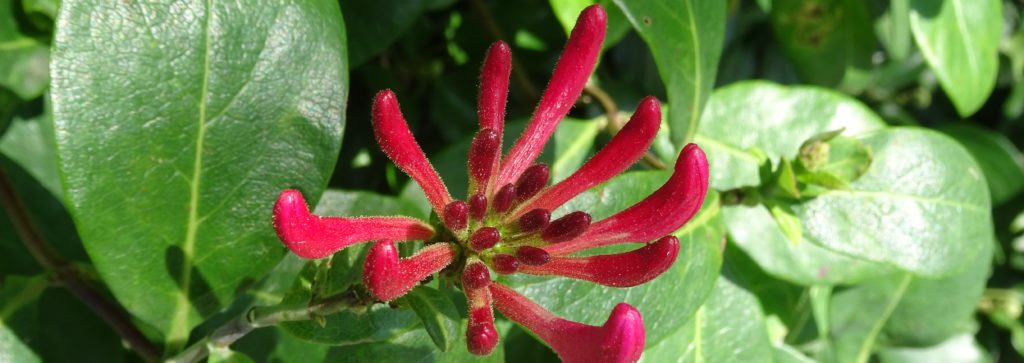
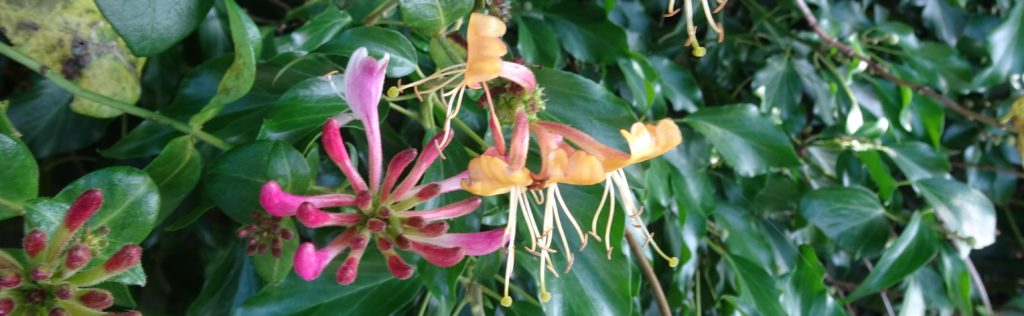
Honeysuckle tends to ramble upward and is not easy to do it justice with a photograph. Here are two attempts.

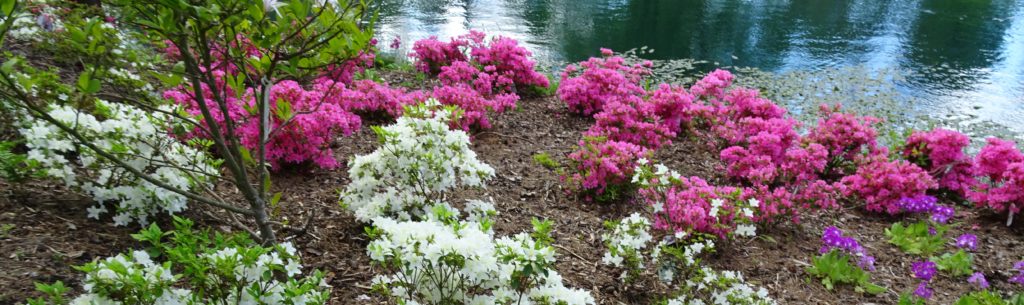
Long vistas benefit from repetition of planting. These dwarf rhododendrons and primula denticula make the point

It’s A Rambler From Manchester Way

It’s A Rambler From Manchester Way

It is not quite red enough to be Lancastrian but I am happy to call it ‘a rambler from Manchester way’ in tribute to the old folk song (and the very old folk of Lancashire). You knew there may be a sting in the tail!

‘I am not the only one who finds this rose attractive’ she said waspishly

‘A fine crop of pink blossom on this rambler or Rosa multiflora’ he said prickly.

Photographs actually taken on 27.8.19 at Brighouse Basin on the river Calder in Yorkshire.

Plum Rot and a Rotten Crop

Plum Rot and a Rotten Crop

From this to this 

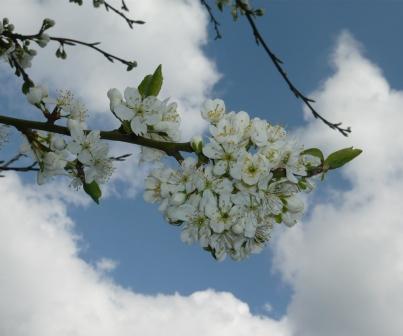
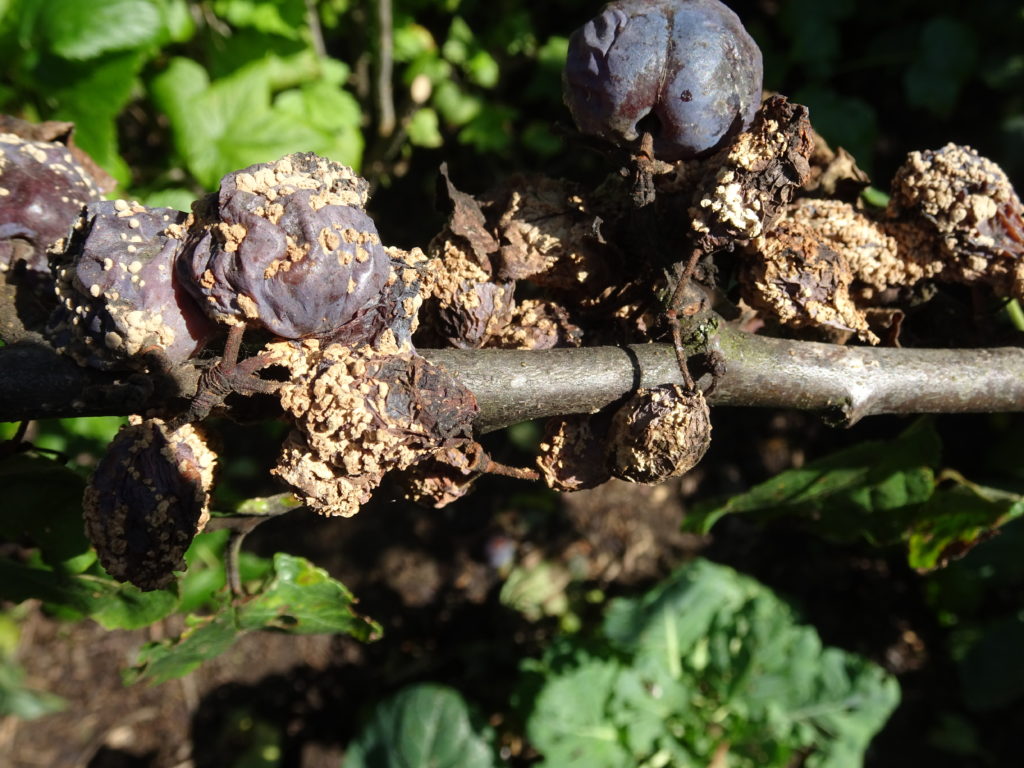
With clear blue skies and good blossom spring 2019 started so well for my plums. But then many things began to  go wrong. The first disaster was a snap frost that did for my Victoria blossom. Fortunately another variety of plum flowers a bit later, is better sheltered and survived unaffected by frost. That didn’t save the crop from the fungal attack of ‘brown rot’.

More on Plum Problems

  • Plum fruit infected with Monilinia laxa have grey coloured pustules. This fungus can also be responsible for end of stem wilt.
  • Plums infected with Monilinia fructigena have pustules that are buff coloured.
  • It looks like I might be blessed with both fungal infections.
  • Brown rot survives on mummified fruit and small cankers on the tree. It passes quickly on to other fruit in the cluster particularly in moist weather.
  • There is no spray available to gardeners so I will have to improve my hygiene and collect up and burn or bury deeply all infected twigs and fruit.
  • Unhappy with previous years crops I had invested in a new victoria plum tree  and I will hope for more success in years to come.
Stingers in the Garden Get Me Nettled

Stingers in the Garden Get Me Nettled

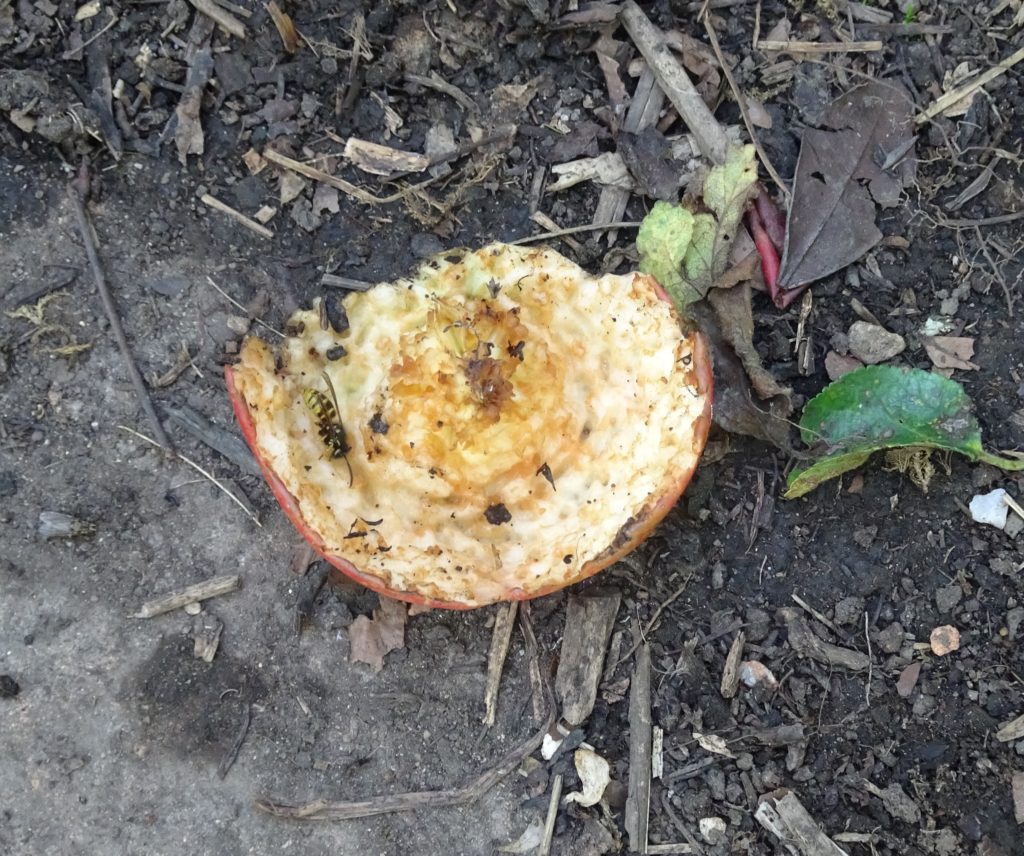
I was picking the Czar plums to make more jam when a wasp was disturbed from eating it’s lunch. Wasps go for my plums just as they are at their sweetest best. My problem was I couldn’t see which plums had a wasp in the fruit if they were above head height or facing away from my hand. The resulting sting set me on the trail of other stingers in the garden.

Plants Stingers

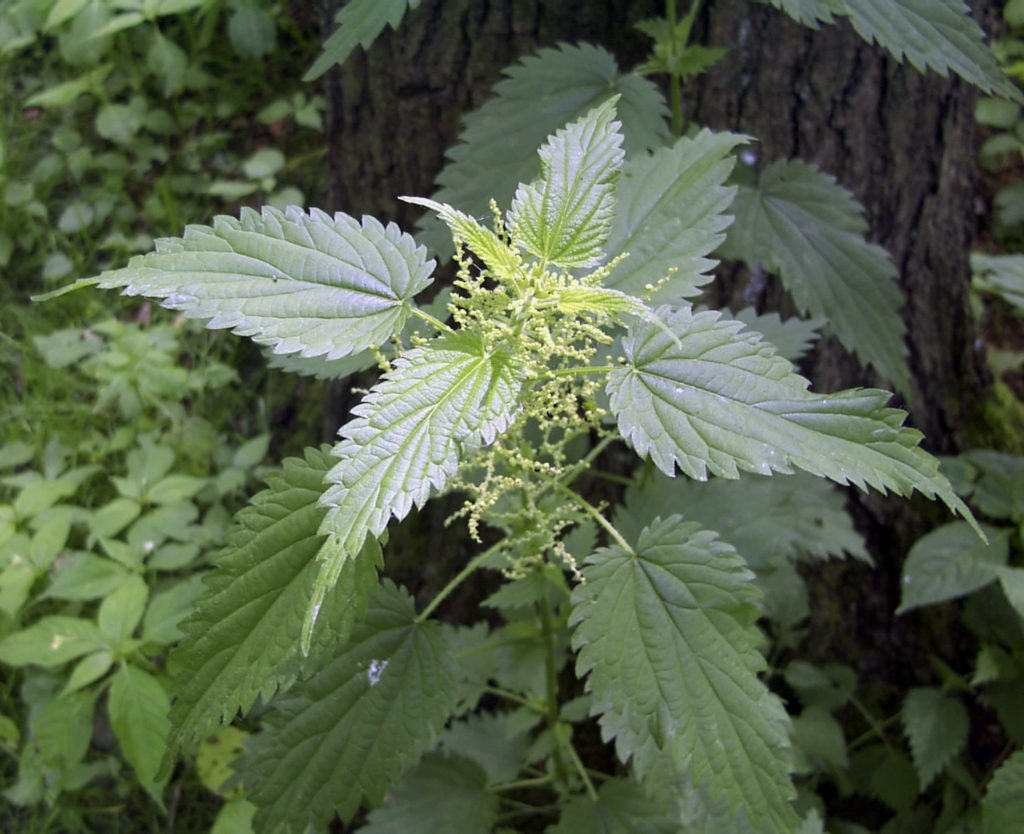
  •  Who has not been stung by a common nettle or the stinging nettle  a herbaceous perennial aka Urtica dioica. More likely to be stung walking on country paths or unkempt areas not in your garden I am sure!
  • The nettle family are stinging plants with  hairs on  leaves or stems that are capable of injecting formic acid that cause pain or irritation. Brushing bare skin against the leaves causes initial pain with the potential for more effects caused by histamine, acetylcholine and other chemicals that are also present.
  • Giant hogweed  contains a corrosive sap that causes severe rashes,  burns and even serious eye damage if you get the photosensitive chemicals  in your eyes . aka Heracleum mantegazzianum.
  • Poison ivy & its cousin, poison oakone is a noted rash-maker. It’s toxin, urushiol oil, is in the sap of the plant and present in minuscule quantities in some other food stuff.
  • Other plants, often those with hairs or irritating sap, can cause irritation and allergic reactions. I suffer with some verbascum Optunia cacti and euphorbia.


Roses as Center of Attraction and Attention

Roses as Center of Attraction and Attention

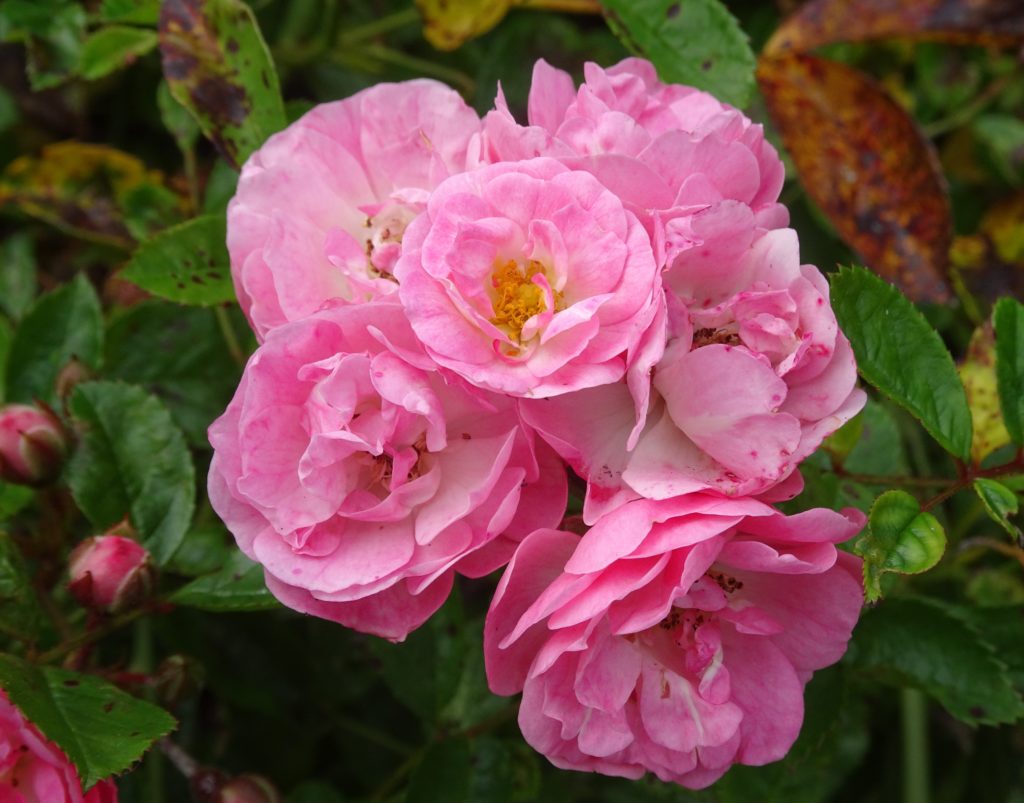
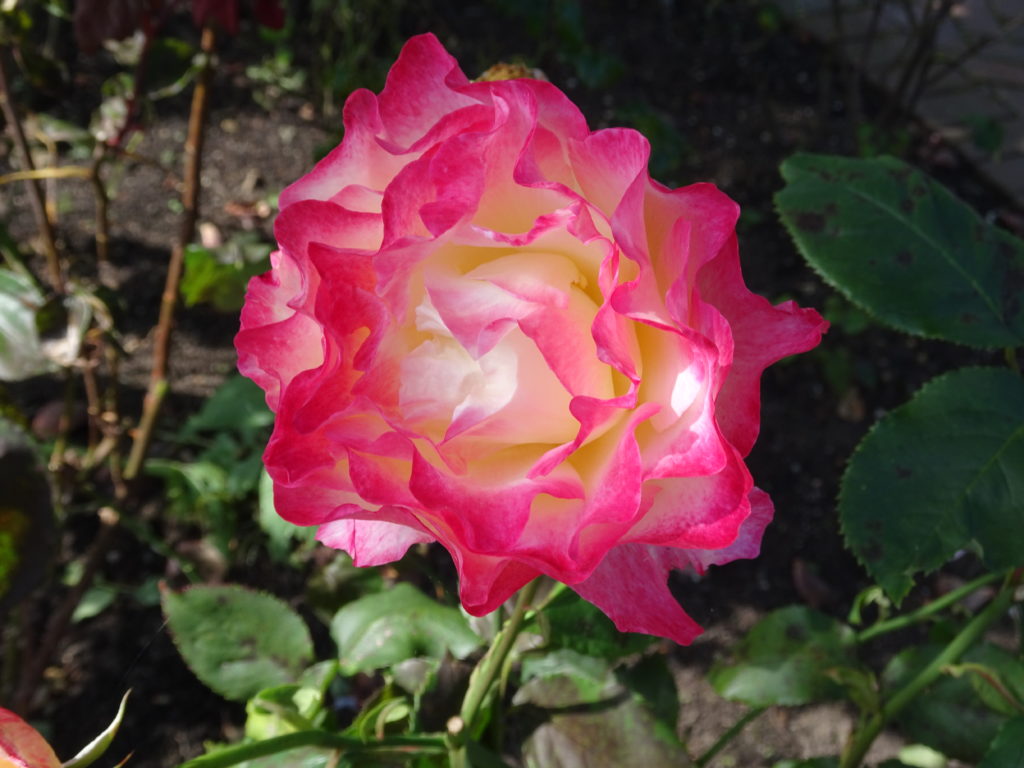
Roses can be a center of attraction in a photograph as these local garden subjects show. With the morning sun behind the photographer the intense colour shows through despite some risk of colour burn-out. However, for me it is the petal pattern and form that takes center stage.
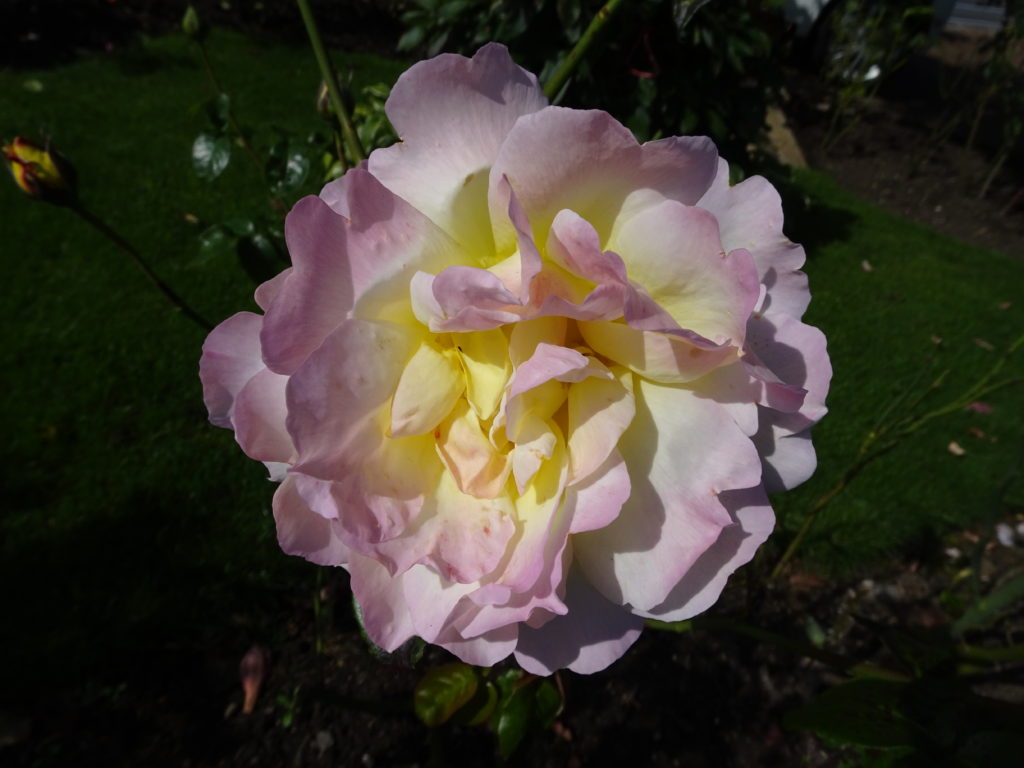
Roses can also hold your center of attention for both colour and scent in many a  garden
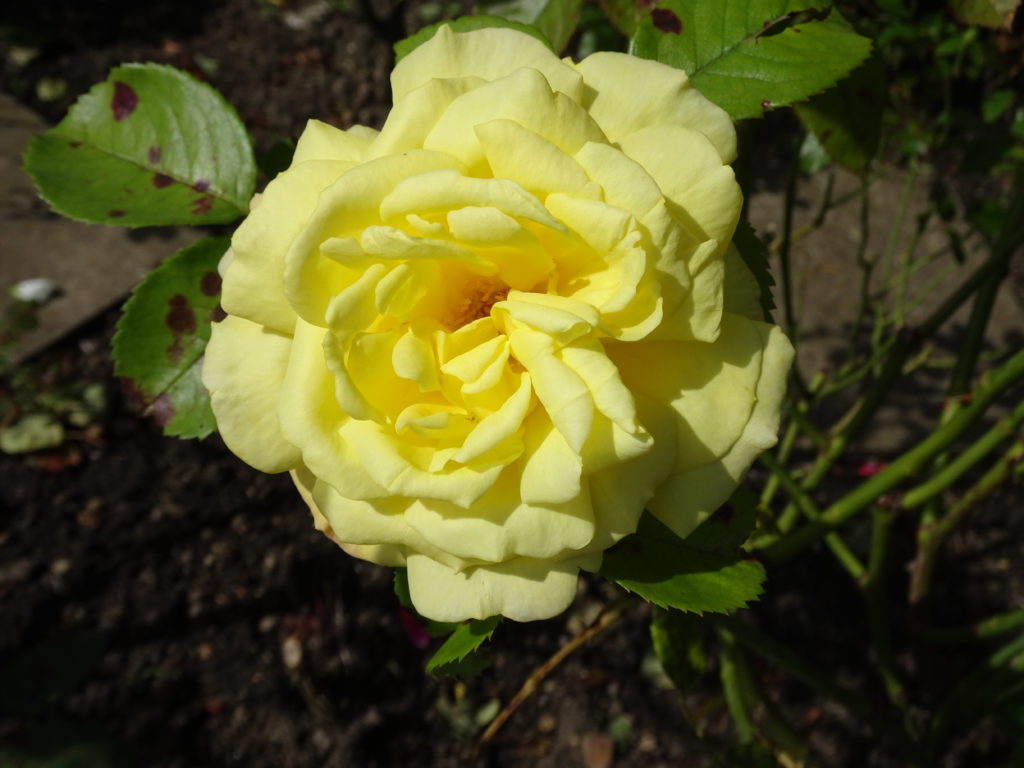
Photographs with a dark background help with the contrast and emphasise the quality of the rose flower. A shame about the black spot on the lemon sorbet.
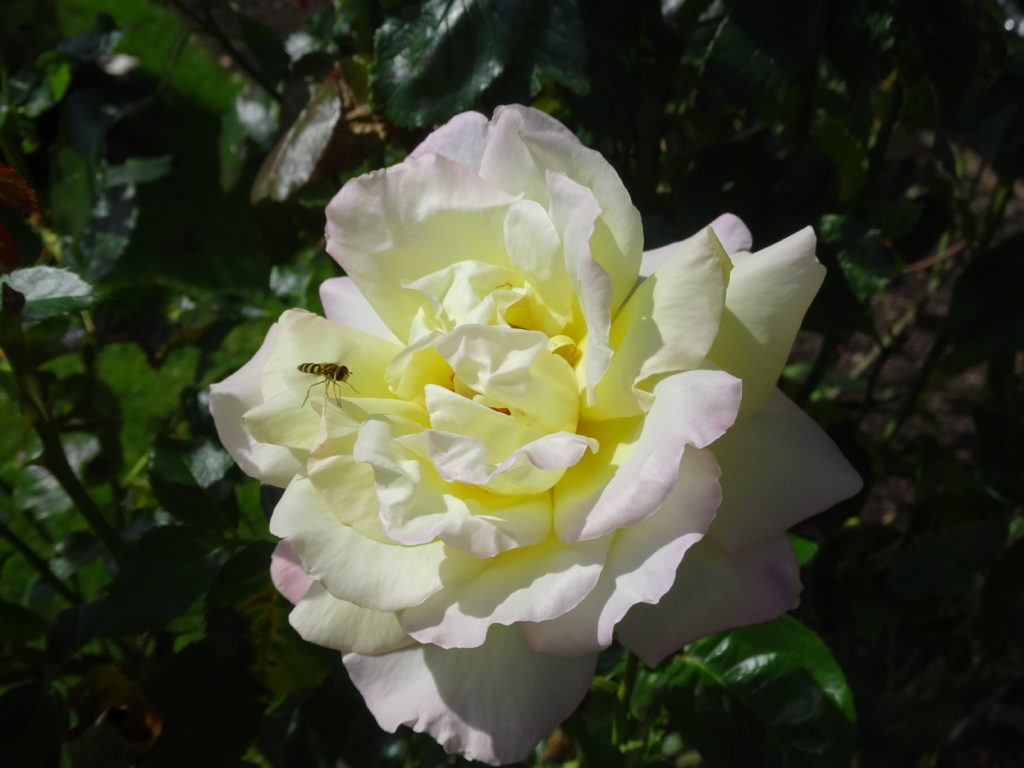
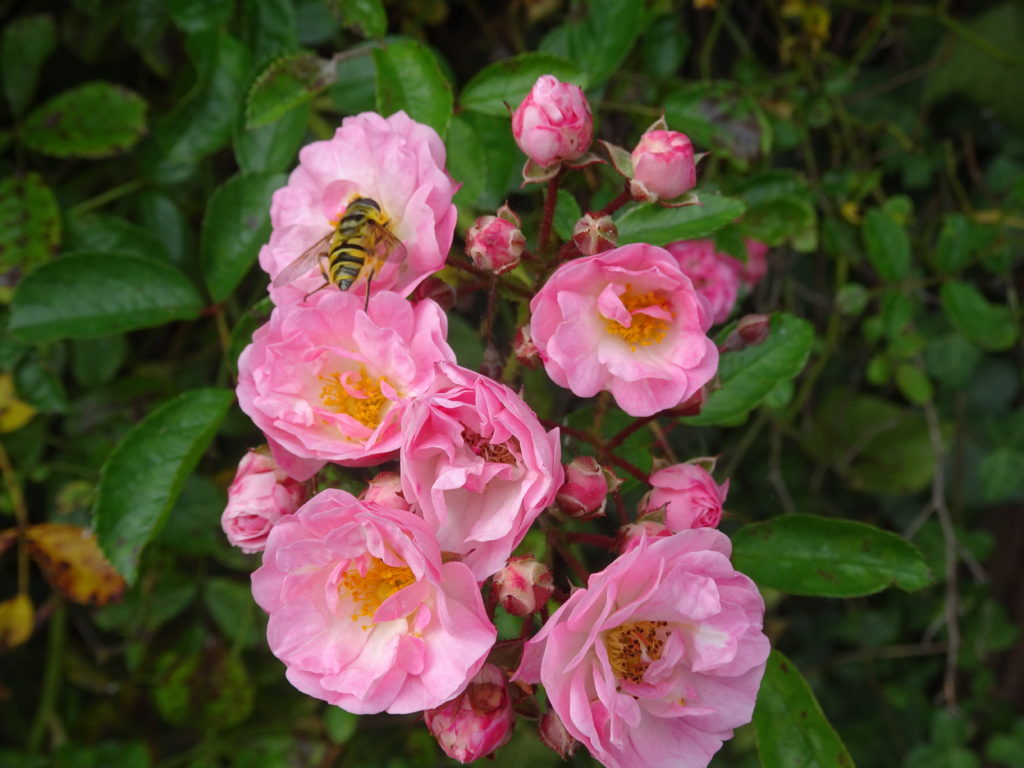
Is this a  hover fly or a randomly attracted flying creature that wants the nectar or to have a rest & bask in the sunshine.
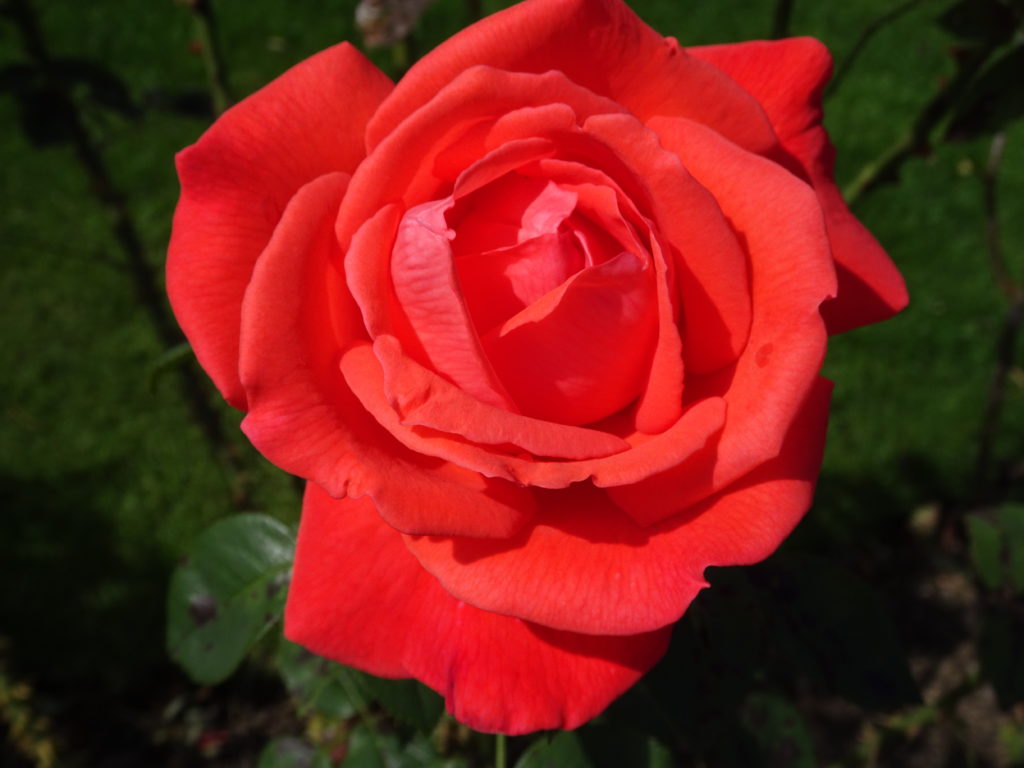
Roses have been out of fashion but this summer could be the start of a Renaissance – let us hope so.

Take a Close Look

Take a Close Look

We tend to see gardens in the round and I seldom inspect individual plants. I often think I am missing something by not paying close attention. This obviously casual approach doesn’t work for those who specialise in a species or collect special examples of plants.

Careful Looking

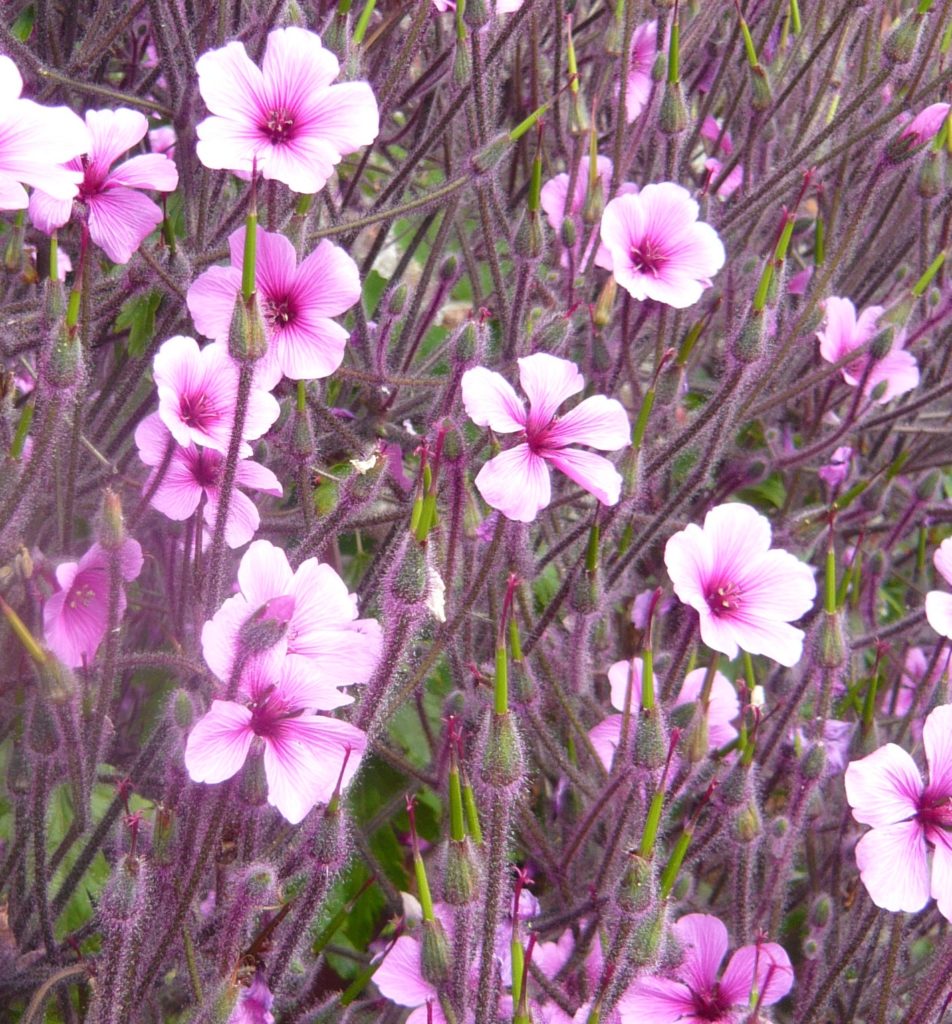
  • Patterns and repetitions can be fascinating. Not all are immediately obvious. There is a repetition of colour in the flowers, stems and hairs on the stems of this Geranium maderensis.
  • Seed heads and capsules have their own shape and attraction. They also give good clues as to the species or family of the plant. You could guess this was a part of the geranium family.
  • Plant explorers often took magnifying glasses to get to the crux of a plant.
  • Insect life is not always visible to a casual observer and on the dahlia below the second fly could be missed. No big deal may be but for come the extra attention would be worthwhile.

Primula as Waterside Plants

Primula as Waterside Plants

If I was starting a collection of plants for a bog garden or streamside I would look at a collection of different primula.
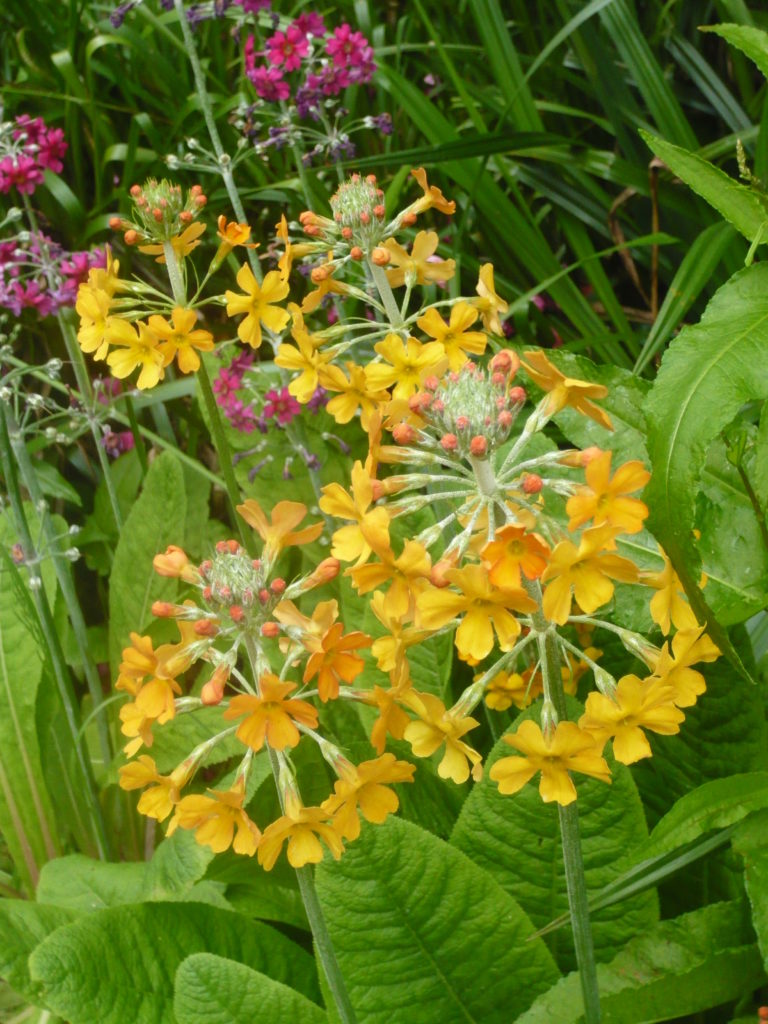
Primula Species for Water Gardens

  • Primula viallii like rich moist soil and produce a scarlet opening to purple spike or pyramid of flower in late spring.
  • Primula sieboldii like a damp sheltered position.
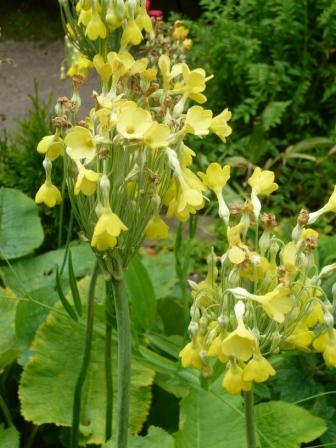
  • Primula florindae flowers yellow and lasts for several weeks in summer. A must have plant for this location
  • Primula Japonica a compact plant for early summer flowering. Try Postfords White or Apple Blossom.
  • Primula pulverulenta, aka the candelabra primula. They flower on a leafless stem at varying points like a candelabra. They  can grow 3 feet tall.