Browsed by
Month: June 2018

Dendrology for Gardeners

Dendrology for Gardeners

Dendrology is the the branch of botany and science about trees and other plants that have woody structures. It includes the natural history of trees, species identification, taxonomic classifications and economic significance.

Natural landscapes, forestry, arboreta, horticultural businesses and our gardens are locations that benefit from dendrological study. In the UK there are many parks and urban streets containing trees but the number seems to be diminishing. It is therefore up to gardeners to maintain an interest in growing and caring for trees and woody plants.

Book Cover

A new book to be published in 2019 ‘Dendrology: Cones, Flowers, Fruits and Seeds of Europe’ will provide a comprehensive overview of the morphology of reproductive organs of European woody plants in one resource. Over 355 species of trees and shrubs are to be described including species that originate from North America, Asia, South America, Australia and Africa. At a price of £200 this is not for your average gardener. Better to stick to your own note book costing less than a fiver (above from amazon).

Associated Facts

  • An arboretum is a botanical garden containing living collections of woody plants and is intended at least in part for scientific study. On the other hand a Xylarium is a herbarium containing a collection of wood specimens.
  • The aims of the International Dendrology Society are to promote the study and enjoyment of trees and other woody plants and to protect and conserve rare and endangered plant species worldwide.
  • Silviculture is the  science of controlling forests and woodlands and of forestry management.
  • Dendrochronology is the art and science of tree-rings. Dendroclimatology uses tree-rings and wood density to analyse the that climate was likely to have caused the rings.
Transpiration for Gardeners

Transpiration for Gardeners

Transpiration is a basic and crucial function that moves water around plants to cool and keep them healthy. Leaves have pores or stomata that open to allow moisture to transpire or evaporate. Large trees can transpire up to 500 gallons per day, our garden plants transpire far less but enough to cause wilting if there is insufficient moisture for the plant. Stems and flowers can also transpire and loose water.

Transpiration Strategies

  • Many trees have wide spreading and deep roots to provide the moisture they need.
  • Tomato plants have a deep main root to gather water and surface roots for feeding. Leaves can also wither or be defoliated to reduce water loss.
  • Succulents save water by opening the stomata pores at night to reduce transpiration and often have  waxy leaves. Cacti don’t have leaves and few stomata elsewhere so transpire very little.
  • Many plants loose there turgidity when short of water and thus transpiration is reduced.
  • Other  plants have small leaves or hairy leaves
  • Mediterranean natives may have silvery reflective leaves, or produce volatile  oils to reduce transpiration by reduced evaporation.


Plants & Gardeners Water Strategies

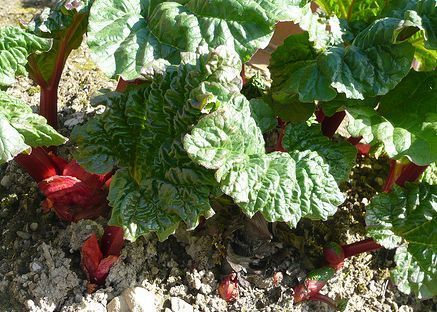
  • Many plant leaves are designed by nature to funnel water to suit the plants needs. Check how Rhubarb leaves collect water over a large surface but it is channeled to the ridges that take it to the roots. You may have heard the saying ‘ water rhubarb even when it is raining’.
  • Soft leaves seem to loose more moisture and the more leaves then the more they transpire. Hence gardeners need to mulch and water plants during dry spells to sustain transpiration.
  • Plants in pots still transpire and water hungry plants may not be suitable for containers for that reason. Remember the bigger the pot the more soil and thus moisture it could contain.
  • Shade and wind breaks can reduce water loss by cutting down on transpiration. You can have too much of a good thing and wind and sun are an enemy to successful transpiration.
  • Evergreens transpire even in winter but our climate is generally able to provide the water needed but be wary of long hard frosts particularly for young plants.

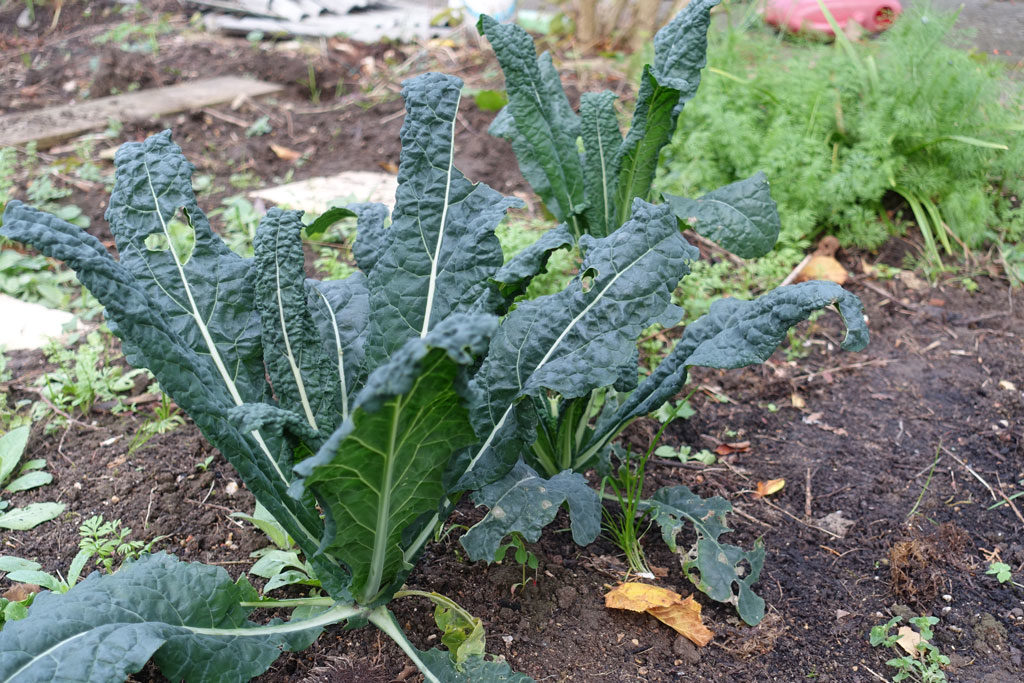
kale
Kale leaves are shaped to harvest rain.

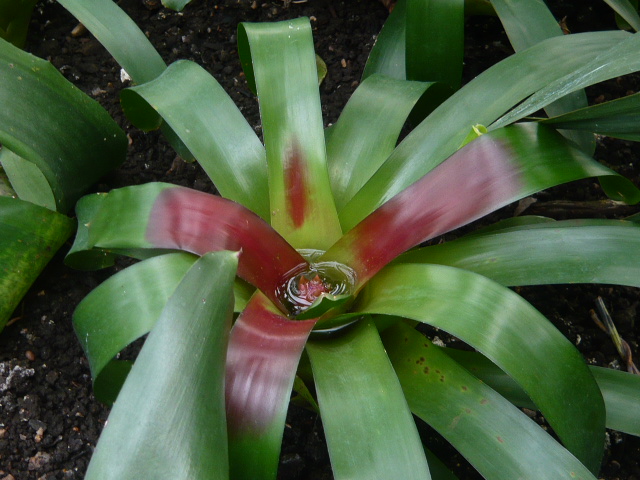
Brugsmania build in a water trap

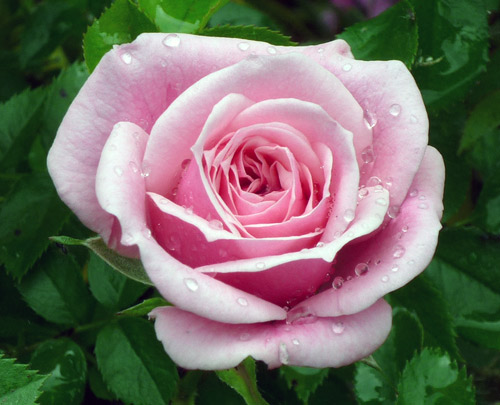
Pink Rose Dew by name and nature


Grow the Best Foxgloves

Grow the Best Foxgloves

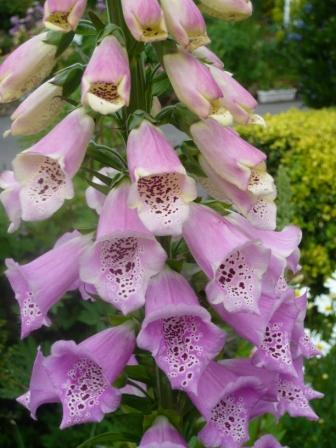
foxglove

Tips for Best Foxgloves

    • This year seems to be one of the best for growing good strong Foxgloves.
    • This traditionally coloured Foxglove growing in good soil has reached 5 feet tall and now the flower stalk is putting on more height.
    • This foxglove,  unlike most of its cousins is flowering all around the flower stalk whilst other tend to have one bare side. I will collect seed from this large specimen and sow them in September for next year as they are biennials. Do not put up with poor seed or your plant stock will deteriorate. There is a good range of seed available.
    • I have Apricot and white coloured varieties in flower at the moment but they are in poor soil and are not showing as well as the purple plant.

Read More Read More