Browsed by
Month: October 2017

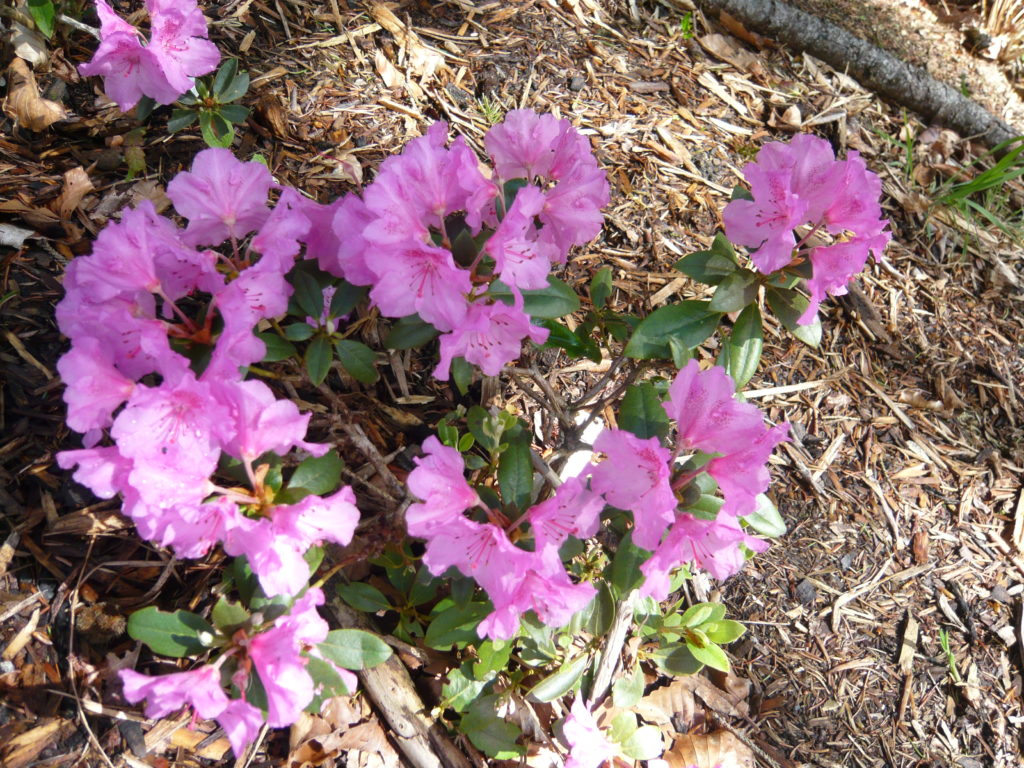
Rhododendron Birds

Rhododendron Birds

Widgeon

Rhododendron Widgeon was been beaten to a great post by Jo Hanslip on insane journal

‘The Glendoick Bird Hybrids

The Bird series of dwarf rhododendrons were developed at Glendoick Gardens, in Scotland, and are classified as Dwarf Lepidote Hybrids.

The great plant hunters Ludlow and Sherriff returned to Britain in the 1950s. George Sherriff and his wife started a garden only 50km away from Glendoick and they became great friends of the Coxes. On an early visit to their home, Ascreavie, Peter Cox spotted a dwarf yellow-flowered rhododendron species with enormous bowl-shaped flowers for the size of the plant which turned out to be … Rhododendron ludlowii.

The Sherriffs allowed Peter to take some pollen home, which he applied to R. chryseum …  In due course, the hybrid R. ‘Chikor’ was selected and named from this cross and … given an Award of Merit by the Royal Horticultural Society.

A chikor is a game bird and this started the theme of naming all dwarf lepidote hybrids after birds, another prime interest of Peter’s. From then on, several dwarf crosses were made every year with Kenneth Cox starting to make his own crosses in the early 1980s. There are now 30 Glendoick birds which are popular with gardeners and rhododendron collectors in many parts of the world.

BRAMBLING 90cm. New Glendoick hybrid with brightest pink flowers in multiple clusters in April. Fine dark foliage.
CHIFF CHAFF 60cm. Masses of creamy yellow flowers in early May. A neat bush with handsome dark foliage. One of the original bird hybrids, raised in the 1960s.
CHIKOR 30cm. Bright yellow flowers in May. The first Glendoick Bird hybrid. Compact twiggy growth. Needs cool roots & good drainage.
CRANE 75cm. Creamy-white flowers in April. Hardy, very free-flowering and easy to please. One of the best white dwarf hybrids.

Read More Read More

Persicaria Knotweeds

Persicaria Knotweeds

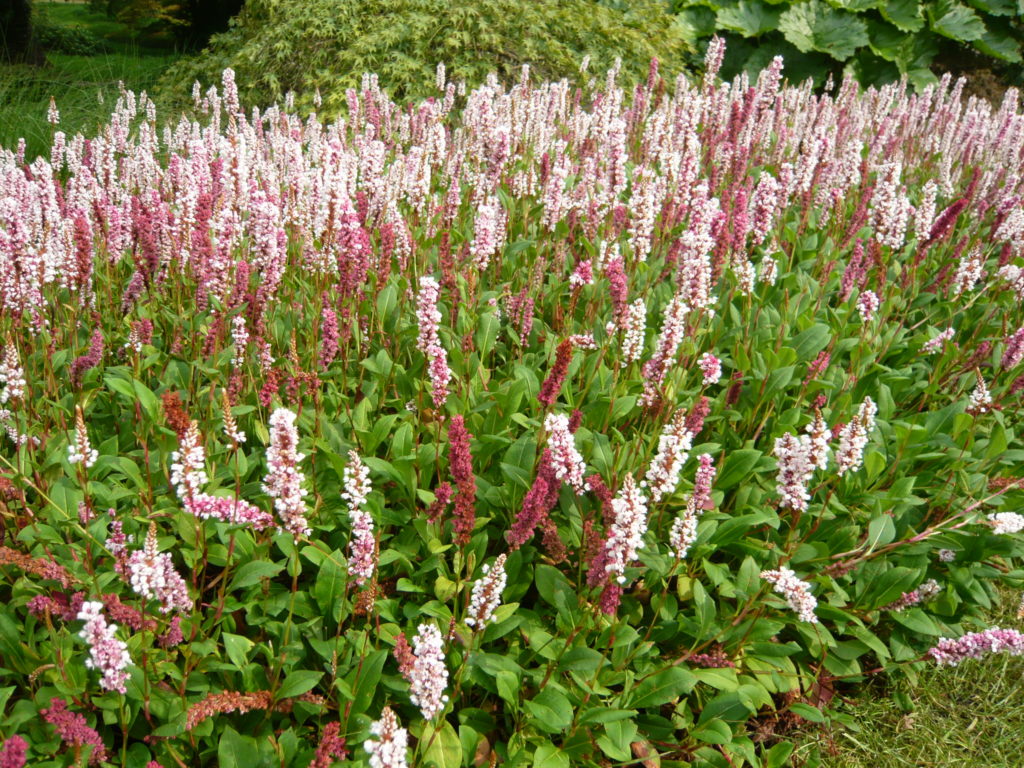
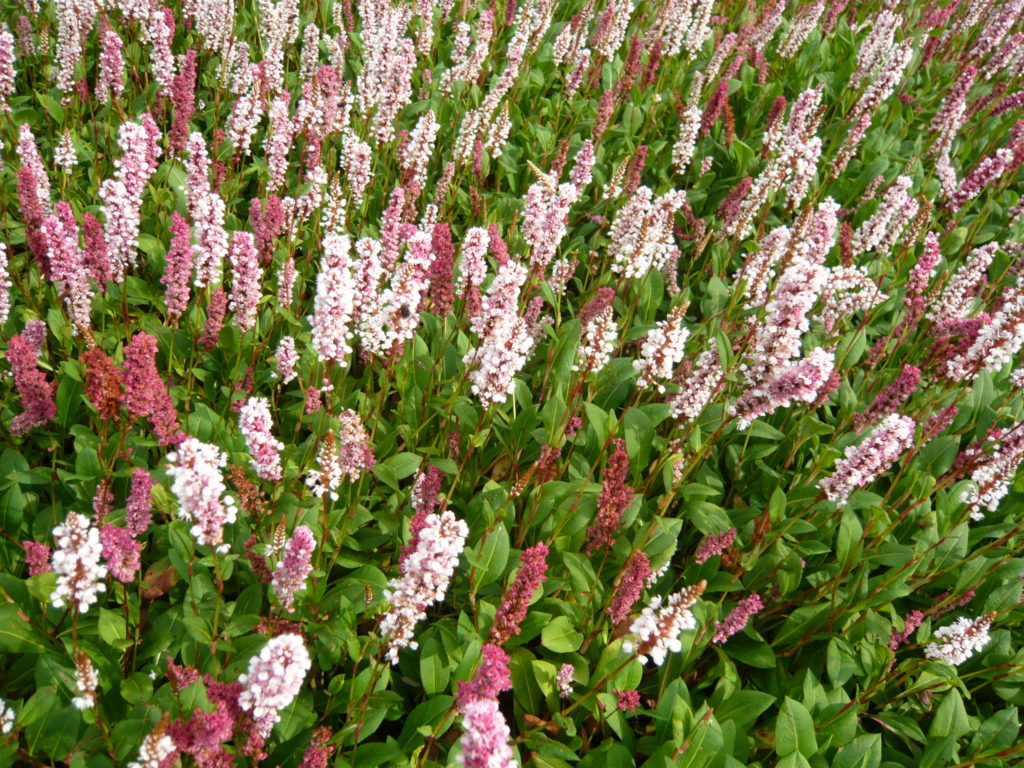
When is a weed not a weed? Well not very often if it is growing in the wrong place. If you have planted Persicaria then that is Knot a weed it is a notweed or not depending on your spelling.

Persicaria affinis aka Polygonum affine Common Name: ‘Knotweed’ flower from late summer until the frosts with spires of red, pink or white flowers held aloft as with these massed plants by the lake at Grewlthorpe.

There are over 150 species of Knotweed which get their common name from the swollen nodes on the stems.

Soil Conditioners and Conditioning

Soil Conditioners and Conditioning

Garden Chemicals

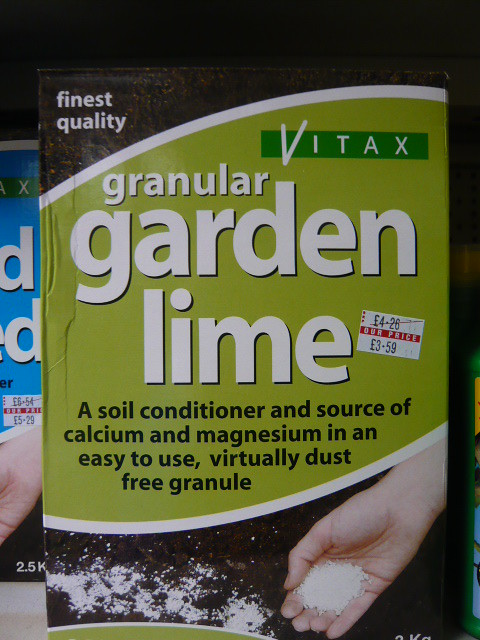
What is Garden Lime

  • I have just given a dose of lime to the areas in my veg plot that have been cleared for winter. I like to give a bit of extra magnesium to some soft fruit trees as well.
  • Often supplied as a powder of crushed limestone but also available as concentrated crystals.
  • Garden lime helps to maintain soil condition.
  • Calcium is consumed by vegetables and an extra supply is welcomed to replace calcium that has leached out of the soil by rain.
  • Lime reduces soil acidity.
  • Lime help break down heavy clay soils.

Garden Chemicals

During the summer I have occasionally fed my tomatoes with liquid seaweed fertiliser and we have had a great crop but I think most other growers had a good tomato season.

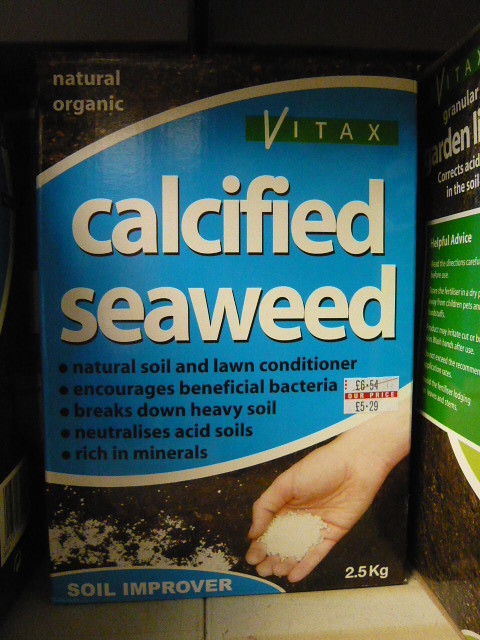
 What is Calcified Seaweed

    • Calcified seaweed is dried seaweed and lime or other calcium based salts
    • Calcified seaweed is an organic substance without any nasty chemicals. There is concern that it is no longer approved by the Soil Association for use in organic growing, due to concerns that the harvesting of this material is not sustainable and has adverse effects on the marine environment.
    • Seaweed is rich in minerals, encourages beneficial soil bacteria, helps improve heavy soil structure and neutralises acid soils.

Uses of Calcified Seaweed

    • As a soil improve and clay breaker it breaks up the heaviest clay without damaging soil pH.
    • As a compost accelerator it speeds up the breakdown of organic garden waste.
    • Seaweed adds trace elements and minerals to the soil.
    • Calcified seaweed neutralises acid soil
    • Adding seaweed is beneficial to bacteria and is used in lawn treatment.

Maxicrop Organic Cal-Sea-Feed Calcified Seaweed 6kg tub from Amazon

Food Plants for Birds

Food Plants for Birds

Selecting plants that produce seeds and berries at different times of the year can provide food of birds through the seasons.

Berries

Ivy fruits in November and can last for 6 months so it is a winter staple. The early fruiting plants include Wild Cherry & Raspberries with Hawthorn, Blackthorn, Holly, Elder, Yew, Rowan and Guelder-Rose providing berries from August.

I have a large Berberis Darwinii whose plentiful berries are devoured by Blackbirds every year. They also like sloes, rosehips and haws. The Mahonia looses its berries to some birds but I can’t see who eats them from my window and it is often too cold to sit watching.

Soft fruit and crab apples seem to appeal to a range of birds as my strawberries get pecked over as do most similar varieties if left unnetted. Cottoneaster is pecked over but Pyracatha seems to last on the shrub until spring.

Gooseberries sometimes succumb to pigeons at the flowering stage and I put this just down to badness of the pesky overfed birds.

Seeds

In the garden the most popular seeds seem to be the expensive shop bought variety put out in even more expensive feeders.

Growing the right plants can provide the seeds and nuts birds crave. Teasel and thistles would be high on any avian menu. Beech, Hazel and Silver Birch or Hornbeam would be a main course. Centaurea, Sunflower and Scabious would suit Chaffinches while Coal Tits and Siskins like conifer seed.

All that food for thought but I still put out peanuts (crushed in spring), dried meal worms for the Robin and Niger seed hoping to get Greenfinches. In winter and early spring it is fat balls that I hope to tempt the taste buds with.