Browsed by
Month: January 2017

Cuckoo Spit and The Froghopper

Cuckoo Spit and The Froghopper

It is nothing to do with birds or frogs but there is a lot of it about this year.
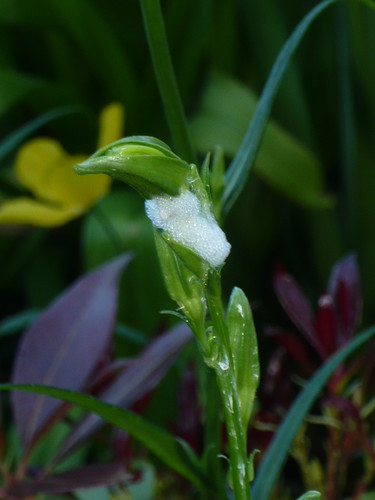
Cockoo Spit froth containing nymph of Froghopper

Cuckoo spit is the white froth found on plants in early summer. It contains and protects the grub or nymph of the Common Froghopper .
They are called Froghoppers because from above they appear frog-like, and they are able to hop significant distances when disturbed.

Problems Caused by Cuckoo Spit

  • Froghoppers are a pest known particularly to fruit-growers. They feed on plant sap which they extract from the leaves and stems of plants.
  • The grubs causes minor damage in itself, but the insects can carry viruses which can cause serious harm to crops.
  • The eggs are laid on a variety of plants including tender young shoots of Willow, Cherry, Canterbury Bells, Primulas and Apple.
  • Tender shoots and leaves can distort.
  • In gardens they are frequently encountered on such plants as chrysanthemum, dahlia, fuchsia, lavender, rosemary and rose.

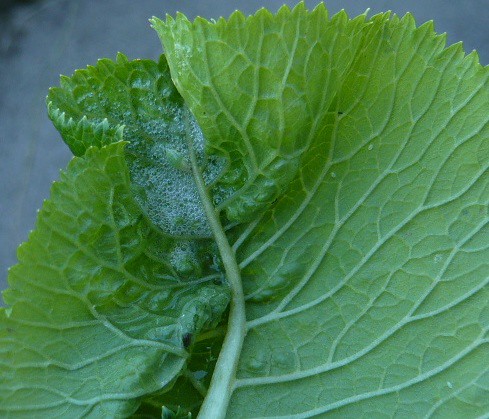
Grub on leaf

The immature light green grub can be seen in this froth on the back of this leaf which is now distorted and curling round the wound.

Treatments For Cuckoo Spit

  • Hose off the froth with water or soapy water and the grub will desiccate and die before it can lay its own eggs.

    Read More Read More

Understand Mildew in Your Garden

Understand Mildew in Your Garden

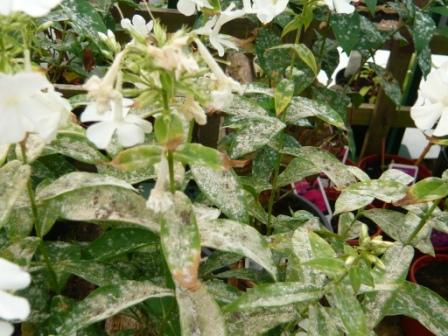
Mildew is an airborne fungus that requires wet weather and warmth to come to life. It is most visible during spring and autumn as the winter is too cold and in summer it may be too hot. The wetter spring and autumn is when the white powdery mold-like mildew shows up most.

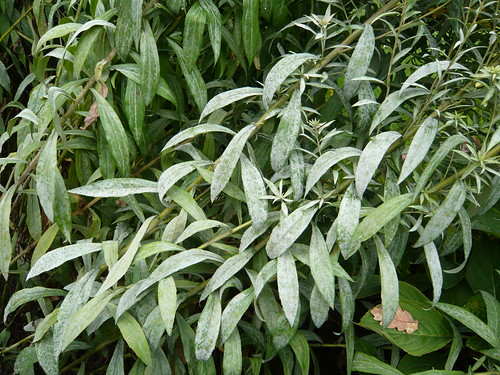
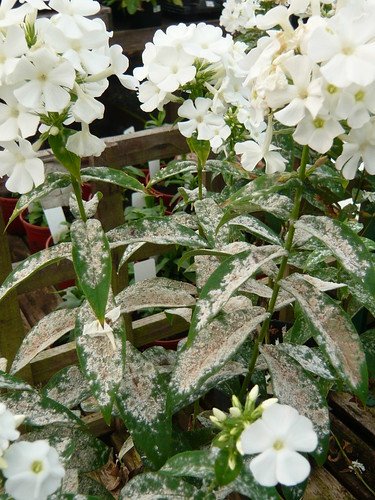
When mildew is dormant or being blown around your garden as spores it is invisible. When it has infested your plants it often shows up as a white powdery substance which are dead spores. Black mildew is seen on wood an in damp places in the home whilst yellow patches with brown furry blotches underneath affects Rhododendrons. No plants are immune although some suffer a lot worse than others, roses, gooseberries, marrows, apples, sweet peas, clematis etc.

Mildew

Tips to Control Mildew

  • It seems contrary but keep plants very well watered at the roots but do not splash the leaves.
  • Stress or lack of air circulation causes mildew to grow & thrive.
  • Mix one tablespoon baking soda with one gallon of water and spray all the plants as a contact fungicide
  • A spray made up with 10% milk and 90% water is not EU approved but is said, after trials, to be effective.
  • Look out for mildew resistant varieties.
  • Mulch when the soil contains plenty of moisture.
  • Do not plant too densely as mildew fungus loves stagnant air.
  • For severe infections, on roses for example, prune out infected parts and white patches on stems immediately. Burn or dispose of all infected debris.

Mildew
Mildew on Phlox

Effects of Mildew

Lest you think mildew is a benign substance you should be aware of some of its effects.
Corn crops can be devastated by mildew and is of major concern to farmers.
Fruit crops can become mis-shapen and unsaleable.
Severe attacks can and will kill your garden plants.

Double Flowered – Tulips

Double Flowered – Tulips

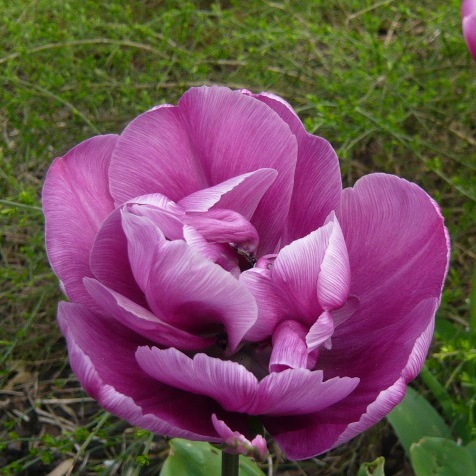
Tulips blowing gently in the breeze are a sign that summer is around the corner. If you only grow a few tulips then why not splash out on bulbs that will produce double flowers. Tulips can be planted until the end of November.

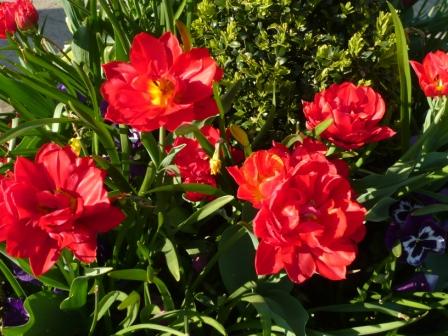
red-double-tulip

What are Double Flowers

Double flowers have more than one array of petals so the flower is fuller of petal and colour. That is not just twice the number of petals but more than one array or ring.
Usually the structure of regular flower would be compose of 4 rings; Sepals, Petals, Stamens and Pistils. Sepals are the outermost, green leaf-like organs to support flower when were young. Petals are the main organ to show a flowers appearance. Stamens and Pistils are male and female pollen. Truly Double Flowers must have all 4 rings in each flower but common parlance has more than one ring of petals as a double. Roses, Carnations, Camellia and Peonies often seen in double flowered mode.

Read More Read More

Gall Midge Cures

Gall Midge Cures

Sunflower Stem Midge Gall on Giant Sunflower

Gall midges,  Cecidomyiidae or midge gnats often affect Hemerocallis or Day Lilies.
Midges lay their eggs on the buds which then fail to develop.
The problem is caused by the midge larvae which can be 3mm long. They drop onto the soil where they overwinter as pupae and start the problem next year.

Infected buds get bloated and swell but fail to open. Each bud may contain many larvae. Buds of early-flowering varieties of Daylilies are worst affected.

Other Plants Affected by Gall Midges

      Coneflowers and sunflowers.
      Balsam but I am less worried about a cure for this gall
      Spruce
               Blueberries

Cures and Treatment for Gall Midge

  • Pick off or pinch off any infected buds and destroy.
  • Spray with Bug Clear or other insecticide. Bugs in the bud are protected by the bud so spray when midges are laying eggs.
  • Consider growing Day Lilies that flower later in the year. Gall midges lay eggs between late May and June
  • For varieties of gall that affect several other plants then the cures include good husbandry supported by chemicals for large infestations.

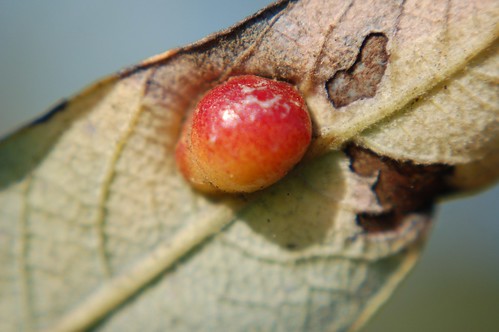
5e. Wasp gall
Photo credits
Sunflower Stem Midge Gall on Giant Sunflower by milesizz CC BY-NC-ND 2.0
5e. Wasp gall by kqedquest CC BY-NC 2.0 ‘Parasitic wasps and midges use the undersides of leaves on trees in the dune swail to lay their eggs. These egg packages, called galls, are often brightly colored and can take some interesting shapes.’

Red Spider Mite Control and Prevention

Red Spider Mite Control and Prevention

There are a lot of things to go wrong with plants in the greenhouse but a red spider mite infestation is one of the most frustrating. This tomato plant in India has had its day.

Basic Information on Red Spider Mite

  • Plants such as tomatoes, cucumbers and strawberries grown indoors in poly-tunnels or greenhouses are the most susceptible . Apple, peach and plum trees can also suffer.
  • Identifying the mites by the naked eye is difficult but the webs between plant stems often show up when watering or by evening torch light.
  • Plant damage is mainly to the leaves with light mottling, loss of colour and curled edges. This is followed by leaf fall and death or the plant.

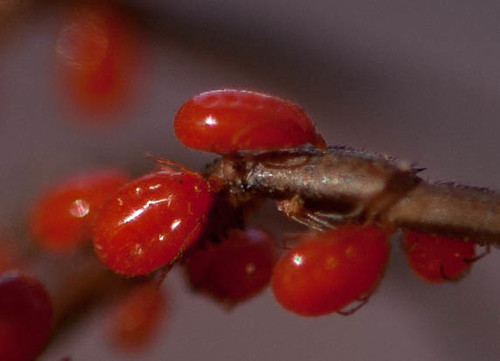
Red spider mite (Tetranychus urticae)

Organic Control of Red Spider Mite

  • Keep the atmosphere humid by misting, spraying the underside of leaves and damping down the soil to discourage development and destroy breeding sites.
  • Eliminate over wintering sites by clearing out debris and disinfecting plant pots
  • Hot dry conditions attract red spider mites so give your pot plants some fresh air outside.
  • Use a biological control which breeds faster than the red spider mite and eats them and their eggs as its staple diet. Phytoseiulus persimillis will do the job these insects die when all the mites are eaten so you need new stock each year.
  • Spider mite killer and bio-controls available from Amazon and Tozer seeds.

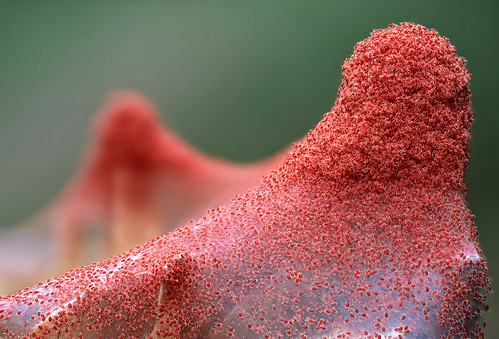
Red Spider Mite - Mitopus morio

This summer has seen a new control of red spider mites. It is called bad weather.
Credit
Red spider mite (Tetranychus urticae) by Gnilenkov Aleksey CC BY 2.0
Red Spider Mite – Mitopus morio by omarrun CC BY 2.0

50 Best Seed Merchants and Catalogues

50 Best Seed Merchants and Catalogues

Since I put this list together 7 years ago but I have now started to favour Kings Seeds (Suffolk Herbs) for my vegetables. I also get many more seeds from clubs and organisations rather than merchants.

Seed catalogues


My Regular Suppliers

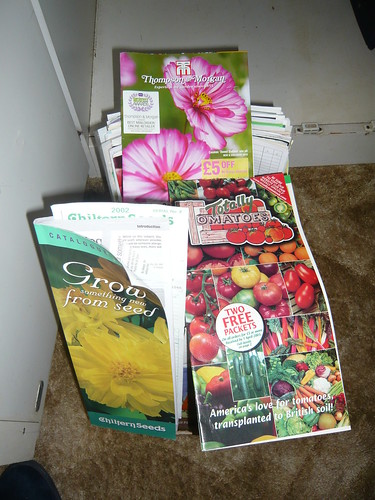
Thompson-Morgan have 2206 different packets of seeds. Their catalogue is one of the most colourful and once on their list you get regular offers. They are a good partner to Gardeners Tips and if you buy via our link we get a small commission that helps with our costs – Searchable T&M site.

Wallis Seeds have a new web site and are based in   Chelmsford Essex . I like buying by weight for some varieties that I can scatter willy-nilly so 15 gms of Calendula ‘Pacific Beauty’ and ‘Art Shades’ are on the way .

Chiltern Seeds of Ulverston Cumbria   www.chilternseeds.co.uk have  a 220 page densely packed catalogue.  They are good for providing Latin names and  flowery comments on each variety.

Vegetables Seed Suppliers

Read More Read More

Grow a Low Allergy Garden – Scent and Smell

Grow a Low Allergy Garden – Scent and Smell

Hay fever and Asthma attacks can be brought on by Scented Plants as well as pollen or Fungal Spores. Histamin problems can also be exacerbated by scent and smells in the garden.
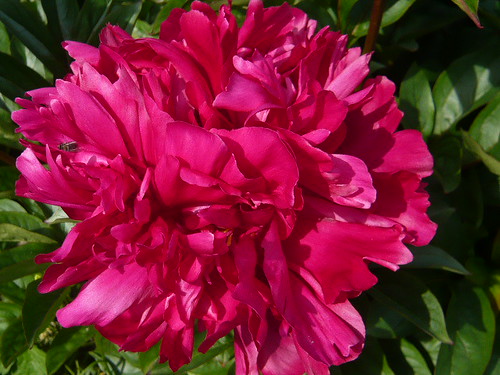
Peony

Tips to cut Spores and Fungus

  • Ferns reproduce by sending out millions of spores from under the leaves. If you suffer then do not grow any ferns.
  • Fungus and mould are common names for a large variety of mycelium like Alternaria that grow on dead and rotting plants. They reproduce by light invisible spores that are distributed in the air usually in late Summer and Autumn.
  • Reduce the concentration of spores by good husbandry, keep rotting plant matter to a minimum, don’t use bark as a mulch, dustbin infected leaves and more drastically remove hedges that collect spores
  • Compost heaps are home to fungus and ideally should be avoided if you are allergic but a closed system rather than an open pile will be better.
  • Spent mushroom compost can be an allergy disaster – don’t use it.
  • Organic compost and mulch may be a problem but coconut shell is probably one of the lower spore hosts. Compost in a closed container.

Scented Plants are generally pollinated by insects feeding on the nectar. This can include wasps and bees so if you are allergic to stings avoid such plants. Some people are sensitive to a range of smells and perfumes or just the scent of one plants such as a lily or honeysuckle and in this case choosing plants for a garden can be an issue.

  • Aromatic leaved plants like many herbs only give off a scent when brushed or crushed so it may be worth growing herbs but take care with Lavender.
  • If you are allergic to Daisies you will also potentially be allergic to Asters, Chrysanthemeum and other members of the same ‘compositae’ family.
  • Don’t sniff individual plants
  • Many double flowered varieties attract pollination by colour and have less scent.
  • Fruit attract wasps so if allergic to stings don’t grow them or have another member of the family grow them well away from windows into the house.
  • Some allergies are related to individual plants like Strawberries and Tomato so watch for individual reactions and root out offenders.
  • Deciduous trees have more pollen than evergreens.

For a short video watch
Read more about pollen in a low allergy garden

Some top tips from the Asthma society of Ireland for creating an allergy friendly garden include;

1. Choose plants that are pollinated by bees, the pollen is heavier and sticky and therefore stays on the bees rather than floating around the garden.
2. Avoid wind pollinated plants which disperse copious amounts of pollen into the air.
3. Avoid plants which are intensely fragrant as they can be a trigger for allergies and asthma.
4. Choose female plants, as they produce no pollen. Sterile male plants are also a good choice.
5. Grass is a major pollen producer so mow your lawn regularly, before it flowers.
6. Wear a mask when mowing lawn or trimming hedge.
7. If possible replace your lawn with gravel
8. Replace organic mulches with inorganic mulches
9. Avoid ornamental grasses in your planting schemes.
10. Remove hedges which harbour dust, pollen grains and mould spores which can trigger asthma and allergy symptoms.
Allergic to Scented Plants?

Allergic to Scented Plants?

Allergies can be exacerbated by plants just ask a hayfever sufferer. Pollen and strong scent often combine together and beware of allergic reactions to your garden plants.

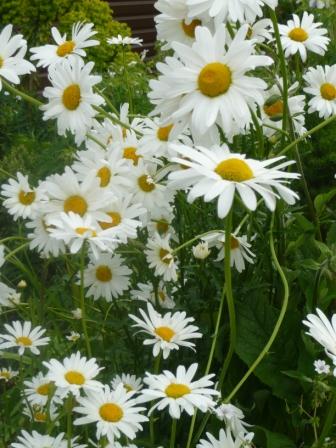
leucanthemum-daisy

Plants to be Wary Of

Asthma sufferers often complain that it is the scented garden plants that bring out the condition.
Generally it is the heavily fragrant flowers but sometimes it is a single species such as Honeysuckle that cause the problem.
Lilies like the Lilium Regale are one of the best scented flowers but one of the worst culprits for allergies.
The Dianthus family of Carnations, Sweet Williams and Pinks with a spicy scent are known to bring on hay fever.
Although generally unscented, many flowers from the Asteraceae or Daisy family seem to be allergenically toxic to many people. If you suffer then it is best to exclude members of this large family including Asters, Chrysanthemums, Marigolds and other similar looking flowers.
Avoid ornamental grasses heavy in pollen.

Carnation

Top Low Allergy Flowers

  • Aromatic plants which smell due to essential oils are less likely to cause some allergies but if you are very sensitive it is best to avoid Herbs, Lavender and Eucalyptus. Or at least do not inhale bruised leaves.
  • Winter heather Erica Carnea in white and pink can look stunning from Autumn through winter.
  • Geraniums such as the perennial cranesbill, Johnsons Blue is my favourite.
  • Climbing roses can be a problem but Iceberg has a low level of scent and I have seen Handel and Rambling Rector also recommended.
  • Fuchsia magellanica are available in many varieties
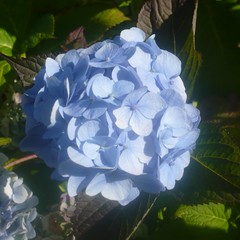
  • Hydrangea macrophylla including cultivars  Ayesha, and Madame Emille Mouillere plus Lacecap varieties give you a wide choice of large flowerheads.
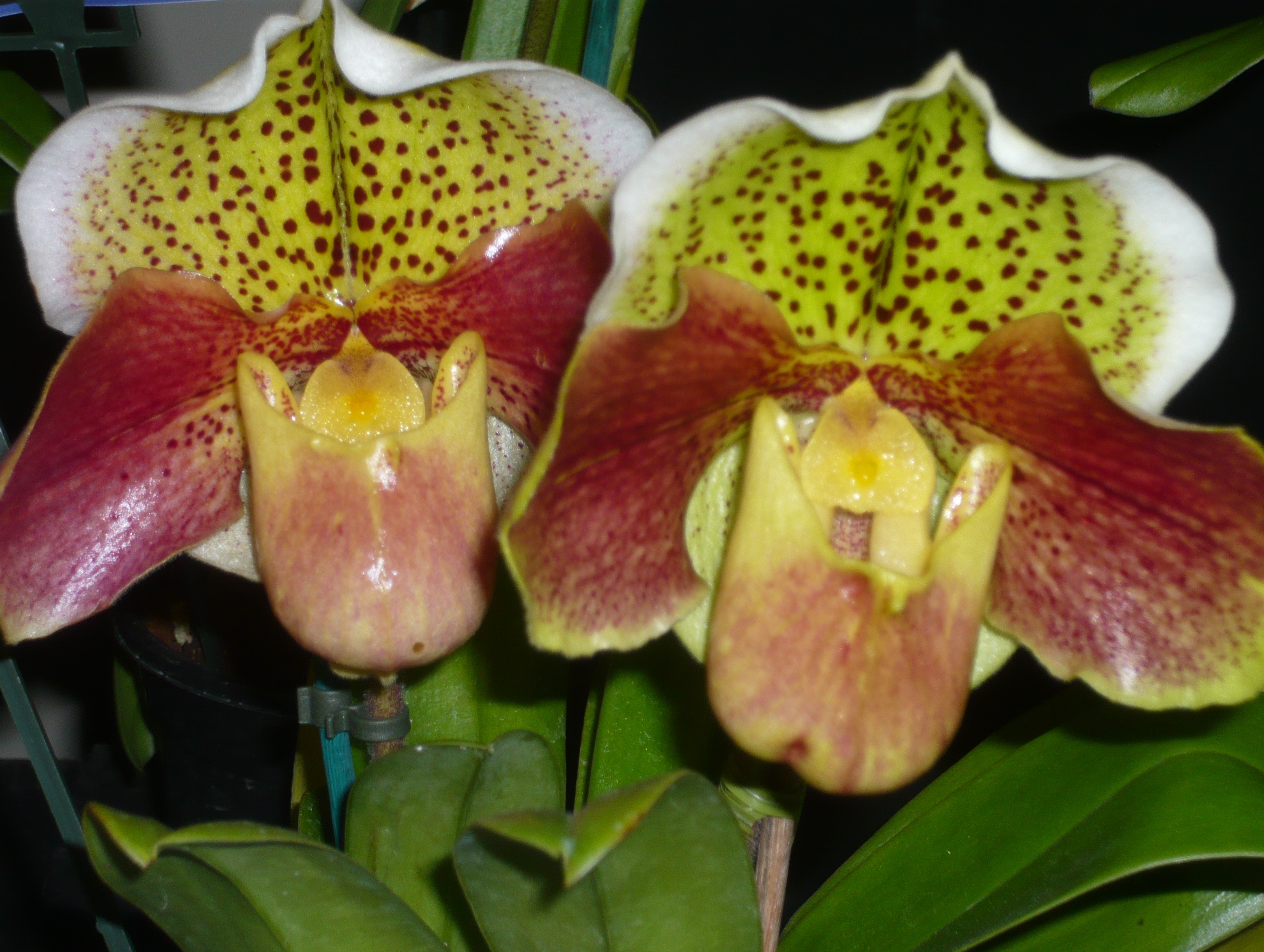
  • Orchids as houseplants have cause allergic reaction.

Todmorden 055

Allergic advice from Thompson Morgan
If you have hay fever, asthma or severe allergies, you should avoid eating flowers of the daisy family because they could trigger an allergic reaction. Take care when choosing a location for mushroom growing as some people are allergic to mushrooms or mushroom spores and others may become sensitised by high concentrations of spores.

Top Tips for Growing in Pots

Top Tips for Growing in Pots

Sedum bootimus-Don’t judge the results by the crop you harvest but by the seeds you sow

Ten Tips for Growing in Pots and Containers

  1. Terracotta is a sympathetic choice for containers in your garden. They are also porous and let in air and allow plant roots to cool through evaporation.
  2. Try several pots of the same size and or shape in a group (I like ‘long tom’ pots). Planted with Agrostis Cloud grass will create a real impact.
  3. Exotics like Banana plants look shapely and they can be moved, pot and all into shelter or wrapped for winter protection.
  4. Keep a sense of balance between the needs of your container plants. They need water, food and light but not an excess of any one feature. The pot is a micro environment that needs regular care such as watering / drainage, fertilizer and shelter.
  5. Trailing plants will benefit from a bit of training in  the right direction.  Pinch out rampant plants and those you want to branch. Pick off faded flowers.
  6. Constant watering can wash out nutrients so give a weekly liquid feed.
  7. Mix plants of different colours, textures, habits and heights. Variegated plants and scented plants often work well.
  8. Locate the pot carefully as the aesthetic of the base and pot combination can be important. A gravel or coloured chipping base can be very effective.
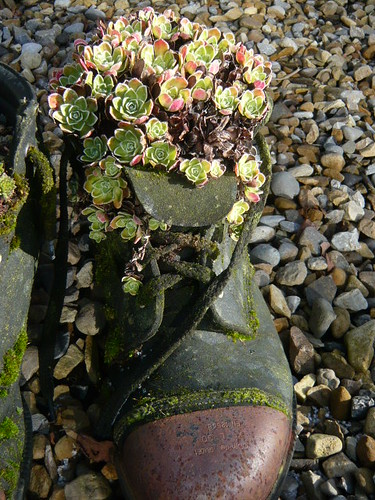
  9. Do not be too conventional with the container. In addition to the old gardeners boot (above) I have seen a wheel barrow planted with courgettes and fire buckets (with holes) used for displays. Use your artistic skills like many container on the top of barges that are brightly painted.
  10. Choose appropriate plants. Below is a second top ten of plants you may want to try in pots.

Top Ten Plants for Outdoor Pots

  1. Clematis cartmanii ‘Joe’ is a white, spring flowering trailer that can be tied to an upright. Try it with blue Crocus or Muscari.

Read More Read More

Colourful Rudbeckia

Colourful Rudbeckia

rudbeckia

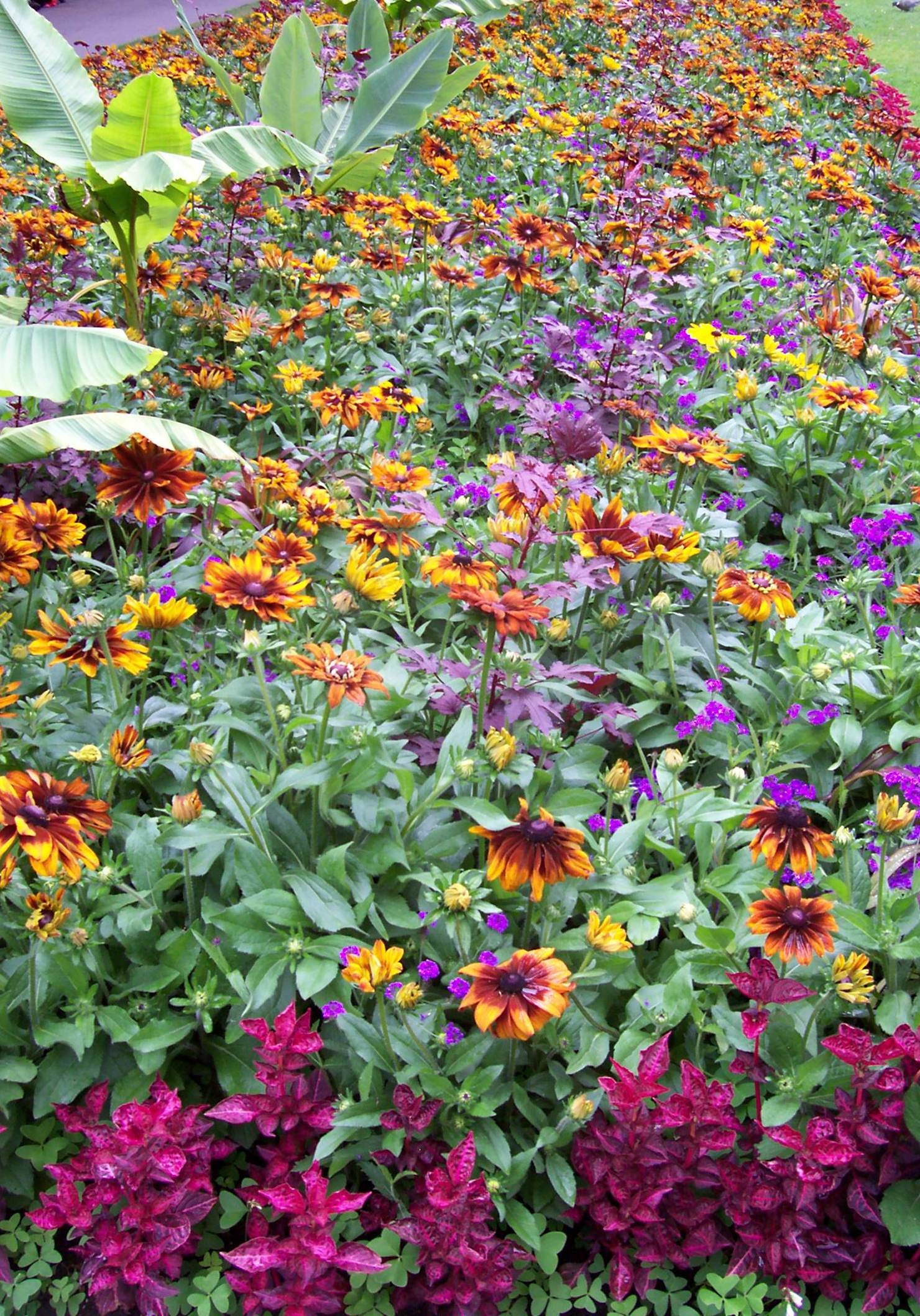
I am never all that confident about mixing such strong colours in my garden. Needless to say therefore this picture was taken in a public park on the Victoria Embankment Garden. I was chased off the grass before I could get a better picture.

The tropical leaves provide green relief from the purples, reds and hot yellows. Somehow I am not convinced that this colour scheme would fit in my Northern garden.

The Rubeckia hardy perennials do grow with other members of the Compositea clan in my garden. Although many varieties like the Rudbeckia hirtas are recommended as half hardy annuals.

The AGM goes to the Rudbeckia speciosa for its large yellow flowers with a black centre and Rudbeckia triloba Brown Eyed Susan.