Browsed by
Month: January 2014

How To Grow Giant Parsnips

How To Grow Giant Parsnips

Root out some fresh seed for good parsnips.

Roasted Root Vegetables

Tips on How to Grow Giant Parsnips

Parsnips are one of my favourite vegetables with that hint of sweetness. It has taken some effort to get good crops as I have tended to sow the seed too early. Perhaps I need to take my own tips below more to heart

Home grown Parsnips

  • Sowing can be done in spring from February to May.
  • Parsnip seedlings are very hardy but seeds need some help to germinate. If sown early, cover with a cloche or wait until the soil is a bit warmer.
  • The seed may benefit from a week in the fridge to break dormancy.
  • Parsnip seed needs to be fresh and I have had failures from seed kept for another year.
  • To get unforked well shaped parsnips sow in situ, don’t transplant and avoid stony ground
  • Sow radishes near the parsnip rows so you know where they are but when picking them dust with insecticide powder to discourage celery root fly.
  • I have to tolerate a bit of canker (brown on the top and skin) but there are some resistant varieties

For the allotment or competition grower there are some different tips and tricks or the trade. In his book ‘How to Grow Giant Vegetables’ (ISBN 00-412771-4) Bernard Lavery offers two types of ‘giant’ – Parsnips for Weight and Parsnips for Length. If you want a world record you will be looking for a 15 foot parsnip but you can have fun for your local show using these tips.

Giant Tips or big tips for Giants
Read More Read More

Goodness Gracious Great Cloves of Garlic

Goodness Gracious Great Cloves of Garlic

garlic

Tips for Growing Big Garlic

The Garlic plant (Allium Sativum) likes a light soil and a position in full sun. The cloves or offsets should be planted individually. A soil that has been manured for a previous crop is OK. Planted in October it will be ready for lifting in August when the tops go yellow. Planted in march it will be ready in October.

  • To get one big clove of garlic instead of several smaller ones plant the cloves in March. Otherwise plant in October early November.
  • Plant garlic cloves under roses – it helps with the scent of the roses and gives you more space in the vegetable garden.
  • Start off the cloves in 3” pots and plant out on May 6-8” apart
  • Grow the Garlic in a large pot in the sun and give it TLC.
  • Rake in fish blood and bone just before planting and dress with sulphur and nitrogen fertiliser in spring

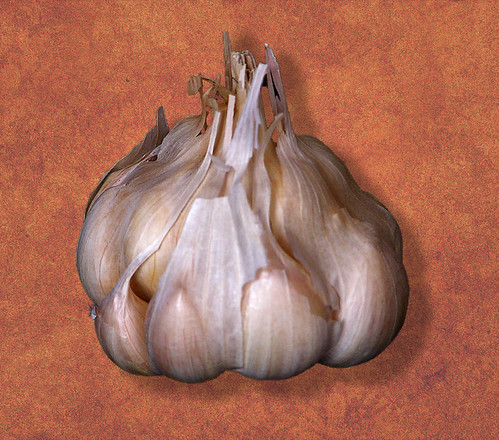
Artichoke garlic tends to have fewer but larger cloves and a milder flavour. The artichoke garlic bulb skins are coarser than those of silverskins and sometimes have purple blotches

Don’t grow garlic in the same place year on year

Try Elephant garlic (allium ampeloprasum)one of several varieties now available. ‘The plant itself is a splendid addition to any herbaceous border or garden bed, producing a flowering head 5ft tall. Each bulb is approximately 5-6 inches across, harvested in July. Excellent for Roasting – Very impressive and less pungent.http://www.thegarlicfarm.co.uk/garlicabout.asp ’

The French, Italians and good cooks love garlic and it is not a hard vegetable to grow.
Top Tricks to Get Good Garlic

Start with good quality cloves of a variety that is appropriate for your taste and location. Here is our top ten selection.
The outer cloves give the best new plants. Use the inner cloves for cooking.
Keep Garlic plants well watered, it is a misconception that they like it hot and dry.
Add Sulphate of potash to encourage root (bulb) growth rather than fertilising for more leaves.
For big bulbs with a mild flavour try some Elephant Garlic.

Planting to Grow Great Garlic

Read More Read More

10 Quick Gardening Tips

10 Quick Gardening Tips

Some plants ward off insects from more delicate plants.

Menston taggets

  1. It pays to think ahead for the garden. Wallflower seeds should be sown in June or July for the next spring –
  2. Deadhead plants that have flowered
  3. Occasionally water your plants with a solution of seaweed extract as a plant tonic and water newly sown seeds with a dilute solution as it helps germination
  4. After a prolonged rainy spell mulch your plants leaving a saucer effect to collect more water
  5. Water African violets and cape primroses from the bottom by placing pots in a shallow bowl to take up the water they need.
  6. With the increase in cost of all fuel plan what heat you need in the greenhouse this winter. hardier plants may survive in a cold greenhouse whilst tender plants may be over wintered in the house.
  7. If you have an unsightly boundary fence turn it into a ‘Fedge’. Weave Forsythia, Winter Jasmin and or Variagated Ivy (hedera canariensis) between the fence posts and palisades and get your cross between a hedge and a fence.
  8. For an aromatic low hedge try Rosemary the scent from which also confuses the carrot root fly
  9. Grow horseradish in drainpipes inserted vertically into the ground to get straight roots
  10. Your salads can be perked up with the thinning from salad crops and onions or leaves of other plants like the peppery taste of Nasturtium leaves

London  jan 13

feed the birds by all means but draw the line at Geese.

Use Shrubs for Lower Maintenance

Use Shrubs for Lower Maintenance

It is no surprise that annuals need replacing every year. Shrubs are great for lowering the amount of maintenance needed in your garden. Big shrubs can cover larger areas and need very little care and maintenance.
Rhododendron
Rhododendrons can have a wide spreading habit over may yards or the smaller varieties will suppress other plants in a smaller bed.

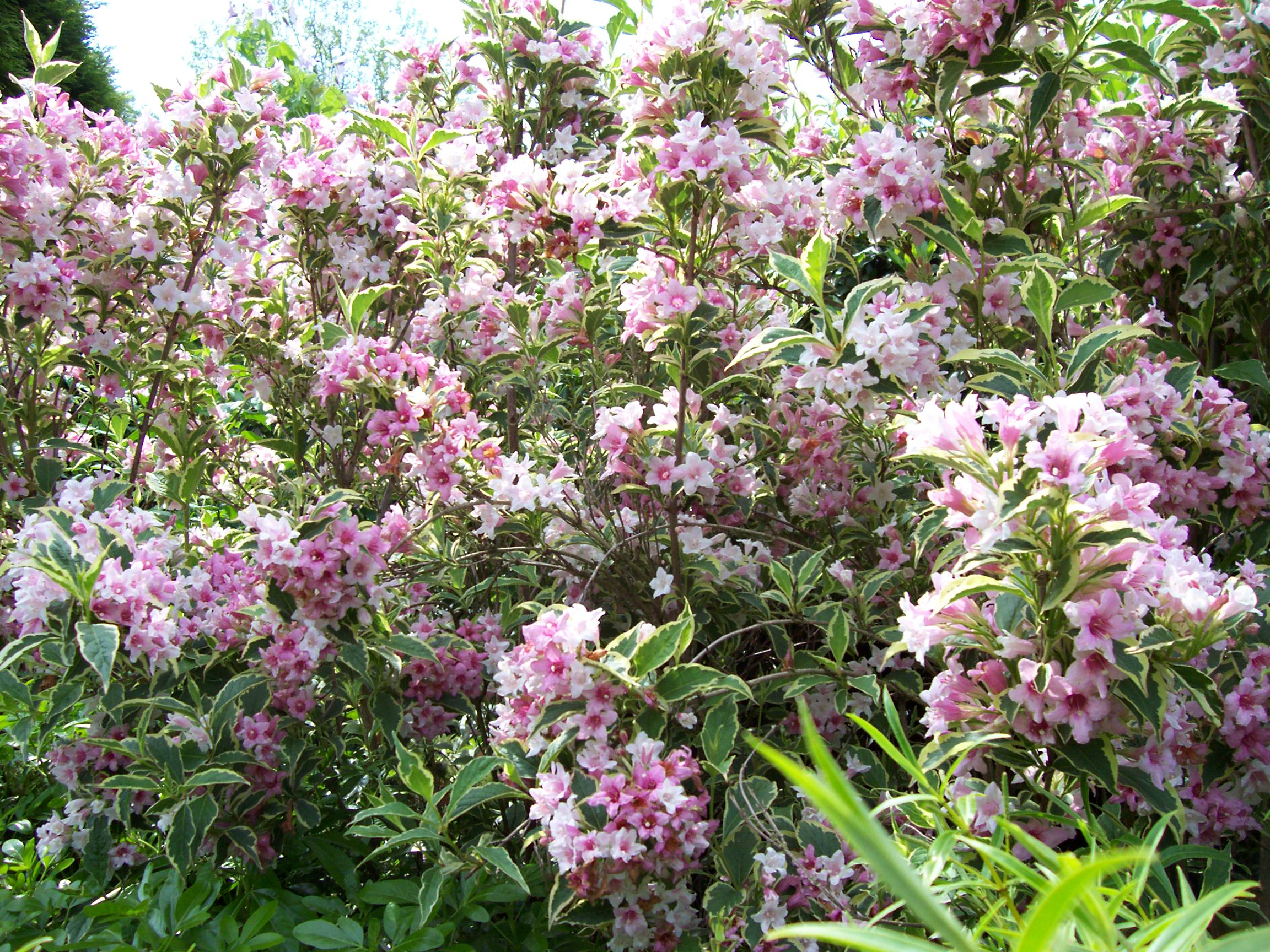
Weigelia Varigata

This shrub grows over six feet high and covers a four foot circumference. When in full flower it is very striking and the variegated leaves have interest through summer. It is easy to propagate from 12 inch long cuttings of semi ripe wood and it is a rapid grower reaching good proportions in two years. Other varieties like Bristol Ruby forsake variegated leaves for very strong coloured flowers in June and July with a late show if you cut off the old flowers but for low maintenance don’t bother.

Varigated Weigelia in the sun

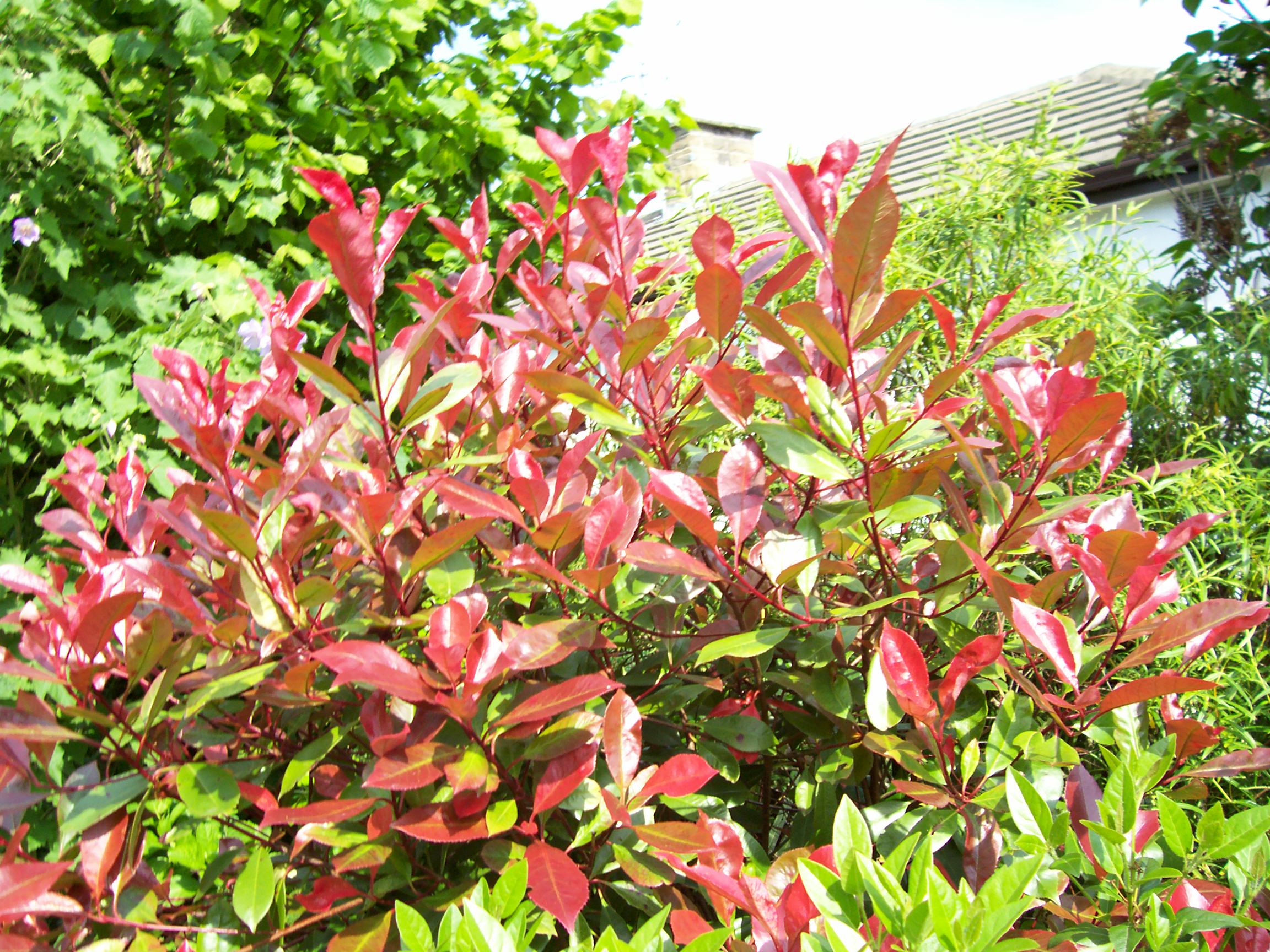
Photinia Red Robin

This is a shrub that can be left to develop or trained up a single stem. It is part of a family of Photinias that include small trees. For this variety of Photinia fraseri five feet is a reasonable size but it will continue to grow to a hight and spread to 10 feet. The shiny evergreen leaves are bright red in spring and apart from the danger of a bit of frost to the new leaves the shrubs are hardy. Again I don’t prune my photinia but when it gets to large i will cut it back which will encourage more red leaves at the expense of flowers

Two year old Photinia

Bean Types to Grow in the UK

Bean Types to Grow in the UK

Human beans do not come in a can or seed packet but lots of species and varieties of beans do.
Mung moth and even peanuts are types of bean but stick to the good old British favourites below

  1. Broad Beans are ready to pick from early sowings in March. These flowers on the later sowing of Witkiem Manita variety will soon be podding up and be ready to pick. Acquadulche takes some beating with Express for those who plant late.
  2. Runner Beans are now 4 -5 feet up the support canes and the lower flower trusses are in bloom. Roll on the first picking which I hope to collect whilst they are small and tender. This summer I have not yet needed to water the ‘Runners’ but if we have a dry August it will be water that keeps them cropping. White Lady can be a good doer as are Lady Di, Desiree and White Lady. Painted lady is an heirloom variety worth a shot.
  3. Read More Read More

Young Broad Beans Make a Salad

Young Broad Beans Make a Salad

Our family have a saying that ‘broad beans make a salad’. We like the young tender beans raw in salads even more than we like them cooked.

Spring is a good time to plant broad beans and young plants are appearing at retailers so try some now. These stubby 2-3″ high plants can be planted out in rows or blocks for an early crop. It is still a good time to sow beans for continuity and they will even catch up many of the plants.

  • The trick with broad beans is to pick them and eat them young. By the time the part of the bean attaching it to the pod goes black the bean is old, the sugar has gone starchy and the bean is chewy and the kids won’t want to eat them.
  • Pick them whilst the bean is still growing and they will be sweet and tender with soft skins.
  • Read More Read More

Growing Calceolaria (Lady’s Purse)

Growing Calceolaria (Lady’s Purse)

I have done OK growing Calceolaria from seed but have then killed them off after flowering. Must try harder as my teachers used to say.

Calceolaria Walter Shrimpton

This Calceolaria is growing in a plunge bed of gravel inside a large  alpine house. The variety is called Walter Shrimpton and as you can see it is very floriferous given the right conditions.

Our local nursery has just started to sell plants of Calceolaria Sunset Red and Sunset Orange and I have bought a plant to try. It is not yet in flower so I hope it lives upto the Orange tag. Previously I have tried growing these plants from seed but I have been careless with the very fine seed and had only the success I deserve i.e. nil!.

Calceolaria Facts and Cultivation

  • Calceolaria originate from South America and are generally bushy perennial plant that grows 12″ tall.
  • The distinguishing and most attractive feature is the slipper like flowers blooming on short stems.
  • The leaves are soft, fleshy and often grey-green.
  • Read More Read More

Grow Colourful Gloxinia as Houseplants

Grow Colourful Gloxinia as Houseplants

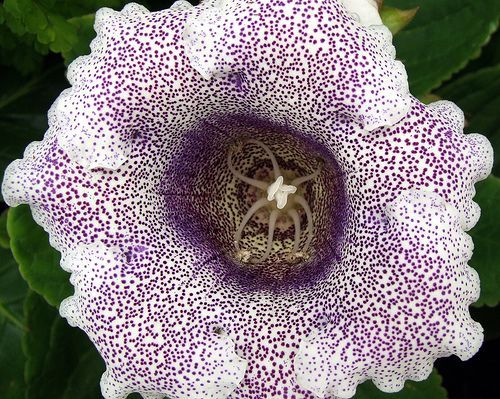
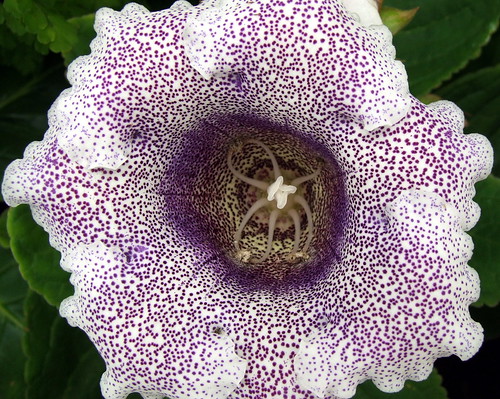
Gloxinia are showy house and greenhouse plants in a range of bright colours. I have just purchased 3 tubers and hope for different colours. They will brighten up my range of houseplants flowering in about 10 weeks. Until they flower I won’t know so I borrowed this photograph from a specialist nursery.

Spotted Gloxinia

Tips on Growing Gloxinia

  • Tubers or corms may be found under the name Sinningia speciosa or Gloxinia and are part of the Gesneriaceae family that includes African Violets.
  • Plant shallowly in good compost with the buds facing upwards, this is usually the concave side like begonias.
  • Water the compost with warm water from the bottom to stop the tuber rotting and keep the atmosphere humid without getting the leaves or flowers wet or they will be stained with brown blotches.
  • Gloxinia like plenty of bright light without direct burning sun. If the furry leaves elongate it is a sign they need more light. Do not expose to direct mid-day sun as the leaves are liable to become scorched.
  • Gloxinia also like a temperature above 60º when in growth but will give flowers for 6-8 weeks in return for your trouble
  • Plastic pots are fine but I add some grit or perlite to help avoid water logging.
  • Feed with half strength liquide fertiliser
  • Use insecticide at the first hint of mealy bugs.
  • Read More Read More

Chirita a Houseplant with a Future

Chirita a Houseplant with a Future

Was I too early in recommending Chirita plants of the future a couple of years ago?

Primulina tamiana

If you have tried Cape Primroses, also called Streptocarpus, then you may also want to try the cousin Chirita. They have hairy leaves similar to African violets and flowers that are similar Streptocarpus.

Gesneriaceae species include: Cyrtandra, Didymocarpus, Streptocarpus, Alloplectus, Achimenes, Chirita, Henckelia, Gasteranthus, Sinningia, Kohleria. There is still no definitive text in English.

What is a Chirita

  • Chirita belong to the little know Gesneriad family but contains 150 Chirita species. Some are now being classified as Primulina tamiana
  • Chiritas can be acquired from the specialist www.dibleys.com They also produce an excellent compact A5 plant catalogue
  • Propagation is easy from leaf cuttings in an equal mixture of compost and vermiculite, pearlite or sharp sand.
  • Keep plants out of direct sunlight, a north facing windowsill or porch is ideal
  • Plants can stay in the same pot for several years if they are give a regular week feed.
  • Keep plants a bit on the dry side and treat like African violets
  • Chirita Akiro like several varieties has interesting leaves
  • For small neat pure white Chirita taminiana is well recommended
  • For larger flowers try C. Keiko shown below with up to 25 two inch flowers from

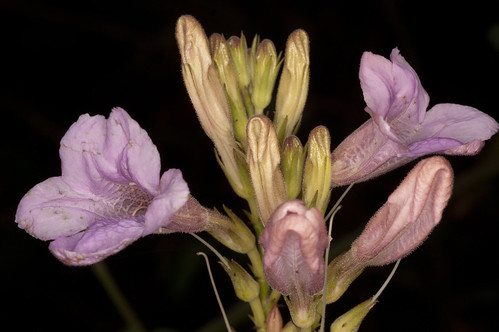
2012_90 Chirita sp.

Read More Read More

Coloured Leaves on Begonia Rex Houseplants

Coloured Leaves on Begonia Rex Houseplants

What makes you think I like Begonias?

red begonia rex

This Begonia Rex is grown for its strongly coloured foliage and the spikes of light blue/white flowers are inconsequential. They can be propagated by leaf cutting, rooting in water or perlite. As house plants begonias like high humidity. There are many interesting Hybrid Begonias with red leaves and they do look a bit different when massed in the garden or grown indoors as a house plant.

Begonia Rex varieties

Read More Read More