Browsed by
Month: December 2012

Growing Chusan Palm

Growing Chusan Palm

Do not get palmed off with an inferior plant. Nor do you need a desert oasis as even in your conservatory or garden this Chusan Palm will spread umbrella like shredded leaves over a fair sized area.

Adle

Trachycarpus fortunei or the Chusan palm can grow and flower in the UK.  They are hardy down to -10° C and tolerate our cool summers. For this reason they are popular plants even growing  as far north as Scotland.

Growing Chusan Palm

  • Chusan Palm, Trachycarpus fortunei is also called Chinese Windmill Palm or Chamaerops fortunei. You may find them for sale as Takil or Nanus varieties.
  • These palms have been cultivated for centuries in China and true varieties vary considerably.
  • The leaves are fan shaped and so strong they are used for making ropes, sacks, and other coarse cloth in Japan and China.
  • Chusan Palm grow 6-10″ a year under optimum conditions.
  • Chusan Palm grow to 35′ tall, flower yellow and the fruit is a red to blue-black.
  • Individual trunks are slim and covered with old leaf stumps and dark-brown fibres. Cut off leaves to give a more attractive smooth-stemmed palm.
  • AGM status has been awarded to Trachycarpus fortunei

I am looking for a photograph of the kidney shaped fruit .

Currently we will have to settle for this alternative photograph.

Madiera mch11 479

Chamaerops fortunei

Growing Variegated Leaves

Growing Variegated Leaves

gera

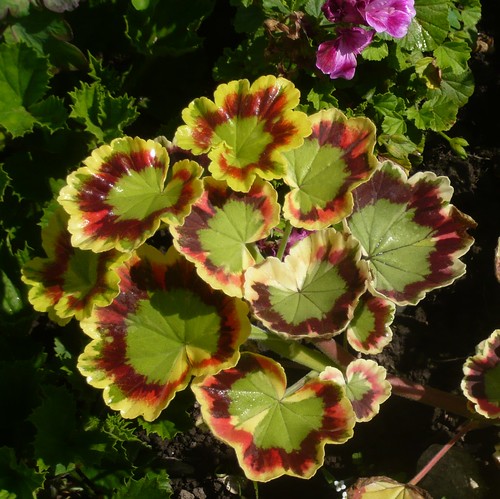
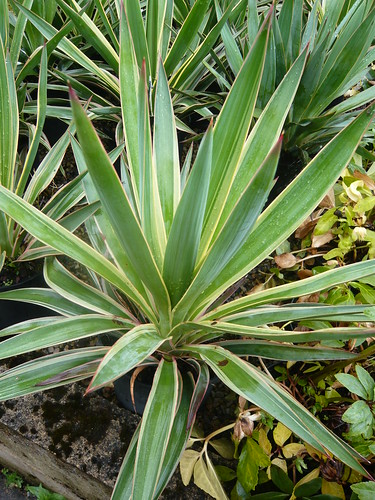
Variegated Leaves can be the most attractive feature of a garden or houseplant.
Colour schemes vary and there is likely to be a colour combination that pleases most gardeners.

020

Gardeners Tips for Growing Variegated Leaved Plants

  • Consider the light when planting. Many colours can get ‘burned out’ by strong sunshine.
  • If you are growing for leaf colour rather than flower you need good roots and then a nitrogen based fertilizer.
  • I have a semi-shaded area just for variegated plants.
  • Often the flowers suffer on these plants as they compete for attention and scarce resources. The bi-coloured phlox or Hydrangeas are an example.

Book Cover
Extraordinary Leaves from amazon.

Read More Read More

Lovage a tall Perennial Herb

Lovage a tall Perennial Herb

LOVAGE

What is Lovage?

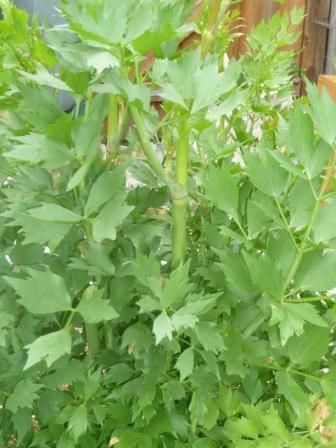
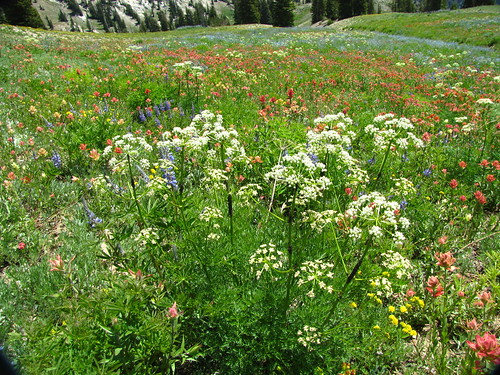
Lovage is a long lived herbaceous perennial herb that grows up to 4-6 feet tall.
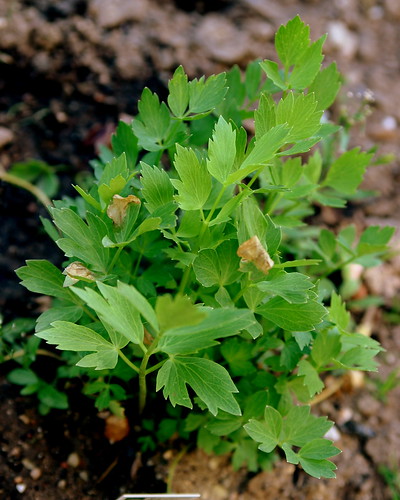
The leaves are a grey green and architectural in appearance.
Lovage flowers yellow in an ‘Umbel’ and the seeds that follow can also be eaten or used in bread or as a spice.

Uses for Lovage

Lovage has a distinct aroma similar to celery but with Indian spice notes.
All parts of Lovage can be eaten and the stems can be used as you would celery.
Lovage is made into a wine liqueur and in soups, stews or as a roast vegetable.
Lovage is believed to have medicinal properties for sore throats.

Cropping Lovage

A healthy Lovage (Levisticum officinale) plant can spread in a clump 3 feet wide and such a plant needs space perhaps at the back of a border. One plant can provide all the leaves and stems a family would need. If leaves are the main requirement give the plant the ‘Chelsea Chop’ and cut down flowering stems before they blossom so encouraging new leafy growth.

Growing Lovage

Grow Lovage from seed or root divisions from an existing plant. 
They like plenty of water and space to grow.
Lovage prefers a sunny position.

Lovage - Liebstöckel
Photo credits
LOVAGE by Fool-On-The-Hill CC BY-NC 2.0

Lovage – Liebstöckel by yashima CC BY-SA 2.0