Browsed by
Month: September 2011

How To Take Cuttings for Big Shrubs

How To Take Cuttings for Big Shrubs

Forget 6 inch cuttings, for bigger shrubs use bigger cuttings. Giant cuttings of 18-36 inches may be worthwhile on the following:- Cistus, Euonymous, Hebe, Leycesteria, Weigelia, Pyracantha or Kerria japonica. I have a friend who excels with Roses taken this way.
Also read Gardeners tips Taking cuttings for beginners

Proceedure for Cuttings

  • Water the host plant well the evening before taking cuttings.
  • Take cutting early in the day, keep out of the sun and spray with water to minimise wilting.
  • Select a shoot with plenty of new growth. Cut it off cleanly at the base where it comes from a branch or cut below a swelling leaf node instead.
  • Remove any flowers, lower leaves and soft tips by pinching out
  • If the cutting has a woody bark remove a sliver an inch long to aid rooting.
  • Have available one litre pots full of a free draining mix of grit and multipurpose compost.
  • Dip the end of the cutting in fresh hormone rooting compound, such as Murphy’s, plant and water in
  • Place in a humid environment eg. a plastic bag over the pot supported by canes, so leaves don’t touch the sides, and tied with a rubber band.
  • Keep in a shady spot removing dead leaves regularly.
  • In about 5-6 weeks, when rooted, acclimatise to outside conditions and overwinter in a sheltered spot
  • Plant out in March

Climber Cutting Tips

Read More Read More

Local Show Tips

Local Show Tips

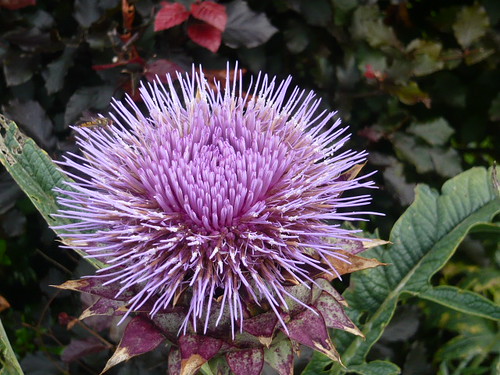
Cynara cardunculus

I entered 10 classes in our village show including a vase of flowers with these Cynar cardunculus. The rules were to have a minimum of three varieties so I included some Sedum and Buddleia to give an Autumn feel to the vase. On the ‘basis of less is more’ I threw away a lot of flowers I had taken but didn’t use. I ended up with a second prize to a marvelous display of umpteen varieties in an airy display.

Local Show Tips on Time

  • Arrive for benching within the stipulated hours and remember it will take you longer than you expect. It gets just as rushed as Chelsea even for your village show.
  • Allow time for tweaking your exhibits, turning to best advantage and cleaning around your exhibit.
  • Judging will be at a set time when everyone had to leave the hall and our show opened to visitors in the afternoon.
  • Speeches, raffles and prize giving took up ‘gardening time’ towards the end of the show before the uncollected exhibits were auctioned off.

Local Show Tips – Presentation

  • Standard vases were provided for floral displays but fruit, vegetables and potted plants used your own imagination.
  • Onions were displayed on sand or rings except some giants that stood out on there own.
  • I entered 3 fruit classes and stood the apples on squares of white paper. I left the natural ‘bloom’ on the apples and came second, again, to some highly polished smaller fruit. (What to do next year?)
  • Several exhibits were mounted on doilies which probably says something about the age of our village. (Seriously with lots of classes for children there were lots of young villagers around.)
  • The best tip I have is aim for zero imperfections, a good small one will beat a big imperfect specimen.
  • Keep the exhibit clean and tidy using only black or white presentation aids.

Local Show Tip – Keep Too Schedule

  • Read the schedule if it says 5 items they do not mean 4 or 6, even if you think it looks better.
  • Make sure you are in the right class and leave the correct marker. We are give a reference ticket to leave under our exhibit so the judges do not know whose entry they are judging but can get a subsequent reference back.
  • I may have been disqualified in the french bean class when I entered flat pole beans, anyway they were nowhere near good enough.

End of the Show

  • I may not have thanked the organisers and volunteers adequately at the Menston 2011 Show so I do so now.
  • Our show will donate the proceeds to the Royal British Legion 90th anniversary appeal. They had a stand, bunting and poppies on display
  • Local shows are for fun and it is the taking part rather than the winning.
  • However you can get a first by being the only entry in a class or in my case by being lucky on one entry. ( not my Pelargoniums or Fuchsias unfortunately)

11.11.Poppies

Read more about Growing Show Gladioli and Show Shallots.

Check out Giant Pumpkin Growing Tips
Budget Busting Gardeners Tips

Budget Busting Gardeners Tips

boxing day 012
Sun and rain are free so optimise the use of these natural resources

Garden on a Low Budget

  • Collect seeds and start to raise your own plants. Use resources like books, the web or seed company advice flyers to find sowing and storage information. I have several interesting roses grown from collected hips.
  • Buy small plants so the can establish well and mature. Larger perennials can often be divided before being planted out.
  • Mulch you garden and key plants with 2-3″ of well rotted organic material. It will condition the soil, keep weeds down and improve water retention. Mulch on top of damp soil not dry soil.
  • Scare birds off your brassicas with a potato stuck with birds feathers and suspended from a near by tree or make your own scarecrow.
  • Reuse plant labels after rubbing them down with an abrasive or cleaning agent.
  • Grow new plants  such as fuschia, chrysanthemumns, marguerites and pelargoniums. Many others plants will grow from cuttings.
  • Buy secondhand tools and invest in a sharpening stone to hone them down.
  • Make your own compost mixing green and brown waste.
  • Scrounge form other gardeners, they often have more plants or seeds than they need and most are good hearted souls.

Make do and Mend

  • Reuse and repurpose items into the garden. You can find interesting containers this way. Just make sure there is a drainage hole.
  • Repair broken items that can be used in the garden.
  • Use hazel twigs as canes to support your growing plants.
  • Make your own crazy paving from ‘found stones’. I have rockeries and small walls from stone I have collected along the way.
  • Stables often offer free horse muck if you collect it, ditto seaweed.
  • Do not bother with chemicals in the garden. Sure you may loose some plants but an organic garden tends to get into a form of balance with nature.
Winter is Coming to Your Garden

Winter is Coming to Your Garden

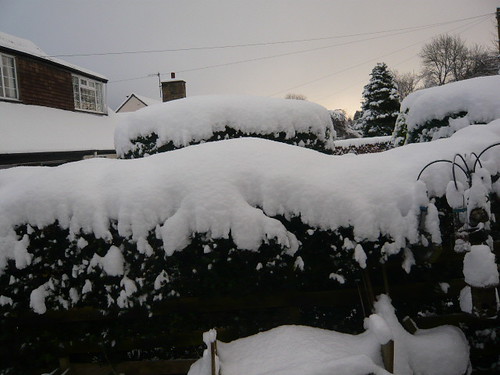
Snow garden

First the bad news! The London Met Office has warned that the winter 2011/12 will be similar to our last three winters with cold and snow caused by high pressure trapped around our Islands.
Now the good news! These long range forecasts are usually rubbish and the opposite may be true.

Even better news for your garden is if you prepare in advance and now is your big opportunity to plan and execute.

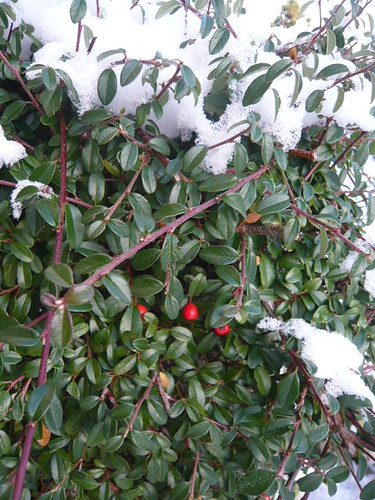
Hedgerow berries

Gardeners Tips Preparing for Winter

  • Leave the berries on your shrubs to provide food and energy for birds.
  • Do not be excessively tidy, piles of leaves and twigs make safe havens for overwintering wild life.
  • Stake susceptible trees and check ties to avoid wind damage.
  • Bring all none frost proof containers into shelter. Wrap tender subjects in hessian.
  • Take cuttings of plants you want to try overwinter just in case. Keep them in frost free conditions.
  • Do not worry snow is a good insulator but the weight can bend even strong branches so be prepared to knock it off before it piles up.

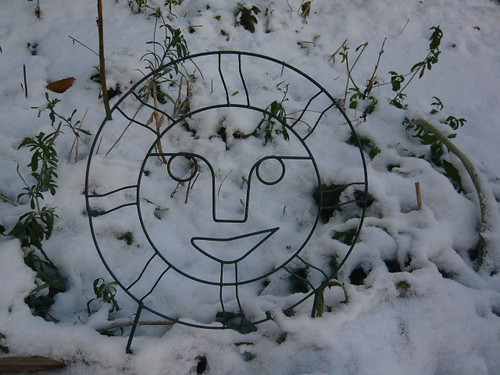
Smile you are on Candid camera

Keep Smiling Plan for Spring Round the Corner

  • Buy and plant bulbs to cheer yourself up during warm spells.
  • Winter pansies, wallflowers, primulas and other plants planted now can get spring off to a colourful start.
  • Get construction and heavy maintenance jobs out of the way so you can concentrate on plants and gardening when the weather improves.
  • Dig your vegetable patch and leave large clods of earth to be broken down by the frost.
  • Sit back, buy your seeds from the many catalogues or mail order and dream of warm spring and summer next year.