Garden Scents in Yorkshire
The aroma of success is geared to plant selection and location when planting out.
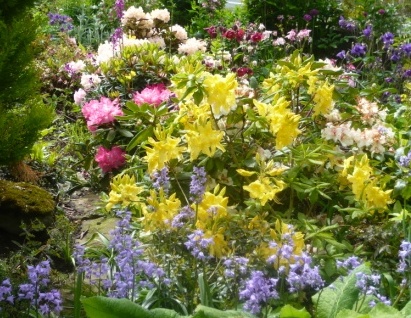
It is easier to capture colour in the garden than to capture scent but scents can stay in the memory evocatively and vividly. As with most gardening a little forethought can help you get far better results from a similar amount of effort.
Getting The Best Garden Scent
- Choose plants that are known for their scent. Lighter coloured varieties often have more or better perfume.
- Scent is best when the pollinating insects are at their most active and that often means in the evening particularly for those pollinated by moths.
- Plant several identical plants together and try not to mix strong scents in the same area as they will conflict.
- Scent is best sampled on a warm, calm still day and you can help this by designing recesses, arbors, pergolas and hedges to create the still environment.
- Aromatic leaves and herbs should be slightly crushed to get the best scent. Do not be afraid to touch plants.
- Even bark can have a scent like cedarwood (Cedrus atlantica), Juniper virginiana or Betula pendula (Birch).
- Choose plants for succession Winter Jasmine, Hyacinths for spring, Lily of the Valley in May and Roses for June as examples.

Moody Scents
- Stimulating lively scents are found with basil, fennel, peppermint rosemary and Eucalyptus. Lemon verbena and some scented leaved geraniums also fit this mood.
- For rest and peace you want calm balanced scent such as Clary sage, Chamomile, lavender or rich exotic roses.
Five Top Scented Plants
- Roses and I will give you five varieites for the price of one Constance Spry pink, Leverkusen yellow, Madame Hardy white, Guinee deep red and the Damasck rose.
- Philadelphus Virginal the white flowered Mock Orange shrub.
- Honeysuckle Lonicera periclymenum Serotina for late summer and autumn.
- Syringa microphylla Superba the scented Lilac.
- Nicotiana sylvestris Nicotiana noctifloraand Nicotiana alata tobacco plants smell a lot better than burn tobacco.
What are your most evocative scents and are they floral based? These are my top three floral scents.
Jasmine has a powerful almost cloying scent that creates a miasma of scent for yards around. A small flowering pot indoors can fill a room and have the scent leaching all over the house.

Tobacco plants Nicotiana sylvestris have a sweeter scent that is very powerful at dusk on a still summers evening. The white form seems to have the best scent but you can buy a perfumed mix of seeds that still have time to flower this year. Try Nicotiana langsdorffii as a scented alternative.
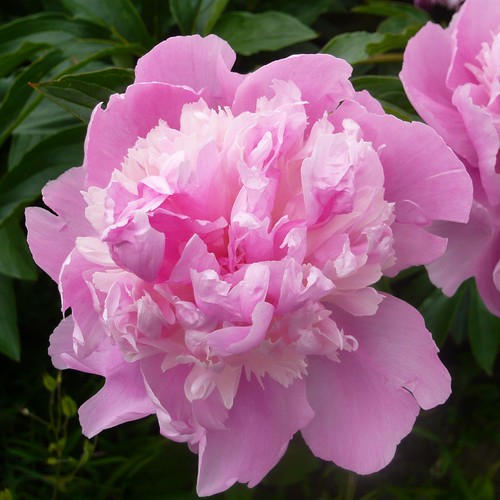
Peonies have a perfume that is lighter still but a joy in early summer as these plants flower freely once established. Float a head in a bowl to make a table centre piece.
There are many other species and varieties I could have selected for this article. Roses would have been an obvious subject but they are covered elsewhere. Hyacinth and other bulbs make there scented contribution in spring. Lily of the Valley is another white flower that has its place in a perfumier’s portfolio in addition to the garden.