June 24, 2008 at 8:50 am
· Filed under Articles, Design, Fragrance and Scent, Pests, Problems and Health
Breathing Allergies
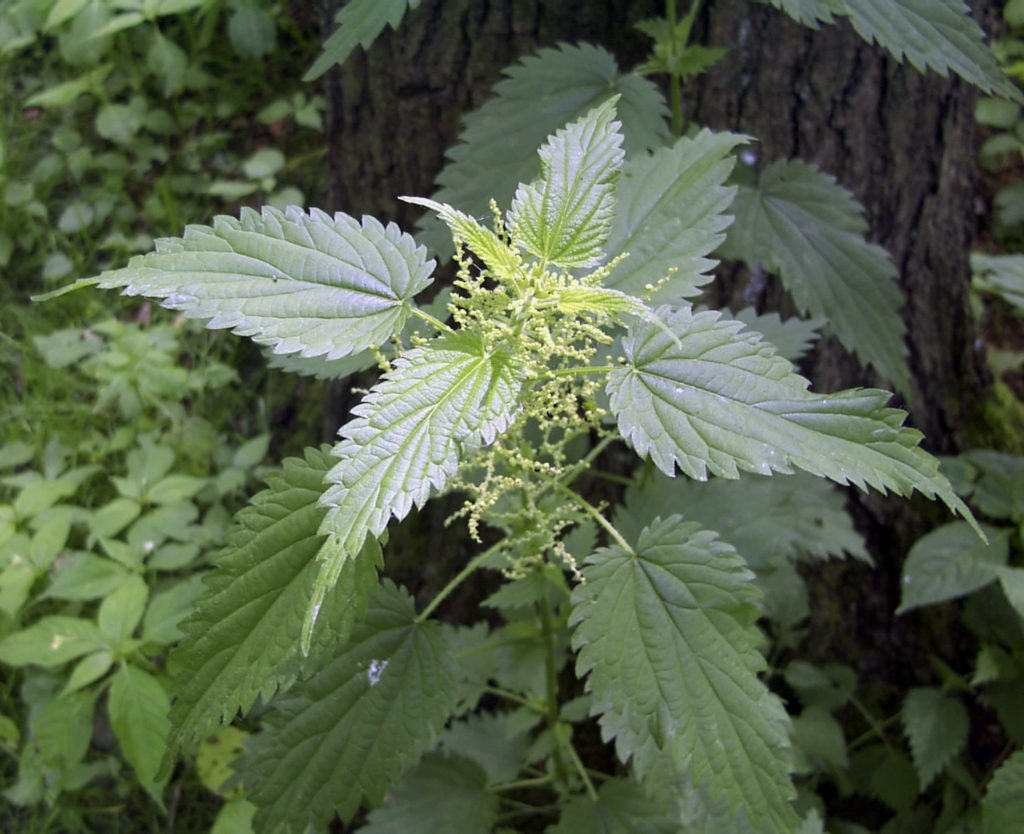
Hay fever sufferers don’t need to told about the typical symptoms of sniffing, sneezing, puffy eyes, sore throat and a runny nose. Starting in spring through summer these symptoms are likely to be caused by pollen and allergens. All year round symptoms are more likely to be caused by dust mites or pets such as cats.
Asthma is characterised by chest and breathing problems and can be caused by allergic triggers such as pollution, infection, or allergens. Airborne particles including pollen and fungal spores can bring on an attack especially if there is a known susceptibility to asthma.

Hay Fever and Asthma sufferers should cut down on Pollen
- Given the above it is logical to avoid plants that are high in pollen particularly those that are wind pollinated. This includes grasses, weeds like docks and plantains, trees and shrubs that flower before the leaves are fully formed such as Hazel,Alder, Oak, Poplar, Sycamore and Birch.
- Use other low pollen trees such as pink or red Hawthorne, Crab Apple, Prunus Cherries or Mountain Ash. These trees attract Bees so if allergic to stings then be even more selective with Ameleranchier or double flowered Japanese Cherries.
- Female flowers do not produce pollen so chooses them in preference to male plants
- If you can avoid having a lawn that may be best if not cut it regularly before it flowers or better still get a none sufferer to cut it. This is because even un-flowered grass will have trapped other pollen, dust and spores that is disturbed when cut.
- For play areas use play ground rubber, artificial turf or inert covering but be aware of dusty surfaces
- For flat areas use ponds or water to reflect other green colours from the garden
Select varieties with low Allergic pollens
Read the rest of this entry »
Permalink
June 1, 2008 at 4:42 am
· Filed under Articles, Pests, Problems and Health, Tips
Hazardous and Dangerous Plants
Not everything in the garden is lovely when it can poison or injure the unsuspecting. The extremely hazardous Poison Ivy and Poison oak related to the Rhus family (Diversiloba, radicans, vernix, succedanea, toxicarium and veniciflua) should be avoided at all cost. Other highly harmful plants are listed below and the effects of eating roots berries or leaves can be serious. Many cause allergies and irritations that also need avoiding.
Tips on Dangerous Plants
- Be sensible don’t cook with these plants and take care around the garden.
A list of Highly Harmful plants and flowers
|
Aconitum – Monkshood
|
Mandragora - Mandrake
|
|
Arum - Cuckoo pint
|
Nerium Oleander - Oleander
|
|
Belladona - Deadly nightshade
|
Oenanthe Crocata – Dead mans fingers
|
|
Datura - Angels Trumpet
|
Phytolacca – Inkberry, Pokeweed
|
|
Colchicum - Autumn Crocus
|
Ricinus – Castor Oil plant
|
|
Convallaria – Lily of the valley
|
Ruta - Rue
|
|
Dieffenbachia – Dumb cane
|
Scopolina
|
|
Digitalis - Foxglove
|
Solandra – Chalice vine
|
|
Euphorbia - Spurge
|
Solanum Dulcamara – Woody nightshade
|
|
Heracleum - Hogweed
|
Sophars – Pagoda tree
|
|
Hyoscyamus Niger - Henbane
|
Taxus - Yew
|
|
Laburnum
|
Thevetia – Yellow oleander
|
|
Lantana – Shrub verbena
|
Zigadenus – Death camas
|
On a lower scale of danger are many other plants that you would do well to avoid eating. Lupin seeds, Hellebores and Hyacinth even Swiss Cheese plants can cause problems such as swelling of the throat, vomiting, dermatitis, heart and digestion problems (enough I say lets grow some nice fruit and veg).
Permalink
April 18, 2008 at 4:19 am
· Filed under Pests, Problems and Health
Chafer Grubs, Crane Fly and Leatherjackets
Have I been lucky?
I have never had a lawn that has been infested with these insects. Leatherjackets are the grub of Crane Fly and they and Chafer grubs feast on the roots of grass. This creates brown patches and makes lawns and sports turf the target of birds looking for tasty grubs that are fat on your roots.
Chafer Grub eggs hatch and the grubs feed on grass roots from July until late Autumn before burrowing deep into the ground to pupate. These grubs then lay dormant deep in the ground under the soil before moving to the surface the following Spring emerging as beetles in May / June and starting the process again.
- Nematode control work best when the soil is warm on August
- The organic alternative may be ‘Strikeback Natural Insect Killing Spray’ which is a solvent free, water based insecticidal space and surface aerosol spray that contains only natural organic ingredients
- http://www.chafersurvey.co.uk/ Is a site for more information and to record the location of infestations. It is provided by one of the purveyors of biological controls
Permalink
April 18, 2008 at 3:51 am
· Filed under Pests, Problems and Health
Evil weevils eat roots and tubers of your favourite plants. My tuberous begonias were attacked and destroyed by these pesky pests. It is the white grubs that cause the damage as they eat there way through vine weevil puberty to become small black beetles. The beetles will nibble the edges of leaves but it is the laying of eggs that ultimately cause the problem. Cyclamen, primula and camellias are most susceptible to attack but this pest also affects other plants such as fuchsias, gloxinia and strawberries.
Tips to Control Vine weevil
- Prevention is better than cure so try to buy new plants that have been well treated.
- Put a layer of grit around prized plants or surround pots with water
- Destroy infected plants or drench in special insecticides. (Imidacloprid)
- Good hygiene is important so if reusing plant pots wash your pots in a solution containing Jeyes fluid.
- In the garden the risk is smaller than in plant pots as centipedes are a natural predator.
- Use a foliar insecticide to kill beetles before they lay eggs - watch out for nibbled leaves as a sign they are about to lay eggs.
- Provado a systemic insecticide applied to the growing medium as a drench, lasts for a few months and kills the larvae which do the damage.
- Nematodes of various eel worms can be used to in April/May when the soil is warm enough for them to survive until they enter the grub and kill it. Use again in Autumn for the nematodes to eat the new eggs.
- The beetles are nocturnal and can be caught after providing a dark daytime hiding place such as a bit of wet sacking.
Permalink
April 10, 2008 at 12:38 pm
· Filed under Bulbs, Flower pictures, Flowers, Pests, Problems and Health

Habranthus is a genus in the Amaryllidaceae family with species from Central and South America extending into southern North America. They have narrow, linear or strap-shaped leaves. Their flowers are very similar to Zephyranthes and both are called rain lilies.
This variety of Habranthus is flowering in late Summer (sept) and offers a delicate touch to colour with minimum fuss. Habranthus bulbs are quite hardy in the UK.
Permalink
April 6, 2008 at 5:53 am
· Filed under Pests, Problems and Health, Tips
Slugs and Snails
I would like to say that slugs and snails are friendly, useful creatures to have in your garden – but I can’t. Slugs and snails have tremendous appetites for devouring your plants. The younger, tastier and more precious your plants the more likely they are to go for them. Young lettuce seedlings seem to be very tasty and a whole row can be devoured overnight by these innocuous critters.
What can be done short of genocide – well here are some Eco friendly tips:
Tips to avoid slug damage
- Discourage slugs by removing edible debris and any slugs you can spot
- A ‘beer trap’ consisting of a low tray full of beer or similar fluid can attract and drown the slugs.
- An upturned cabbage leaf will attract a host of slugs overnight and they can be collected and dispatched according to your preference.
- New ‘green’ sprays and pellets have not yet impressed me but there are a range to try.
Barrier methods to stop slugs:
- Copper works as a barrier as they wont slide and slither on it. Copper bands and tape are available to protect your most cosseted specimens.
- A raised bed with a copper edging can be used in your veg plot
- Gravel, crushed egg shells, recycled wool pellets and other hard to slitter across barriers are recommended by various gardeners and companies bnut the column inches devoted to the subject show that few of them work totally. When it is wet they find a way across to gorge on your tasty crops.
The two methods of slug genocide
A higher tech solution is to buy a biological control called Nematodes which is watered in and the nematode microbes eat them and destroy the slugs - Slug Pest control at Unwins
Slug pellets containing metaldehyde spread every six inches or so are effective killers and last in my experience for about 10 days. However they are not pet friendly although most brands have been treated with a flavouring to deter. http://www.metaldehyde.com/meta/en.html
Good luck and if you find a permanent solution you could be on your way to making a fortune.
Permalink