Gardening Products

Tips for the Gardener

Seed Trays

Posted: April 22nd, 2011 | Author: hortoris | Filed under: Growing Aids | No Comments »
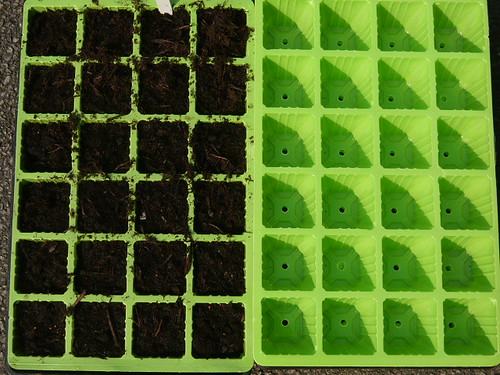
Plastic seed trays

Seed sowing is reaching its height in the middle of April. It is worth looking at the labour saving devices that were not available to our parents and grandparents.

Seed Tray Review

  • Old wooden seed trays with slats and high sides are still in use. They need care when cleaning before new crops are sown.
  • Plastic seed trays from rigid polypropylene with drainage holes can be used time and again and are easy to store and clean. There is generally a pattern of ridges to improve drainage.
  • I like to use the thin plastic segmented inserts inside a normal seed tray like those in the photograph.
    • They are cheap enough to be disposable but last a couple of seasons with care.
    • They vary in the number of cells, 3×5, 8×5 or 4×6 for example.
    • Each cell can be for individual seeds or used for several fine seeds. It makes pricking out and planting far easier.
    • The cells can also be used for growing on after pricking out. 15 or 24 good plants can be raised in one tray.
    • Do not put plastic inserts in a tray without drainage holes or the compost may get water logged.
  • Seed trays can be used to hold individual pots in one place. Up to 15 square 3″ pots can be put in one tray and they are a bit deeper than a standard tray.


Amazon supply seed trays in a variety of sizes and packs click here
Thompson & Morgan have a smaller selection of seed trays. Strange for a seed merchant I think.


Seed Tray Tips

  • Take care when watering to get all the area damp. Be careful with small cells and those near to the drying sun.
  • Label your seed sowing with the date and type of seed sown.
  • Sterilise your used seed trays in Jeys fluid or similar
  • To water from the bottom fill a larger container and stand the tray in the water until enough has been taken up.
  • Do not leave seedlings too long before pricking out. Long roots soon become stunted.
  • Carefully push out the cell contents from the bottom if using this product.
Stone Chippings and Grit

Posted: April 21st, 2011 | Author: hortoris | Filed under: Projects | No Comments »

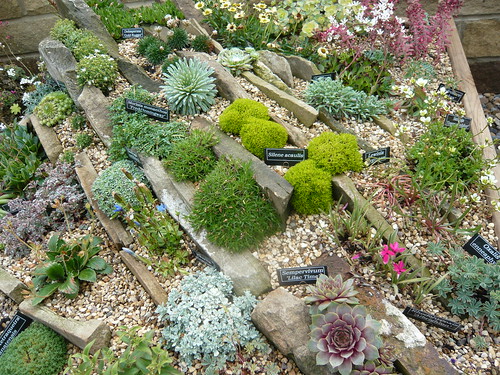
alpine  scheme

Uses of Grit and Stone Chippings

  • Decorative features on paths and patios.
  • Alpines and rock gardens need grit for drainage and chippings can add a nice decorative finish.
  • Add to the top of pots to retain moisture and improve general appearance.
  • Top off  newly sown alpine seeds to prevent water washing seeds away.
  • Chippings deters weeds on beds and borders when used as a mulch.
  • Also good for topping pots indoors.
  • Deters moss and algae from growing.
  • Grit and sharp sand improve drainage and help breakdown heavy clay soils.

Yorkshire cream coloured stone chippings in very large bags from amazon. They are about half to one inch sized chips or 15-25mm of creamy stones. A large bag will cover approx 15 square yards at 2 inches deep.


Read about Alpine Plunge beds or about Creative Mulching


Moss Problems and Cures

Posted: April 20th, 2011 | Author: hortoris | Filed under: Products | 1 Comment »

077

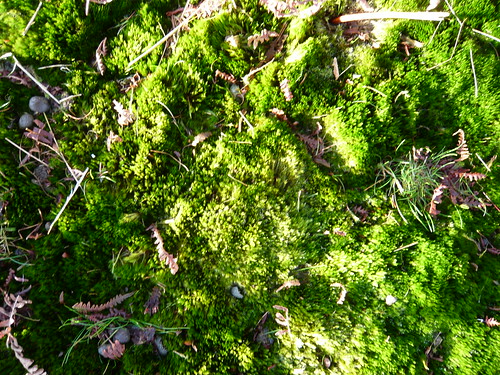
Moss is fine in the right place.

Growing on rocks in the shade or in a cool geen environment like a Japanese style garden moss may be a worthwhile plant to grow.

Moss in the wrong place can be a nuisance depriving other plants of light and nutrients.

  • Moss in a lawn is one of the worst instances of moss problems. The moss may look green when the ground is damp but it soon looks unsightly when it dries out. By this time the grass is thin or none existent.
  • Moss seems to grow on the top of many of my overwintering seed trays and pots. The extra nutrients make an ideal home base for the moss and it smothers out any seedlings.
  • Moss in the flower beds is caused by poor drainage and damp, dingy conditions.
  • Moss on paths and pavements can be slippy. see also

Causes of moss include poor drainage and excess damp. This is often exacerbated in lawns by compacted soil where air has been trodden out of the lawn.

  • Dark, damp and poor watering can cause moss as can excess nutrients. You may have seen how yogurt painted on to a stone encourages moss to grow.
  • Infection by spores from other moss plants. Moss will not compost and needs to be buried to kill it off.

Moss Prevention and Cure

  • Aerate the soil, hoe or spike the ground to allow air to enter.
  • Avoid standing water and boggy ground.
  • Use clean water for seedlings not infected water-butt water.
  • Lawn treatments include liquid or granular applications of chemicals.
  • Lawn sand can be spread and is gritty silver sand with sulphate of iron and sulphate of ammonia blended in.
  • Read controlling moss in lawns
  • A good range of Moss Killers are available from Amazon

Raised Ponds

Posted: April 7th, 2011 | Author: hortoris | Filed under: Uncategorized | No Comments »

Jubilee Park, Canary Wharf, London

A pond no-longer needs to be put into a hole in the ground. The latest fashion has ponds raised at least 2 feet high and this makes for easy viewing and easier maintenance.

Benefits include – no excavation, location on top of hard or soft landscape, quick and easy installation, back saving convenience.

Tips for raised Ponds

  • Use UV resistant/secure materials such as rock or presure treated timber.
  • Ensure the walls are strong enough to take the weight of water.
  • Build the pond with insulation to delay or minimise freezing.


This photo supplied by Daisybush gives a hint of what can be achieved on a large scale. You can create your own feature with a pre-moulded pond in a  raised bed or purpose built area.

Raised bed kits are available from Bradshaws, Harrod and Amazon


Nets and Netting

Posted: April 7th, 2011 | Author: hortoris | Filed under: Growing Aids | 1 Comment »

Netting can be very useful in the garden and there is usually one or more types for each particular application.

Climbers like Sweet Peas need something to cling on to as they grow. You can cut off the tendrils and tie the stems to a cane but that is labour intensive. I prefer to use a very open green plastic net. It is about the cheapest you can buy and if you throw it away at the end of the year it will have done its job.

For runner beans and climbing beans I use stronger plastic net also with a wide open mesh and strong poles. Again it is still cheap as a form of netting.

For protecting soft fruit like strawberries or building a fruit cage you need knotted netting also called mesh knotted netting. This is strong enough to keep out the birds. The mesh varies from 7mm squares to 18mm diamonds. The smaller gauge keeps out moths and butterflies and the wider for pigeons and small birds.
For herons over your pond a wider mesh of 45mm will not spoil the appearance.

Insect mesh netting is finer and more akin to fleece. It can deter carrot fly, cabbage root fly and caterpillars whilst giving a modest amount of shade.

Wind break or shade nets are made from higher density polypropylene.

Pond nets for leaves and debris can also protect your goldfish. A fishing line strung across the edge of ponds may deter cats and other creatures.

Suppliers

Netting varieties available from Amazon

Nets available from Thompson & Morgan


Garden Design Tips

Posted: April 6th, 2011 | Author: hortoris | Filed under: Books & Publications | No Comments »

Book Cover

“The Essential Garden Design Workbook” provides the reader with tips for every stage of planning a garden.

  • How to survey a site,
  • How to choose landscaping materials,
  • How to develop planting schemes.
  • Valuable tips on green and environmental gardening
  • How to harvest rainwater,
  • How to design a green roof,
  • Tips on sustainable planting,
  • A guide to composting.
  • Tips on space, light, and color.
  • Easy ways to measure large spaces, estimate the height of a tree, and find the right proportions for a decking and hard landscape.

Currently available from Amazon for £14.75

Gardening Book of the Month April 2011

Other Design Resources

Interesting Design Tips

Design Tips for a Physic Garden

Formal Garden Design


Bark Chippings Criticism

Posted: April 5th, 2011 | Author: hortoris | Filed under: Products | No Comments »

Madiera mch11 008

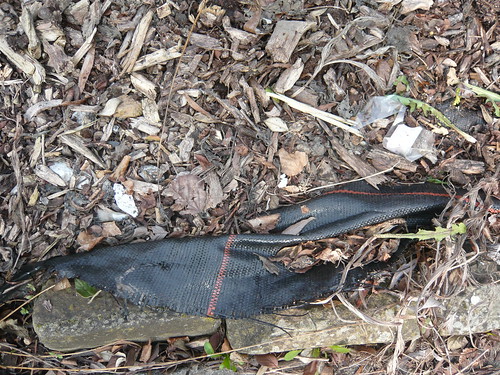
I am not a fan of bark chippings and seldom make use of them. To prevent weeds the layer has to be very deep or have a weed suppressing membrane as in the picture.

  • Bark tends to migrate due to wind and rain to say nothing of little animals.
  • Most bark that is sold looks clean and fresh, when new, but goes an amorphous grey quite rapidly.
  • The picture above was in a public park and in addition to unsightly under layer there is litter and dandelions showing, not a good advert for the park or the chippings.

Good Uses of Bark Chippings

  • In natural wood land areas for a consistant appearance.
  • Where there is planting through the bark and it is used as a mulch as much as a decoration.
  • Amongst heathers and prickly subjects where you do not want to put your hands.
  • Some people use bark as a cushion where children may fall but animals and insects can make the bark less than perfect.

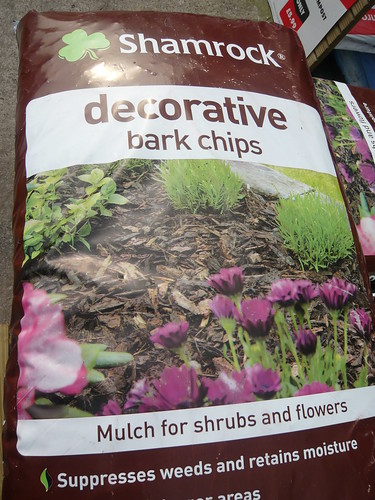
Bark chips


Gardening Club

Posted: April 1st, 2011 | Author: hortoris | Filed under: Uncategorized | No Comments »

The Garden Centre Group have a free Gardening Club and I have a valuable membership card. Their blurb is worth repeating

  • ‘If you love gardening as much as we do, why not earn points every time you spend? As a ‘Gardening Club’ member, we’ll reward you with many membership privileges
  • Earn 5 reward points for every £1 you spend in the garden centre and online. Our over 60s members will receive double points on Tuesdays on all purchases made
  • We’ll add up all the points you have earned and you’ll receive a quarterly mailing with your reward vouchers. Your voucher can be redeemed at all participating garden centres
  • You’ll find fantastic seasonal offers throughout the garden centre and online, exclusively for our ‘Club’ members
  • As a ‘Club’ member you’ll receive invitations to special events and seasonal previews at your local garden centre

Some of the brands offering membership are mentioned here or contact the web site with a map showing all garden centres in the group.


Kneelers and Seats for Gardeners

Posted: March 30th, 2011 | Author: hortoris | Filed under: Tools and Equipment | No Comments »

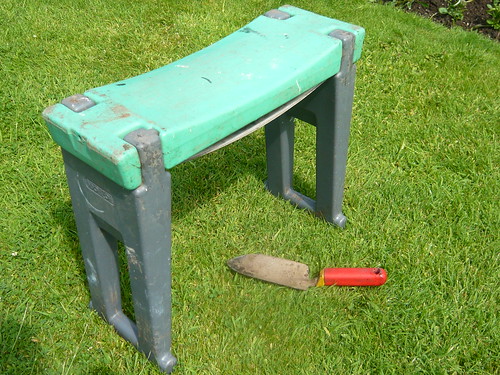
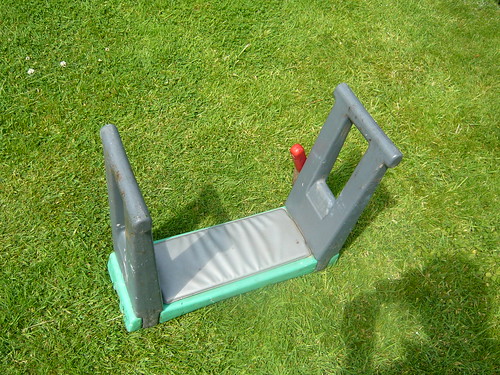
Garden Seat

You do not know what use you can put a kneeler too until you have one.

Uses of Garden Kneelers

  • Obviously they are designed for kneeling on when weeding or planting out seedlings.
  • I find they also tamp the soil down prior to sowing a row or two of seeds.
  • After kneeling the handles are most useful for pushing yourself back into an upright position. I need all the support I can get in this direction.
  • Turning the kneeler upside down it forms a sturdy seat useful for raised beds and hinged backs that will stretch forward. The seat can rock forward and back but is sturdy side to side affording a long reach.
  • I use the seat as a table when not in use for other matters. It make items easier to spot if the are 18″ off the ground unless I have rested my specs on the kneeler.

Available from amazon for circa £12
Christine Kneeler

The name of this photo shows the poor taste of me, the shadowy photographer!


Read the rest of this entry »


Garden Tool Kit

Posted: March 28th, 2011 | Author: hortoris | Filed under: Tools and Equipment | No Comments »

Book Cover

After a spade the hand trowel and fork are key garden tools.
For cutting pruning and trimming, loppers and secateurs are in regular use in my garden. Loppers can wait until your shrubs and trees have pencil thick stems you want to cut but secateurs are crucial from day one.

Draper is a known tool manufacturer and this kit comprises loppers that are ’635mm long with carbon steel blades hardened and tempered with textured hand grips. The secateurs are 175mm long with carbon steel blades hardened and tempered with moulded spring-loaded handles and thumblock. Hand trowel and fork are epoxy coated carbon steel hardened and tempered with textured hand grips.’
Available from Amazon for £15.88


« Older Entries
Newer Entries »
  • Best of Gardeners Tips
  • Top 100 Gardeners
  • Gardening at Amazon.co.uk
  • Seeds at Thompson & Morgan
  • Jersey Plants Direct

Categories

  • Art
  • Books & Publications
  • Clothing
  • Constructions and Greenhouses
  • Garden Economics
  • Growing Aids
  • Pests and Problems
  • Products
  • Projects
  • Seeds and Plants
  • Tools and Equipment
  • Uncategorized
  • Weeds and Treatments
Gardeners Tips