Gardening Products

Tips for the Gardener

Gardening Book of the Month May 2011

Posted: May 17th, 2011 | Author: hortoris | Filed under: Books & Publications | No Comments »

Book Cover

In Search of Paradise: Great Gardens of the World by Penelope Hobhouse is a history and evocation to understand gardens. The book is one to savour and return to many times. It is an appropriate choice for a gardening book of the month when so many people are contemplating holidays away from their own gardens.

What is in The Book

  • “Gardens Through the Centuries,” is the first section on a journey covering four thousand years from the earliest gardens in what are now the deserts of the Middle East.
  • In the middle ages the first Mughal Emperor Babur 1483 – 1530 had a number of gardens including the Garden of Fidelity which was divided into four parts with a central pool.
  • The attention to detail  in Chinese and Japanese gardens express a respect for nature, where the placement of each stone had meaning.
  • Places for contemplation, stroll and moss gardens were found in Japan.
  • Then moving on to the lavish gardens of Italy and symmetry of gardens in Germany, Netherlands and Russia. The formal gardens of France complete this section
  • Penelope  Hobhouse then discusses the contribution to garden design made by Roberto Burle Marx, Fernando Caruncho, Dan Kiley, John Brookes, James van Sweden.and Beth Chatto.
  • The 200 plus photographs and even more pages creates a tour de force

Sources
Amazon purchase price £17.50
Gail Cooke and Gang Chen reviews.
Other books by Penelope Hobhouse including Gardens of Persia
Nutrients and Fertiliser for Plants

Posted: May 17th, 2011 | Author: hortoris | Filed under: Growing Aids | No Comments »

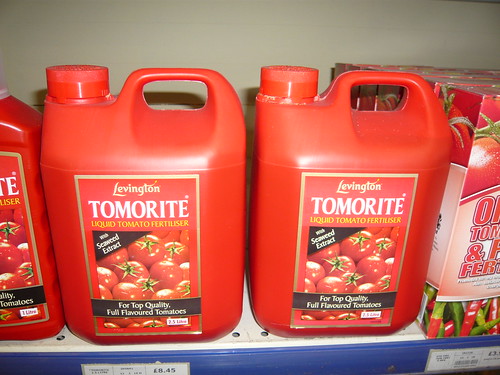
tomorite

You might not think your plants need 5 a day but they do need nutritious food to survive and thrive. In many situations they can get all they need from natural sources, just look how weeds thrive without the help of gardeners.

Essential Nutrients and Chemicology

  • Hydrogen and Oxygen in the form of water or H2O.
  • Nitrogen N – more than the gas in the air
  • Potassium or Potash K
  • Phosphorous P
  • Magnesium, Sulphur and Calcium.
  • Carbon -  in naturally occurring gas or solid form.

Trace Elements Needed By Some Plants

  • Iron Fe
  • Zinc Zn
  • Copper Cu
  • Boron B
  • Chlorine Cl
  • Manganese Mn
  • Molybdenum Mo

Sources of Nutrients & Fertilisers

  • Good hearty soil will contain most or all the plants needs for a while. If cropped heavily then soil needs some help to recover. Every flower you cut or vegetable you eat has taken some nutrient from the soil.
  • Organic compost are natural and have a good balance of nutrients without being too potent. Garden compost or well rotted  animal manure are the tops.
  • Man made chemical compounds are offered as fertilisers in liquid or solid forms. The balance of chemical content is recorded as the proportion on NPK eg 22:11:5 is high in nitrogen whilst 8:8:8 is a balanced fertiliser.
  • Seaweed is a good tonic often rich in the trace elements.

Three Key Critical Fertilisers

  • Nitrogen,  Phosphorous and Potassium often referred to as N.P.K are the essential three.
  • Nitrogen is key for leaf and stem growth and all round vigour of your plant. Ammonium Sulphate is a quick acting inorganic nitrogen producing fertiliser, Hoof & Horn is  organic or a compound fertiliser with potash will convert to plant friendly nitrogen.
  • Phosporous helps the growth of strong roots and seedlings. Bone meal or fish meal contains phosphates or a compound with ‘superphosphate can be purchased.
  • Potassium needs to work with nitrogen but is particularly influential on flowers and fruit. Compound fertilisers are the best way of providing potash along with some nitrogen (tomato feed is rich in potash). Wood ash can be used but the amount of potash being added is uncertain.

Fertiliser Products

A range of special fertilisers bespoke for each species of plant is available from available from Thompson & Morgan

A widely available and favourite fertiliser with all elements bound together in a granule is Growmore

MiracleGro and other proprietary fertilisers from Amazon

Organic Liquid Seaweed


Read more on Calcified seaweed


Ladies Gardening Gloves

Posted: May 12th, 2011 | Author: hortoris | Filed under: Products | No Comments »

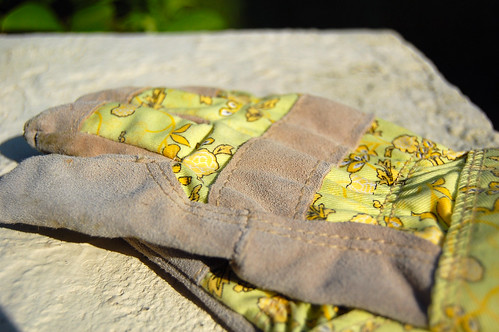
gardening gloves...día trescientos sesenta y tres

Heavy gardening can play havoc with your hands.
Even light weeding and pottering can damage nails and create tough skin to say nothing of the ingrained dirt.
I have a barrier cream called Hand Guard by Manders International that shields hands from dirt and infection. Apply before gardening then wash off with the dirt when you finish. It is no substitute for good gloves.

I won’t use the tipped gloves when weeding I need direct contact between my fingers and those roots. Funky colours however help me find them if I put them down somewhere.

Glove Types

  • Cotton gloves are OK for keeping clean but do not have heavy protection.
  • Palm-side leather protection is definitely welcome for prickly bushes and rougher work.
  • Full out leather gloves Like the ladies ‘Kew’ type are the top end of the market in price and performance.
  • Nitrile and rubberised gloves are an acquired feature.
  • Pruning Gauntlets and heavy duty gloves would be my first choice if only for safeties sake.
  • Why don’t gardening suppliers make fingerless gloves?

Sources
Amazon Ladies Gardening Gloves

Picture By fragglerawker_03 on flickr under creative commons license

Gardeners Special Offers

Posted: May 2nd, 2011 | Author: hortoris | Filed under: Uncategorized | No Comments »

Pansy

Special Offers for Gardeners

Internet traders and retailers of plants and seeds start making special offers of plug plants around the beginning of May. They have grown to order but added some extra stock for sale and will put deals and discounts together. It can be a cost effective way of getting more plants.

Newspapers are regularly making up special offers. They usually involve buying several items of one species in several colours or varieties at a bulk price. Distributors need a minimum order value to make a deal worthwhile.

At the end of any selling season special offers and discounts are used to liquidate stock. As long as the timing is not too bad you can make some good purchases. I particularly look for Tulips sold in October/November which is the time to plant them anyway yet retailers want the space for Christmas stock.

Horticultural societies are a good way to buy your dry goods, chemicals, fertilisers and composts at a discount. It is well worth the cheap membership fee for good advice and better prices. Many get funds or discounts from bulk seed purchases by adding members deals together.

Casual retailers at car boots, open gardens and special plant sale events can be a good source of new plants.

Tips on Special Offers

  • Every retailer is looking to make a profit. Caveat emptor means buyer beware.
  • Do not buy plants that look like they are dead, diseased or past their sell by date.
  • I particularly dislike vendors who sell plants that are finishing flowering and will not flower again.
  • Seek value for money by considering growing from cuttings, seeds or scrounging gifts.
  • Try not to buy what you don’t want. I overfil my garden every year and always have more than I need or the garden can cope with.

Special offers link to Thompson & Morgan


Gaudy Garden Ornaments

Posted: May 1st, 2011 | Author: hortoris | Filed under: Art | No Comments »

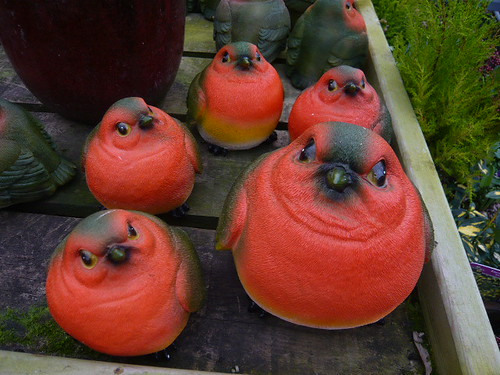
Robins

I liked this picture of Robins but I do not intend having them in my garden. They might frighten other birds and or my wife. On second thoughts….

I shouldn’t complain I have two ornaments that are plastic birds on sticks whose wings flap in the wind.

Amazon have a heron and many other ornaments available here

Visit the Gnome reserve in North Devon

See images of Gnomes from Google

If you are not afraid of Gnomes there is their naughty site to look at


Unwanted Garden Dogs Cats & Other Animals

Posted: April 30th, 2011 | Author: hortoris | Filed under: Pests and Problems | 1 Comment »

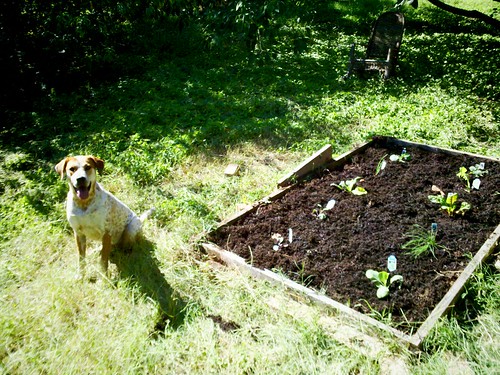
Dog vs Garden - Year II

Some pets like dogs and cats plus other animals can be a pest in the garden.
Their crimes are eating the wrong thing, digging in the wrong area, turning grass brown with urine and leaving a mess.
The worst offenders are rabbits, cats, mice, deer, pigeons and dogs including foxes.

Animal Deterrents

  • Cats and dogs scrape and dig often in the friable soil where you have planted precious seedlings. They can be frightened off with a sonic sound device like the one above.
  • Scent can scare off many animals. Old wives tales of lion or elephant dung may be far fetched but Retnardine sprayed on seems to work.
  • Rabbits and deer can be fenced out of your garden with special mesh, wire or high fences. That way the pesky blighters will go elsewhere for breakfast.
  • Birds are scared off brassica crops by special scarers, scarecrows or more effectively by netting and string.
  • Mice have eaten lots of my bulbs this year and when I plant new ones I will put a mesh over them before the soil is replaced as protection.
  • Rats I have had to poison as they bred around my compost heap.
  • Slugs are  a whole new ball game

Animal repellers from Amazon
Book Cover
Sonic Repeller

I was asked about dog problems at our local crown green bowling club. Apart from the treatments above the only answer would be a 24 hour patrol!

Credits
Dog vs Garden – Year II by Todd Dwyer CC BY-SA 2.0 ‘It looks like the dog is ahead on points.


Gardening Book of the Month April 2011

Posted: April 30th, 2011 | Author: hortoris | Filed under: Books & Publications | No Comments »

Book Cover

Joe’s Urban Garden Handbook by Joe Swift

In a book that may appeal to ‘ladies who garden’ Joe Swift shows how to create an area that meets your practical and style requirements whilst making the best use of every inch of available space.

In a related book Joe’s Allotment: ‘Planning and planting a productive plot’ is a more earthy approach rather than a functional design book.

Joe packs in loads of ideas for postage stamp sized gardens into the Urban Garden Handbook including;

  • multi-tiered,
  • decking,
  • paving and dining-friendly chill out zones
  • as well as a  helpful guide on what to grow where.

Joe Swift Brief Biography 1965

  • Joe is an English garden designer and author
  • Joe Swift is the son of author Margaret Drabble
  • Over 12 years, Joe has designed many gardens on TV, including several for Gardeners World
  • Joe writes for Gardeners World magazine, has a regular column in The Times and various magazine and newspaper articles.
  • He has written 3 books- ‘The Plant Room’, and ‘Joes Urban Garden Handbook’, and ‘Joe’s Allotment’ published in April 2009.
  • Joe is involved in many charities and is currently President of the National Gardens Scheme.
  • Joe regularly gives talks on garden design, has hosted many live events and also gives after dinner speeches. link

Amazon link to Joe Swift


Sphagnum Moss for Gardeners

Posted: April 30th, 2011 | Author: hortoris | Filed under: Growing Aids, Uncategorized | No Comments »

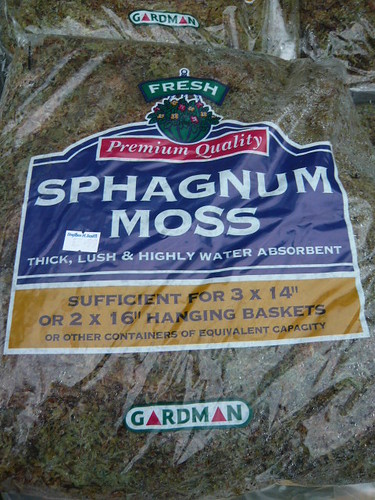
005

Features of Sphagnum Moss

  • Sphagnum moss is a great liner for hanging baskets.
  • It holds a large quantity of water and is easy to wet
  • The moss is very slow to rot down.
  • Sphagnum moss is light and easy to work with.
  • In bogs, sphagnum moss compacts down over the years to create peat.
  • Florists use sphagnum moss to make wreaths.

Other uses of Sphagnum Moss


  • As a mild antiseptic that inhibits bacteria growth, Sphagnum moss has some medicinal uses.
  • It was used in massive quantities for dressing wounds during World Wars I and II.
  • Sphagnum has traditionally been used for bedding, to pack wall cavities and it has been used to caulk boats.
  • Sphagnum was once used as an ingredient in bread and provides the peaty flavour of whisky.


Sphagnum moss products
from amazon


Garden Equipment For Children

Posted: April 29th, 2011 | Author: hortoris | Filed under: Projects | No Comments »

Trampoline

What garden equipment attracts children of the current generation?

  • The swing was the most popular piece of equipment until recently when trampolines became more popular.
  • Tree houses and dens made from existing resources rather than purchased have enduring charm and fit into the rest of the garden without jarring too much. If you can accomodate bird and insect homes why not have an area for the kids.
  • If young footballers keep missing the net you can be sure the ball will hit a precious plant. Unless that is, you have the space for a large lawn with a hard surface surround. More damage is done recovering balls fro herbaceous borders so plant tough items like geraniums, hemerocallis, bay and box.
  • Sand pits are great for the very young. Buy fine sand not the yellow staining sort of builders sand.
  • With a suitable wall you can paint wickets or goal posts and even mount a hoop for netball.

Water for Children

  • Safety is important for younger children. Do not leave them alone near water.
  • A rill can be fun. A shallow stream or channel of running water fed from a sump.
  • If you have a pond you can fit a black metal mesh just under the water surface and it will be virtually invisible.
  • What about a board walk over a marshy area. Not as much fun perhaps as a paddling pool that needs to be emptied when the adults are not around.

Tree and Play Houses

  • If you do not have a large sturdy tree you can build one on posts hidden by the branches of a smaller tree.
  • Keep kids interested by adding to a tree house with ropes, hammocks, walkways or other features.
  • If you are handy you could mount a tree or play house above a garden shed
  • You can buy a large range of tree houses see amazon

Trampolines from Amazon
Swings from Amazon


Trampoline photo from Darkjoe on flickr using creative commons license


Round-up on Uses of Roundup

Posted: April 29th, 2011 | Author: hortoris | Filed under: Products | No Comments »

Book Cover

Roundup Weedkiller concentrate.

Links to reports on main uses of Roundup

  • Best Weed Control
  • Weed Killer for Dandelions
  • Best Weed Killers
  • Control Invasive Weeds
  • Horsetail or Mares Tail Erradication
  • Control Convolvulous

Roundup

  • Roundup is a strong weed killer particulaly good on hard surfaces like paths.
  • It is absorbed by the leaves and moves throughout the entire plant, above and below ground, to destroy annual and deep rooted perennial weeds, including grasses, dandelions, docks, bindweed and thistles.
  • It is inactivated immediately on contact with soil and is then broken down by soil micro-organisms, to allow replanting.
  • Roundup kills grass so do not use on lawns.
  • Do not get roundup spray on your favourite plants or it will kill them too.

Roundup Tree Stump and Root Killer

  • Roundup Tree  killer is used on unwanted vegetation including trees and freshly cut tree stumps.
  • It kills trees, stumps, brambles, nettles, deep rooted and woody weeds, including Japanese Knotweed and Ground Elder.
  • More than one application may be needed on deep rooted weeds like knotweed.

« Older Entries
Newer Entries »
  • Best of Gardeners Tips
  • Top 100 Gardeners
  • Gardening at Amazon.co.uk
  • Seeds at Thompson & Morgan
  • Jersey Plants Direct

Categories

  • Art
  • Books & Publications
  • Clothing
  • Constructions and Greenhouses
  • Garden Economics
  • Growing Aids
  • Pests and Problems
  • Products
  • Projects
  • Seeds and Plants
  • Tools and Equipment
  • Uncategorized
  • Weeds and Treatments
Gardeners Tips