Gardening Products

Tips for the Gardener

Leaf Collectors and Leaf Collecting

Posted: November 8th, 2010 | Author: hortoris | Filed under: Tools and Equipment | 1 Comment »
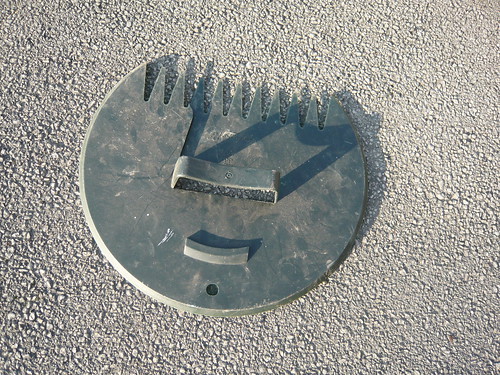
Leaf collector

There has been a rapid fall in our autumn leaves after the cold and wind on bonfire night. I want to make leaf mold and will be collecting the fallen leaves in a variety of ways.

Collecting Leaves

  • I have or had a pair of plastic grippers similar to the one photographed. They are useful for picking swept leaves off a hard surface like my drive.
  • I also have a vacuum designed to strap over the shoulder for leaves to be collected in a bag.

Book Cover

  • There is now a combined collector and shredding version that helps compact the leaves and speed the rotting process (see above).
  • The rake and multi tined plastic leaf collector is also brought into service

Book Cover

  • After collecting the leaves keep them in a wire cage or punctured plastic bags and let the worms do their job.
  • Many local authorities now collect  roadside leaves in large sweepers for composting. They may take away your unwanted leaves as garden waste.
Disinfectant for Gardeners

Posted: November 6th, 2010 | Author: hortoris | Filed under: Products | No Comments »

Jeyes Fluid is an old gardeners favourite that can be used for a multitude of outdoor cleaning tasks.  It is perfect for clearing fungi, mould and algae from paths, greenhouse windows and patios as well as cleaning and disinfecting pots prior to planting. It is also used for cleaning animal housing.

I use Armillatox but ‘Under European legislation the active ingredients of all pesticides have to be reviewed, the cost of raising the data for the review is estimated to be £3 million – to a small company the cost is prohibitive. Therefore as from 25th July 2003, Armillatox has become ‘Armillatox Soap Based Outdoor Cleaner’ so taking it out of the pesticides regulations – the formulation remains the same. Armillatox is useful as a patio cleaner and for a wide range of other applications
Successful Missions according to Armillatox.com

1. Moss on lawns
2. Moss & algae on hard surfaces
3. Fairy rings
4. Fungal disease in roses
5. Fungal disease in onions
6. Cleansing and sterilising
7. Honey fungus
8. Clubroot
9. Toxocara canis eggs
10. Vine Weevil

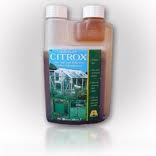
Citrox is a newer disinfectant made from concentrated organic citrus extract   for cleaning greenhouses, pots, staging, tools, seed trays, bird feeders and bird baths. Citrox is harmless to plant material so greenhouse need not be cleared.

  • Use all round the greenhouse, potting-shed and garden
  • Clean pots, seed trays, capillary matting, staging and tools
  • Effective against a wide range of bacterial and fungal diseases
  • Dilute Citrox can be used to wash bulbs, corms and tubers
  • Effective on pond accessories and bird tables
  • Can be added to water butts to keep water sweet and free from disease

Citrox from amazon
Large Jeyez fluid from amazon


Perlite Lightens Compost

Posted: October 31st, 2010 | Author: hortoris | Filed under: Products | 1 Comment »

Perlite is a neutral non-toxic volcanic rock that has been heated to high temperatures to produce a lightweight porous material with  a high surface area.
It is used when sowing seeds, rooting cuttings or potting on to improve aeration, moisture retention and drainage.
Perlite is usually graded to produce particles up to quarter of an inch diameter.
Perlite is stable and long lasting.
100 litres of J Arthur Bowers perlite can be ordered from Amazon for less than £20.

Tips for Using Perlite

  • Mix perlite with an equal part of compost for leaf or soft stemmed cuttings.
  • For rooting harder cuttings increase the proportion of perlite.
  • Perlite optimises the proportion of air and water in a compost and makes water logging almost impossible.
  • Roots are not damaged when transplanting from a perlite mix.
  • Water perlite before using to avoid dust

Artificial Grass

Posted: October 22nd, 2010 | Author: hortoris | Filed under: Products | 3 Comments »

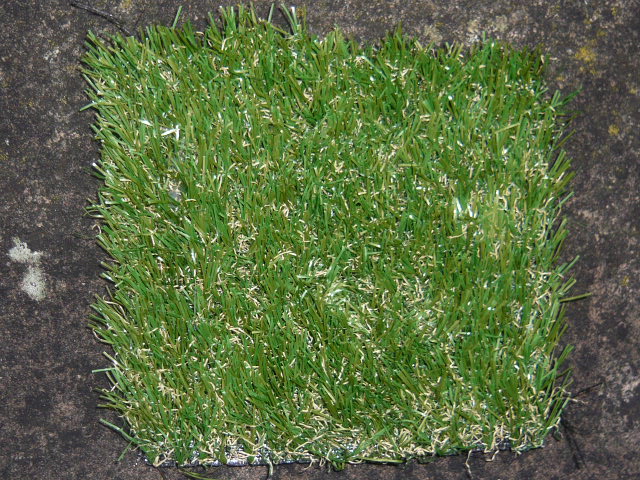
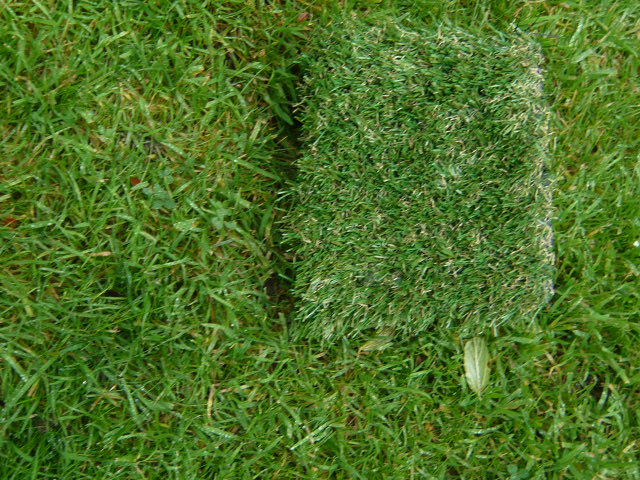
Did you know there are over 50 different Artificial Grasses. Well I suppose there are that many real grasses and certainly that many situations that need grass.

Groundcare Solutions landscape suppliers have many years experience in the management of grounds and gardens and they supplied the sample of artificial grass for photography.
They carry many varieties of artificial grass in stock and have advice and experience for gardeners and lanscapers to draw upon.

It is hard to tell the two grasses apart. My lawn is at the bottom and is the one that needs cutting. I particularly like the artificial straw coloured thatch on the ‘plastic’ grass, perhaps they will include moss and weeds in future.

I can’t resist the old sore about the famous sportsman who was asked if he preferred Astroturf or Grass and replied ‘I do not know I have never smoked Astroturf’.


Garden Art by ‘New Shoots’

Posted: September 14th, 2010 | Author: hortoris | Filed under: Art, Books & Publications | No Comments »

‘Wild Wild Meadow’ is an interesting Artwork combining Garden photography, Digital art and top quality Giclee fine art reproduction.

This signed, limited edition of   ’17′ is available as a 20″ wide by 16″ deep box-framed, top quality fine art canvas ready to hang on your wall or give as a gift.

To place your order send your details and a cheque for £85 to New Shoots Garden Art 7 Fairfax Road Menston Ilkley LS29 6EW or place your order via the web with Digital Sunrise our Fine Art Supplier.

99% of the  photographs on our sister site Gardeners Tips are available for conversion into unique artworks. Please contact us for details.

Below is another unique one off artwork available in a similar format to our ‘Wild Wild Meadow’.

Wild Wild Meadow 4

These works and many others are available to view at an interesting new Art Gallery Unit 7E, Old Station Mill, Cononley, Skipton, Yorkshire, BD20 8LN.


Artistic Garden Hangings

Posted: August 17th, 2010 | Author: hortoris | Filed under: Art, Uncategorized | No Comments »

Trees are a great places to locate art in your garden. RHS Hyde Hall has a series of these woodland nymphs in various strategic locations around the garden.

An explanation of each wood nymph is provided alongside the sculpture. Both enhance the experience of walking through the woodland glade and do not detract from the natural beauty of the trees.


Garden Art by Iron Stop

Posted: August 13th, 2010 | Author: hortoris | Filed under: Art, Uncategorized | No Comments »

Our sister site Gardeners Tips was contacted by Iron Stop the American makers of artistic garden spinners. I was interested enough to show case a couple of products on these pages. This is just a sample of the range of long lasting metal, powdered coated garden ornaments.

‘Iron Stop creates custom metal art and other ornamental features for the home and garden.’ Contact them through their web site Iron Stop .


Raised Bed Systems

Posted: August 3rd, 2010 | Author: hortoris | Filed under: Growing Aids | No Comments »

raised beds

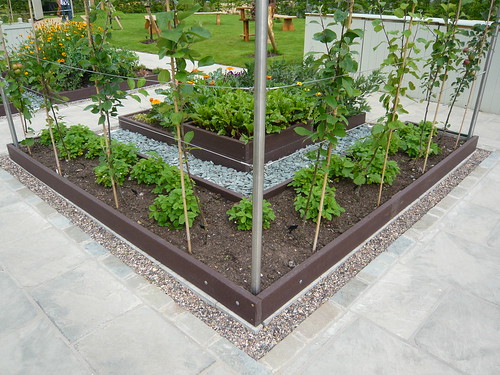
Marmax products make raised bed sides from recycled plastic and donated this set to the new library and learning centre at RHS Harlow Carr.
Hard wearing, long lasting and doing its bit for recycling this use of plastic in the garden is to be admired.

Supplied in flat pack, kit form the sides are in depths of 140mm so you can also make 280 or 420 deep beds by using 1-3 levels screwed together. In old money I make that five and a half inches 11″ and 17″ or thereabouts.

Other Methods.

  • The old railway sleepers took a bit of a dive when creosote was banned or frowned upon in gardens. The seepage of chemicals from sleepers seems small to me and the method is still popular if you find old sleepers.
  • Diy fanatics may use log piles or build more substantial retaining walls.
  • The BBC has a video featuring Monty Don that shows how and why raised beds are useful.
  • For more pictures and ideas on the type of raised bed have a look at these images

Uses of Raised Beds

  • Raised beds help improve drainage on heavy soil.
  • Beds warm up quicker when raised and can be angled towards the sun.
  • Smaller plants can be lifted for closer inspection or to get the perfume and it may avoid getting down on your knees.
  • Flowers, vegetables and soft fruit can all be successfully grown in a raised bed.

Plant Labels, Markers and Tags – DIY

Posted: August 3rd, 2010 | Author: hortoris | Filed under: Projects, Uncategorized | 1 Comment »

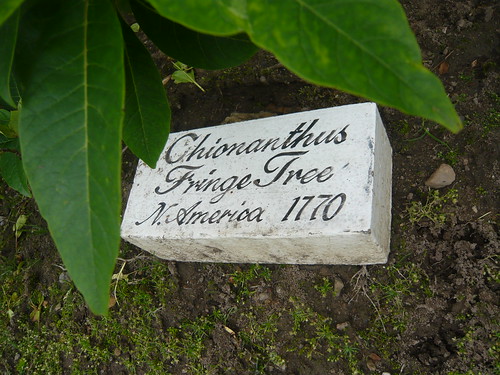
plant label brick

Do you ever think you have ‘dropped a brick’ when you can’t remember the name of one of your plants?
Do you yearn for something other than a small plastic tag with a pencil markings you need to be a contortionist to read?
Perhaps you reuse the colourful nursery plant labels that are bleached by the sun in one season?

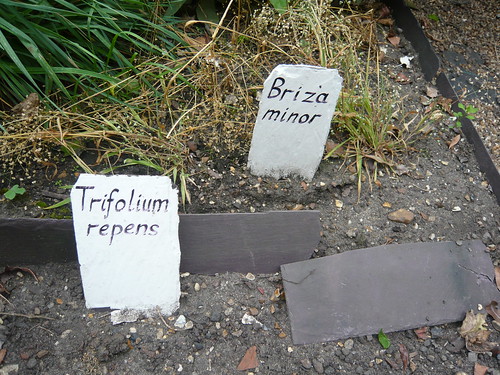
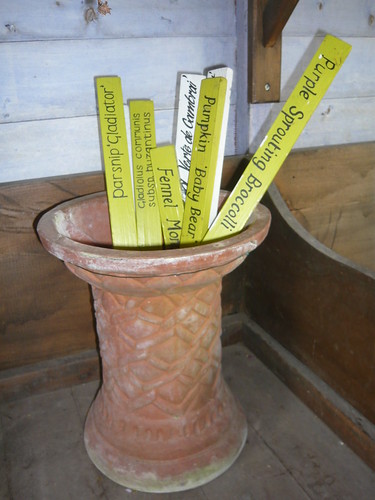
Well pictured here are 3 home made methods of visually recording your prized plants.

Plant lables

This bed is edged with old slates and other slates for name tags are painted white. The size was 2.5″ by 6″ and the short edge was capable of being wedged into the soil. I would need to practice my script writing to get the feel of this old style naming but the effect was in-keeping with this bed of plants.

plant lables

Do not be fooled by the shape of these labels. As they say ‘a good big one beats a good small one any-day’. And these name tags were big as the Jardiniere was over 2′ tall so the name sticks were 3 feet plus. Not so obtrusive when well sunk into the garden but still visible without a microscope.

My favourite was the white brick (with the flat side). Other alternatives include engraved stones as labels, wooden tags and labels or aluminium diy labels from suppliers like Alitags.
The RHS has a web page of children’s projects to make fun labels, you just need a plant called ‘Blue Peter’


Telescopic Extending Garden Shears

Posted: July 29th, 2010 | Author: hortoris | Filed under: Tools and Equipment | 1 Comment »

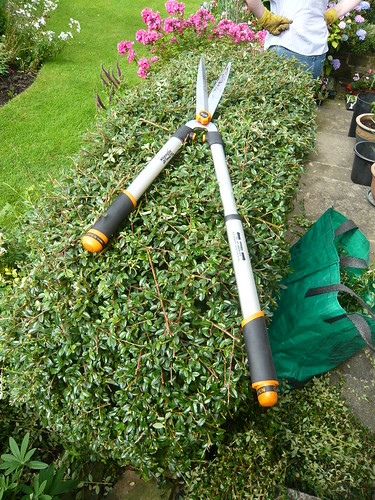
Telescopic Shears

My wife has treated us to a pair of hedge trimming shears with telescopic arms. That is her in the garden, with uncharacteristic hands on hips, as she does most of the grass cutting and hedge trimming.

Tips for Shears.

  • Clean the shears of sap after you have used them. Never put away dirty or wet shears.
  • Do not try to cut thick stems with shears meant for fine work.
  • It is easier to sprain shears than to blunt them so do not twist them to get through an awkward branch.
  • Spray occasionally with WD40 or oil your shears
  • Buy the best quality you can afford – cheap equipment can be false economy.
  • Shears

    Operation

  • These shears operate as normal short handled shears most of the time.
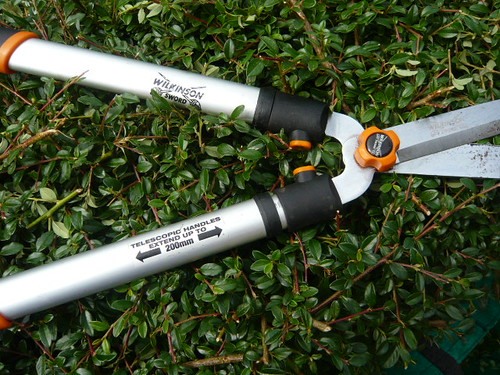
  • To reduce stretching and to reach awkward places they extend by twisting a lock in the handle.
  • After unlocking pull out the extending handle to increase the length. For me it is either all out or all in but you can adjust the length to suit.

« Older Entries
Newer Entries »
  • Best of Gardeners Tips
  • Top 100 Gardeners
  • Gardening at Amazon.co.uk
  • Seeds at Thompson & Morgan
  • Jersey Plants Direct

Categories

  • Art
  • Books & Publications
  • Clothing
  • Constructions and Greenhouses
  • Garden Economics
  • Growing Aids
  • Pests and Problems
  • Products
  • Projects
  • Seeds and Plants
  • Tools and Equipment
  • Uncategorized
  • Weeds and Treatments
Gardeners Tips