Gardening Products

Tips for the Gardener

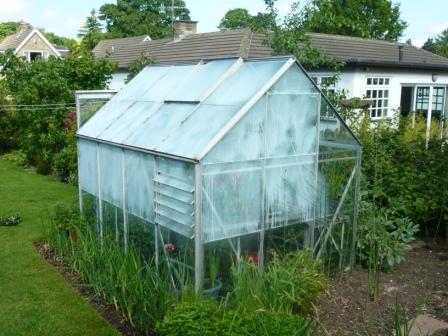
How To Reduce Disease in the Greenhouse

Posted: April 26th, 2010 | Author: tejvan | Filed under: Pests and Problems | 1 Comment »

How To Reduce disease in the Greenhouse

  • Keep Floor very clear and tidy.
  • Remove any dead or decaying material.
  • For certain disease it is better to burn the infected material or put in household rubbish. Some slow compost heaps may be insufficient to ensure disease is killed.
  • Make Sure there is a good airfloor. Install vents at base of greenhouse as well as using windows at top. Make sure there is an airflow from door to other end of the greenhouse.
  • Be careful of using spent compost. Using fresh compost makes better chance of avoiding disease.
  • Be careful of using stagnant water from a water butt. If in doubt use fresh water.
  • Rotate plants. Don’t grow tomatoe plants in the same soil year after year, it is asking for disease.
  • Use Grow bags as a way to ensure fresh soil and infection.
  • Clean all pots and glass at the end of the year with a Jeyes Fluid.
How Do Biological Pest Controls Work?

Posted: April 25th, 2010 | Author: tejvan | Filed under: Pests and Problems | Tags: Pests and Problems | 2 Comments »

Biological controls are the introduction of natural predators so they will kill or at least contain the pest population. For each different pest, you will need a different predator. This is a potential drawback, but, usually, you will only be affected by one or two at a time.

Pests

  • Ant – Pathogenic Nematode – Steinernema Feltiae
    Aphid – Parasitic Wasp lava – Aphidius Species
    Mealy Bug – Pathogenic Nematode – Cryptolaemus Montrouzieri
    Red Spider Mite – Predatory Mite – Phytosieuslus Persimilis
    Scale Insect – Parasitic Wasp – Metaphycus Helvolus
    Slug – Pathogenic Nematode – Phasmarhabdita
    Whitefly – Parasitic Wasp – Encarsia Formosa

Biological control may need particular conditions for the predators to flurish. usually they do better in warm conditions (but not too hot). Nematodes for slugs need damp conditions.

The great thing about Biological control is that they can be used with other organic methods, but, once introduced you cannot start spraying with chemicals as you will kill predators too.

Related

  • Pros and Cons of Biological Pest Control
  • Biological Pest Control at Jersey Direct
  • Biological Pest Control at Amazon

Best Greenhouse Shading

Posted: April 25th, 2010 | Author: tejvan | Filed under: Constructions and Greenhouses | No Comments »

greenhouse shading

What is best way to Shade a Greenhouse from summer sun?

There are a few different options with different costs and ease of use.

1. Shade Paint.

Shading paint can be applied at the start of the summer and removed when the hot spell is over. However, it isn’t very attractive. Also, there is no in between.

2. Rollers.

Rollers are very effective in reducing heat. They can also be adjusted depending on the day. Also, once in place they don’t have to be removed and reapplied each year. The drawback with rollers is that they need more daily maintenance.

3. Netting.

A green netting is more attractive than shade paint. Though it is a little more cumbersome to remove and put in place.

4. Damping Down / Airflow. This is not shading a greenhouse, but it can help prevent the greenhouse overheating in summer. Water helps remove some heat, but, leaves may still be vulnerable to scorching.

  • Different Types of Greenhouse shading at Amazon

Related

  • Greenhouse Shading
  • Cool Greenhouses

Dealing With Greenhouse Pests

Posted: April 24th, 2010 | Author: tejvan | Filed under: Uncategorized | No Comments »

General Principles for dealing with pests

  • Companion Planting – plants like marigolds can attract natural predators like hoverflies
  • Keep Greenhouse space clean and tidy so slugs and snails don’t have anywhere to hide.
  • Check regularly for damage before too late. Use magnifying glass and check underside of leaves.
  • Keep plants strong and vigorous so they are more resistant.

Dealing with Specific Pests
Red Spider Mite

Red spider mite are tiny insects almost invisible to the naked eye. They cause yellowing  and mottling of leaves.

Prevention – avoid periods of drying out and overwatering. They thrive in dry atmosphere, so spray the underside of leaves and dampen down the greenhouse. Also, you can introduce biological control

Whitefly

Whitefly can soon take over a greenhouse. They suck sap and makes the leaves turn yellow. If you tap leaves, you will notice a white powder fall off. Can be dealt with through biological spray or proprietary pest control.

Vine Weavil.

Once an adult lays eggs, they can cause real damage to plant roots causing whole plants to drop at stem and die.

Check overwintered compost. Look out for adults who might be laying eggs. Can be dealt with by parasitic nematodes, but, the worst of the damage may have occurred.

Slugs and Snails.

Keep greenhouse floor clear of any debris that may give them hiding places.  Also keep the floor dry except where watering. For slugs you can use a whole variety of methods depending on your preference.

  • Slug Pellets
  • Beer Traps
  • Parasitic Nemotodes.
  • Go Hunting in Evening with a pair of scissors

Related

  • Dealing With Slugs and Snails
  • Pest Control at Amazon

Weedkiller for Dandelions

Posted: April 3rd, 2010 | Author: tejvan | Filed under: Weeds and Treatments | 2 Comments »

At this time of the year, dandelions are growing fast and will soon be setting seed and sowing more seeds for next year. One option is to dig out dandelions with a small spade or trowel. They have a long root which all needs to be taken out. It can feel satisfying to dig out a long root, but, it is difficult to stop it breaking.

Alternatively, you can use a good systemic weedkiller. For well established dandelions with deep roots, they may take a few repeated spraying to completely eradicate. But, ultimately, a weed killer will finish off dandelions.

Book Cover

Roundup Weedkiller concentrate. Good for large areas which need treating.

Book Cover

Handy spray gun, good for small areas and prevents the need for mixing up concentrate in a spray can.

Treating Dandelions in Lawns

Treating dandelions in lawns requires a little more care. Again, you could use the manual approach of using a trowel to dig out the odd weed. Alternatively, you can use a particular lawn weedkiller such as:
Book Cover

Spray Gun for Lawn weeds

Are Dandelions Weeds?

Yes, definitely if you don’t want them there. They will also spread quite quickly, they thrive in the British climate. Some might grow Dandelions for their leaves and roots (can be made into a somewhat bitter coffee). Also the yellow flowers are quite attractive. It’s not the end of the world to have them in your lawn.

Related Posts

Controlling Invasive weeds


Newer Entries »
  • Best of Gardeners Tips
  • Top 100 Gardeners
  • Gardening at Amazon.co.uk
  • Seeds at Thompson & Morgan
  • Jersey Plants Direct

Categories

  • Art
  • Books & Publications
  • Clothing
  • Constructions and Greenhouses
  • Garden Economics
  • Growing Aids
  • Pests and Problems
  • Products
  • Projects
  • Seeds and Plants
  • Tools and Equipment
  • Uncategorized
  • Weeds and Treatments
Gardeners Tips