Gardening Products

Tips for the Gardener

Watering Systems for the Garden

Posted: June 2nd, 2010 | Author: tejvan | Filed under: Uncategorized | 3 Comments »

watering-system
Sprinklers in use at Oxford Botanic Garden – necessary for the new grass seed being planted.

One of the challenges facing gardeners is getting sufficient water into the garden. There are different options available which have different pros and cons.

Sprinkler system / Sprinkler Host

Attached to water supply, sprinkler systems automatically spread water to a wide area ensuring a widespread coverage. However, it is somewhat wasteful as many water will go on paths e.t.c where it is not needed. There is also likely to be more evaporation as it is sent into air. This may be the best solution if you need to water a large area of new grass but for borders can be wasteful.

Leaky Pipe. A leaky pipe is a hose with a porous membrane. It means that water seeps out of pipe slowly. This means that a hose laid across a border will filter water to the soil where it is needed, at the roots of plants. Similar to a leaky pipe is a seap hose. Which is a hosepipe with a series of pin size holes, having a similar effect to a leaky pipe.

Drip System. This is one of most sophisticated and expensive systems. It is a hose with a serious of drips which can be turned on and off. This means that a pipe laid along a border can get water exactly to the plants which need it. This is very good because it enables you to discriminate between plants which need a lot of water and those which don’t thrive on excess water.

Watering Can. Hard work for anything but small gardens, it enables water to be directed exactly where needed.

See also: Watering Tips

  • Watering systems at Amazon.co.uk
  • Watering cans at T&M

Best Lawn Weed Killers

Posted: May 20th, 2010 | Author: tejvan | Filed under: Uncategorized | 3 Comments »

The traditional lawn weed killer, is based onĀ  Ferrous Sulphate. Ferrous sulphate will kill moss and damage the broad leaves of weeds such as dandelions. However, ferrous sulphate is not guaranteed to kill all lawn weeds, so it is usually combined with other selective weedkillers with active ingredients such as:

  • MCPA
  • Dicamba
  • 2,4 D
  • Mecoprop- P
  • Dichlorprop
  • Fluroxypy

Take care when applying lawn weedkiller, it is important to follow instructions careful. Make sure you don’t apply too much as you could be left with brown grass.

After application do not walk on lawn until it has rained or two days have passed. The application may take a long time to have effect, up to 4-5 weeks. Some weeds may need a second application.

It may also be worthwhile doing a bit of grubbing for stubborn weeds (using trowel to dig up tap root).

Also, it is important to combine lawn weed killer with good lawn maintenance. For example, if your lawn is very mossy, try to ensure better drainage, and more light, otherwise the problem will just return.

Best Lawn Weed Killers

Book Cover
Lawn weed killer

Four in One Weed killer and Feed. Feeds grass, kills weeds, controls moss and helps protect against draught.

Spot Lawn Weed Killers

Useful for direct spraying of problem areas. This is easy to use with a simple spray gun action – saves having to mix up chemicals.

Book Cover

Spray on lawn weed killer at Amazon

Related

  • Common Lawn weeds and treatment

Best Weed Control

Posted: May 20th, 2010 | Author: tejvan | Filed under: Uncategorized | 1 Comment »

weed

There are different ways to control weeds in the garden. This will depend on the type of weed.

Hoeing.

For annual weeds, hoeing is often simplest and most effective way of killing them. Wait until they have got to a reasonable size, but, before they start setting seed, then hoe cutting them off at ground level.

Be careful of hoeing bare soil as you may bring weeds seeds to the surface. Also, I like to take care to avoid hoeing any self-sown annuals that you actually want.

Choose a dry day, so that you they will soon dry up. They can later be collected and put on compost heap.

Grubing.

Be prepared to go on hands and knees. Get a trowel or fork and dig under the perennial weeds tap root. Loosen the soil and try and get as much of the root as possible. It works better on dry soil as it tends to be easier to sake off the soil from the roots. Be careful, not to split up the tap root into smaller pieces, as you may end up multiplying the weed.

Glyphospate

Glyphospate is one of the commonest available weed killers. It is often sold under brand names such as RoundUp. It will kill any plant material, so take care when spraying. One option is to use some suitable gloves and put some weedkiller on the tips of the gloves and then smear it directly on to the leaves. You can also use a small brush to apply the weedkiller directly.

Glyphospate Weed Killers

Book Cover at Amazon.co.uk

Weedkillers at Amazon.co.uk

If necessary, cut away some lower leaves of a nearby choice plant to make it easier to get the weed.

For climbers like Bindweed, put a cane in ground to allow it to grow up. (see picture top)

After applying Glyphosate, give the chemical time to travel down in to the ground.

Related

  • Controlling invasive weeds
  • Most Common Garden Weeds
  • Tips for weeding a garden

Killing Aphids

Posted: May 20th, 2010 | Author: tejvan | Filed under: Pests and Problems | 3 Comments »

Aphids can do a lot of damage to plants. Firstly they weaken it by drinking the sap. Secondly they can spread disease such as powdery mildew. Aphid action also often attracts ants, who enjoy the sticky residue left by aphids. Ants are not directly a problem, but, they can damage the base of plants and look unsightly.

If you have some prize specimens, keep a close eye for first sign of infestation in April, May. At first sign you can try squeezing them with your fingers or blowing them off with water.

If you are going for organic control, you will want to be encouraging natural predators such as hoverflies and ladybirds. This can be done by using plants which attract the hoverflies. For example stinging nettles and marigolds.

Organic Spray for Aphids.

There are organic sprays for aphids. These are based on fatty acid sprays which are counted as organic. However, they are not systemic. Organic Aphid Sprays at Amazon

Pesticides for Aphids.

If organic controls are insufficient, you may need to resort to a chemical spray which kills the aphids and can also provide a systemic action, entering into sap and preventing future infestations.

  • Pesticides for Aphids

Related

  • Organic methods for dealing with Greenfly
  • Best Way of Killing slugs

Best Plant Food

Posted: May 13th, 2010 | Author: tejvan | Filed under: Uncategorized | 1 Comment »

To get best from garden it is important to make sure your plants have adequate food and nutrients. It is also important to make sure they aren’t overfed with the wrong kind of food.

The first thing is to try and feed the soil. See these soil improvement tips. This will provide natural food and also help the organic content of the soil.

However, it may be hard to get sufficient compost in a short space of time. Therefore, the garden will need additional feeding.

A liquid feed is ideal for pots and grow bags. It enables you to feed exactly where you want and the food is immediately in the soil. Sometimes it is worth feeding less than the manufacturers recommendations but more frequently – less but more frequently is main thing.

Slow Release Feed.

Slow release feed is great for the low maintenance gardener. One sprinkling in spring can be sufficient to provide food throughout the gardening season.

Organic Feed.

If you have a patch of comfrey, you can make your own organic feedĀ  by stewing comfrey in a tub of water and draining off the liquid. Be ware it is somewhat smelly. See: Free comfrey plant food

Tomato Food.

There isn’t a specific ‘tomato food’ Tomatoes just thrive on Potash – which is element ideal for fruit and flowers. It is relatively low in nitrogen – good for green growth, but, this will help provide a bumper crop. Tomato Feeds

  • Plant Food at Amazon

Compost Accelerators

Posted: May 12th, 2010 | Author: tejvan | Filed under: Products | 2 Comments »

Good compost is a valuable ingredient for a successful garden. Unfortunately, compost can take a while to decompose. Therefore, it is well worth helping to speed up the natural process with a compost accelerator. A compost accelerator contains nitrogen and other ingredients which help speed up the natural organic cycle of breaking down plant material.


  • Compost accelerators at Amazon

Book Cover

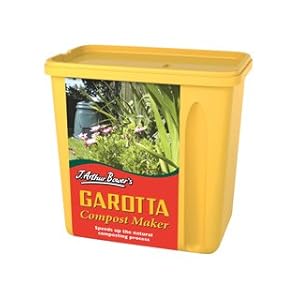
  • Garotta Compost Maker

In addition to using a good compost accelerator, it is also worth bearing in mind the following tips to help compost decompose.

  • It is vital the compost is moist. Dry compost will take forever to decompose. Make sure when adding accelerator, that you add sufficient water.
  • Well drained. At same time, it is important that there is sufficient drainage, if compost gets waterlogged it will become a smelly anaerobic mess.
  • Mixture of plant material. Mix grass clippings with more woody style plants.
  • See: Tips on making compost

Sunflowers From Seed

Posted: May 7th, 2010 | Author: tejvan | Filed under: Seeds and Plants | 1 Comment »

sunflowers

It is not too late to try growing some sunflowers from seed. At this time of the year they can be sown directly into the soil. However, for best results, we suggest sowing 2 or 3 seeds in a 3 inch pot and then later planting out.

For early sunflowers, try sowing under glass in March. Provide a gentle heat for best results.

After a few weeks thin out the weakest seedlings to leave one plant. When the seedling has outgrown its pots, dig a hole into the ground and plant the young sunflower into the soil.

Before planting, try digging some organic matter into the soil to give the sunflowers a good source of food.

Keep well watered, especially during the planting time.

Staking Sunflowers.

As soon as a sunflower is over 1 foot, you will need to think about staking. Try to know the likely size of the sunflower and plant a cane firmly into the ground. Make sure, it is put firmly into the ground to protect against late summer winds. Also, the sunflower will become heavy when it starts to flower.

Sunflower Seeds – Great Value

    Various sunflowers from Thompson & Morgan

More Tips on Growing sunflowers

  • Tips for growing sunflowers

Modern Garden Furniture

Posted: April 29th, 2010 | Author: tejvan | Filed under: Uncategorized | No Comments »

garden-furniture

Tasteful Garden furniture

Modern Garden Furniture is a matter of taste. The advantage of plastic garden furniture is that it is much more weather resilient and can often be easily folded.

However, if it is cheap plastic, it will look and feel cheap. Many trends are heading back to ‘retro’ style furniture and the classic wood furniture which blends in with the surroundings.

Garden Furniture at Focus DIY

garden-furniture

Old Style garden furniture which has attracted an old style user.


Best Weedkillers

Posted: April 28th, 2010 | Author: tejvan | Filed under: Weeds and Treatments | No Comments »

Amicide (Ammonium Sulphamate) is an effective weedkiller, but, unfortunately no longer available commercially. It is particularly effective at killing strong weeds like horsetail.
You can sometimes find on ebay. People offer it as a compost accelerator with strict instructions not to use as a weedkiller.

Glyphosate

Glyphosate is the most commonly available weedkiller on the market. It is sold under brand names such as Round Up.
The good thing about Glyphosate is that it is safe and soon breaks down on contact with the soil. It is systemic which means it works its way down the plant into the roots. It also doesn’t kill the plant straight away which is good as it gives time for weedkiller to work its way down into roots.

Book Cover

  • Roundup Weedkiller concentrate. Good for large areas which need treating.

In some countries it is actually accepted as an organic weedkiller. But, not in the UK.

It’s only drawback is that you will need repeated applications for strong and resilient weeds such as horsetail and bindweed.

Related

  • Tips for Weeding a garden
  • Weedkillers at Amazon.co.uk
  • Weedkillers at Focus DIY
  • Invasive Weeds
  • Weed management at BBC

Path Cleaning and Cleaners
Garden Disinfectants
Best Weed Killers
Wood Care
Fence Care


Horsetail Eradication

Posted: April 27th, 2010 | Author: tejvan | Filed under: Weeds and Treatments | 7 Comments »

Horsetail is a tough weed. Great Horsetail (Equisetum telmateia telmateia), has been around for over 60 million years, so don’t be surprised if it is tough to get rid of!

It is not impossible to remove, but, you will need patience and perseverance.

Dealing With Horsetail

  1. Digging Horsetail.
  • The problem with horsetail is that its roots can be over 1 metre under the ground. Also the roots are very thin and easily break.
  • However, at the start of a horsetail clearance it is worth trying to dig some of the higher roots from the soil as this will weaken the food reserves and plant.
  • The important thing is to wait for the soil to dry out, as this makes it easier to dig more of the root out. If you have a light crumbly soil it will be more easier. It is difficult in a clay soil.
  • Dig the spade a foot into the ground and look out for the black roots, shake away the soil and try and keep as much of the root as possible.
  • One problem with digging horsetail is that if you break up the roots into many different pieces you may actually end up creating more plants, as it only needs one inch of root to regenerate. Never use a cultivator.
  • Important: Before putting roots on compost, make sure you leave for a few days to dry out (or alternatively you can dunk in water).
  • The horsetail will almost certainly return. You can try repeatedly hoeing until the plant loses all energy. But, prepared to do it frequently and repeatedly. It may take more than one growing season.

Weedkiller for Horsetail.

  • Glyphospate (Round UP) does damage the plant. After repeated applications you should be able to kill the plant.
    Try crushing the leaves before applying the weedkiller, this enables the weedkiller to get right into the plant. After a day or so, the weedkiller will turn the leaves brown – a sign it has damaged it. The plant will regrow, but, after 5 or 6 applications the weed should be killed off. Hopefully!

Book Cover

  • Roundup Weedkiller concentrate. Good for large areas which need treating.

Related

  • Weedkillers at Amazon.co.uk
  • Weedkillers at Focus DIY

« Older Entries
Newer Entries »
  • Best of Gardeners Tips
  • Top 100 Gardeners
  • Gardening at Amazon.co.uk
  • Seeds at Thompson & Morgan
  • Jersey Plants Direct

Categories

  • Art
  • Books & Publications
  • Clothing
  • Constructions and Greenhouses
  • Garden Economics
  • Growing Aids
  • Pests and Problems
  • Products
  • Projects
  • Seeds and Plants
  • Tools and Equipment
  • Uncategorized
  • Weeds and Treatments
Gardeners Tips