Gardening Products

Tips for the Gardener

Garden Spring Clean Products

Posted: January 18th, 2012 | Author: hortoris | Filed under: Projects | No Comments »

Read about our ‘Quick Fix Garden Spring Clean’ tips.

Free Products to Help Garden Spring Cleaning

  • You have already supplied the first product with your brain power and resolve to spring clean.
  • Elbow grease is one of the most useful products you can imagine. It is even more use if applied in a preplanned, focused and logical manner.
  • A willing or paid helper may be the next product on your list. Make sure who is calling the shots or the helper may delegate to you!
  • Local councils collect your refuse so ‘Dustbin it’ or throw it on a compost heap with a tidy lid.
  • Plant out in neat rows any early or overwintering seedlings. This looks tidy and you can aim for the natural planting look when plants growth really takes off.
  • A sweeping brush is essential and could be made as a besom out of birch twigs but I would splash out on a bought brush.

Product Reports and Articles

Path Cleaning and Cleaners
Garden disinfectants
Best Weed Killers
Wood Care
Fence Care


Poundshop Pots and Cheap Pots

Posted: August 29th, 2011 | Author: hortoris | Filed under: Projects | No Comments »

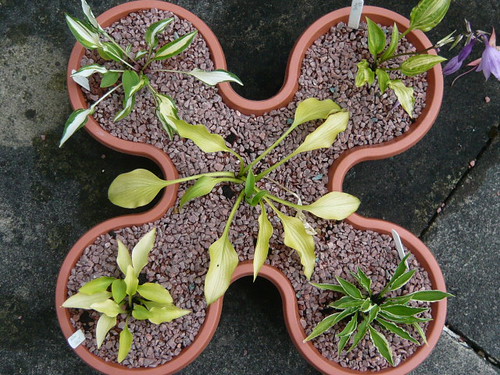
Pots for mini Hosta

I am an extravagant shopper throwing my pounds away on all sorts of garden related offers.

This plastic pot was only £1 and I wish I had bought several more. It was probably designed as a holder for 5 individual pots.
I drilled holes in the bottom and using well drained but moisture retentive compost I planted it up with these miniature Hostas. It will keep the slugs at bay and provide a home for the Hostas to increase in size. Fortunately I had some red alpine grit to decorate the top and it looks OK with the terracotta plastic colour.

I could have put gravel or Hortag in the bottom and used it for pot plants but I would probably have let them get waterlogged.

Warning on Cheap Pots

  • Make sure there is enough drainage. Pots sometimes have too few holes or none at all.
  • Pottery pots may not be frost proof and even terracotta pots and earthen ware may crack and split in freezing weather.
  • Ceramic pots need to have been fired at high temperatures (expensive energy) or they will chip and have a short life.
  • Cheap plastic pots may be made from thin material that flexes, cracks and distorts when full of wet compost

Related articles
Poundshop bulbs
Growing tips for miniature Hostas


Log Roll Edging

Posted: May 18th, 2011 | Author: hortoris | Filed under: Projects | No Comments »

Edging

I have had problems with my terracotta edging alongside a path. It looked very tidy and the sculpted effect was very pleasing. There is negligible soil to hold back and a straight concrete path edge to butt up against. However after 3 winters 25% of the sections have broken or crumbled. This is annoying as they are not cheap and it takes time and effort to replace the damaged ones.

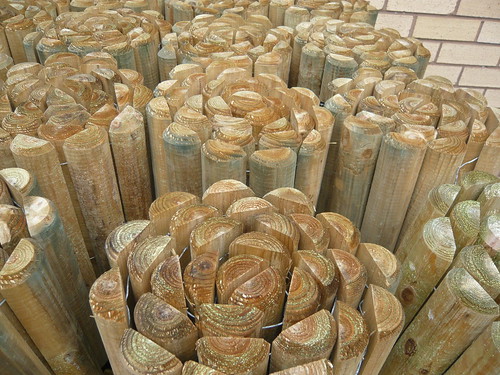
An alternative may be the log roll type edging shown above. It is more robust and less aesthetically pleasing but needs must. Made from tanalised wood it will probably last up to 10 years. The links are made from robust galvanised wire.

Log Roll Edging Tips

  • Log rolls are available in various heights. 6″ is a bit small for some jobs if you need to bury part of the edging 9″  and 12″ seem my preferred sizes.
  • Roll lengths also vary but more than 6′ in length and the roll becomes harder to handle.
  • You can get untreated wood rolls but they will rot quicker.
  • You could treat the wood with a paint or dye similar to that used for fences or decking.

Other Options For Edging

  • Metal edging strip is popular on lawn edges. Green and black versions are available.
  • I use some concrete paving on its side and kerb stone sections.
  • There is a Bamboo fence sold as edging that looks attractive in the right setting.
  • Willow hurdles or woven willow can act as edging.
  • Gard Edge is made from polypropylene and is guaranteed for 10 years.
  • For a neat lawn edge there is nothing to beat a well tended gully and the soil cut back regularly with a lawn edging tool.

Amazon supplies a variety of Log Rolls similar to the photograph above.

Read more about Lawn Edges


Garden Equipment For Children

Posted: April 29th, 2011 | Author: hortoris | Filed under: Projects | No Comments »

Trampoline

What garden equipment attracts children of the current generation?

  • The swing was the most popular piece of equipment until recently when trampolines became more popular.
  • Tree houses and dens made from existing resources rather than purchased have enduring charm and fit into the rest of the garden without jarring too much. If you can accomodate bird and insect homes why not have an area for the kids.
  • If young footballers keep missing the net you can be sure the ball will hit a precious plant. Unless that is, you have the space for a large lawn with a hard surface surround. More damage is done recovering balls fro herbaceous borders so plant tough items like geraniums, hemerocallis, bay and box.
  • Sand pits are great for the very young. Buy fine sand not the yellow staining sort of builders sand.
  • With a suitable wall you can paint wickets or goal posts and even mount a hoop for netball.

Water for Children

  • Safety is important for younger children. Do not leave them alone near water.
  • A rill can be fun. A shallow stream or channel of running water fed from a sump.
  • If you have a pond you can fit a black metal mesh just under the water surface and it will be virtually invisible.
  • What about a board walk over a marshy area. Not as much fun perhaps as a paddling pool that needs to be emptied when the adults are not around.

Tree and Play Houses

  • If you do not have a large sturdy tree you can build one on posts hidden by the branches of a smaller tree.
  • Keep kids interested by adding to a tree house with ropes, hammocks, walkways or other features.
  • If you are handy you could mount a tree or play house above a garden shed
  • You can buy a large range of tree houses see amazon

Trampolines from Amazon
Swings from Amazon


Trampoline photo from Darkjoe on flickr using creative commons license


Stone Chippings and Grit

Posted: April 21st, 2011 | Author: hortoris | Filed under: Projects | No Comments »

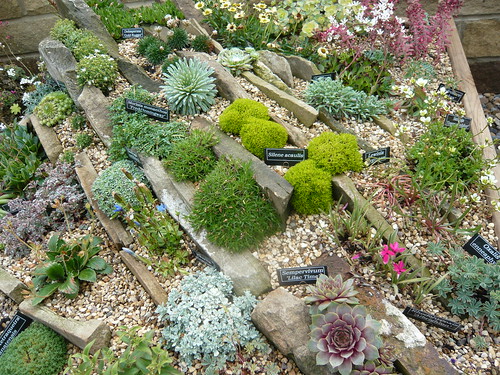
alpine  scheme

Uses of Grit and Stone Chippings

  • Decorative features on paths and patios.
  • Alpines and rock gardens need grit for drainage and chippings can add a nice decorative finish.
  • Add to the top of pots to retain moisture and improve general appearance.
  • Top off  newly sown alpine seeds to prevent water washing seeds away.
  • Chippings deters weeds on beds and borders when used as a mulch.
  • Also good for topping pots indoors.
  • Deters moss and algae from growing.
  • Grit and sharp sand improve drainage and help breakdown heavy clay soils.

Yorkshire cream coloured stone chippings in very large bags from amazon. They are about half to one inch sized chips or 15-25mm of creamy stones. A large bag will cover approx 15 square yards at 2 inches deep.


Read about Alpine Plunge beds or about Creative Mulching


Collecting Old Garden Tools

Posted: March 17th, 2011 | Author: hortoris | Filed under: Projects | No Comments »

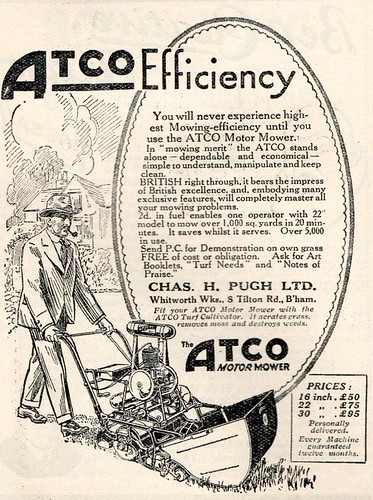
atco

I am often attracted to this advert for Atco lawn mowers.
I must visit the lawn mower museum to see its 400 cousins.

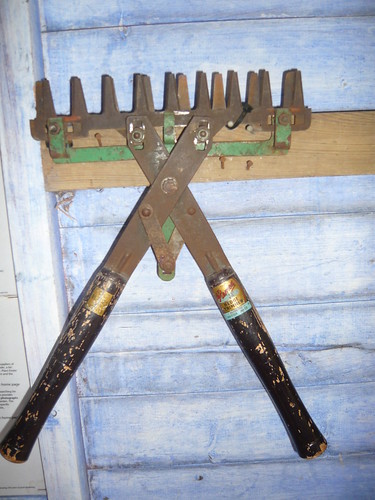
clippers

Old automatic hedge clippers on display at RHS garden

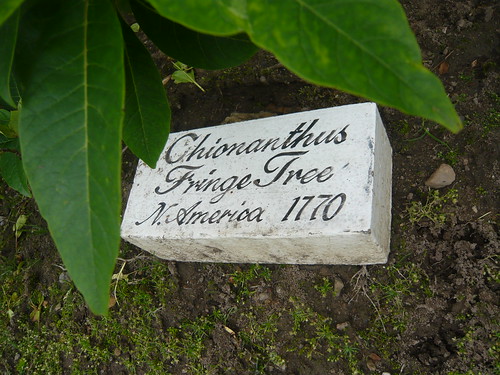
plant label brick

Plant label at the Chelsea Physic Garden

Old Garden Tools T Shirt from Amazon

Book Cover Old Garden Tools from Kay Sanecki


Climbing Plant Frames and Supports

Posted: March 16th, 2011 | Author: hortoris | Filed under: Projects | No Comments »

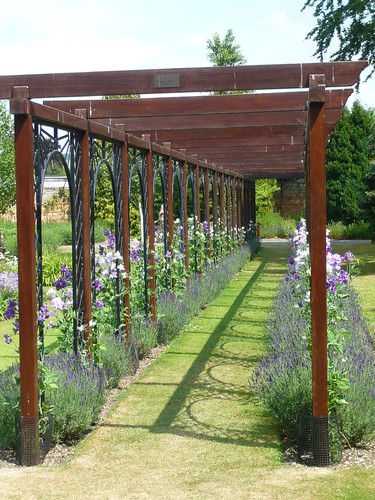
Burnby Hall Pocklington

A rose arch is a serious piece of kit for supporting your climbers.
Other ideas are provided below;

Plant Frames and Supports

  • The good old stand by is the bamboo cane with twine.
  • Twiggy sticks can be enough to support peas and lower growing climbers.
  • If you have a fence or wall the strong wires tied across to soft nails or vine eyes may be the answer.
  • Thompson & Morgan’s climbing-frame-plant-support allows and encourages free growing plants to climb for 4 feet.
  • Trellis is another popular support mechanism and is available in a variety of patterns.
  • A rope swag hung between two uprights can encourage a vertical plant to grow laterally.

Supporting role of stakes


Preformed Pond Shapes

Posted: February 25th, 2011 | Author: hortoris | Filed under: Projects, Uncategorized | 1 Comment »

Pond

Ponds come in many shapes and sizes, I particularly like the kidney shaped version of this preformed rubberised plastic.
Cheaper versions are now on the market made from blown plastic that is not as rigid but is suitable for smaller preformed shapes.
Of course if you want a bespoke shape you can use Butyl liners, fiberglass, concrete or even clay.

Tips For Installing Ponds

  • Avoid sharp edges and stones by lining the base of the hole with sand.
  • Beware the weight of water will push a preformed pond deeper so make sure the base is firm and well packed.
  • Ensure the pond is level as the water will highlight any errors, slopping over one side and leaving a gap at the other.
  • Make a beach area at the edge of the pond so wild life can access the water without needing to jump off the rim or edge.

Tips from Wildwoods

Read the rest of this entry »


Bird Boxes and Nesting

Posted: February 10th, 2011 | Author: hortoris | Filed under: Projects | No Comments »

Bird box

Now is a good time to add to the bird boxes in your garden.

  • An open box has most of the front missing to attract Robins, Pied Wagtails, and Redstarts. Place 5′ or higher and close to a hedge.
  • With a box containing a small circular hole cut in the front it is the size of the hole that determines which bird is most likely to take up residence.

25 -28 mm for Blue Tits and Great Tits
32 mm for House Sparrows
45 mm for Starlings

  • I have a ‘Roosting pocket’ are made from natural materials (coconut fibre), to provide a place for birds, particularly wrens, to shelter.
  • The nesting boxes and  pockets are best placed in a quiet, sheltered spot – away from direct sunlight and prevailing winds and rain.
  • Owl boxes need to be over 15 feet high like the photograph.
  • Hung on a north facing wall or in a shady tree the box will remain cool as the weather warms in the spring.
  • It seems obvious to put boxes out of reach of any predators, particularly cats.
  • Position boxes away from bird feeders as the nesting pair will be constantly chasing the feeding birds away from their territory!
  • If building your own box use untreated wood.

Fish for Ponds

Posted: February 9th, 2011 | Author: hortoris | Filed under: Projects | 2 Comments »

Burnby Hall Pocklington

I am again thinking of adding another pond to my garden. It will be a feature in a new Japanese themed garden area so will need some coloured Koi. The two most commonly kept fish types in garden ponds are Goldfish and Koi but I have previously kept Orfe.

Koi

  • Koi   like to eat plants and can be kept  with only a few  types of plants.
  • Koi grow larger than Goldfish and should not be kept in ponds smaller than 700 gallons. Their pond should be at least three feet deep.
  • Koi live in communities so you should have at least 3 fish
  • Never use chlorinated water with Koi.
  • Koi  are very hardy fish and can withstand very low temperatures as long as the water is not frozen solid.
  • Koi are peaceful fish and can live with goldfish.

Goldfish

  • Goldfish can stay in your pond during the winter but need at least 12-16 inches of water below the freeze zone to survive.
  • Goldfish can be kept with most aquatic plant species.
  • They are the best fish for a small pond and can be kept indoors through winter if desired.
  • Goldfish types such as Shubunkins are low maintenance, colorful and rewarding as long as they get enough oxygen.

Orfe

  • Orfe are good fish as they swim visibly near the top of a pond
  • Orfe are sociable fish and should always be kept in groups of at least three.
  • Orfe are fast swimmers and need a lot of oxygen.
  • Orfe will jump out of very small ponds unless they get lots of room.

You may be commenting that I need to control the algea in the picture. I could have used a bale of barley straw or a chemical control from amazon

Read Preformed Garden Ponds

link to Garden Fish Pond site


« Older Entries
  • Best of Gardeners Tips
  • Top 100 Gardeners
  • Gardening at Amazon.co.uk
  • Seeds at Thompson & Morgan
  • Gardenening at Focus DIY
  • Jersey Plants Direct

RSS Gardeners Tips

  • Pollinators For Green Gardening
  • Leyland Cypress – Root and Branch Review
  • Rowan – Mountain Ash – Root and Branch Review
  • Judas Tree – Root and Branch Review
  • Scots Pine – Root and Branch Review
  • Common Larch – Root and Branch Review
  • Dahlias – Posts, Propagating and Pointers

Recent Posts

  • Great Gardening a Thoughtful Book of the Month Title
  • Gardening Aprons and Tool Holders
  • Garden Spring Clean Products
  • Calcified Seaweed Treatment and Benefits
  • Vegetable & Fruit Gardening Book of the Month

Categories

  • Art
  • Books & Publications
  • Clothing
  • Constructions and Greenhouses
  • Finance and Bargains
  • Growing Aids
  • Pests and Problems
  • Products
  • Projects
  • Seeds and Plants
  • Tools and Equipment
  • Uncategorized
  • Weeds and Treatments

© Copyright 2012 | Gardening Products | All Rights Reserved