Gardening Products

Tips for the Gardener

Cat Repellers

Posted: January 24th, 2011 | Author: hortoris | Filed under: Pests and Problems | No Comments »

Book Cover

Are you plagued by neighborhood cats or random visitors sitting on your prized plants. If so there are varoius measures you can consider.

DIY Methods of Cat Repulsion

  • One trick is to create some flickering random light reflections as a deterrent. CD’s on a string or some plastic bottles half filled with water in your borders. Cats see the light reflections, gets spooked, and hopefully slinks away.
  • Grow ‘Coleus Canina’ the “pee-off plant” or the “scaredy cat” coleus.  It gives off a smell that cats just can’t stand but humand find OK.
  • Put branches of thorny plants under bird feeders or grow some Berberis.
  • Improve your fencing.

Extreme Methods

  • Buy an infra red detecting  ‘Defenders Mega-Sonic cat repeller’ to protect your garden habitat and encourage wildlife and birds back into it.
  • Try ‘Get Off My Garden Cat & Dog Repellent’ available as Crystals or spray.
  • What other animal dares to intrude on a big cat’s territory? ‘Silent Roar’ fertilizer uses non-toxic pellets soaked in real essence of lion dung.

Guide to Stump Grinding

Posted: January 24th, 2011 | Author: hortoris | Filed under: Tools and Equipment | No Comments »

Stump grinding enables the removal of a tree stump from the ground after it has been cut down.

How it Works

  • A stump grinder of a size relevant to your garden is used to remove stumps.
  • The grinding can be done when the tree is cut down or some years later.
  • Most grinders have a vertical rotating disc with teeth.
  • This cuts the wood reducing the stump to mulch.
  • A stump grinder is a key tool for the arborculturist rather than the hobby gardener.

Other Issues

  • The grinding produces a mulch that can be removed, left to rot down (slowly) or used even though it starts off a bit cosmetically challenged.
  • For professional results rent a machine with an operator or employ a proper service.
  • Infected wood should always be disposed of away from the garden.
  • Removing the stumps helps the eradication of Honey fungus as it has nothing to feed on.

Book Cover

Health and Safety book


Garden Benches or Seats

Posted: January 18th, 2011 | Author: hortoris | Filed under: Uncategorized | No Comments »

When you have done your gardening jobs for the day you will have earned a cup of tea and a sit on your favourite seat or garden bench. From there you can admire your hard work and plan the next list of tasks that need to be undertaken. Gardeners Tips recommends you substitute gin or wine for the tea if the task list is too long!

Benches by Tati include the interestingly shaped teak banana bench. Made from seasoned, kiln dried teak hardwood from sustainable plantations.

A companion seat is two individual wooden seats joined at an angle so you can converse comfortably over your drinks.

Tati products are quality items delivered ready assembled and they make attractive addition to any garden, decking, outdoor poolside or patio area.

What to Look for In a Garden Seat

  • Garden furniture needs to last through some tough weather conditions. It pays to buy seasoned hardwood products.
  • Opt for the best quality you can afford.
  • Good furniture sets-off your garden and will be an inviting feature.
  • Ensure the furniture is in-keeping with the size and nature of your garden.
  • Locate your seat in the sun with good views and enjoy regularly.

Be Organised in your Garden

Posted: January 17th, 2011 | Author: hortoris | Filed under: Tools and Equipment | No Comments »

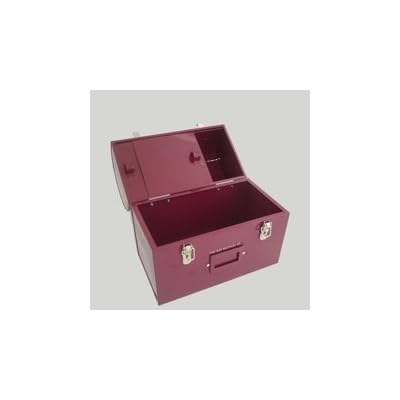
Burgon and Ball are one of the top names in garden equipment supply. Their new ‘Tool and Tuck Box’ is a robust affair suitable for taking down the allotment. It will hold your ‘veg patch essentials such as a trowel, secateurs, twine, labels, etc – while the sliding compartment in the lid holds vital gardener sustenance – sandwiches and cakes (contents not included!)’ from amazon

To take your seeds down to the allotment you may want to consider a special storage box.
Buy a special seed storage box from amazon for less than £10 or the Burgon and Ball Seed Packet Organiser £19.95

Alan Titchmarsh Gardener’s Organiser also from Amazon circa £13.

Read Seed Storage Tips at Gardeners Tips


John Innes Sterilised Compost

Posted: January 11th, 2011 | Author: hortoris | Filed under: Growing Aids | No Comments »

Many suppliers offer John Innes potting compost in grades 1, 2 and 3 plus John Innes Seed Compost for sowing seeds; John Innes Cutting Compost for rooting cuttings and John Innes Ericaceous Compost for plants which cannot tolerate lime. The proportion of each constituent varies according to the type and end use of the compost.

Contents of John Innes Compost

  • Loam is the most important ingredient in the compost as it provides the main “body” of the compost.
  • Sphagnum Moss Peat in the John Innes Compost increases the total porosity and improves both the aeration and the water-retaining capacity. Peat decomposes slowly into humus.
  • Coarse sand or grit is used as a physical conditioner to allow excess water to drain from the compost and thus prevent water-logging. It also helps to provide stability for larger plants.
  • The compound fertiliser in John Innes Compost include; nitrogen for top growth, phosphates for root growth, potash for flowers and fruit plus trace elements.

More detail and historical information is provided by the John Innes manufacturers association


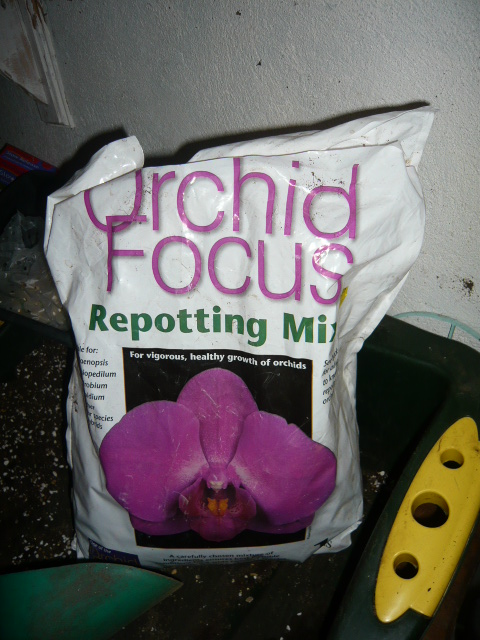
Special Compost for Orchids

Posted: January 10th, 2011 | Author: hortoris | Filed under: Growing Aids | 2 Comments »

Orchids love humidity but hate wet feet so a free draining compost is preferred. Some orchids are epiphytes that grow on other plants and trees and need to retain enough moisture when the opportunity arises. All roots need air in greater or lesser proportions and some orchids have roots that grow out of pots into open air. That gives a clue as to what good Orchid compost will be like.

Content of Orchid Compost

  • Bark chippings which come in differing sizes. For plants with thick roots choose a larger chips, if they are small and thin then choose small chippings.
  • Sphagnum moss, bark and  styrofoam mixed is good  for seedlings or very thinly rooted plants. It tends tol dry out quickly so watch the  watering.
  • Rock wool  mixed with a little perlite can seem dry on the surface   when very wet underneath and over time breaks down into a hard mass.
  • Lump peat and styrofoam is good for Phalaenopsis and those plants requiring a little more moisture retention.

Orchid Compost Tips

  • You can buy a proprietary Orchid compost at most garden centres
  • Compost breaks down and Orchids need repotting into fresh compost but only every couple of years.
  • Put some large crocks of foam at the bottom of the pot to aid drainage and retain air pockets
  • Repot just after flowering not whilst in flower.
  • Let bark compost soak in water overnight before repotting.

Read about Stanhopea orchids in a basket
or Orchids to write home about

  • Thompson & Morgan Chempak orchid growth feed. It is a high nitrogen liquid fertiliser containing plant foods, magnesium and six trace elements to promote growth

  • Compost Bins Review

    Posted: December 27th, 2010 | Author: tejvan | Filed under: Uncategorized | No Comments »

    compostbins

    Some general tips on Compost heaps.

    It is best to have at least two. This means you can be adding to the second whilst the first is rotten down. For leaves, you will want a dedicated leaf composter – which will be a simpler wire netting or plastic bag.

    The bigger the compost heap the better; it enables a higher temperature of composting. This higher temperature means quicker decomposing and more likelyhood of getting rid of disease.

    There is a simple art to making compost heaps. Essentially add a mixture of material. See: Tips on making a compost heap.

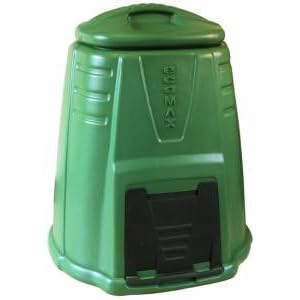
    Plastic Compost Bin

    The plastic bin can work well at composting. However, you may need to work harder at watering the compost. My plastic bin tended to dry out. It does have the advantage of keeping the compost in a small area.

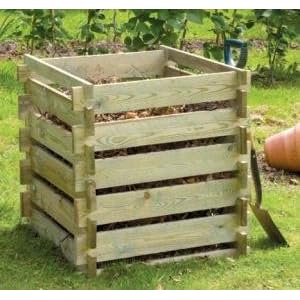
    Wooden Compost Bin

    compost

    For a wooden compost bin you can make your own, or buy a pre-made bin like this small one for £25. – Wood Compost bin at Amazon.co.uk Personally, I prefer wooden construction to plastic in the garden. Also, it allows for easier aeration, you can poke a stick through the sides to get some oxygen. This bin is easy to assemble, and the time saved on making your own is probably worth it, unless you enjoy DIY.

    Free Compost Bins

    Often councils have special offers on compost bins and it is possible to get compost bins free or at vastly reduce rates.

    Some cheap / free compost bins may be available here – Recycle Now

    Books on compost heaps at Amazon UK

    • Benefits of compost bins

    Best Bird Baths and Tips

    Posted: December 26th, 2010 | Author: tejvan | Filed under: Projects, Seeds and Plants | 7 Comments »

    birdbath

    photo by Wilip Von Ree

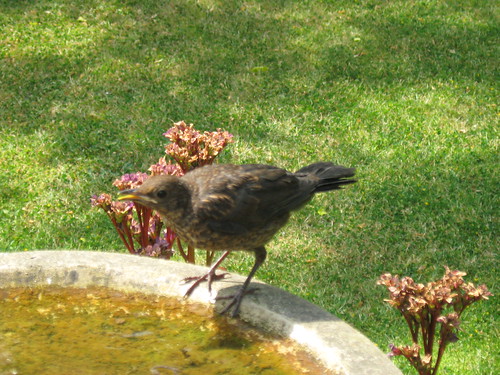
    Birds are struggling through our cold winters in the USA and the UK. Soon they will be hatching and fledging so they need access to water and the gardeners answer is a bird bath.

    Where to Locate a bird Bath

    • Birds will use a bird bath if they feel safe and have an escape route into cover.
    • Locate the bath near suitable hedges or trees
    • Make it hard for cats to lurk near the bath using vegetation as cover
    • Place the birdbath where the birds can see the area around it and where there are no hiding places for predators
    • Place away from direct sun as this prevents algae growth in the bath.

    What Features are Needed Read the rest of this entry »


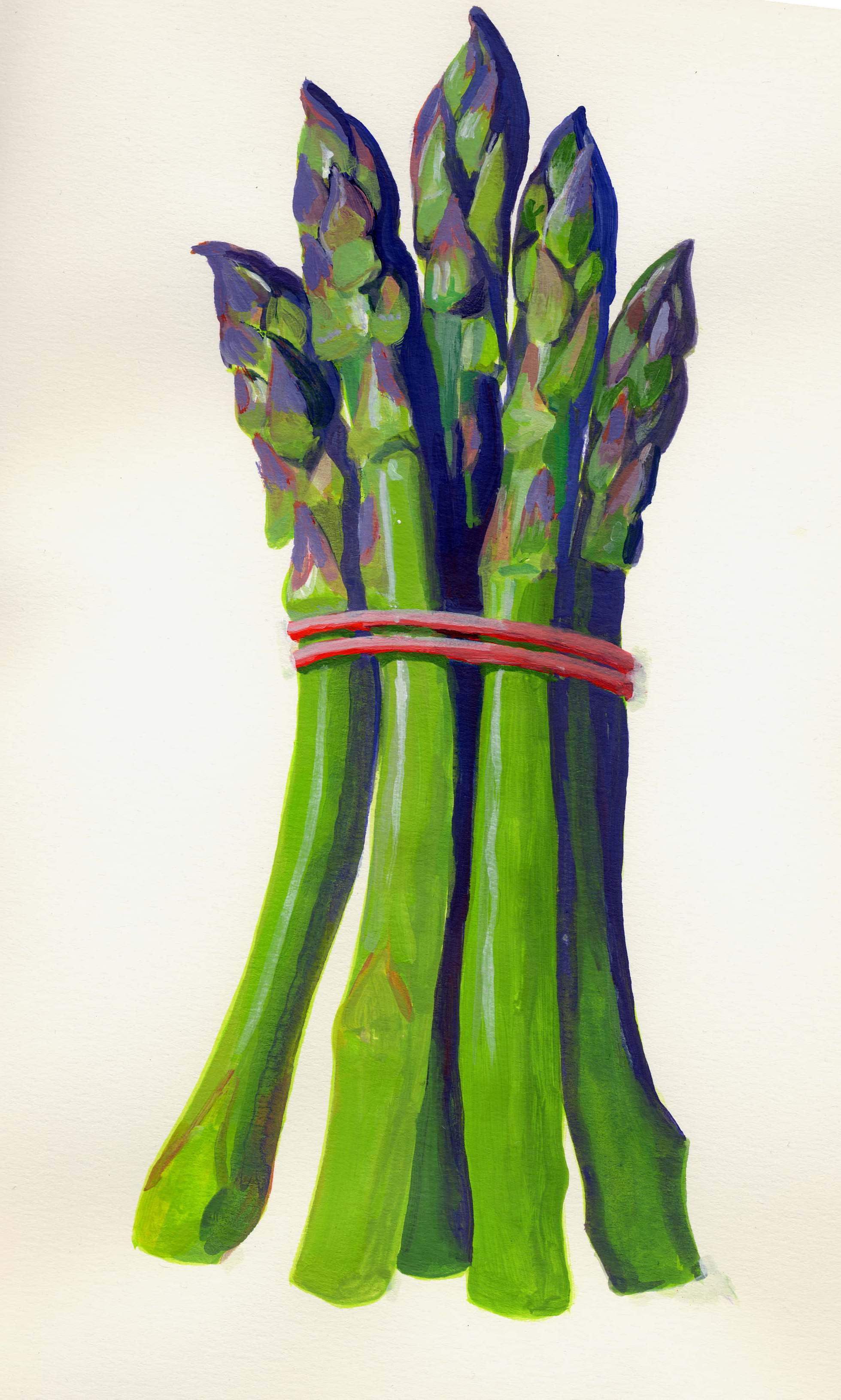
    Asparagus on Canvas

    Posted: December 23rd, 2010 | Author: hortoris | Filed under: Art, Uncategorized | No Comments »

    The original painting of this Asparagus Connovers Colossus is available to purchase from Gardening Products. A limited edition giclee print is also available on a range of acid free art quality substrates.

    Forming part of the work by Leeds resident artist Andrew Breslin he has supplied artwork to the Royal Horticultural Society including magazine rights to this particular work.


    WD40 Easy Lubrication in the Garden

    Posted: December 1st, 2010 | Author: hortoris | Filed under: Tools and Equipment | No Comments »

    A simple Garden Product but one I would not be without. WD40 has many uses and I always have a can to hand.

    I keep my hedge trimmers and electric clippers in an old wardrobe in the garage. Before they were put away for winter I sprayed the blades with WD 40. This acts as a cleaner of the sap build-up on the blades and a rust inhibitor.

    I try to spray my tools regularly. I tried a sand bucket containing oil but found it a bit dirty and I seldom used it. As with many garden tasks it would be better if I developed a regular habit and modus operandi. WD 40 is an easy way around oiling and cleaning and gardening is hard enough so I try take easy but effective short cuts.

    WD 40 is also useful for easing hinges on garden gates oiling the wheel barrow and odd jobs where an oil can isn’t close to hand.


    « Older Entries
    Newer Entries »
    • Best of Gardeners Tips
    • Top 100 Gardeners
    • Gardening at Amazon.co.uk
    • Seeds at Thompson & Morgan
    • Jersey Plants Direct

    Categories

    • Art
    • Books & Publications
    • Clothing
    • Constructions and Greenhouses
    • Garden Economics
    • Growing Aids
    • Pests and Problems
    • Products
    • Projects
    • Seeds and Plants
    • Tools and Equipment
    • Uncategorized
    • Weeds and Treatments
    Gardeners Tips