Gardening Products

Tips for the Gardener

John Innes Sterilised Compost

Posted: January 11th, 2011 | Author: hortoris | Filed under: Growing Aids | No Comments »

Many suppliers offer John Innes potting compost in grades 1, 2 and 3 plus John Innes Seed Compost for sowing seeds; John Innes Cutting Compost for rooting cuttings and John Innes Ericaceous Compost for plants which cannot tolerate lime. The proportion of each constituent varies according to the type and end use of the compost.

Contents of John Innes Compost

  • Loam is the most important ingredient in the compost as it provides the main “body” of the compost.
  • Sphagnum Moss Peat in the John Innes Compost increases the total porosity and improves both the aeration and the water-retaining capacity. Peat decomposes slowly into humus.
  • Coarse sand or grit is used as a physical conditioner to allow excess water to drain from the compost and thus prevent water-logging. It also helps to provide stability for larger plants.
  • The compound fertiliser in John Innes Compost include; nitrogen for top growth, phosphates for root growth, potash for flowers and fruit plus trace elements.

More detail and historical information is provided by the John Innes manufacturers association

Special Compost for Orchids

Posted: January 10th, 2011 | Author: hortoris | Filed under: Growing Aids | 2 Comments »

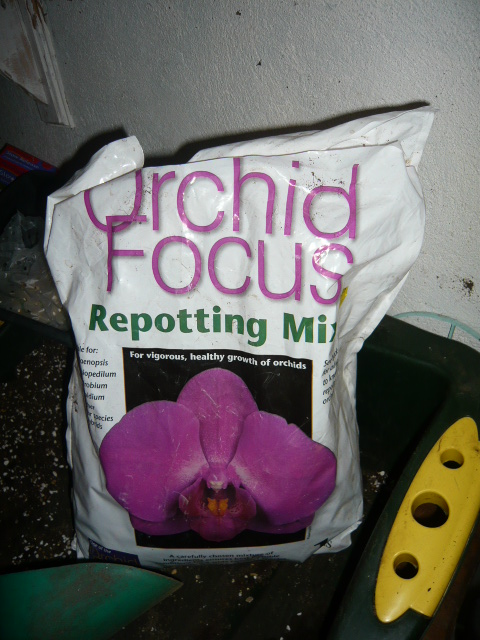
Orchids love humidity but hate wet feet so a free draining compost is preferred. Some orchids are epiphytes that grow on other plants and trees and need to retain enough moisture when the opportunity arises. All roots need air in greater or lesser proportions and some orchids have roots that grow out of pots into open air. That gives a clue as to what good Orchid compost will be like.

Content of Orchid Compost

  • Bark chippings which come in differing sizes. For plants with thick roots choose a larger chips, if they are small and thin then choose small chippings.
  • Sphagnum moss, bark and  styrofoam mixed is good  for seedlings or very thinly rooted plants. It tends tol dry out quickly so watch the  watering.
  • Rock wool  mixed with a little perlite can seem dry on the surface   when very wet underneath and over time breaks down into a hard mass.
  • Lump peat and styrofoam is good for Phalaenopsis and those plants requiring a little more moisture retention.

Orchid Compost Tips

  • You can buy a proprietary Orchid compost at most garden centres
  • Compost breaks down and Orchids need repotting into fresh compost but only every couple of years.
  • Put some large crocks of foam at the bottom of the pot to aid drainage and retain air pockets
  • Repot just after flowering not whilst in flower.
  • Let bark compost soak in water overnight before repotting.

Read about Stanhopea orchids in a basket
or Orchids to write home about

  • Thompson & Morgan Chempak orchid growth feed. It is a high nitrogen liquid fertiliser containing plant foods, magnesium and six trace elements to promote growth

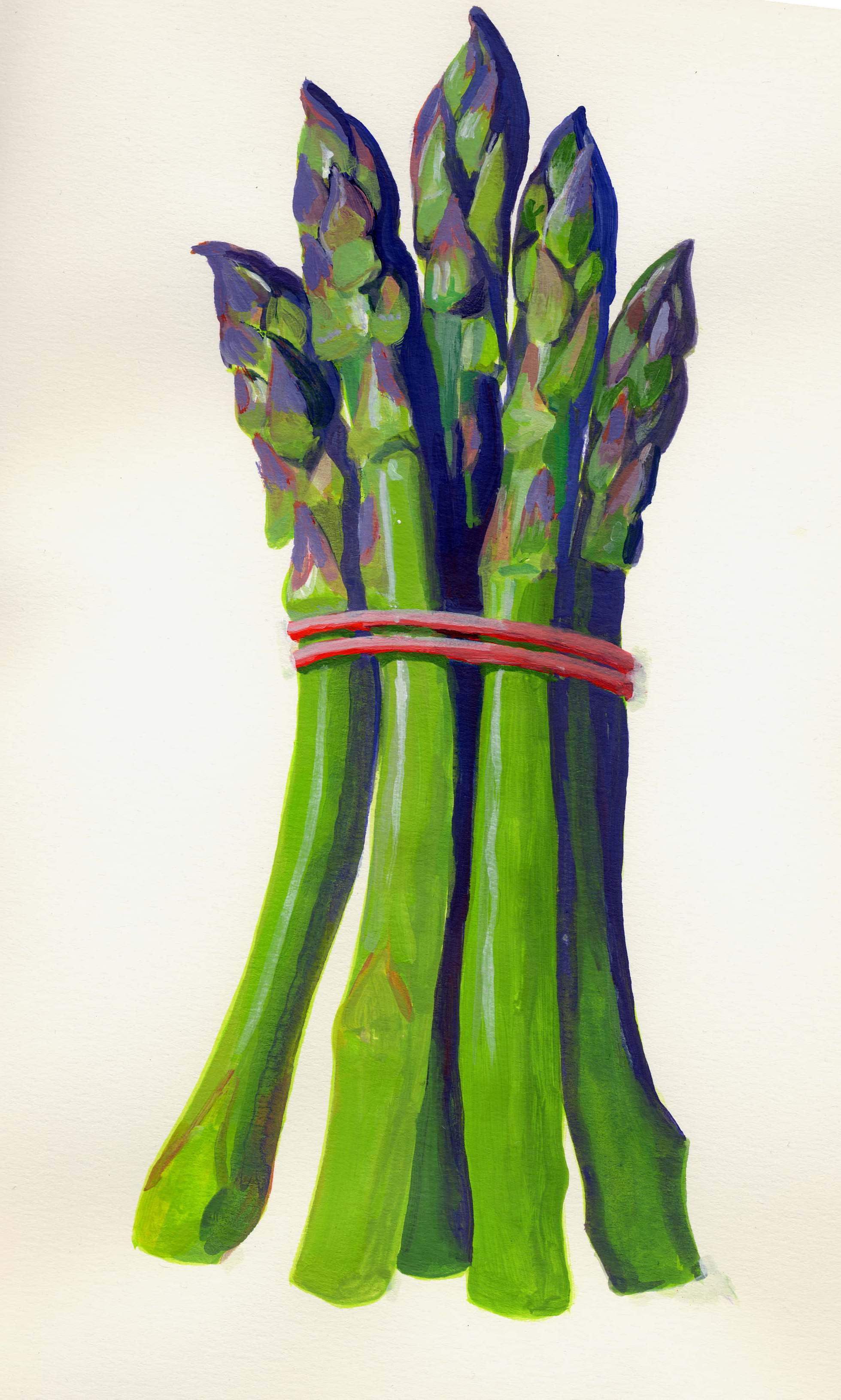
  • Asparagus on Canvas

    Posted: December 23rd, 2010 | Author: hortoris | Filed under: Art, Uncategorized | No Comments »

    The original painting of this Asparagus Connovers Colossus is available to purchase from Gardening Products. A limited edition giclee print is also available on a range of acid free art quality substrates.

    Forming part of the work by Leeds resident artist Andrew Breslin he has supplied artwork to the Royal Horticultural Society including magazine rights to this particular work.


    WD40 Easy Lubrication in the Garden

    Posted: December 1st, 2010 | Author: hortoris | Filed under: Tools and Equipment | No Comments »

    A simple Garden Product but one I would not be without. WD40 has many uses and I always have a can to hand.

    I keep my hedge trimmers and electric clippers in an old wardrobe in the garage. Before they were put away for winter I sprayed the blades with WD 40. This acts as a cleaner of the sap build-up on the blades and a rust inhibitor.

    I try to spray my tools regularly. I tried a sand bucket containing oil but found it a bit dirty and I seldom used it. As with many garden tasks it would be better if I developed a regular habit and modus operandi. WD 40 is an easy way around oiling and cleaning and gardening is hard enough so I try take easy but effective short cuts.

    WD 40 is also useful for easing hinges on garden gates oiling the wheel barrow and odd jobs where an oil can isn’t close to hand.


    Bench Tidy and my Potting Bench

    Posted: November 30th, 2010 | Author: hortoris | Filed under: Tools and Equipment | No Comments »

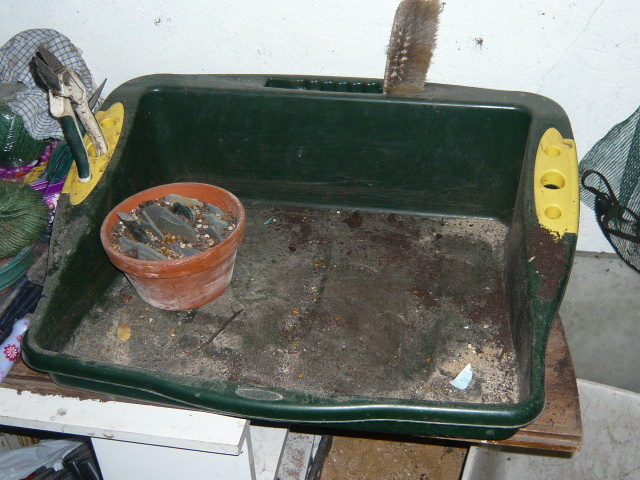
    I use a ‘Bench Tidy’ for potting, seed sowing and odd jobs that are best done at bench height. The brush is kept close to clean and disinfect the tray with Jeyes fluid.
    Sand and compost are kept under the bench tidy for easy access.

    Complex bench tidys are available for less than £20.’A practical tray ideal for keeping your greenhouse or potting shed tidy. High sided walls will hold plenty of composting whilst filling pots and trays for seed sowing or potting on. Also features a handy detachable shelf, to hold all those useful seed sowing and potting accessories. Dimensions: 61cm x 55cm x 20cm. Bench Tidy contents not included. from Thompson & Morgan‘


    ‘The Good Life Books’ for Christmas

    Posted: November 29th, 2010 | Author: hortoris | Filed under: Books & Publications | No Comments »

    Book Cover

    Stephanie Alexander’s ‘Kitchen Garden Companion: Dig, Plant, Water, Grow, Harvest, Chop, Cook’ If you have ever dreamed of picking fresh salad leaves for the evening meal, gathering vine-ripened tomatoes or pulling up your own sweet carrots, this is the book for you.

    On the other hand if you intend growing enough food to be self sufficient the you may need this book Cost Effective Self-sufficiencyby Eve and Terrance Mclaughlin. Based on the experience of many years growing ‘The Good Life’.

    Book Cover
    Read the rest of this entry »


    Gardens on Canvas

    Posted: November 28th, 2010 | Author: hortoris | Filed under: Art | No Comments »

    A new service is available providing top quality Canvas art from our Gardeners Tips images. Contact us below for further information.

    Archival quality materials have been used to get the vibrant image of a garden in full blooming colour on to a large canvas. The plants on display on the above canvass include yellow deciduous Knaphill Azaleas, Rhododendrons from the Seven Dwarf collection, Aquilegia  Norma Barlow, Honesty, Forget-me-not, Wallflowers Erisymum  and for the greenery, sword like Bearded Iris and soft textured conifers.

    Features

    • Each ‘Garden on Canvas’ will have dedicated url.
    • Links to other web sites can be included on these specific web page.
    • The purchasor of the Garden Canvas art can provide a dedication or short commentary to supplement the narrative about the horticultural content.
    • This canvas is 40″ by 32″ or 100cm by 80cm and makes a striking wall decoration.

    Cloche Protection

    Posted: November 28th, 2010 | Author: hortoris | Filed under: Tools and Equipment | No Comments »

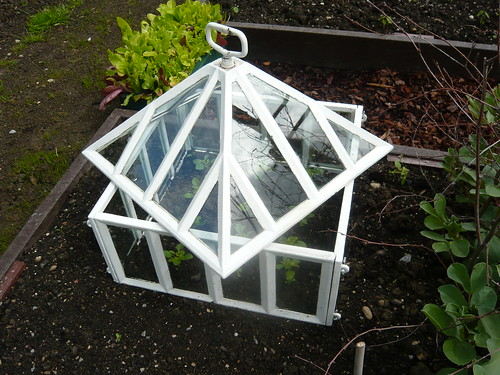
    Cloche

    Cloches come in all sizes and shapes up to and including industrial sized plastic tunnels. For the amateur gardener some cloches will help protect and bring on crops.

    Used most notably in the vegetable plot they also have an appeal for the alpine gardener. Many alpines resent wet soggy winters and a strategically placed cloche can be a boon. Cloches used in this way keep snow and rain off the crown and leaves of plants.

    Recycled works produce a ridgid plastic cloche for under £20 but it looks a bit opaque to me.

    See other cloches available from amazon

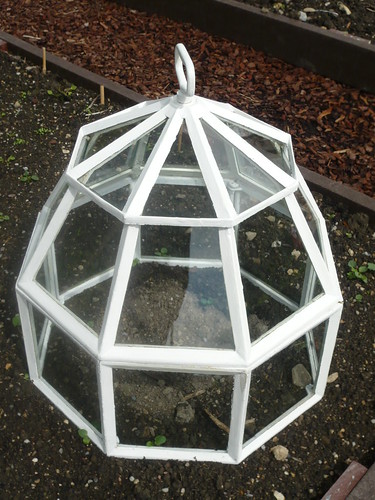
    Octagonal cloche


    Insect House and Bee Nester

    Posted: November 27th, 2010 | Author: hortoris | Filed under: Pests and Problems | No Comments »

    Insect house

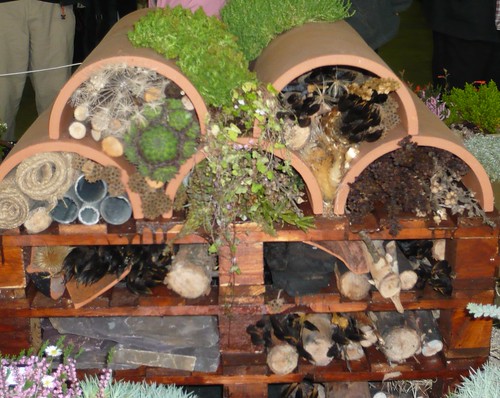
    Gardens need insects and bugs so why not treat them to a snug insect house.
    You can build a multipurpose house from wood, stones and old pipes similar to the one above. Fill gaps with twigs, straw and rotting wood which will provide some food. The insects will make a home in the cracks and crevices that provide winter shelter.

    Book Cover

    Bee nesting boxes will cater for bees and ladybirds.
    Place on a south facing wall for optimum sunlight to help bees and for ladybirds place the nester in a sheltered area near tree branches and vegetation such as nettles.


    Why do Jasmine Flowers make you Alluring?

    Posted: November 26th, 2010 | Author: hortoris | Filed under: Books & Publications | No Comments »

    Book Cover

    ‘Why do jasmine flowers make you more sexually alluring? When is an apple not an apple? Are trees the tallest plants? Why should tadpoles look out for Fairy Aprons? What could I grow on Mars? This book answers hundreds of intriguing questions about flowers, plants and trees for which you thought you’d never find an answer: such as why are some plants edible and some poisonous?’

    A well researched book of miscellanea with a gardening slant. Caroline Holmes is a garden historian and authour of ‘The Not so Little Book of Dung’.

    Oh and the twice a year flowering Sweet Violet or Viola odorata ‘occasionally toys with passing insects on first flowering but so revels in the high seed production levels of DIY pollination, that it shrinks away from the insect when it tries to alight.’

    This book is our Gardening Book of the Month for December 2010


    « Older Entries
    Newer Entries »
    • Best of Gardeners Tips
    • Top 100 Gardeners
    • Gardening at Amazon.co.uk
    • Seeds at Thompson & Morgan
    • Jersey Plants Direct

    Categories

    • Art
    • Books & Publications
    • Clothing
    • Constructions and Greenhouses
    • Garden Economics
    • Growing Aids
    • Pests and Problems
    • Products
    • Projects
    • Seeds and Plants
    • Tools and Equipment
    • Uncategorized
    • Weeds and Treatments
    Gardeners Tips